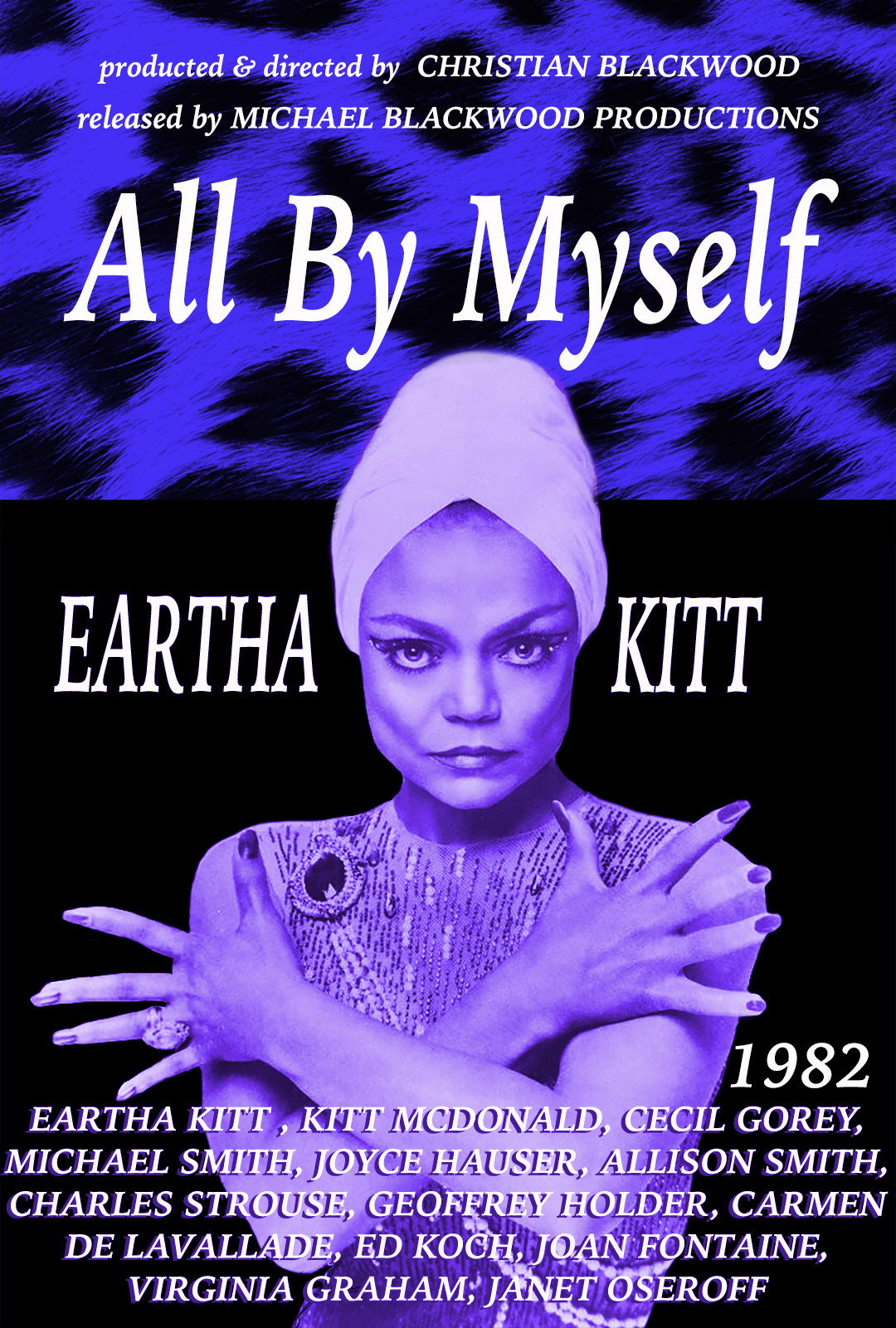
Eartha Kitt’s life and career offer a profound exploration of independence, resilience, and self-reliance, encapsulated by her fierce autonomy. Navigating ostracism, political blacklisting, and professional reinvention, she forged a path defined by profound solitude and unyielding personal strength.
The trajectory of Eartha Kitt stands as one of the most compelling narratives in twentieth-century entertainment. Born into poverty in rural South Carolina and facing early abandonment, Kitt learned self-preservation at a remarkably young age. Her journey from the Dunham dance troupe to international stardom on Broadway, in film, and through chart-topping recordings was never straightforward. Instead, it was marked by distinct periods of isolation where her refusal to compromise her dignity or her political convictions forced her to stand entirely alone against powerful systemic forces.
Understanding the dynamics of Kitt’s solitude requires examining the intersecting pressures of race, gender, and political expression in mid-century America. By tracing her path through early adversity, professional exile, and triumphant artistic renaissances, observers gain insight into how a legendary performer converted profound isolation into an enduring instrument of personal power.
The Foundations of Early Isolation and Self-Reliance
Long before she commanded international stages as a sultry chanteuse and magnetic actress, Eartha Mae Kitt experienced a childhood defined by dislocation. Born in 1927 in North, South Carolina, she grew up facing the compounding challenges of racial segregation, extreme poverty, and the absence of a stable family unit. Relatives shifted her between various households where she experienced neglect and abuse, instilling an early survival instinct that would characterize her entire life.
Moving to New York City as a teenager provided a refuge within the bustling environment of Harlem, yet it did not eliminate her foundational solitude. Enrolling in the New York School of Industrial Art, she discovered her affinity for the performing arts, which eventually led to an audition with Katherine Dunham’s prestigious dance company. Traveling internationally with the Dunham troupe in her late teens and early twenties, Kitt experienced the wider world, yet her interpersonal relationships remained guarded. She learned early that relying on others was a luxury she could rarely afford, forging an interior armor that protected her artistic vision while keeping potential confidants at a distance.
This early independence shaped her distinctive performance style. When she sang in multiple languages or delivered lines with razor-sharp precision, her authority came from a place of deep, unassisted self-possession. She did not need a director to tell her how to inhabit an outcast; she understood the condition intimately. Her signature purr and piercing gaze were born from a lifetime of observing her surroundings with hyper-vigilance, ensuring she would never again be caught defenseless.
Artistic Breakthroughs and the Price of Uncompromising Stardom
Kitt’s meteoric rise in the early 1950s brought her immense acclaim, transforming her overnight into a global pop-culture icon. Orson Welles famously dubbed her the "most exciting woman in the world" after casting her as Helen of Troy in his Paris production of Dr. Faustus. Soon after, her Broadway performances in New Faces of 1952 and Shinbone Alley, alongside her hit recordings like "C'est Si Bon" and "Santa Baby," cemented her status as a multifaceted superstar.
Yet, this period of triumph also highlighted the fragility of fame for a Black woman unwilling to conform to industry stereotypes. Producers and mainstream audiences often tried to box her into narrow archetypes, yet Kitt resisted every attempt at domestication. She demanded respect, fair compensation, and artistic autonomy—demands that frequently alienated studio executives and theater gatekeepers.
The ensuing friction established a recurring pattern in her career: whenever she achieved peak visibility, institutional resistance pushed back. Kitt navigated these professional highs and lows with a stoic detachment. She recognized that her success depended entirely on her own raw talent and unyielding discipline rather than the fickle goodwill of the entertainment establishment. This transactional view of the industry preserved her integrity but deepened her reliance on her own inner resources during times of professional freeze-outs.
Political Exile and the Crucible of Blacklisting
The defining test of Eartha Kitt’s resilience occurred in January 1968 during a luncheon at the White House hosted by Lady Bird Johnson. When asked about the rising tide of youth dissent and urban unrest related to the Vietnam War, Kitt spoke her truth directly to the First Lady, stating that American youth were rebelling because they did not want to be sent to die in a conflict they did not understand.
The immediate backlash was swift, coordinated, and devastating. The Johnson administration and intelligence agencies initiated a campaign that effectively blacklisted Kitt from the American entertainment industry for over a decade. Secret service files later revealed the extent to which government surveillance targeted her career, pressuring venue owners, television producers, and record labels to drop her contracts.
Facing sudden professional exile in her home country, Kitt did not capitulate or issue a public apology. Instead, she packed her bags and took her artistry abroad. For years, she built a thriving career across Europe and Asia, performing to packed houses in London, Paris, and Tokyo. This period of international touring was physically exhausting and emotionally taxing, separating her from familiar surroundings for extended stretches. Yet, it demonstrated her extraordinary capacity for reinvention. While her detractors attempted to silence her, Kitt expanded her global footprint, proving that her talent transcended domestic political retribution.
| Era / Phase | Professional Focus | Primary Challenge | Source of Strength |
|---|---|---|---|
| Early Years (1927–1949) | Dance, survival, Harlem adaptation | Poverty, neglect, instability | Self-reliance, raw talent |
| Golden Stardom (1950–1967) | Broadway, recordings, international tours | Typecasting, industry resistance | Uncompromising artistic autonomy |
| Political Exile (1968–1979) | European and Asian cabaret circuits | Government blacklisting, domestic isolation | International audience loyalty, resilience |
| The Grand Return (1980s–2000s) | Broadway revivals, voice acting, cabaret | Aging industry, past stigma | Legendary status, fierce authenticity |
The Triumphant Return and Enduring Legacy
By the late 1970s and 1980s, the political climate in the United States had shifted enough to allow for Kitt’s long-overdue return to mainstream American stages. Rather than fading into obscurity during her exile, she returned with an aura of legendary endurance. Her triumphant comeback on Broadway in productions like Timbuktu! earned her a Tony Award nomination and proved that her mesmerizing stage presence had only deepened with age.
In her later decades, Kitt embraced her status as an elder stateswoman of entertainment and an icon to marginalized communities worldwide. She earned two Daytime Emmy Awards for her voice work as Yzma in Disney’s The Emperor’s New Groove and continued to perform in elite cabaret venues well into her seventies and eighties. Audiences did not merely applaud her vocal talents; they saluted her survival. She had outlasted her critics, vindicated her political stances, and maintained her fierce independence until her passing in December 2008.
Her life offers a blueprint for navigating solitude not as a state of abandonment, but as a domain of supreme power. Kitt demonstrated that standing alone requires immense courage, but it also ensures that one's voice remains uncorrupted by compromise.
Frequently Asked Questions
Why was Eartha Kitt blacklisted in the United States?
Eartha Kitt was blacklisted after speaking out against the Vietnam War at a 1968 White House luncheon hosted by Lady Bird Johnson. She argued that the war was driving American youth to despair and crime, prompting a severe political and industry backlash that stalled her domestic career for over a decade.
How did Eartha Kitt sustain her career during the blacklisting?
When domestic doors closed, Kitt relocated much of her performance schedule abroad, building a highly lucrative and critically acclaimed career in Europe, Asia, and other international markets. Her universal appeal as a multilingual chanteuse allowed her to maintain her independence without relying on American media outlets.
What awards did Eartha Kitt win later in life?
In her later career, Kitt experienced a major resurgence, earning multiple Grammy nominations, a Tony Award nomination for Timbuktu!, and two Daytime Emmy Awards for her voice acting in Disney's The Emperor’s New Groove and The Emperor's New School.
How does Eartha Kitt’s story reflect themes of solitude and strength?
Kitt’s narrative illustrates how early childhood abandonment forced her to develop radical self-reliance. Throughout her professional highs and political ostracism, she relied on her own internal discipline rather than seeking approval from institutional power structures, turning isolation into a source of enduring artistic authenticity.
Cultivating Autonomy in Personal and Creative Pursuits
Observers seeking to apply the lessons of Eartha Kitt’s life to modern challenges should examine their own relationship with external validation. True creative and personal strength often requires the willingness to stand apart from consensus when principles are tested. Embracing solitude as a constructive space for reflection and resilience—rather than fleeing from it—allows individuals to withstand professional setbacks and societal pressures. By prioritizing self-determination over immediate comfort, one can build an unshakeable foundation capable of weathering any storm.