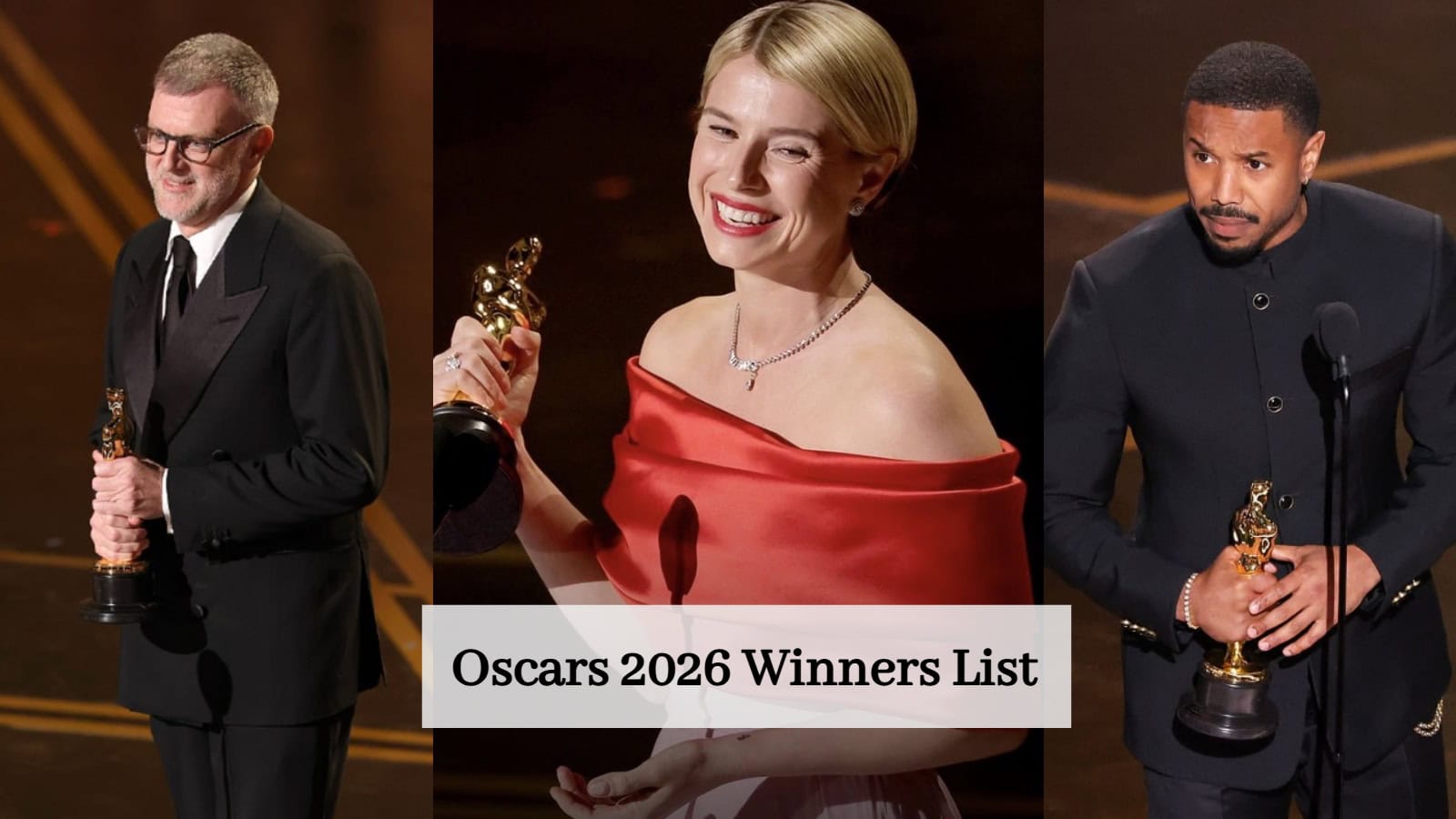
The 2026 awards season brings high-stakes competition across the entertainment industry, featuring frontrunners in film, television, and music as major guilds, critics' circles, and academy ballots finalize their outcomes. As ceremonies unfold throughout the calendar year, tracking verified winners, major breaking news, and critical predictions offers a comprehensive roadmap for navigating the year's top cultural honors.
The Structure of the 2026 Awards Circuit
Understanding the flow of the modern awards calendar requires mapping out how precursor bodies influence the major autumn and spring ceremonies. The cycle begins with regional critics associations and guild shortlists, moving steadily through the Golden Globes, the Critics' Choice Awards, and the various guild prizes—such as the Producers Guild, Directors Guild, and Screen Actors Guild awards—before culminating in the Academy Awards and the Grammys.
Each tier of this circuit serves a distinct structural purpose. Precursor awards establish momentum and test public reception, while guild awards often provide the most accurate statistical indicators for Academy voting due to overlapping membership. Industry analysts examine these voting bodies closely because block voting patterns, preferential ballots, and branch-specific preferences frequently cause unexpected shifts between early January announcements and final spring galas.
Furthermore, eligibility windows dictate which projects compete in any given year. Most academy requirements mandate a theatrical or streaming release within the preceding calendar year, creating a concentrated push of prestige titles in the final quarter. Navigating this landscape requires distinguishing between official rule changes, voting body expansions, and the strategic marketing campaigns deployed by major studios and independent distributors alike.
Major 2026 Ceremonies: Dates, Venues, and Verified Outcomes
The 2026 calendar features established ceremonies operating under updated guidelines and broadcast models. While specific dates vary annually based on broadcast network schedules and leap-year adjustments, the chronological progression remains consistent. Below is an overview of key events shaping the current cycle.
| Ceremony | Primary Focus | Typical Timing | Key Indicator Value |
|---|---|---|---|
| Golden Globes | Film and Television | Early January | High public visibility; separates drama and comedy/musical fields. |
| Critics' Choice Awards | Film and Television | Mid January | Broad voting base; strong historical correlation with Oscar nominations. |
| Grammy Awards | Recorded Music | Late January / Early February | Comprehensive industry recognition across multiple genres and technical crafts. |
| BAFTA Film Awards | British and International Film | Mid February | International voting perspective; significant overlap with Academy voters. |
| SAG Awards | Cinematic and Televisual Acting | Late February | Strongest acting precursor due to shared Academy acting branch membership. |
| Academy Awards | International Cinematic Excellence | March / April | The definitive seasonal culmination and industry standard for prestige. |
Tracking these verified dates helps enthusiasts and analysts contextualize news breaks, such as surprise snubs or sudden surges in predictive frontrunner status. Each ceremony applies its own distinct criteria, meaning that sweeping success at a guild level does not automatically guarantee a win at the final academy level.
Industry News and Institutional Rule Updates for 2026
Institutional adjustments shape how contenders qualify, campaign, and win across major cultural awards. Governing bodies continually revise their bylaws to address shifting distribution models, technological innovations, and global representation. For instance, academy requirements regarding theatrical footprint, screening minimums, and promotional expenditure caps remain central points of discussion among studio executives and independent filmmakers.
Recent policy updates also target diversity, equity, and inclusion metrics, requiring productions to meet specific workforce representation standards to remain eligible for top categories like Best Picture. These standards encourage broader hiring practices behind and in front of the camera, fundamentally altering how studios staff large-scale projects. Additionally, rules governing the use of synthetic media, artificial intelligence, and digital de-aging in creative crafts continue to evolve, with guild panels establishing strict guidelines on credit and eligibility for technological assistance in visual effects, screenwriting, and performance capture.
Understanding these governance changes is essential for accurate predictions. When a voting body expands its international membership—as the Academy of Motion Picture Arts and Sciences has steadily done over the past decade—traditional voting blocs shift, often favoring globally resonant narratives over domestic box-office hits. Industry reporting frequently highlights these demographic shifts as primary drivers behind unexpected wins and losses.
Predictive Analysis: Methodology and Frontrunner Dynamics
Forecasting awards outcomes combines statistical modeling, historical trend analysis, and qualitative assessment of industry sentiment. Predictive experts examine precursor sweep rates, guild overlapping memberships, and the intensity of studio campaign spending. However, quantitative metrics alone rarely secure a definitive forecast; qualitative factors such as narrative momentum, veteran status, and cultural timeliness play an equal role.
A dominant narrative often develops around a particular project or artist, framing their potential win as a historic milestone, a long-overdue career acknowledgment, or a reflection of contemporary social discourse. Voters frequently respond to these narratives, especially when multiple competing projects share a similar baseline of high technical and artistic quality. Analysts track guild precursors to measure whether a frontrunner is maintaining broad-based support or merely winning isolated regional prizes.
Key Factors Influencing 2026 Predictions
- Precursor Overlap: The percentage of shared voters between nominating guilds and final academy branches.
- Release Timing: Late-year releases benefit from recency bias, while early-year festival breakouts require sustained campaign investment to avoid voter fatigue.
- Campaign Infrastructure: The financial and strategic backing provided by major studios or deep-pocketed streaming distributors.
- Branch Preferences: Understanding the specific aesthetic or thematic biases of individual academy branches, such as cinematography, sound, or writing.
Frequently Asked Questions
Which awards show is considered the most reliable predictor for the Oscars?
The Screen Actors Guild (SAG) Awards serve as the most statistically reliable precursor for acting categories due to the significant overlap between SAG membership and the actors branch of the Academy of Motion Picture Arts and Sciences. Producers Guild and Directors Guild awards also carry heavy predictive weight for their respective categories.
How do streaming services impact awards eligibility in 2026?
Streaming services must comply with specific theatrical run requirements set by governing bodies like the Academy. While streaming films are fully eligible, they typically require designated theatrical engagements in major metropolitan markets for a specified duration to qualify for top competitive categories.
Where can official and verified winners lists be found immediately after a ceremony?
Official winners are published in real-time by the governing organizations hosting the events, such as the Academy, the Recording Academy, or the Hollywood Foreign Press Association, as well as through primary trade publications covering live press room updates.
What are the primary criteria for Grammy Award eligibility?
Grammy eligibility requires recordings to be commercially released within the designated annual eligibility period—typically spanning from late summer of the previous year to late summer of the current year—and submitted by registered members or media companies.
How do academy voting bodies handle preferential ballots?
Certain top categories utilize a preferential voting system where voters rank nominees from first to last. If no nominee secures a majority of first-place votes in the initial count, lower-ranked ballots are redistributed until a consensus winner emerges, favoring broadly liked projects over polarizing favorites.
Strategic Next Actions for Industry Trackers
To stay fully informed throughout the 2026 awards circuit, establish a reliable routine of tracking official guild announcements, monitoring trade publication shortlists, and cross-referencing precursor voting results with historical baseline data. Reviewing the specific bylaws of each governing body will clarify why certain high-profile contenders may be missing from official nomination ballots, ensuring a clear, objective understanding of the season as it unfolds.