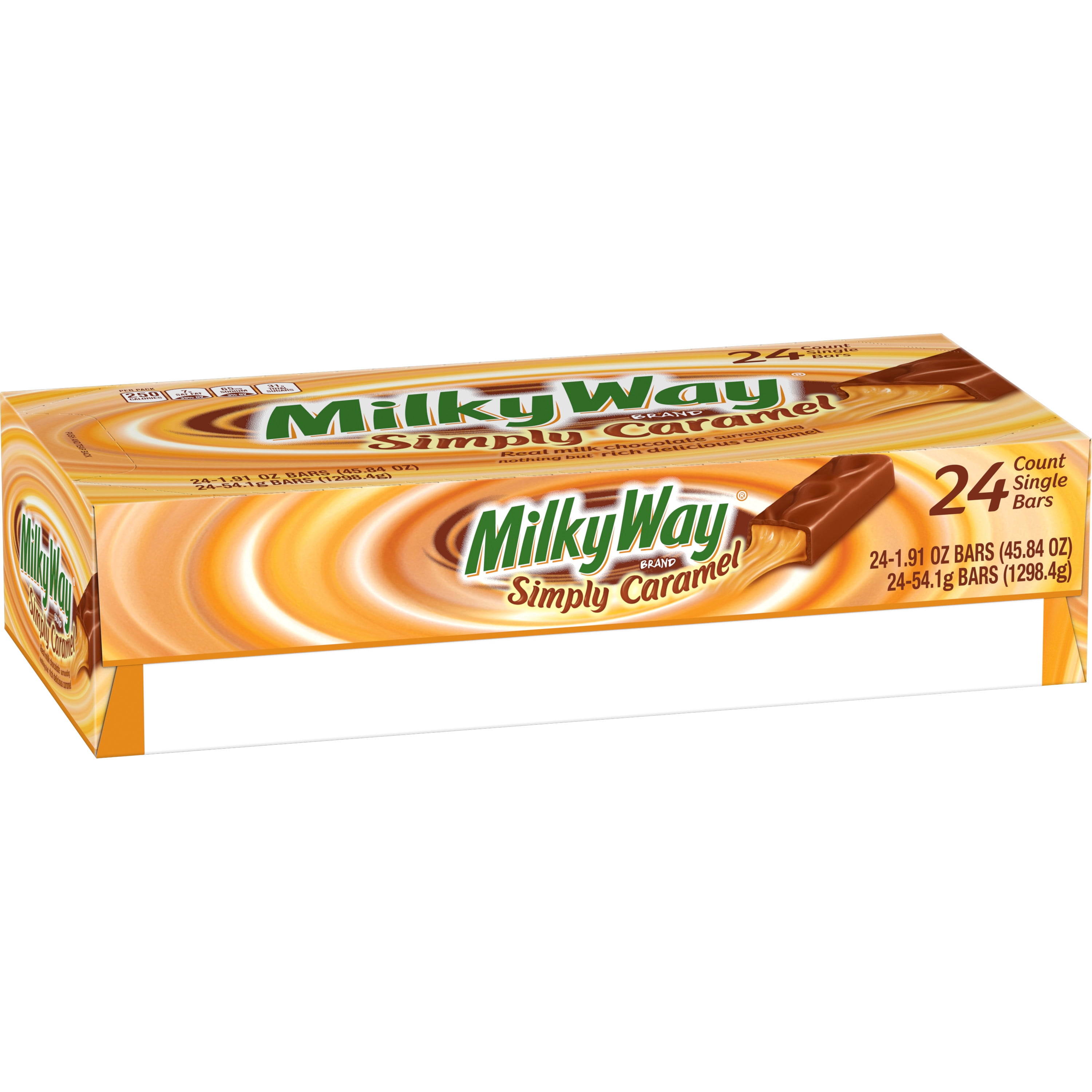
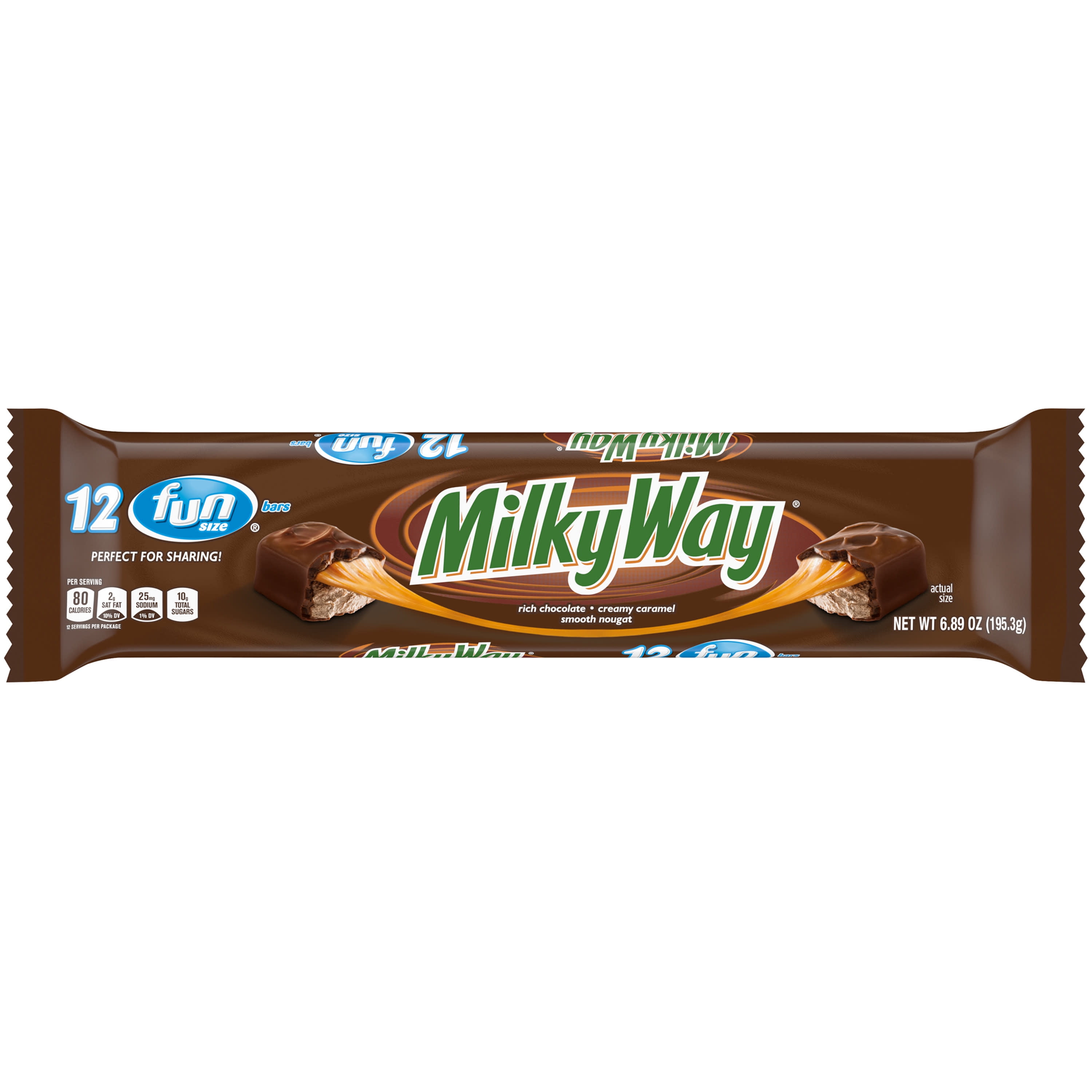
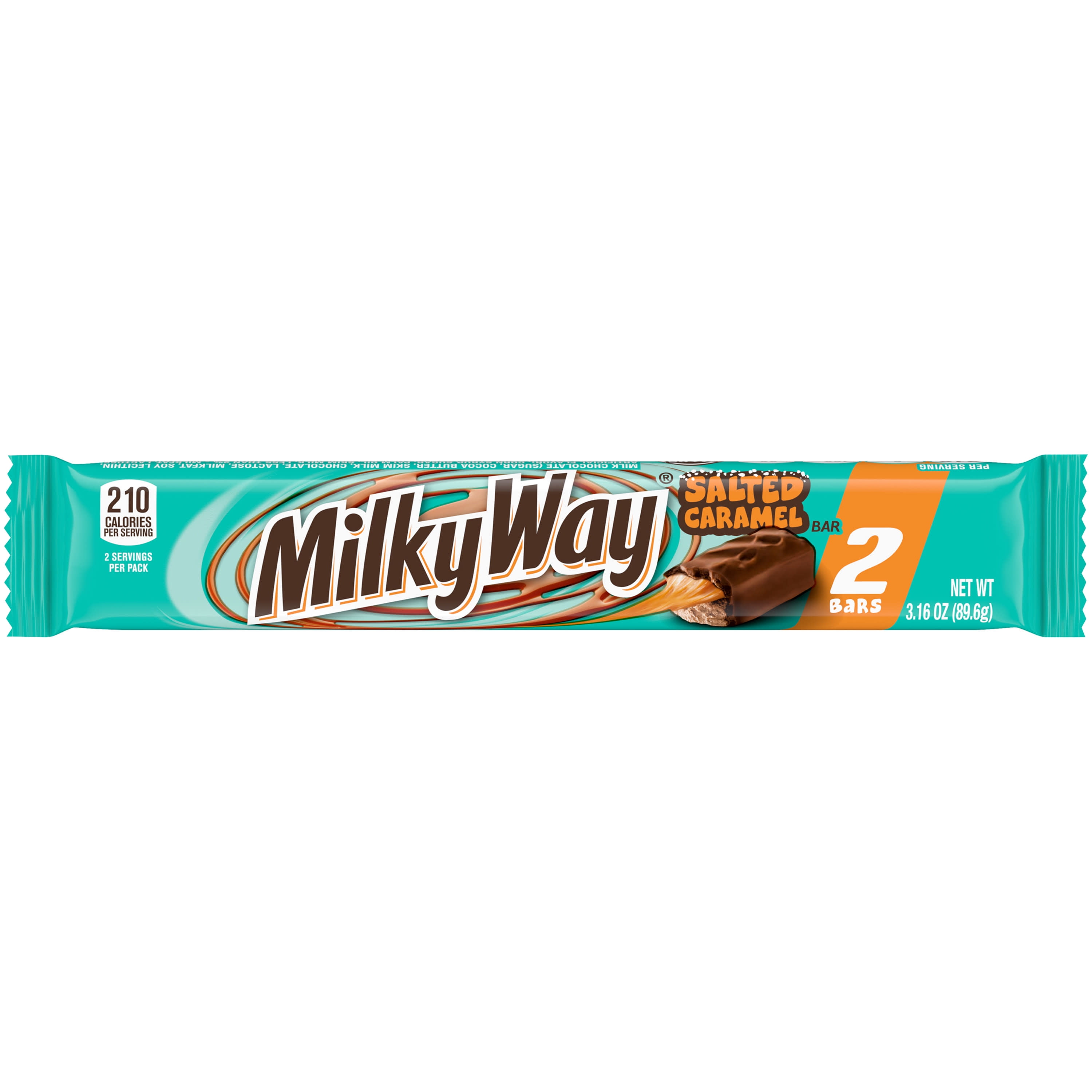
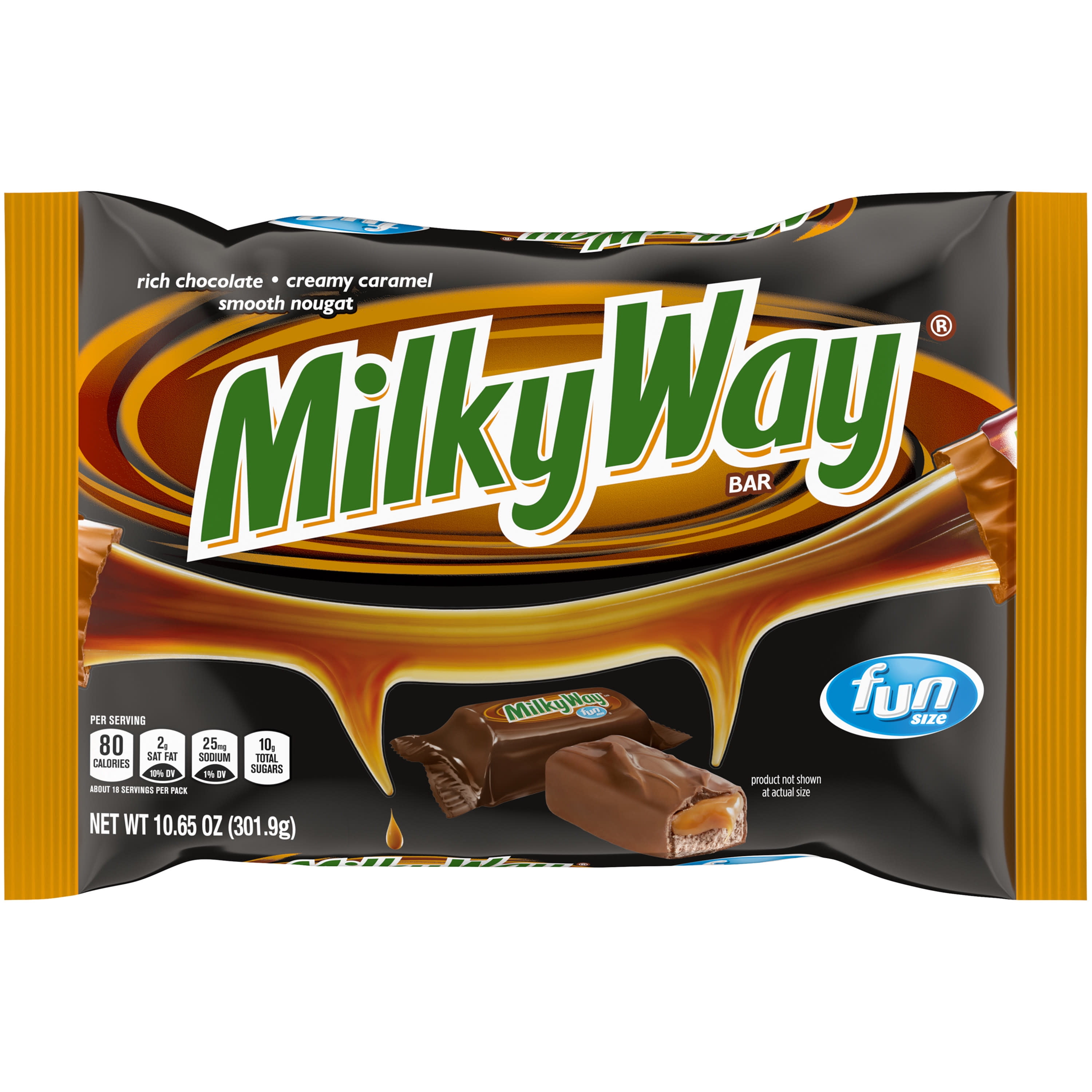
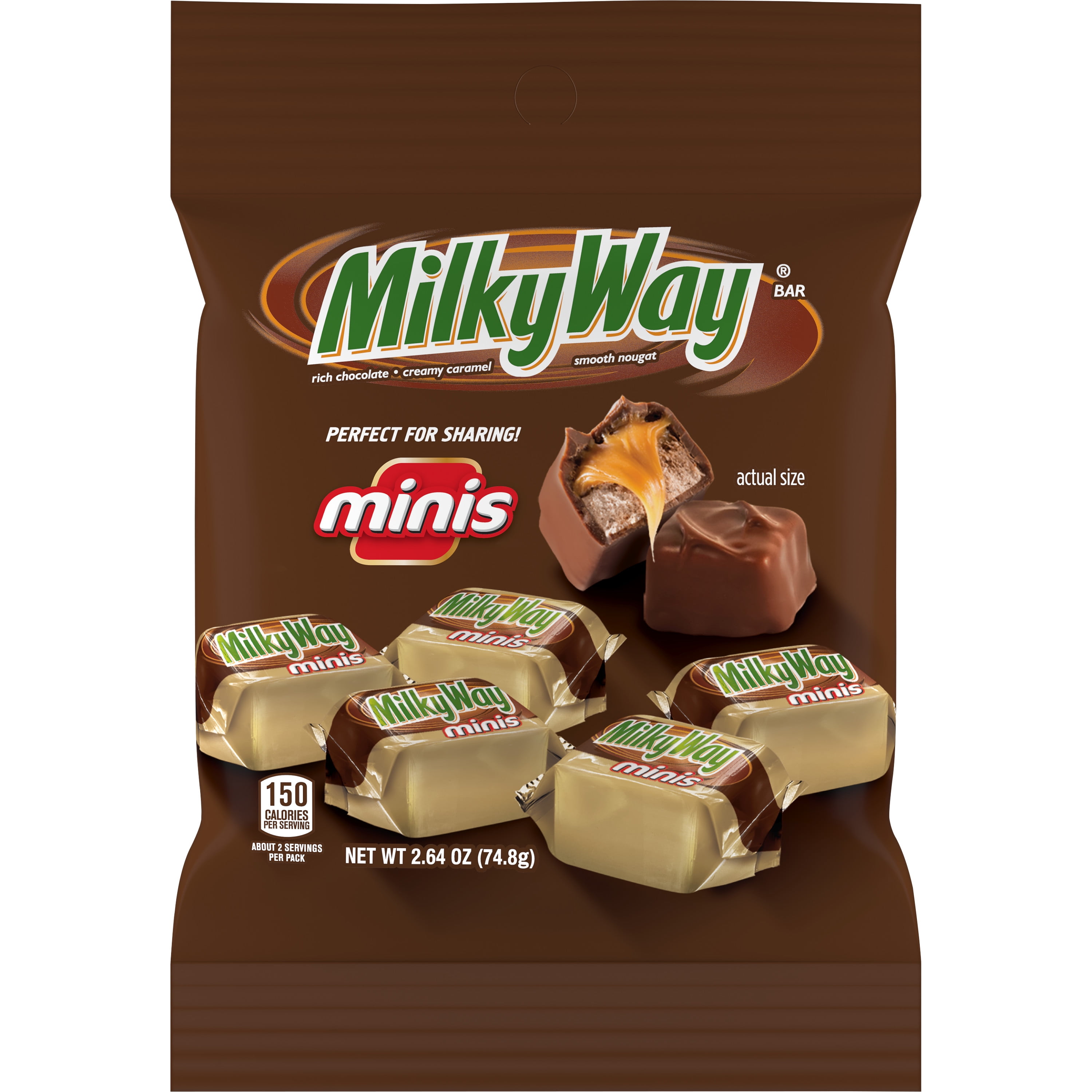
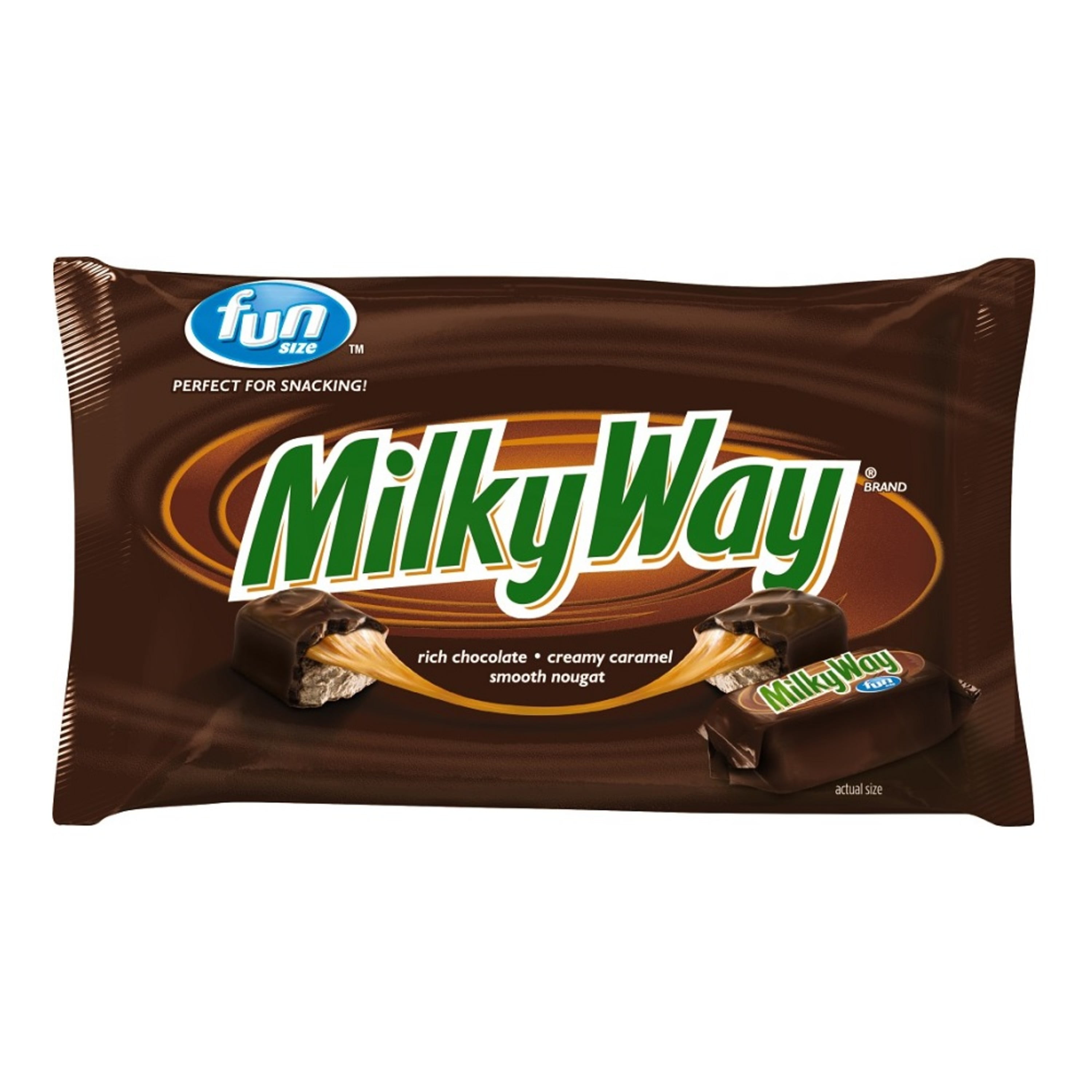
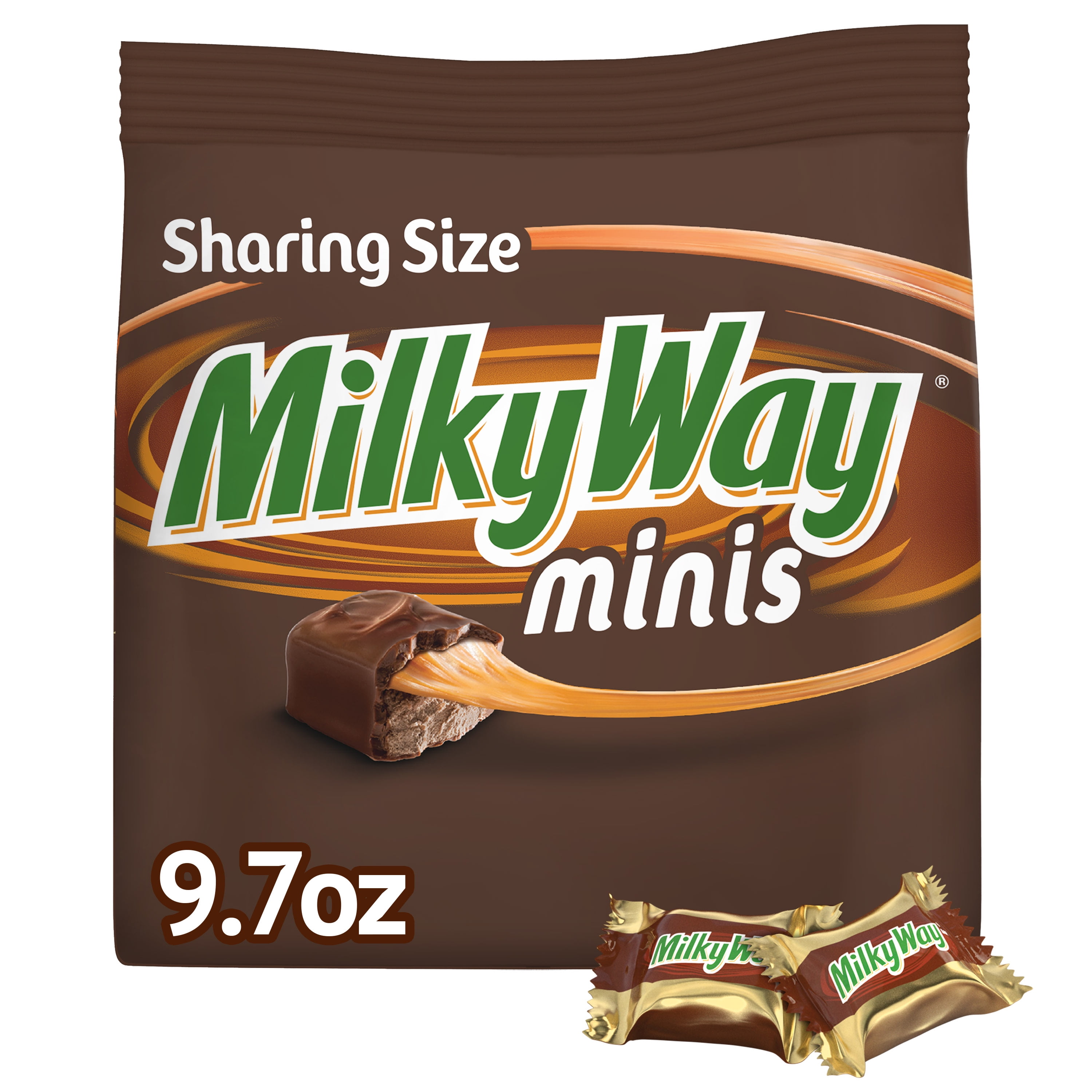
The All Caramel Milky Way candy bar features a rich, golden caramel filling entirely encased in smooth milk chocolate, omitting the traditional malted nougat found in the classic recipe. This distinct variant offers a unique flavor profile and textural experience, while carrying specific nutritional components, ingredient disclosures, and allergen profiles relevant to consumers managing their dietary intake.
Origins and Product Identity of the All Caramel Milky Way
The Milky Way candy bar, originally introduced by Mars, Incorporated in the 1920s, has evolved through various flavor extensions and regional variations. While the standard American Milky Way consists of chocolate malt-flavored nougat topped with caramel and enrobed in milk chocolate, the All Caramel version streamlines this architecture. By removing the nougat layer entirely, Mars created a product focused intensely on dairy-based caramel and milk chocolate.
Understanding this product identity requires recognizing how confectionery manufacturers formulate variations of heritage brands. The All Caramel Milky Way is marketed toward consumers who prefer a softer, uniform bite without the aerated texture of nougat. Because the internal matrix consists solely of processed caramel, the physical density, moisture content, and melting point differ noticeably from the original candy bar. These structural variances directly influence how the candy interacts with the palate, yielding a richer, more uniform sweetness profile per gram.
Detailed Breakdown of Ingredients
The ingredient deck of a mass-produced confectionery item dictates its functional characteristics, shelf stability, and dietary suitability. For the All Caramel Milky Way, the formulation relies on a blend of sugars, dairy fats, emulsifiers, and stabilizing agents to maintain the soft caramel center and prevent fat bloom on the chocolate coating.
The primary components are typically listed on product packaging in descending order by weight. Consumers examining the label will find milk chocolate comprising sugar, cocoa butter, skim milk, chocolate, lactose, milkfat, soy lecithin, and artificial flavor. The caramel core generally consists of corn syrup, sugar, skim milk, palm oil, milkfat, lactose, salt, hydrogenated cottonseed oil and/or palm kernel oil, artificial flavor, and PGPR (polyglycerol polyricinoleate) as an emulsifier.
- Milk Chocolate Coating: Provides the initial snap and structural shell, utilizing cocoa butter and milkfat for mouthfeel.
- Caramel Core: Formulated with corn syrup and sugar for sweetness and viscosity, stabilized with fats to prevent weeping or crystallization.
- Emulsifiers: Ingredients like soy lecithin and PGPR ensure uniform mixing of cocoa butter and water-based elements, maintaining texture during transit and storage.
Nutritional Profile and Macronutrient Breakdown
Confectionery products are dense sources of concentrated energy, primarily derived from refined carbohydrates and saturated fats. A standard single-serving size of the All Caramel Milky Way delivers a predictable balance of calories, macronutrients, and micronutrients typical of sugar- and fat-based treats.
Evaluating the nutritional panel requires attention to serving sizes, as multi-pack or king-size variants often contain multiple servings per package. The table below outlines the approximate nutritional values for a standard single-serving bar, providing a clear reference for dietary tracking.
| Nutritional Component | Amount Per Standard Serving | Percentage of Daily Value (DV)* |
|---|---|---|
| Calories | 240 kcal | 12% |
| Total Fat | 9 g | 12% |
| Saturated Fat | 6 g | 30% |
| Trans Fat | 0 g | N/A |
| Cholesterol | < 5 mg | 1% |
| Sodium | 110 mg | 5% |
| Total Carbohydrates | 38 g | 14% |
| Dietary Fiber | 0 g | 0% |
| Total Sugars | 30 g | N/A |
| Protein | 2 g | N/A |
*Percent Daily Values are based on a 2,000 calorie diet. Your daily values may vary depending on your calorie needs.
Allergens, Dietary Restrictions, and Sensitivities
Navigating commercial candy bars requires careful scrutiny of allergen warnings, particularly for individuals with milk, soy, peanut, or tree nut sensitivities. The All Caramel Milky Way contains several major food allergens that must be declared under food safety regulations enforced by agencies such as the U.S. Food and Drug Administration (FDA).
The primary allergens present in the product include dairy derivatives (milk, lactose, skim milk, milkfat) and soy derivatives (soy lecithin). Furthermore, manufacturing facilities that process these candy bars frequently handle other allergens on shared equipment. Consequently, product packaging often carries advisory statements warning that the candy may contain traces of peanuts, tree nuts, and egg. Individuals with severe IgE-mediated food allergies must review these advisory statements carefully before consumption. Additionally, the presence of glucose syrup derived from corn and refined sugars means the product is unsuitable for restrictive diets such as strict ketogenic, diabetic, or low-glycemic regimens.
Storage, Shelf Life, and Quality Factors
Maintaining the structural integrity and sensory appeal of the All Caramel Milky Way depends heavily on proper environmental storage conditions. Confectionery items containing dairy fats and soft caramel are sensitive to fluctuations in temperature, humidity, and light exposure.
Exposure to excessive heat can cause the milk chocolate coating to melt and subsequently recrystallize, resulting in a whitish, powdery surface known as fat bloom. While fat bloom does not render the candy unsafe to eat, it negatively impacts the visual presentation and textural mouthfeel. Conversely, storing the product in high humidity can lead to sugar bloom, where surface moisture dissolves sugar crystals that recrystallize as a sticky residue upon drying. The ideal storage environment requires a cool, dry place maintaining a stable temperature range between 15°C and 18°C (58°F to 64°F). Adhering to the manufacturer's printed expiration or "best by" date ensures optimal flavor profiles, preventing the lipid oxidation that can impart stale or rancid notes to the milkfat components over extended periods.
Frequently Asked Questions
What is the main difference between a classic Milky Way and an All Caramel Milky Way?
The classic Milky Way contains a whipped malt-flavored nougat base topped with caramel and coated in milk chocolate. The All Caramel Milky Way completely eliminates the nougat layer, featuring a solid, uniform caramel filling inside the milk chocolate shell.
Does the All Caramel Milky Way contain gluten?
The product does not intentionally incorporate gluten-containing grains like wheat, barley, or rye in its primary recipe. However, because manufacturing lines may process other items containing gluten, the product is not certified gluten-free and may carry a risk of cross-contact.
How many calories are in a standard All Caramel Milky Way bar?
A standard single-serving package typically contains approximately 240 calories, alongside 9 grams of total fat and 30 grams of total sugars. Exact values may vary slightly depending on the specific package size and regional manufacturing plants.
Are there any artificial flavors or preservatives in this candy bar?
Yes, the formulation includes artificial flavors to complement the natural dairy and cocoa notes. Confectionery fats and emulsifiers like soy lecithin and PGPR are utilized to preserve texture and prevent separation during shelf storage without relying on traditional chemical preservatives.
What causes the white coating sometimes seen on old chocolate bars?
The white powdery coating is known as fat bloom. It occurs when storage temperatures fluctuate, causing cocoa fats within the chocolate to melt, migrate to the surface, and solidify again as white crystals. It is safe to consume, though the texture may be slightly compromised.
Practical Purchasing and Consumption Guidance
When incorporating confectionery items like the All Caramel Milky Way into a balanced diet, moderation and portion awareness remain essential. Because the product delivers a high concentration of simple sugars and saturated fats in a compact serving, consumers monitoring their metabolic health, caloric intake, or dental hygiene should factor these macronutrients into their daily nutritional goals. Always verify the most current ingredient statements and allergen declarations directly on the physical product packaging, as formulation adjustments by manufacturers can occur over time.