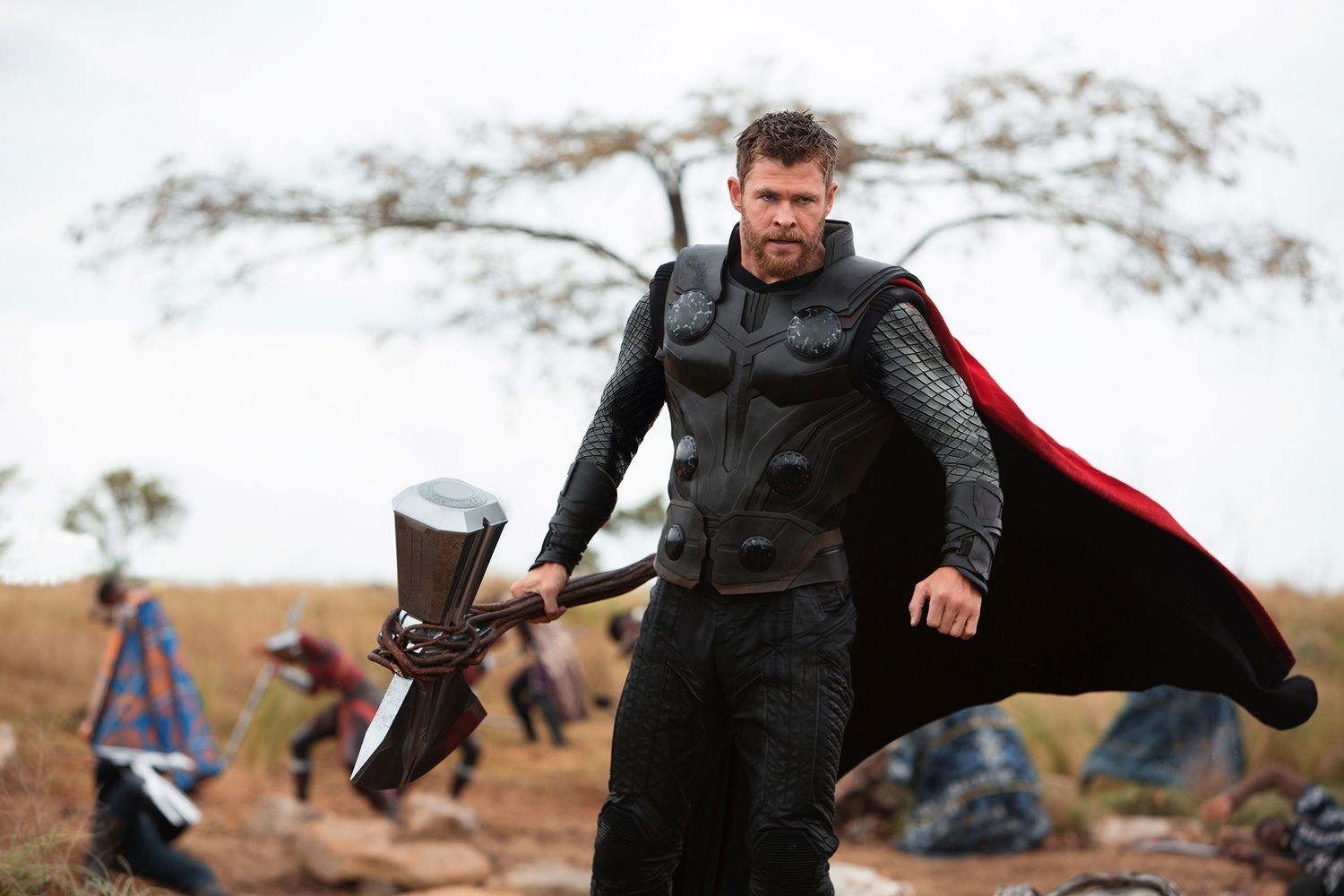
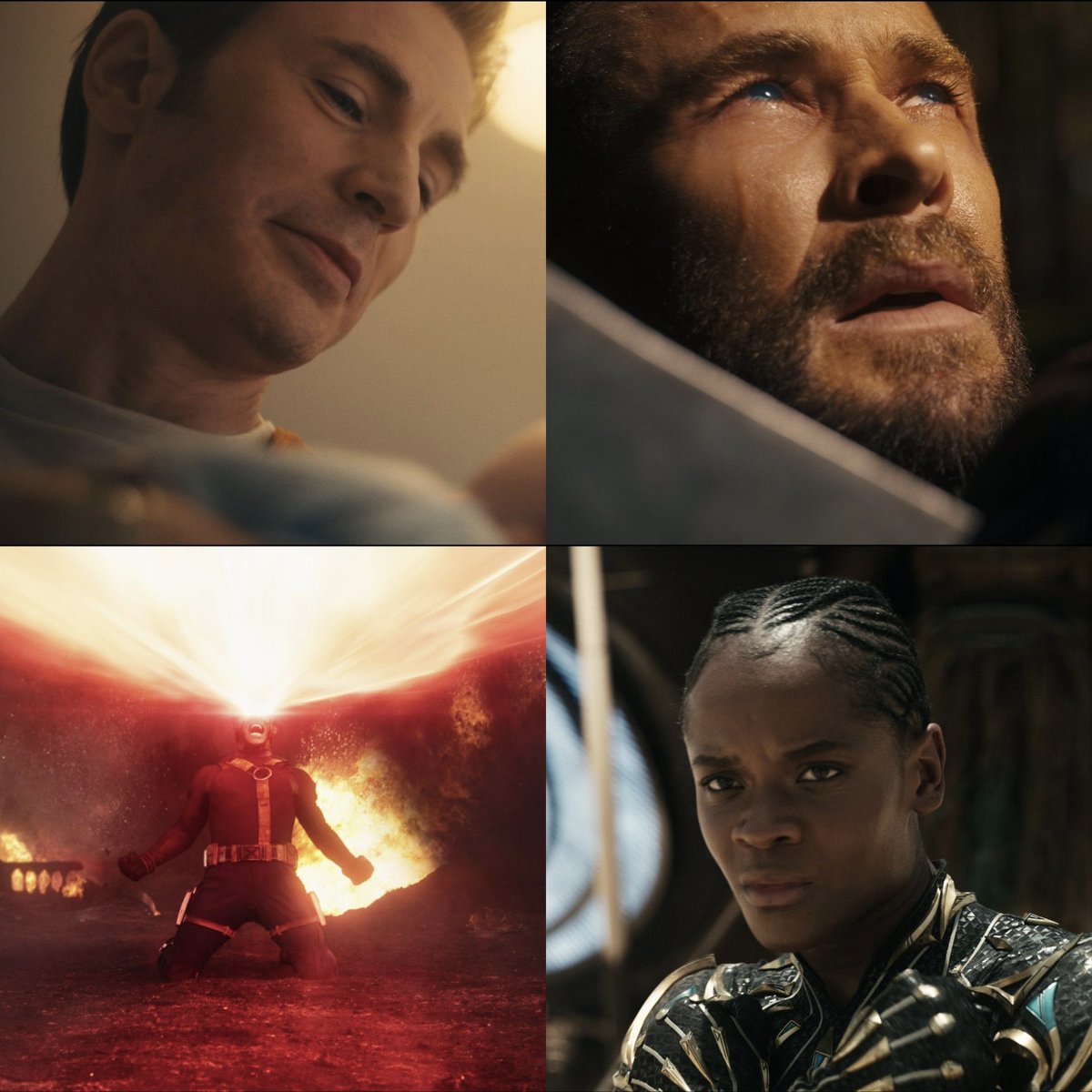
Avengers: Doomsday stands as a monumental pillar in the evolving landscape of the Marvel Cinematic Universe, bringing together a vast ensemble of heroes to confront an unprecedented existential threat. Understanding the roles, powers, and story functions of the characters in this massive crossover requires analyzing how legacy figures, cosmic entities, and new multiverse travelers intersect to shape the overarching narrative arc of the Multiverse Saga.
Narrative Context and Multiversal Setup
The foundation of Avengers: Doomsday builds directly upon the Multiverse Saga's expanding narrative threads, transitioning from isolated reality-hopping adventures into a concentrated collision of timelines. As incursions—the catastrophic overlapping of two universes where Earths must destroy each other or face mutual annihilation—accelerate, the fabric of reality grows increasingly fragile. Characters from disparate worlds, alternate timelines, and the primary Sacred Timeline find themselves forced onto a collision course.
Within this narrative architecture, the story function of the ensemble is designed to test the ideological and moral boundaries of heroism. Unlike previous team-ups where internal friction stemmed primarily from ego or philosophical disagreements over oversight, Avengers: Doomsday forces characters to weigh the survival of their specific home universe against the cosmic cost of multiverse preservation. This creates a complex web of motivations where traditional alignments blur, and characters must adopt unfamiliar strategic roles to counter a threat that transcends ordinary mortal comprehension.
Core Hero Roster: Roles and Tactical Functions
The primary line-up of heroes in Avengers: Doomsday bridges the gap between veteran Avengers and newly introduced multiverse protectors. Each character serves a distinct tactical function within the overarching operational structure of the team, balancing ranged versatility, frontline defense, and arcane utility.
- Frontline Strategists and Brawlers: Experienced leaders anchor the physical defense of the team, utilizing tactical coordination and combat mastery to manage chaotic battlefield conditions.
- Mystic and Cosmic Specialists: Characters wielding arcane arts or cosmic manipulation manage dimensional anomalies, reality-warping threats, and large-scale energy defense.
- Technological and Tactical Innovators: Geniuses and strategists provide predictive analytics, tactical hardware support, and counter-measures against advanced enemy machinery.
| Character Classification | Primary Tactical Role | Core Capability | Typical Story Function |
|---|---|---|---|
| Tactical Leaders | Battlefield Command | Strategic planning, resilience, hand-to-hand combat | Unifying disparate factions and making hard moral choices |
| Arcane/Cosmic Entities | Reality Stabilization | Spellcasting, energy projection, dimensional travel | Countering reality-warping threats and bridging worlds |
| Tech/Intel Operatives | Intelligence & Support | Advanced gadgetry, tactical analysis, hacking | Decoding enemy weaknesses and engineering defenses |
| Multiverse Travelers | Reconnaissance | Interdimensional navigation, tactical escape | Providing vital intel on alternate timelines and enemy movements |
The Antagonist Force and Narrative Disruption
The introduction of Victor von Doom as the central antagonist fundamentally alters the narrative dynamics of the film, shifting the story function from a conventional superhero clash to a battle against an intellectually and tactically supreme force. Unlike physical powerhouses who rely purely on brute strength, Doom combines master-level intellect, mastery of the mystic arts, and supreme technological innovation.
In Avengers: Doomsday, Doom’s story function is to expose the profound vulnerabilities of a divided multiverse. By exploiting the ideological fractures between different factions of heroes, he manipulates timelines and forces the ensemble into reactive postures. His powers—spanning advanced armor capabilities, devastating energy manipulation, and formidable sorcery—require the combined efforts of the entire roster, neutralizing individual advantages and forcing characters to rely on synergy, sacrifice, and unexpected alliances.
Multiversal Cross-overs and Legacy Integration
A defining feature of the film is the integration of legacy characters from outside the primary Marvel Cinematic Universe continuity. This multiversal crossover serves a precise story function: it tests whether heroes from entirely different cultural and historical cinematic backgrounds can establish unity under extreme duress.
Characters originating from alternate realities bring unique power sets, ranging from specialized cosmic awareness to distinct socio-political perspectives on heroism and authority. Their inclusion prevents the narrative from becoming a localized conflict, elevating the stakes to a planetary and dimensional scale. However, this integration also introduces friction, as differing codes of justice and operational methods clash during high-stress tactical engagements.
Character Power Scaling and Operational Limitations
To maintain narrative tension, the power sets of all featured characters are subject to rigorous operational limitations within the script. Cosmic and reality-warping entities face environmental and dimensional constraints that prevent immediate, effortless solutions to complex threats.
- Energy and Magic Depletion: Continuous use of advanced sorcery or cosmic energy taxes the physical endurance of the user, creating high-risk vulnerabilities during prolonged engagements.
- Technological Vulnerabilities: Tech-dependent heroes remain susceptible to electromagnetic interference, system overrides, and resource scarcity when operating outside established supply networks.
- Interdimensional Friction: Operating across unstable timelines introduces unpredictable physiological and psychological stress on characters not natively adapted to multiversal travel.
Strategic Recommendations for Following the Narrative
To fully appreciate the narrative complexity and character dynamics of Avengers: Doomsday, viewers should examine several foundational elements before viewing:
- Review Phase Four and Five Releases: Revisit key projects exploring the multiverse, incursions, and variant mechanics to understand the baseline rules governing the current saga.
- Track Character Arc Trajectories: Analyze how individual heroes have evolved from localized defenders to regional or cosmic leaders across previous cinematic entries.
- Examine Source Material Precedents: Look into classic comic book event arcs involving incursions and multiversal convergence to understand thematic parallels without expecting a direct adaptation.