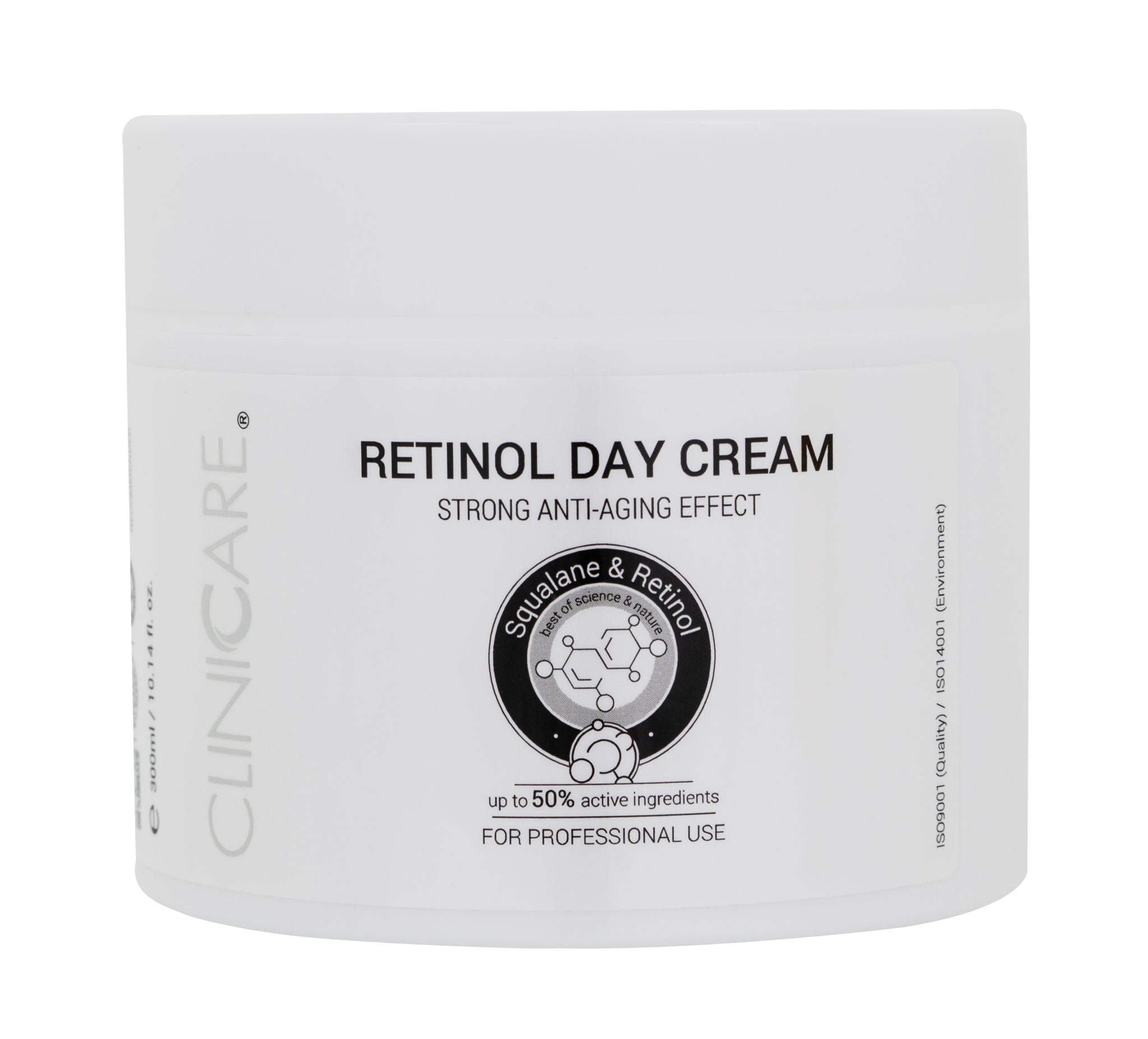
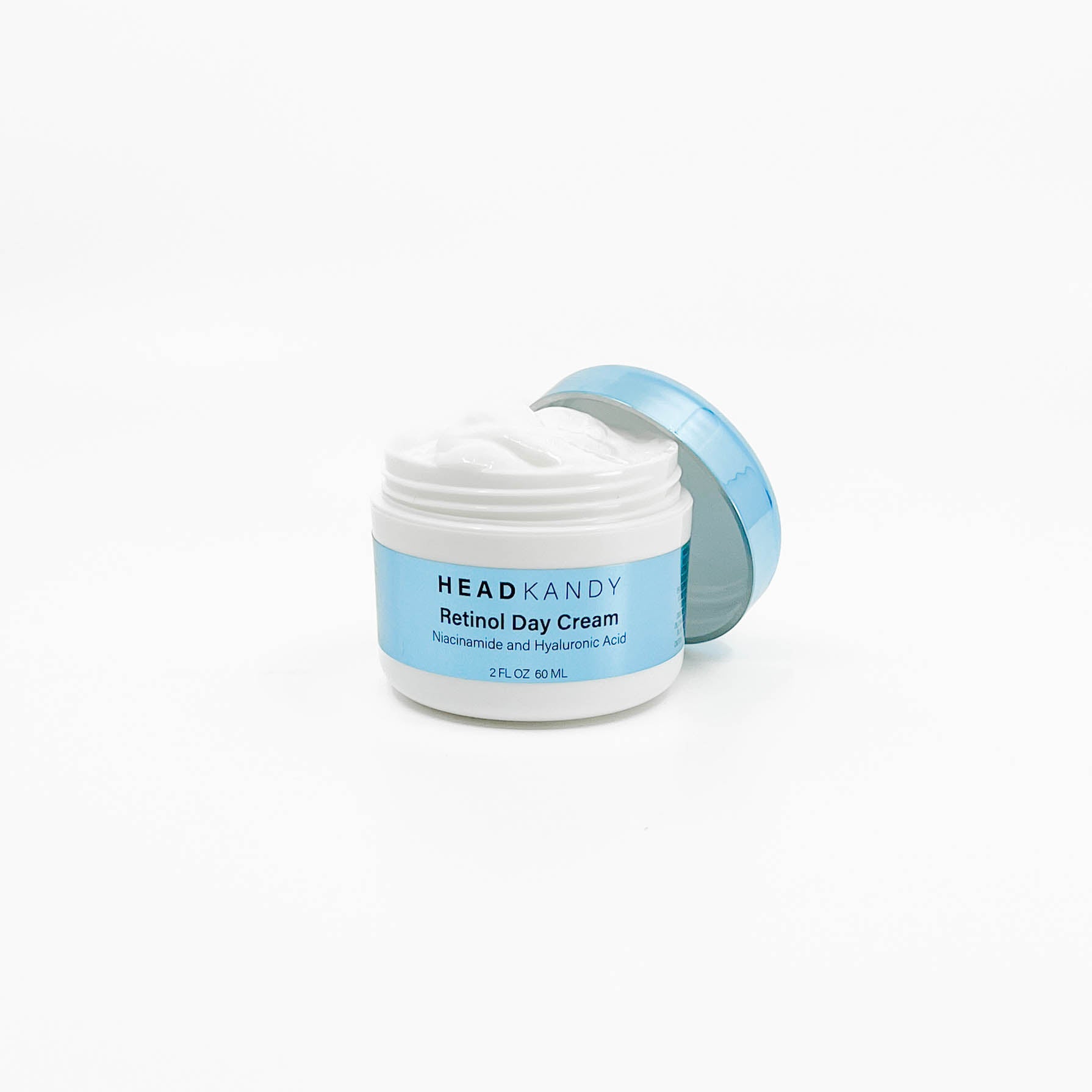
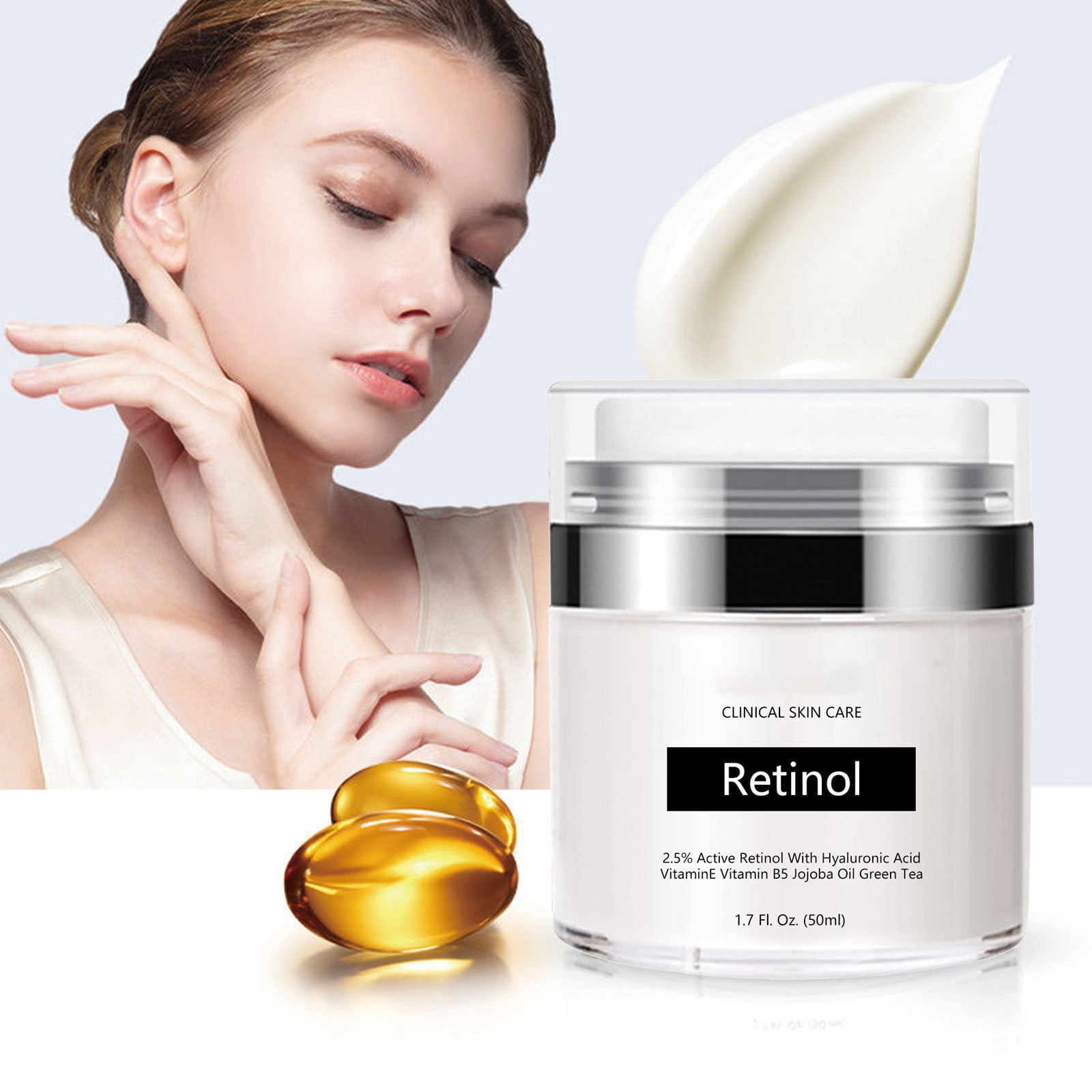
A retinol day cream delivers cell-turnover and anti-aging benefits during daytime hours by combining low-dose or encapsulated retinol with hydrating, barrier-supporting ingredients. To use it safely without risking UV degradation or skin irritation, daytime retinol must always be paired with broad-spectrum SPF 30 or higher and formulated in air-tight, photostable packaging.
Disclaimer: This guide is for educational purposes only and does not constitute formal medical or dermatological advice. Consult a board-certified dermatologist for personalized treatment plans regarding chronic skin conditions.
Retinol in the Daytime: Science, Stability, and Common Myths
For decades, the standard dermatological recommendation was to apply retinoids exclusively at night. This practice stemmed from two distinct pharmacological realities: photolability and photosensitivity. Pure retinol molecules break down rapidly when exposed to ultraviolet (UV) radiation, rendering un-stabilized formulas ineffective within minutes of sunlight exposure. Simultaneously, retinoids accelerate epidermal turnover, thinning the outermost stratum corneum temporarily and increasing the skin's vulnerability to sunburn.
Modern cosmetic chemistry has transformed how daytime retinoid formulations function. Advanced delivery systems—specifically micro-encapsulation and liposomal carrier vehicles—shield the retinol molecule from oxygen and light until it penetrates the upper epidermal layers. Encapsulation wraps active retinol in lipid capsules or polymer shells, controlling its release rate into the tissue while preventing immediate photolysis on the skin surface.
Additionally, non-prescriptive retinoid derivatives such as Hydroxypinacolone Retinoate (HPR) and low-concentration retinyl esters demonstrate superior stability under visible and ultraviolet light compared to traditional pure retinoic acid. According to clinical research published in the Journal of Cosmetic Dermatology, stabilized daytime retinoid systems combined with antioxidants effectively promote collagen synthesis while maintaining photostability.
- Daytime Retinol Dynamics:
- Dynamics 1:
- UV Radiation Exposure
- Encapsulated Shielding
- Slow Release
- Dynamics 2:
- Increased Cell Turnover
- Stratum Corneum Thinning
- SPF 30+
- Dynamics 1:
Using a retinol day cream requires understanding that daytime application does not replace nighttime repair; rather, it offers a milder, continuous delivery model suited for individuals who cannot tolerate potent evening retinoid treatments or who seek a streamlined morning routine.
Key Ingredients to Look For in a Daytime Retinol Formulation
Evaluating a daytime retinol formulation requires inspecting the full ingredient deck (INCI list) rather than focusing solely on the active concentration percentage. Because sun exposure, pollution, and environmental stressors peak during daylight hours, the surrounding vehicle matrix must neutralize oxidative stress while strengthening the skin barrier.
- Optimal Day Cream Ingredient Matrix:
- Encapsulated Retinol / Retinyl Esters (0.1-0.3%)
- Barrier Support:
- Ceramides (NP, AP, EOP)
- Hyaluronic Acid
- Squalane / Fatty Acids
- Antioxidants:
- Niacinamide (2-5%)
- Vitamin E (Tocopherol)
- Ferulic Acid
- Barrier Support:
- Encapsulated Retinol / Retinyl Esters (0.1-0.3%)
1. Photostable Retinoid Forms
Look for ingredients labeled as encapsulated retinol, Hydroxypinacolone Retinoate (HPR), or retinyl palmitate. Encapsulated forms release the active agent over several hours, minimizing the immediate inflammatory response often triggered by traditional retinol when exposed to daylight.
2. Barrier-Restoring Lipids
Cell turnover induced by retinoids can temporarily disrupt intercellular lipid bilayers. A high-quality day cream counters this with lipid-replenishing agents:
- Ceramides (NP, AP, EOP): Synthesize essential structural lipids to lock in hydration.
- Squalane: A biomimetic hydrocarbon that prevents transepidermal water loss (TEWL) without clogging pores.
- Cholesterol and Free Fatty Acids: Work synergistically with ceramides to rebuild the natural skin barrier.
3. Antioxidant Synergy
Sunlight generates free radicals through photo-oxidation. Pairing retinol with antioxidants enhances cellular protection and preserves active stability. Look for niacinamide (Vitamin B3) at 2% to 5% concentrations, which mitigates retinol-induced redness, along with tocopherol (Vitamin E) and ferulic acid.
4. Broad-Spectrum UV Filters
Some daytime retinol creams incorporate integrated organic or inorganic sunscreens. If a day cream does not carry an explicit broad-spectrum SPF rating of 30 or higher, a dedicated sunscreen must be layered over the moisturizer. Guidelines from the American Academy of Dermatology emphasize that broad-spectrum sun protection is mandatory whenever topical retinoids are incorporated into a skincare regimen.
Day Cream vs. Night Cream: Formulation and Function Comparison
Understanding the structural differences between daytime and nighttime retinoid products prevents accidental barrier disruption, contact dermatitis, or accelerated sun damage.
| Characteristic | Retinol Day Cream | Retinol Night Cream |
|---|---|---|
| Primary Objective | Hydration, environmental protection, mild turnover | Intensive cellular repair, matrix regeneration |
| Retinoid Concentration | Low to moderate (typically 0.05% – 0.3%) | Moderate to high (typically 0.3% – 1.0%+) |
| Retinoid Delivery | Micro-encapsulated, photostable derivatives | Pure retinol, retinaldehyde, or prescription retinoic acid |
| Texture & Finish | Lightweight, fast-absorbing, non-greasy under makeup | Rich, emollient, occlusive |
| Antioxidant Profile | Focus on photo-protection (Niacinamide, Vitamin E) | Focus on recovery (Peptides, Growth Factors, Melatonin) |
| UV Protection | Integrated SPF 30+ OR formulated for sunscreen layering | None (contains photo-sensitive ingredients) |
| Photosensitivity Risk | Managed via photostable delivery & required SPF | Elevated if morning sun protection is omitted |
How to Incorporate a Retinol Day Cream into Your Daily Routine
To maximize anti-aging benefits while eliminating irritation, apply your retinol day cream using a structured, step-by-step layering protocol.
Morning Application Sequence:
- Step 1: Gentle Cleansing (pH-Balanced)
- Step 2: Hydrating Serum or Toner (Water-Based)
- Step 3: Retinol Day Cream (Pea-Sized Amount)
- Step 4: Broad-Spectrum Sunscreen (If not in Day Cream)
- Step 5: Cosmetic Application (Wait 3-5 mins)
Step 1: Gentle Cleansing
Wash the face with a mild, non-foaming, pH-balanced cleanser. Avoid physical exfoliants, facial scrubs, or strong alpha-hydroxy acid (AHA) cleansers in the morning, as combining them with daytime retinol increases skin sensitivity.
Step 2: Hydrating Serum or Toner (Optional)
Apply a lightweight, water-based serum containing hyaluronic acid, glycerin, or panthenol to damp skin. Allow the surface moisture to absorb fully before applying the retinoid product; applying retinoids directly to damp skin can accelerate absorption speed and increase localized stinging.
Step 3: Retinol Day Cream Application
Dispense a pea-sized amount of daytime retinol cream for the entire face. Distribute the product evenly across the forehead, cheeks, nose, and chin. Smooth outward using gentle, upward strokes. Avoid immediate placement on the upper eyelids, outer corners of the eyes, and nasal folds where tissue is delicate and prone to irritation.
Step 4: Broad-Spectrum Sun Protection
If your day cream does not contain integrated SPF 30+, wait 2 to 3 minutes for the cream to form a film, then apply a generous layer (approximately 1/4 teaspoon for the face) of dedicated broad-spectrum broad-spectrum sunscreen. Choose mineral (zinc oxide, titanium dioxide) or modern chemical filters depending on personal preference.
Step 5: Cosmetic Application
If wearing cosmetics, wait 3 to 5 minutes after sunscreen application to allow the protective layer to set. Apply primers and foundations using gentle pressing motions rather than aggressive rubbing to keep the underlying lipid and sunscreen film intact.
Managing Side Effects: Retinization, Barrier Repair, and Sun Sensitivity
Introducing any retinoid to the epidermis triggers a adjustment phase known as retinization. During this initial 2-to-6-week window, cell turnover accelerates faster than the stratum corneum can shed evenly, leading to distinct physiological responses.
- Retinization Adaptation Phase:
- Week 1-2: Mild Flaking/Dryness
- Action: Use Sandwich Technique
- Week 3-4: Transitional Tolerance
- Action: Adjust Frequency
- Week 5-6+: Improved Texture
- Action: Maintain Routine
- Week 1-2: Mild Flaking/Dryness
Navigating Common Retinoid Responses
- Erythema and Desquamation (Redness and Peeling): Accelerated exfoliation can cause superficial shedding. If peeling occurs, reduce application to every other day. Incorporate the "sandwich method"—applying a base layer of plain hyaluronic serum or ceramide lotion before the retinol day cream.
- Purging vs. Allergic Contact Dermatitis: Retinol accelerates micro-comedone development into active blemishes, resulting in temporary purging in areas where breakouts routinely occur. However, widespread itching, hives, or swelling indicates contact allergy or barrier degradation, requiring immediate discontinuation.
- Photosensitivity Reactions: If skin develops exaggerated redness or heat after minimal sun exposure, the current UV protection layer is insufficient. Increase sunscreen re-application frequency to every two hours when outdoors.
For detailed guidelines on managing retinoid side effects and understanding barrier function, review clinical guidance from the National Center for Biotechnology Information (NCBI).
Selecting the Right Retinol Day Cream for Your Skin Type
Retinol day creams vary significantly in emulsion style, emollients, and active concentrations. Matching the product matrix to your skin's physiological needs ensures optimal compliance and results.
| Skin Type | Recommended Formulation |
|---|---|
| DRY / MATURE | Rich Emulsion (Ceramides, Squalane, Shea) |
| OILY / ACNE-PRONE | Fluid Gel-Cream (Niacinamide, Silica, HPR) |
| SENSITIVE / ROSACEA | Micro-encapsulated (0.05-0.1%, Bisabolol) |
Dry and Mature Skin
Dry skin types lack sufficient natural sebum production, compounding retinoid-induced tightness.
- Target Texture: Heavy cream or rich emulsion containing squalane, shea butter, and ceramides.
- Active Profile: Encapsulated retinol combined with hyaluronic acid and peptides.
Oily and Combination Skin
Oily skin types require lightweight vehicles that deliver actives without clogging pores or leaving a heavy finish under morning sunlight.
- Target Texture: Oil-free fluid, gel-cream, or lotion with a matte finish.
- Active Profile: Hydroxypinacolone Retinoate (HPR) paired with niacinamide or silica to regulate sebum production.
Sensitive and Reactive Skin
Sensitive skin requires low retinoid concentrations paired with anti-inflammatory botanical extracts and barrier-identical lipids.
- Target Texture: Medium-weight soothing lotion free of synthetic fragrances and essential oils.
- Active Profile: Ultra-low concentration encapsulated retinol (0.05% to 0.1%) reinforced with colloidal oatmeal, allantoic acid, or bisabolol.
Frequently Asked Questions About Retinol Day Cream
Can I wear retinol during the day if I don't use sunscreen?
No. Using any retinoid product without diligent, broad-spectrum sunscreen exposure dramatically increases the risk of sunburn, hyperpigmentation, and premature photoaging. Retinoids increase epidermal sensitivity to UV light; omitting sunscreen cancels out anti-aging benefits and can damage the skin barrier.
How does encapsulated retinol differ from standard retinol in day creams?
Encapsulated retinol places the active molecule within a microscopic liposomal or polymeric shell. This structural barrier protects the retinol from decomposing when exposed to ambient light and air, while slowing down its delivery into the skin to reduce irritation compared to unencapsulated retinol.
Can I combine a daytime retinol cream with Vitamin C?
Combining standard L-ascorbic acid (pure Vitamin C) directly with retinol in the same morning application step can cause severe redness and irritation due to conflicting pH requirements and cumulative active intensity. However, you can safely use stable, non-acidic Vitamin C derivatives (such as Tetrahexyldecyl Ascorbate or Sodium Ascorbyl Phosphate) alongside mild, encapsulated daytime retinoids, provided your skin tolerates the combination.
Is a daytime retinol cream safe for sensitive skin?
Yes, provided you choose a formula explicitly engineered for sensitive skin containing low concentrations of encapsulated retinol (0.05% to 0.1%) alongside anti-inflammatory ingredients like niacinamide, ceramides, or allantoin. Start by applying the product twice weekly, gradually increasing frequency as tolerance develops.
How long does it take to see visible results from a retinol day cream?
Because daytime retinol creams generally use lower, controlled-release concentrations to prioritize safety and comfort under sun exposure, visible improvements in skin texture, fine lines, and radiance typically take 8 to 12 weeks of consistent daily use.
Strategic Actions for Integrating Daytime Retinol Safely
Integrating a retinol day cream into your morning routine requires a deliberate approach focused on sun protection and barrier stability. Follow these practical steps to optimize your results:
- Verify Packaging Integrity: Choose retinol day creams packaged in opaque, airless pump dispensers rather than open-mouth jars. Exposure to atmospheric oxygen and light rapidly degrades active retinoids inside jar packaging.
- Perform a Patch Test: Apply a pea-sized amount of the day cream to the inner forearm or behind the ear for three consecutive days. Monitor for localized edema, rash, or intense burning before applying it to the face.
- Establish an Escalation Schedule: Begin by applying the day cream every third morning for two weeks. If no desquamation or erythema occurs, increase usage to every other morning for two weeks before transitioning to daily morning application.
- Audit Your Morning Actives: Remove high-strength alpha-hydroxy acids (glycolic or lactic acid), beta-hydroxy acids (salicylic acid), and benzoyl peroxide from your morning routine to avoid compounding skin sensitivity.
- Enforce Sun Protection Rules: Pair your day cream with a dedicated broad-spectrum SPF 30 or higher sunscreen, applying 1/4 teaspoon for the face and reapplying every two hours during direct outdoor activity.