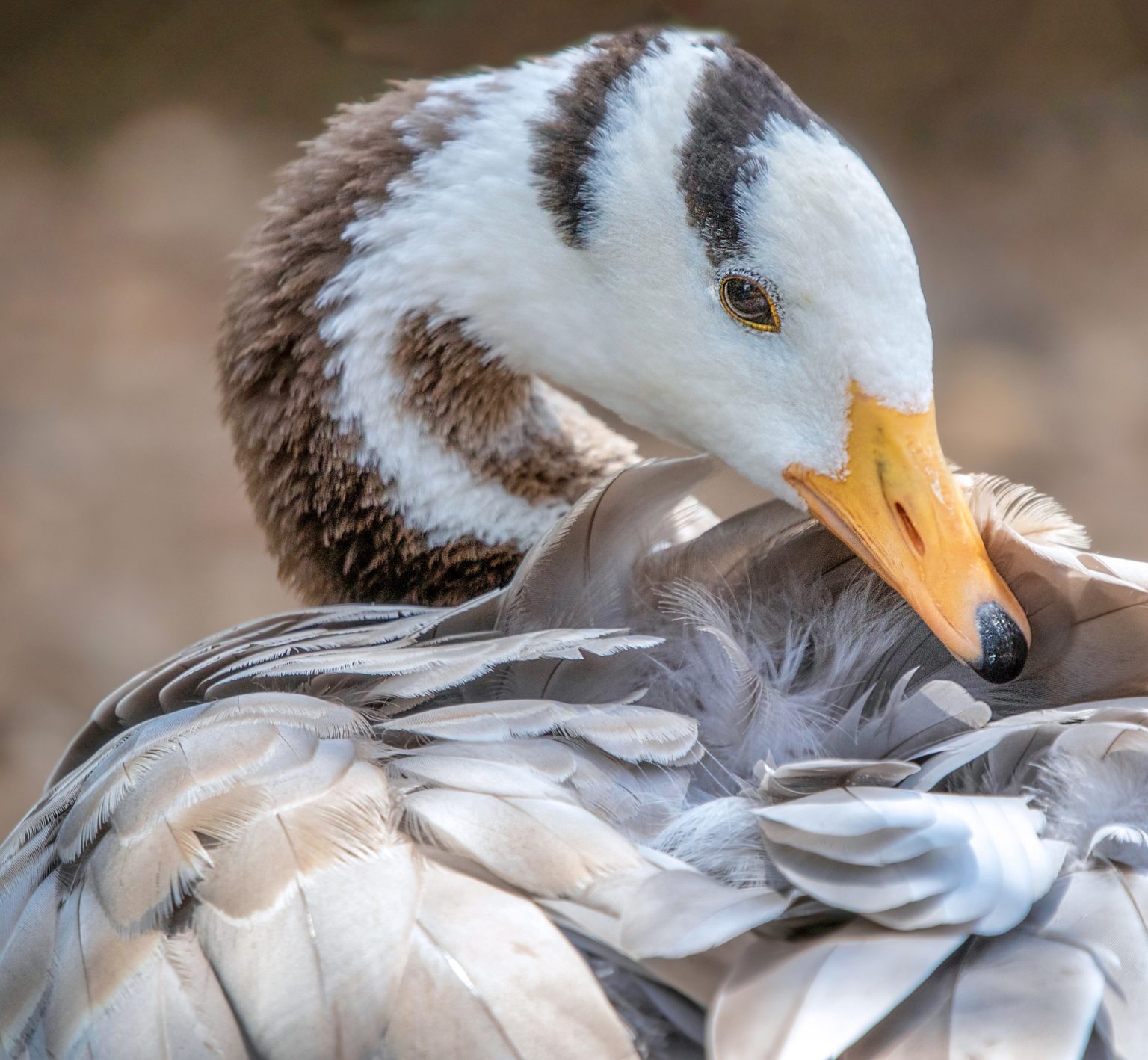
Earth harbors extraordinary biological diversity, and certain living organisms possess anatomical structures and survival adaptations so bizarre that they rival science fiction. These real species challenge our standard perceptions of what a living creature should look like or how it should function, displaying biological traits that completely defy conventional earthly expectations.
Unraveling the Evolutionary Marvels of Deep-Sea and Terrestrial Oddities
To understand why certain animals look and act like creatures from another world, one must examine the extreme selective pressures of their habitats. Deep-sea environments, subterranean caverns, and isolated ecosystems force organisms down radical evolutionary pathways. Features that seem eccentric to human observers—such as transparent heads, glass skeletons, or complete lack of pigmentation—are actually hyper-specialized adaptations for survival in pitch darkness, intense pressure, or extreme resource scarcity.
Natural selection does not optimize for aesthetic familiarity; it optimizes for survival and reproduction. When organisms occupy ecological niches with minimal light, crushing hydrostatic pressure, or volatile chemical gradients, standard anatomical blueprints are discarded. Appendages elongate, sensory organs morph into chemical detectors, and metabolic rates drop to fractions of normal levels. The resulting life forms showcase the limitless flexibility of terrestrial and aquatic evolution, proving that nature frequently outinvents human imagination.
Marine Phantoms: The Barreleye Fish and Glass Frogs
Aquatic environments hold some of the most surreal examples of biological transparency and unconventional sensory design. The Barreleye fish (Macropinna microstoma) possesses a transparent, fluid-filled dome on its head through which its tubular, green-tinted eyes can be seen rotating inside. This structural adaptation allows the fish to detect the silhouettes of prey swimming overhead against the faint downward glimmer of surface light while maintaining forward vision.
Similarly, glass frogs of the family Centrolenidae feature translucent abdominal skin that reveals their beating hearts, gastrointestinal tracts, and vascular networks. This transparency acts as a form of physiological camouflage, diffusing the frog's silhouette against leafy backgrounds when resting in the rainforest canopy.
Another marvel of evolutionary engineering is the blue dragon sea slug (Glaucus atlanticus). Floating upside down via a gas-filled sac in its stomach, this pelagic nudibranch displays a striking counter-shaded body of brilliant blue and silvery-grey. It preys on highly venomous siphonophores like the Portuguese man o' war, sequestering their stinging cells within its own finger-like cerata to use as a deterrent against predators. These marine organisms operate under physical constraints entirely foreign to land-dwelling mammals, resulting in structural mechanics that continuously astonish marine biologists.
| Species Name | Primary Habitat | Extraordinary Adaptation | Evolutionary Purpose |
|---|---|---|---|
| Barreleye Fish | Deep ocean (Mesopelagic zone) | Transparent head shield with rotating tubular eyes | Detects prey silhouettes overhead in perpetual twilight |
| Glass Frog | Neotropical rainforest canopies | Translucent ventral skin and muscle tissue | Diffuses body outline against foliage to evade predators |
| Blue Dragon Sea Slug | Open ocean surface currents | Sequestered stinging cells and counter-shading | Defense against pelagic predators while feeding |
| Axolotl | High-altitude freshwater lakes | Neoteny (retains larval gills through adulthood) | Permanent aquatic survival without completing metamorphosis |
Subterranean and Extreme Terrestrial Adaptations
Moving away from the open ocean, terrestrial and freshwater environments house organisms with developmental loops and metabolic strategies that seem equally extraterrestrial. The axolotl (Ambystoma mexicanum) is a prime example of neoteny—a condition where an animal reaches sexual maturity while retaining its juvenile, larval characteristics. Unlike most amphibians, axolotls do not undergo metamorphosis to crawl onto land; they keep their feathery, external gills and spend their entire lives swimming in aquatic systems, paired with an extraordinary capacity to regenerate limbs, spinal cord tissue, and sections of the heart.
In subterranean ecosystems, creatures like the blind cave eel and various cave-dwelling troglobites have completely lost their eyes and skin pigmentation due to generations of living in total darkness. Their sensory reliance shifts entirely toward mechanoreceptors, lateral-line systems, and hyper-sensitive olfactory organs. These organisms demonstrate how evolutionary progress often involves subtraction rather than addition, discarding energetically expensive structures that provide no survival benefit in pitch-black subterranean chambers.
Biological Mechanisms Behind Bizarre Anatomies
The physical existence of these peculiar animals relies on specialized biological mechanisms that operate outside standard mammalian or avian physiology. Understanding these systems requires looking at cellular structures, biochemical pathways, and structural proteins that allow organisms to endure conditions that would prove fatal to most life forms.
Bioluminescence is one such mechanism, heavily utilized by deep-sea fauna like anglerfish and comb jellies. By engaging in a chemical reaction involving luciferin and the enzyme luciferase, these animals generate their own cold light. This light is used for communication, attracting mates, or luring unsuspecting prey within range of specialized jaws.
Another remarkable mechanism is found in extremophiles and organisms possessing extreme regeneration genetics. The cellular signaling cascades that allow an axolotl to reconstruct a missing jaw or limb involve blastema formation—a mass of undifferentiated cells that can redifferentiate into bone, muscle, and nerve tissue. Unlocking the genetic switches behind these processes remains a primary focus of modern biomedical research, as scientists seek to translate these regenerative blueprints into human medicine.
Evaluating Reality Versus Speculation in Cryptic Biology
When observing images or footage of rare species, distinguishing between authentic biological adaptations and sensationalized online myths is essential for scientific literacy. The deep sea and dense rainforests continue to harbor undiscovered species, but sensationalism often exaggerates normal biological processes into pseudo-scientific claims about extraterrestrial origins.
Zoological research relies on peer-reviewed taxonomy, genetic sequencing, and morphological examination to classify every newly discovered organism within the tree of life. While these animals possess traits that defy casual human expectation, every single one shares a common terrestrial ancestor and operates according to the established laws of biochemistry, cellular replication, and evolutionary biology.
Practical Steps for Supporting and Protecting Unique Ecosystems
Preserving these unusual species requires active engagement with conservation initiatives, sustainable environmental practices, and habitat protection policies. Because many of these organisms occupy narrow, specialized niches, they are exceptionally vulnerable to anthropogenic changes such as ocean acidification, deep-sea trawling, and rainforest deforestation.
- Research and Education: Consult academic databases, peer-reviewed journals, and verified zoological institutions to study authentic wildlife behaviors rather than relying on unverified viral media.
- Support Conservation NGOs: Contribute to or follow organizations dedicated to deep-sea protection, freshwater conservation, and rainforest preservation to safeguard fragile habitats.
- Minimize Environmental Impact: Reduce single-use plastics and carbon outputs to help mitigate the broader shifts affecting marine temperatures and chemical balances.
- Promote Sustainable Seafood: Choose certified sustainable seafood options to reduce the collateral damage of commercial fishing gear on fragile pelagic and benthic ecosystems.
Frequently Asked Questions
Are these alien-like animals actually related to species on land?
Yes, every known animal on Earth shares a common evolutionary ancestor. Despite their bizarre appearances and extreme adaptations, creatures like the barreleye fish and axolotl belong firmly within the terrestrial tree of life, governed by the same DNA and cellular structures as more familiar animals.
Why do deep-sea animals often look transparent or gelatinous?
Transparency and gelatinous body compositions are adaptations to extreme pressure and resource scarcity. In the deep ocean, water pressure is immense, and building heavy bone structures or dense muscle requires immense energy. Gelatinous bodies provide neutral buoyancy and require less metabolic energy to maintain.
How do glass frogs protect their internal organs if their skin is see-through?
Glass frogs concentrate and pack their red blood cells inside their livers when resting, which helps minimize blood circulation visibility and maintains their camouflage. Researchers discovered that this process prevents the blood from pooling and coagulating while they are stationary on leaves.
Can axolotls regenerate any part of their bodies?
Axolotls possess an unmatched capacity for tissue regeneration. They can fully regenerate lost limbs, portions of their brains, spinal cords, heart muscle, and ocular tissue without developing scar tissue, making them a cornerstone organism for regenerative medicine research.
Where can I observe these rare species responsibly?
Most of these fragile species cannot survive in standard public aquariums due to their strict pressure, temperature, and chemical requirements. Observing them is best achieved through documentaries produced by marine research organizations or through academic field studies.
Conservation Actions for Rare Marine and Terrestrial Habitats
Protecting the most bizarre and specialized organisms on Earth demands a concerted global commitment to habitat conservation. As industrial expansion, climate shifts, and pollution continue to encroach upon deep-sea trenches, remote cave systems, and untouched rainforest canopies, countless undiscovered or fragile species face premature extinction before science can fully document them. Supporting marine protected areas, enforcing strict regulations against destructive deep-sea bottom trawling, and advocating for robust international conservation agreements remain the most effective methods to ensure these earthly marvels endure for future generations.