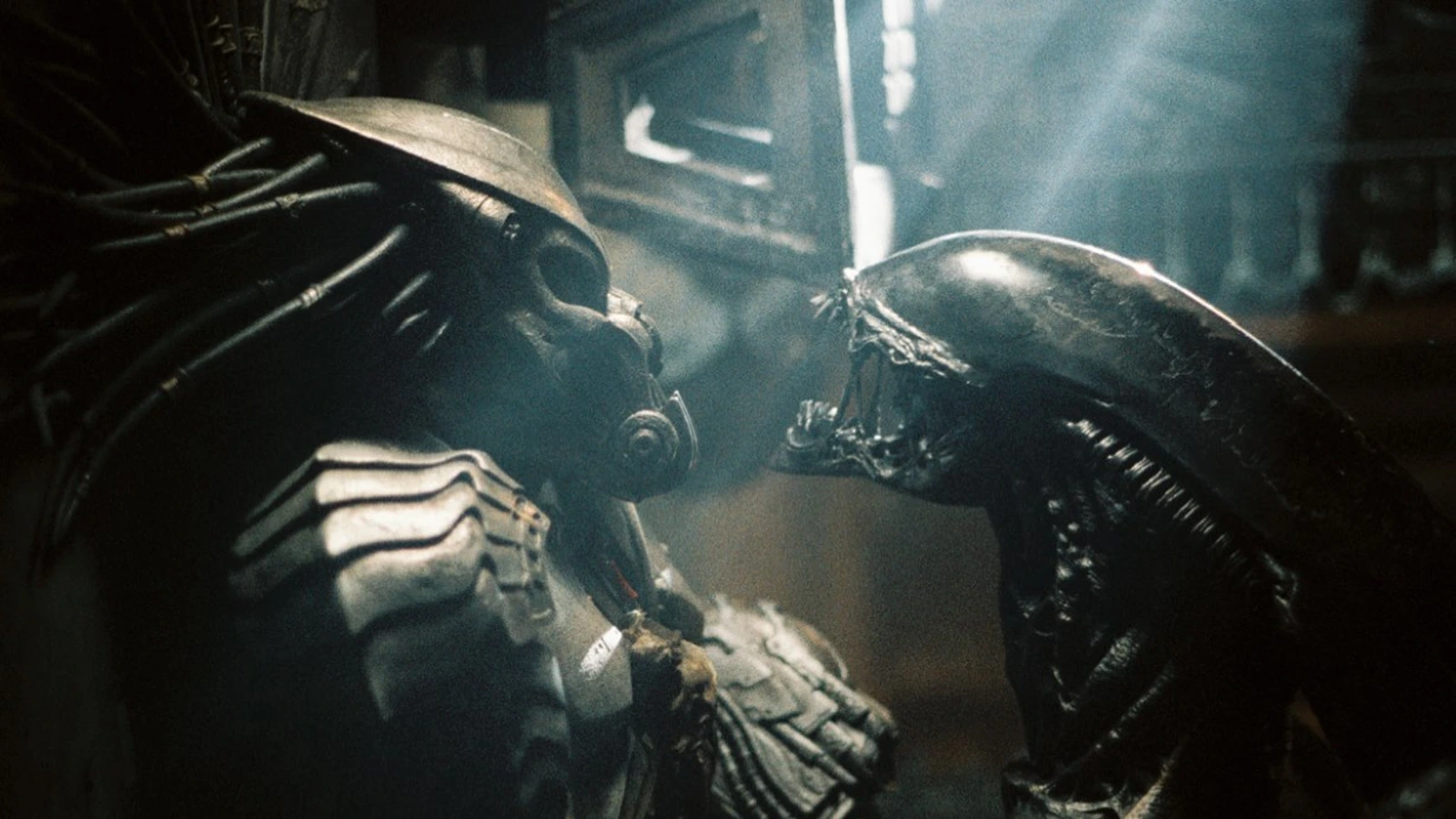
Navigating the complex lore, media chronology, and crossover universes of the Xenomorph and Yautja franchises requires a structured framework. This ultimate guide to the galactic hunt examines the definitive chronological and release-order approaches to films, comics, novels, and video games featuring these iconic extraterrestrial species, providing fans with a comprehensive roadmap for exploring the expanded universe.
The science fiction and horror landscapes changed forever with the introduction of Ridley Scott’s Alien in 1979 and John McTiernan’s Predator in 1987. Although these two cinematic properties began as entirely separate intellectual properties produced by 20th Century Fox, their shared DNA under Dark Horse Comics eventually catalyzed a massive cross-media empire. Understanding the alien predator order means examining how these universes collide, separate, and expand across different mediums, including feature films, comic book series, prose novels, and interactive media. This guide breaks down the essential timelines, offering clarity on how to consume the content for maximum narrative coherence.
Understanding the Two Universes and Their Shared Foundations
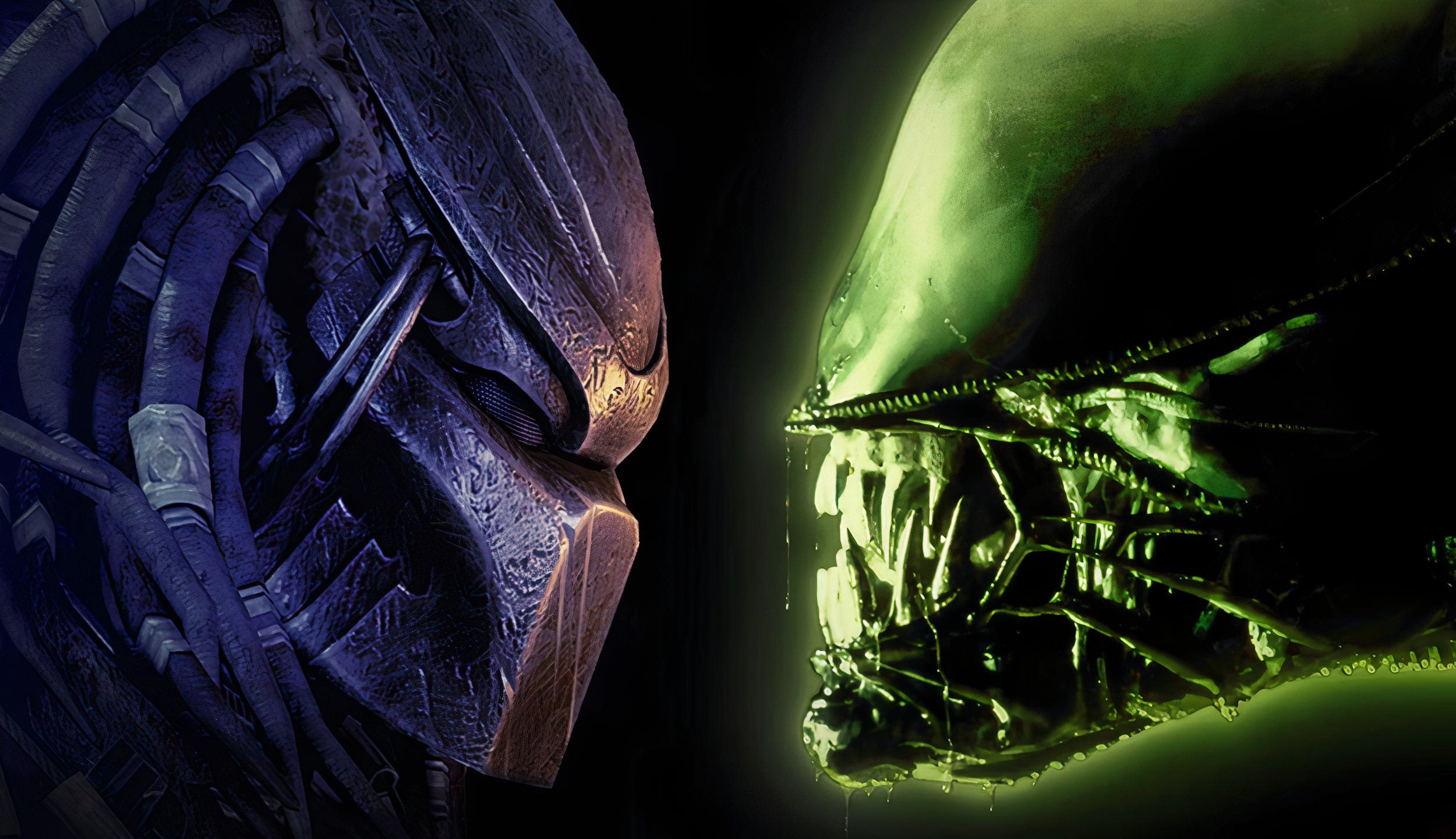
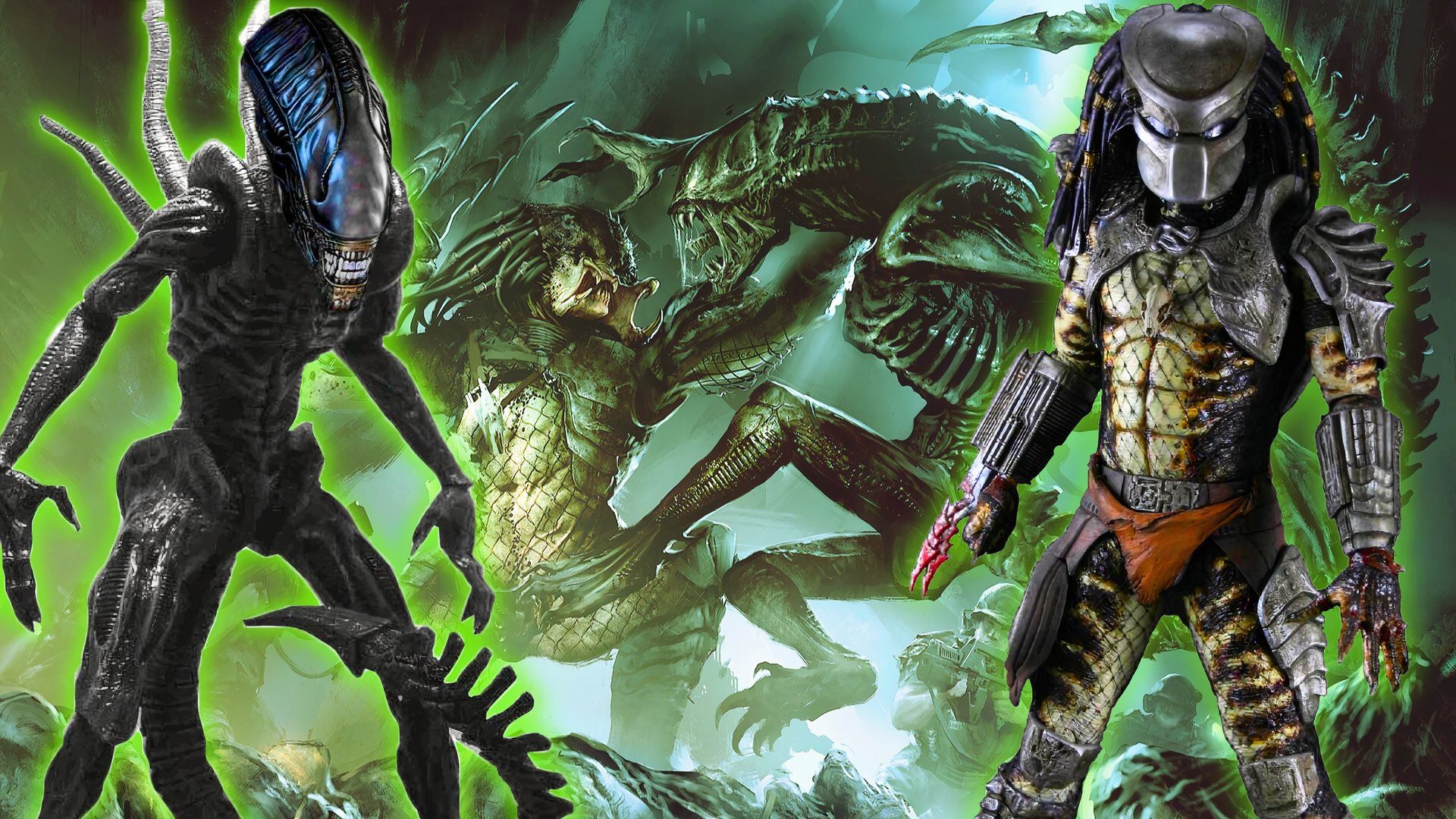
Before exploring any crossover material, it is vital to establish the distinct characteristics of the two primary species that drive the galactic hunt. The Xenomorph—commonly referred to simply as the Alien—is a lethal, endoparasitoid extraterrestrial lifeform characterized by its eusocial hive structure, acid for blood, and lack of higher technological civilization. Conversely, the Yautja—commonly known as the Predator—are a sentient, humanoid species possessing advanced interstellar travel technology, cloaking devices, plasma casters, and a deeply ingrained ritualistic culture centered around hunting dangerous prey for sport and honor.
The intersection of these two franchises occurred initially on the printed page before migrating to the silver screen. In 1989, Dark Horse Comics published the first Aliens vs. Predator comic book series, written by Steve Perry and illustrated by Randy Stradley. This publication established the foundational lore that these apex predators frequently crossed paths, with the Yautja utilizing Xenomorphs as the ultimate training exercise for young blood hunters. Recognizing the commercial viability of this crossover, studio executives eventually developed feature film adaptations that brought the concept to mainstream audiences.
Evaluating these franchises requires distinguishing between internal chronological order—the timeline within the fictional universe—and release order. While release order allows viewers and readers to experience the narrative evolution of special effects and storytelling tropes as they developed in the real world, chronological order offers a linear perspective of historical events within the fictional universe.
Cinematic Chronology: The Internal Timeline of the Galactic Hunt
For viewers wishing to watch the films in the order that historical events unfold within the fictional universe, the viewing path diverges significantly from the order of theatrical release. The timeline spans from the early 21st-century encounters on Earth to the distant interstellar future of human space exploration and terraforming initiatives.
The modern cinematic timeline begins with the Alien prequel films, which establish the origins of human space travel, android engineering, and the creation of the Xenomorph organism. Prometheus (2012) is set in the year 2089 and follows a team of archaeologists who discover a star map leading them to the distant moon LV-223, where they encounter the Engineers—the ancient alien creators of humanity. This is followed directly by Alien: Covenant (2017), set in the year 2104, which chronicles the fate of the colony ship Covenant and the further genetic experiments conducted by the synthetic David 8.
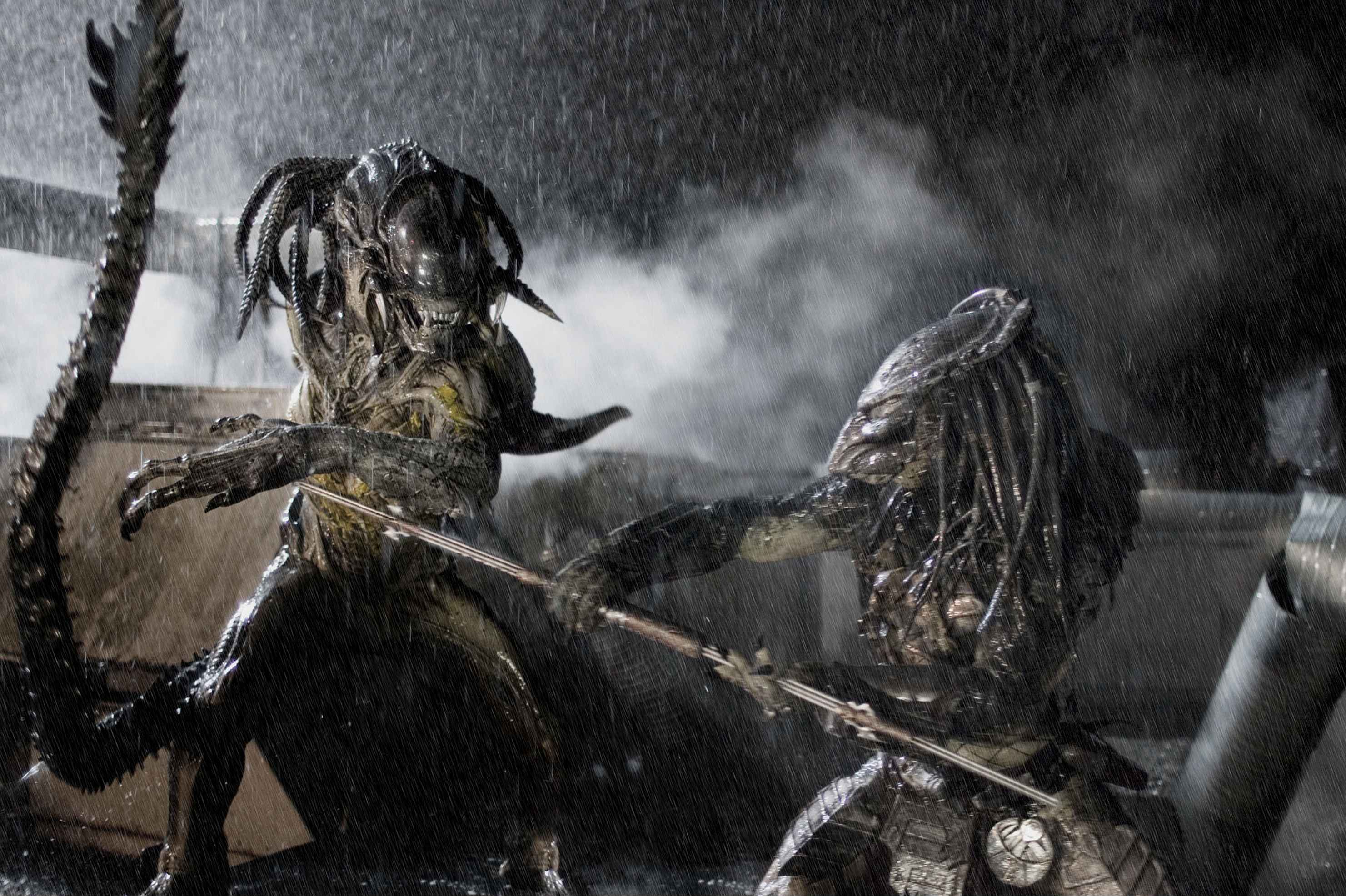
The crossover films, which represent the heart of the "alien predator order," are set in the early 21st century and operate as a distinct sub-continuity relative to the later Alien entries. Alien vs. Predator (2004) takes place in 2004 beneath the ice of Bouvetøya Island in Antarctica, where an industrial expedition uncovers an ancient Yautja training pyramid. Its sequel, Aliens vs. Predator: Requiem (2007), picks up immediately after the events of the first film, depicting a crashed Scout Ship in the forests of Gunnison, Colorado.
| Film Title | Release Year | Fictional Setting | Primary Franchise Focus |
|---|---|---|---|
| Alien vs. Predator | 2004 | 2004 | Crossover / Earth Antarctica |
| Aliens vs. Predator: Requiem | 2007 | 2004 | Crossover / Colorado, USA |
| Prometheus | 2012 | 2089 | Alien Prequel / LV-223 |
| Alien: Covenant | 2017 | 2104 | Alien Prequel / Origae-6 Path |
| Alien | 1979 | 2122 | Original Alien / Nostromo |
| Alien Romulus | 2024 | 2142 | Interquel / Renaissance Station |
| Aliens | 1986 | 2179 | Military Sci-Fi / LV-426 |
| Alien 3 | 1992 | 2179 | Survival Horror / Fiorina 161 |
| Alien Resurrection | 1997 | 2381 | Genetic Experimentation / Auriga |
| Predator | 1987 | 1987 | Original Predator / Central America |
| Predator 2 | 1990 | 1997 | Urban Hunt / Los Angeles |
| Predators | 2010 | 2010s | Game Preserve Planet |
| Prey | 2022 | 1719 | Historical Hunt / Great Plains |
| The Predator | 2018 | 2018 | Suburban Hunt / Georgia |
Following the crossover and prequel eras, the timeline moves into the classic Alien continuity. Ridley Scott’s original masterpiece Alien (1979) occurs in 2122, detailing the grim fate of the commercial towing vehicle Nostromo. Fede Álvarez’s Alien: Romulus (2024) is set in 2142, positioning itself between the events of Alien and James Cameron’s action-oriented sequel Aliens (1986), which takes place in 2179. The timeline concludes with Alien 3 (1992) and Alien Resurrection (1997), the latter of which extends deep into the 24th century.
Simultaneously, the standalone Predator films occupy their own historical progression. Dan Trachtenberg’s critically acclaimed Prey (2022) establishes the earliest recorded Yautja hunt on Earth, taking place in 1719 within the Comanche Nation. This is followed by the original Predator (1987) set in the Central American jungles, Predator 2 (1990) set in a heatwave-stricken Los Angeles of 1997, Predators (2010) on a remote alien game preserve, The Predator (2018), and the upcoming historical entries exploring further encounters across human history.
Expanding the Hunt: Comics, Novels, and Video Games
While cinematic releases form the backbone of public awareness, the literary and interactive media expansions offer the most comprehensive exploration of the galactic hunt. Dark Horse Comics maintained the publication rights for decades, producing hundreds of issues that explored what happened after the films. Key comic arcs such as Aliens vs. Predator: War, Aliens vs. Predator: Three World War, and various standalone crossover miniseries fleshed out the military-industrial complex of Weyland-Yutani, the sociopolitical structure of human colonies, and the rigid code of honor governing Yautja clans.
In the realm of prose fiction, publishers like Bantam Spectra and Titan Books have released dozens of original novels. Notable works include Stephani Perry’s novelizations and original stories, which bridge the gap between film releases and expand upon the tactical realities of colonial marines fighting both species simultaneously. These novels provide internal monologues and tactical analysis that visual media cannot fully capture, making them essential reading for dedicated enthusiasts of the lore.
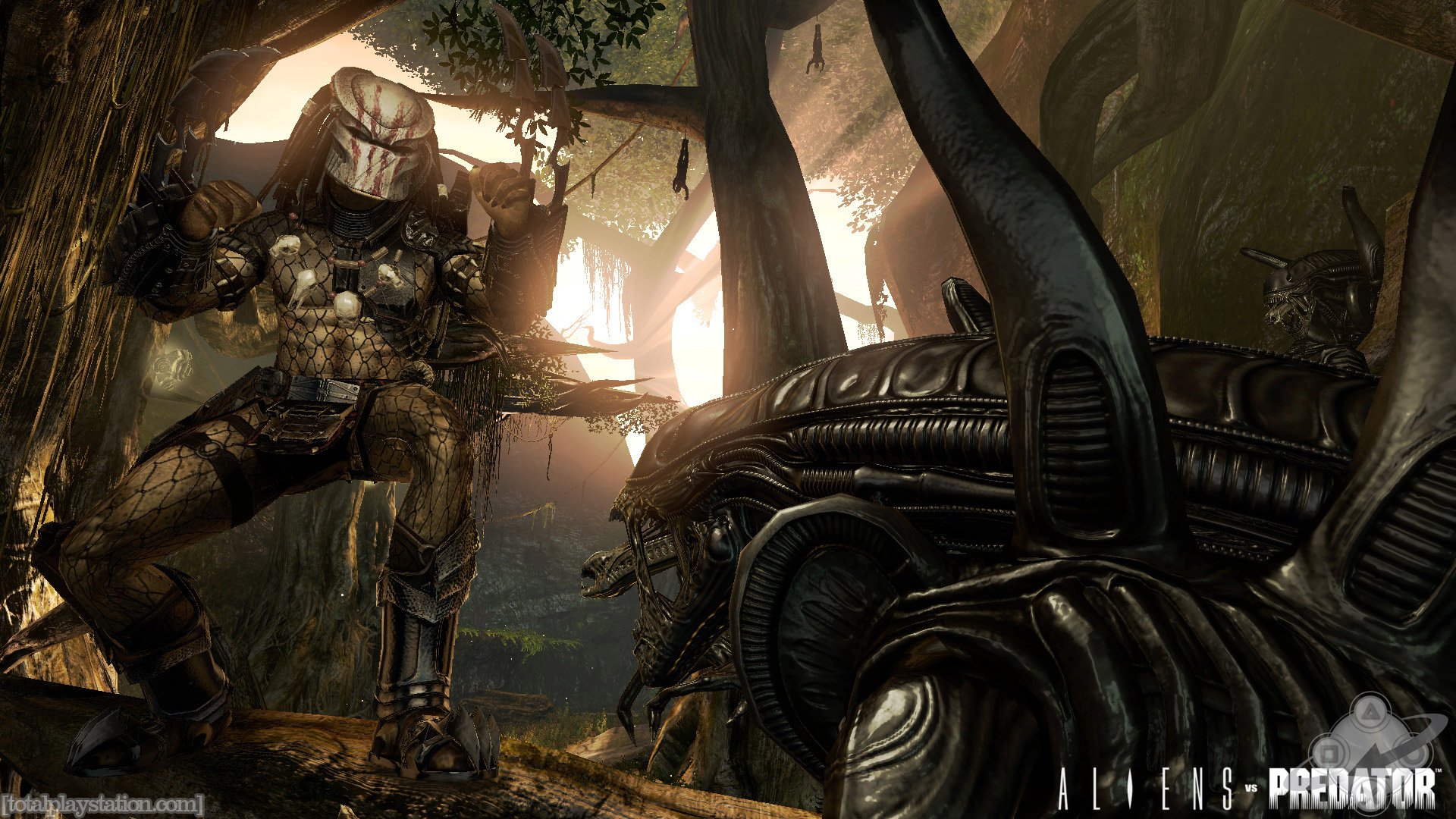
Interactive media has likewise played a pivotal role in defining the tactical experience of the galactic hunt. Milestone video games such as Rebellion’s Aliens versus Predator (1999) and its 2010 reboot allowed players to experience the conflict from three distinct asymmetries: the stealth and technological arsenal of the Predator, the claustrophobic survival horror of a human Colonial Marine, and the frantic, wall-crawling hive mechanics of the Xenomorph. More recently, titles like Alien: Isolation (2014) and Predator: Hunting Grounds (2020) have continued to validate these intellectual properties within modern gaming paradigms.
Navigating Continuity Conflicts and Retcons
A major challenge in establishing a definitive alien predator order involves reconciling conflicting lore across different media formats. Because the franchises have changed ownership, directors, and publishing houses over four decades, certain contradictions are inevitable. For instance, the events of the 2004 Alien vs. Predator film place a Weyland-Yutani corporate ancestor on Earth in the early 21st century, which exists in tension with the corporate history established in the later prequel films like Prometheus and Alien: Covenant.
Furthermore, the status of the AvS films within official Alien and Predator canon remains a subject of ongoing debate among fans and creators. While Ridley Scott and James Cameron largely treat their respective universes as independent entities—disregarding the crossover films in their primary directorial arcs—the expanded universe treats the crossover as a legitimate, albeit distinct, branch of the timeline. Purists often separate the timeline into three distinct categories:
- The Core Alien Universe (including prequels, original tetralogy, and recent interquels).
- The Core Predator Universe (encompassing all solo Yautja outings from Prey to modern-day encounters).
- The Crossover AVP Universe (films, comics, and games explicitly combining the two species).
Recognizing these distinctions prevents confusion when encountering references to corporate histories, weapon technologies, and biological variations across different installments.
Practical Recommendations for Experiencing the Franchise
Approaching this massive body of work requires a strategy tailored to individual preferences, whether one is seeking cinematic thrills, literary depth, or chronological immersion. For casual viewers seeking a streamlined movie-watching experience, release order remains the most effective method, as it allows the viewer to appreciate how filmmaking technology and genre conventions evolved over time.
For dedicated lore enthusiasts who prefer strict historical continuity, starting with Prey (2022) for historical Yautja context, moving through the Alien prequels, and branching into the classic films provides a coherent narrative arc. When integrating the crossover films, viewers should approach them as a parallel action-adventure sub-franchise that trades the psychological horror of the solo films for high-stakes tactical warfare. Exploring the Dark Horse comic collections alongside the films will further enrich the experience by revealing the broader galactic ecosystem in which these legendary hunts take place.
Frequently Asked Questions
Are the Alien vs. Predator movies considered official canon in the Alien and Predator universes?
The status of the Alien vs. Predator films is traditionally treated as a separate, parallel continuity. While filmmakers like Ridley Scott have not incorporated the events of the crossover films into the core Alien timeline, the expanded universe of comics, novels, and video games fully embraces the shared continuity.
Should I watch the films in release order or chronological order?
Release order is recommended for first-time viewers to experience the natural evolution of special effects, suspense techniques, and storytelling tropes. Chronological order is best suited for returning fans who want to trace the fictional history of human space exploration and extraterrestrial encounters from past to future.
Where do the video games and comic books fit into the timeline?
Most Aliens, Predator, and Aliens vs. Predator comics and video games occupy independent narrative spaces within the expanded universe, often bridging gaps between major cinematic releases or exploring alternate colony encounters during the late 21st and 22nd centuries.
What is the chronological starting point for the combined universe?
The earliest entry in the combined timeline is Prey (2022), which is set in the year 1719 on the Great Plains of North America, depicting the earliest documented interaction between a human culture and a Yautja hunter.
Who owns the intellectual property rights to Alien and Predator?
Both intellectual properties are currently owned by The Walt Disney Company following its acquisition of 21st Century Fox in 2019, paving the way for coordinated multimedia productions across film, streaming, and publishing platforms.