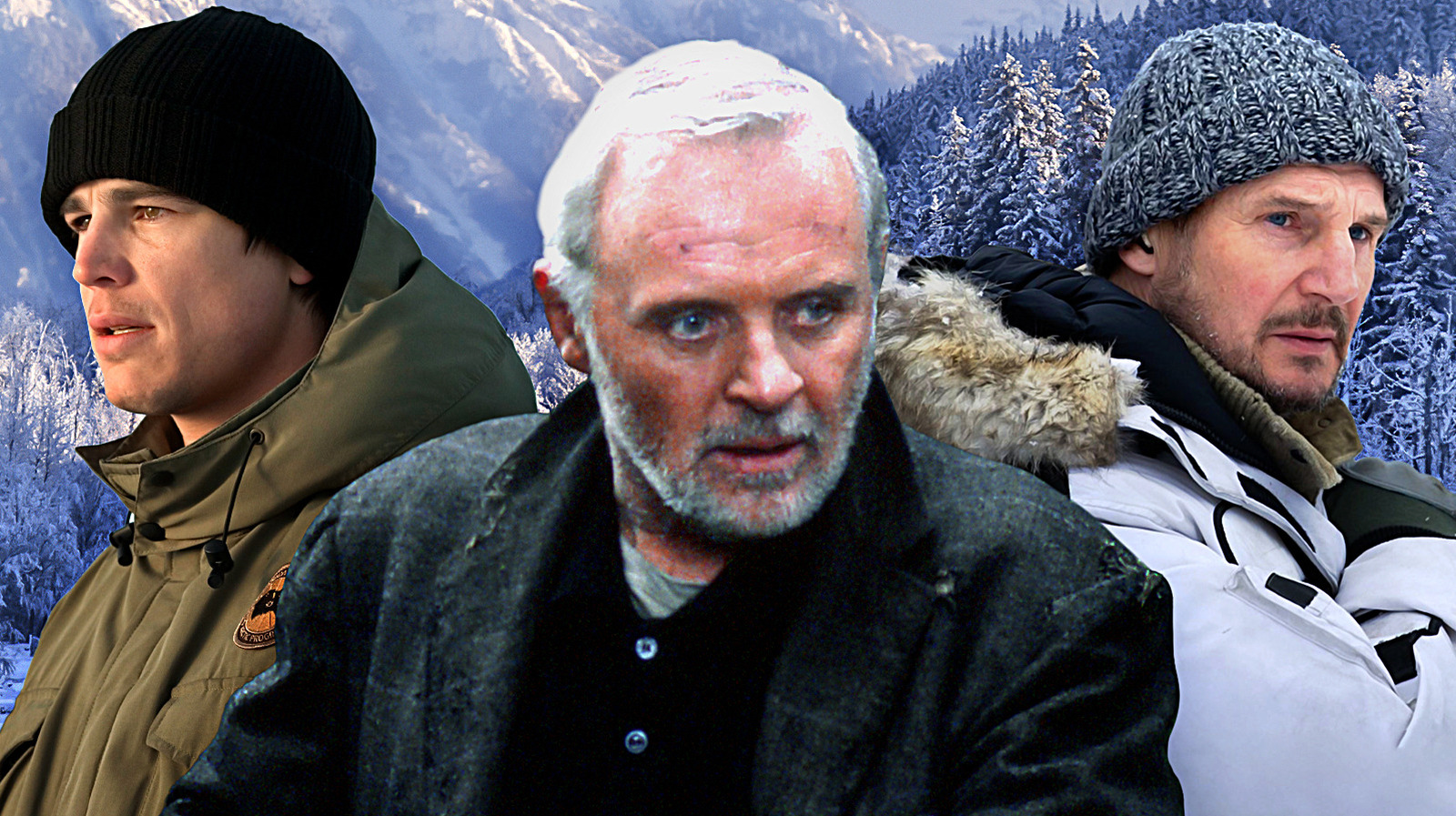
The search phrase alien movie alaska the chilling arctic encounter primarily directs film enthusiasts and researchers toward cinematic productions that depict extraterrestrial visitations, unexplained phenomena, and government conspiracies set against the desolate, freezing backdrop of the Last Frontier. Most notably, this search intent connects with science fiction thrillers and psychological horror films—such as The Fourth Kind (2009)—which use real-world settings, purported archival footage, and documentary framing styles to dramatize terrifying encounters with unknown entities in remote northern latitudes.
Understanding the Cinematic Appeal of Arctic and Alaskan Settings
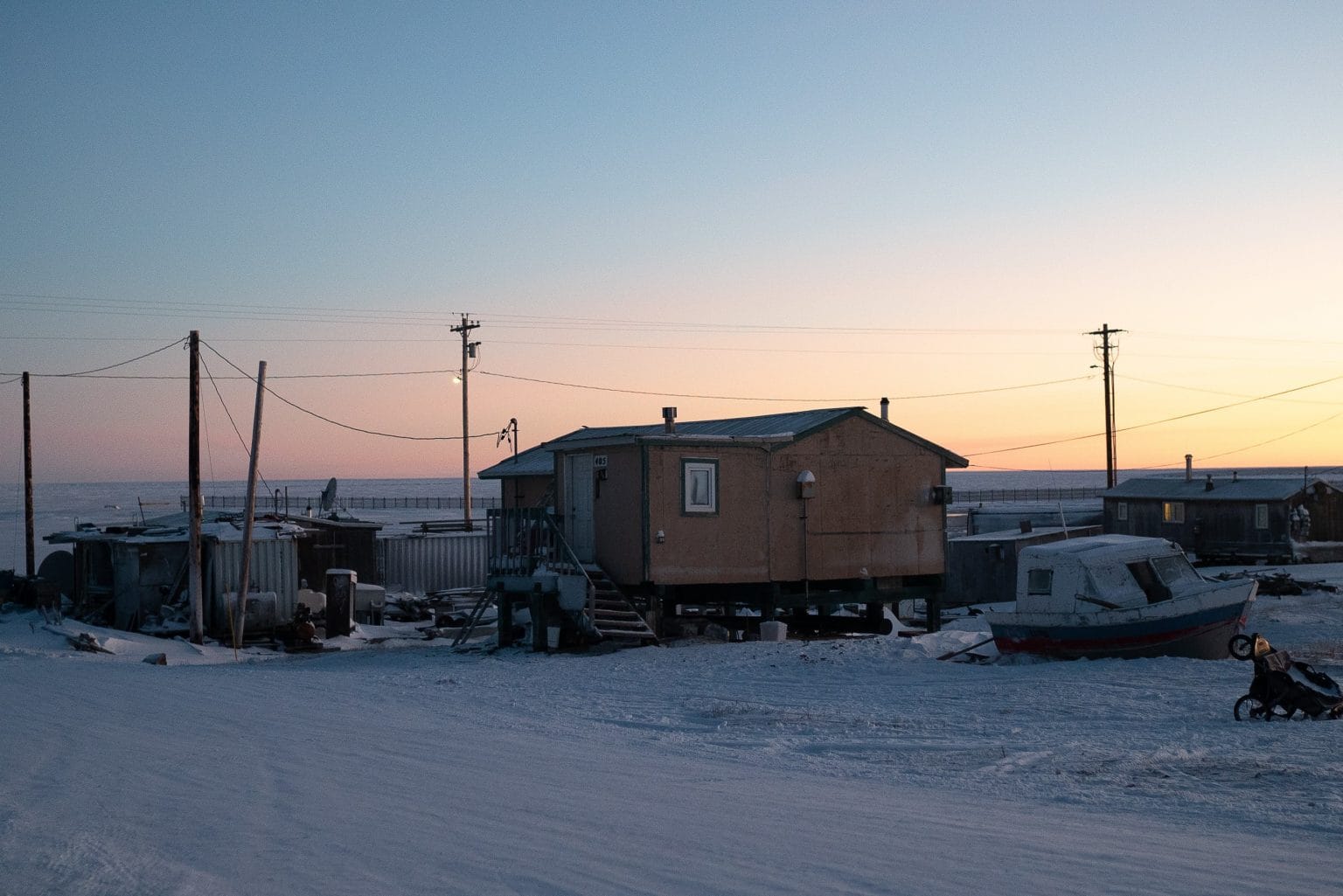
Remote geographic isolation has long served as a foundational device in suspense and science fiction storytelling. When filmmakers choose Alaska or the high arctic as a primary setting for an alien encounter, they leverage distinct environmental and psychological factors that heighten tension far beyond the capabilities of an urban or suburban backdrop. The extreme wilderness, characterized by vast expanses of untamed snow, dense forests, and jagged mountain ranges, instantly creates a sense of profound vulnerability for any characters involved.
In these isolated environments, standard communication channels frequently fail. Severe weather systems, sub-zero temperatures, and unpredictable blizzards can cut off remote settlements from the rest of the world within minutes. This geographical entrapment transforms a standard sci-fi narrative into a claustrophobic survival test. Characters cannot simply call for emergency services or drive to the nearest town when an unidentified flying object or anomalous entity manifests. The landscape itself becomes an antagonist, trapping the protagonists with whatever unknown forces have arrived. Furthermore, the sheer scale of the Alaskan wilderness provides plausible cinematic cover for government secrecy, hidden research facilities, and undocumented phenomena, feeding directly into cultural fascination with remote coverups and anomalous disappearances.
Real-World Inquiries Versus Cinematic Dramatization: Dissecting The Fourth Kind
A central point of confusion for audiences exploring this niche involves the blurry line between factual documentary and dramatic filmmaking. Released in 2009, The Fourth Kind heavily marketed its narrative as being based on actual case studies from Nome, Alaska, where local residents allegedly experienced severe sleep disturbances, missing time, and encounters with non-human entities. The film interspersed dramatized scenes starring actors like Milla Jovovich with supposed real archival video and audio recordings of the affected individuals.
From a cinematic and marketing standpoint, this hybrid approach was designed to evoke a chilling sense of realism. However, investigations into the real history of Nome, Alaska, and its local law enforcement records by journalists and skeptics revealed that the depicted mass disappearances and widespread psychiatric trauma were entirely fictional constructs invented for the film. The FBI involvement, hypnotic regression tapes, and eerie psychological evaluations were dramatic devices rather than verified historical events. Understanding this distinction is vital for viewers searching for the truth behind the movie: while Alaska possesses a rich history of unexplained aerial phenomena and isolated wilderness mysteries, The Fourth Kind operates firmly within the realm of Hollywood psychological horror rather than documentary journalism.
Key Narrative Elements of Alaskan Alien Encounters in Film
Cinematic portrayals of extraterrestrial contact in northern latitudes typically share several distinct narrative tropes and structural devices. Recognizing these patterns helps explain why these films resonate so strongly with audiences looking for atmospheric terror.
- Sleep Paralysis and Psychological Disturbance: Protagonists often experience profound disruptions in their sleep cycles, waking up at exact times—frequently 3:33 AM—accompanied by screeching noises, flashing white lights, and a paralyzing physical presence in their bedrooms.
- Audio and Visual Anomalies: Sound design plays a critical role, utilizing strange, unidentifiable vocalizations, static interference on analog recording equipment, and distorted digital captures that suggest the presence of a non-human intelligence trying to communicate or intimidate.
- Skepticism from Local Authority: Law enforcement officers and medical professionals stationed in isolated towns are initially skeptical, attributing erratic behavior to substance abuse, severe winter depression, or local trauma, before realizing the phenomenon is far beyond human explanation.
- Sudden Government or Military Intervention: Black-suited federal agents or mysterious scientific teams frequently appear to confiscate evidence, interrogate witnesses, and suppress information, reinforcing the theme of institutional cover-ups.
Comparing Cinematic Approaches to Remote Extraterrestrial Thrillers
To fully understand where The Fourth Kind and similar Alaskan-themed alien encounters fit within the broader science fiction landscape, it is helpful to compare them against other cold-climate horror and sci-fi films. The table below outlines key characteristics of notable features sharing similar atmospheric traits.
| Film Title | Primary Setting | Core Premise | Primary Subgenre | Real-World Claim Status |
|---|---|---|---|---|
| The Fourth Kind (2009) | Nome, Alaska | Mass alien abductions and missing time investigated through therapy sessions. | Psychological Horror / Sci-Fi | Fictional dramatization marketed using mock-documentary framing. |
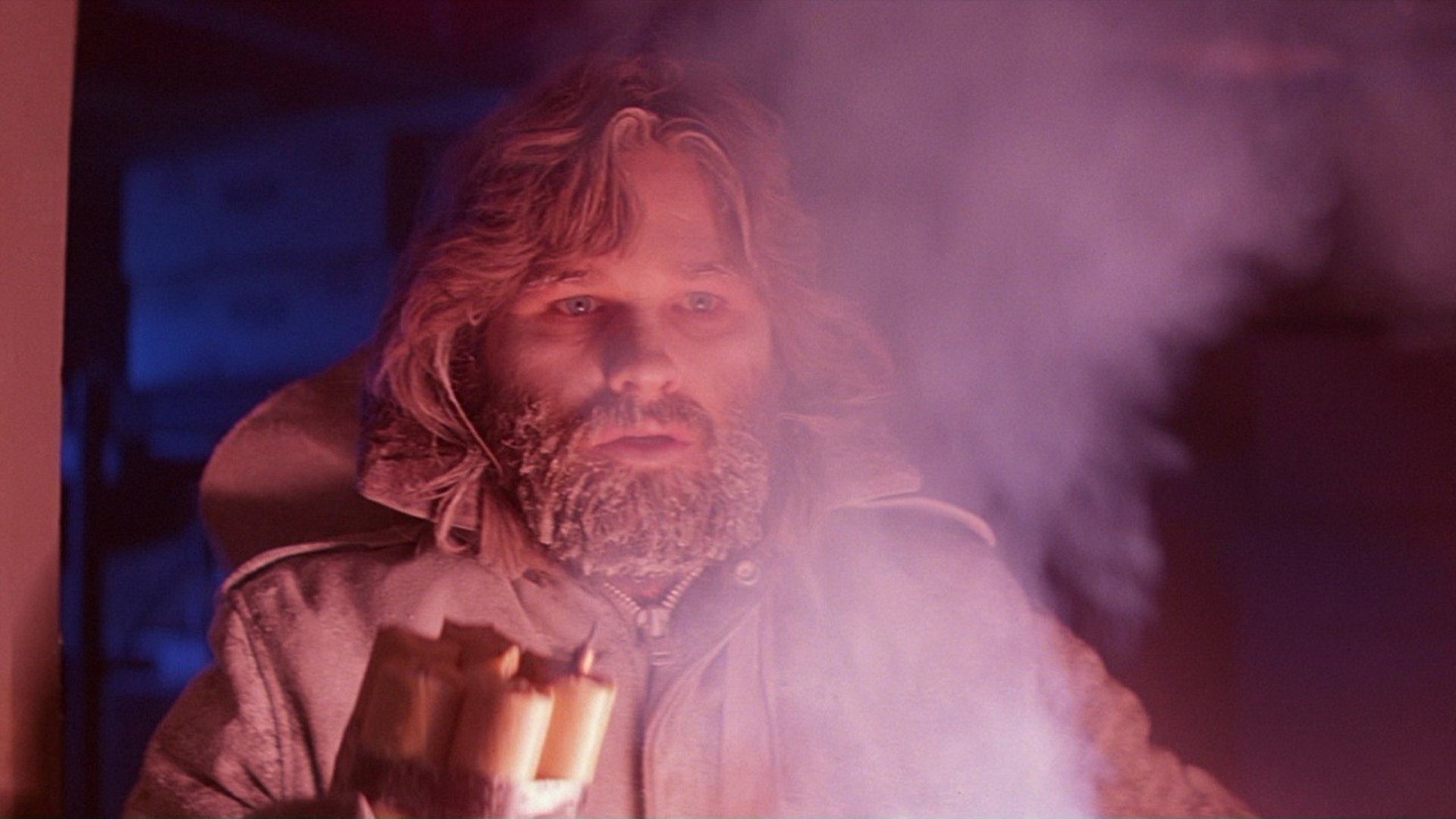
| The Thing (1982) | Antarctica Research Station | A shapeshifting parasitic alien organism infiltrates an isolated scientific outpost. | Body Horror / Sci-Fi Thriller | Purely fictional adaptation of John W. Campbell Jr.'s novella. |
| Dreamcatcher (2003) | Woods of Maine / Regional Isolation | Friends on a hunting trip encounter a parasitic alien invasion sweeping through forests. | Sci-Fi Thriller | Fictional adaptation of Stephen King's novel. |
| Phantoms (1998) | Colorado Mountain Town | An ancient subterranean biological entity destroys a small mountain community. | Supernatural Horror | Fictional adaptation of Dean Koontz's novel. |
Common Viewer Misconceptions and Troubleshooting the Lore
Audiences exploring the intersection of alien movies and Alaskan encounters frequently encounter misleading online claims. Because internet forums and viral marketing campaigns often blur the boundary between cinematic fiction and reality, viewers should keep a few critical verification principles in mind when researching these topics.
First, always verify whether a film utilizes a found-footage or mock-documentary framing device before accepting its premise as historical fact. Studios frequently register fictional websites, publish fake newspaper clippings, and invent archival transcripts to build immersive promotional campaigns—a marketing strategy popularized by films like The Blair Witch Project and utilized effectively for The Fourth Kind.
Second, distinguish between genuine documented UFO sightings in northern latitudes and fictionalized movie plots. While aviation authorities and military personnel have historically documented unexplained radar returns and aerial phenomena over Alaska—such as the famous 1986 Japan Airlines flight 1628 sighting over Fairbanks—these real-world events rarely match the violent abduction narratives depicted in Hollywood horror films. Recognizing this boundary ensures that viewers can appreciate the atmospheric artistry of cinematic thrillers without misinterpreting them as factual documentaries.
Frequently Asked Questions About Alaskan Alien Movies
Is The Fourth Kind based on a true story set in Alaska?
No. Despite aggressive marketing campaigns and mock-documentary framing that claimed the film was based on actual case files from Nome, Alaska, the characters, interviews, disappearances, and psychiatric sessions depicted in The Fourth Kind are entirely fictional creations designed for theatrical horror.
Why do alien movies frequently choose Alaska as a setting?
Alaska provides a unique cinematic atmosphere combining extreme geographic isolation, harsh weather conditions, and vast wilderness. This setting physically traps characters, cuts off external communication, and makes it plausible for government agencies or unknown entities to operate without public detection.
Are there actual documented UFO sightings in Alaska?
Yes. Alaska has a documented history of anomalous aerial phenomena reported by civilian pilots, commercial airlines, and military personnel. The most famous historical incident occurred in 1986, when a Japan Airlines cargo flight tracked a massive craft over Alaska for nearly an hour, prompting official FAA and military interest.
What are other notable sci-fi movies featuring cold or isolated environments?
Aside from Alaskan-themed thrillers, prominent examples of cold-climate speculative fiction include John Carpenter's The Thing, set in a remote Antarctic research station, and various survival horror films that use freezing weather and isolation to build psychological tension.
How can viewers distinguish between real Alaskan UFO reports and movie marketing?
Viewers can verify claims by consulting official government archives, Federal Aviation Administration records, and independent journalistic investigations rather than relying on promotional websites or unverified social media summaries produced by film studios.
Navigating Your Exploration of Arctic Sci-Fi Cinema
For viewers seeking an engaging cinematic experience blending psychological suspense with the chilling isolation of the Last Frontier, approaching these films with a balanced perspective is key. Enjoy The Fourth Kind and related arctic encounters as masterclasses in atmospheric tension, sound design, and claustrophobic storytelling rather than factual accounts. By separating Hollywood marketing strategies from real-world aviation history, you can fully appreciate how filmmakers harness the stark, freezing beauty of northern latitudes to terrify and captivate audiences.