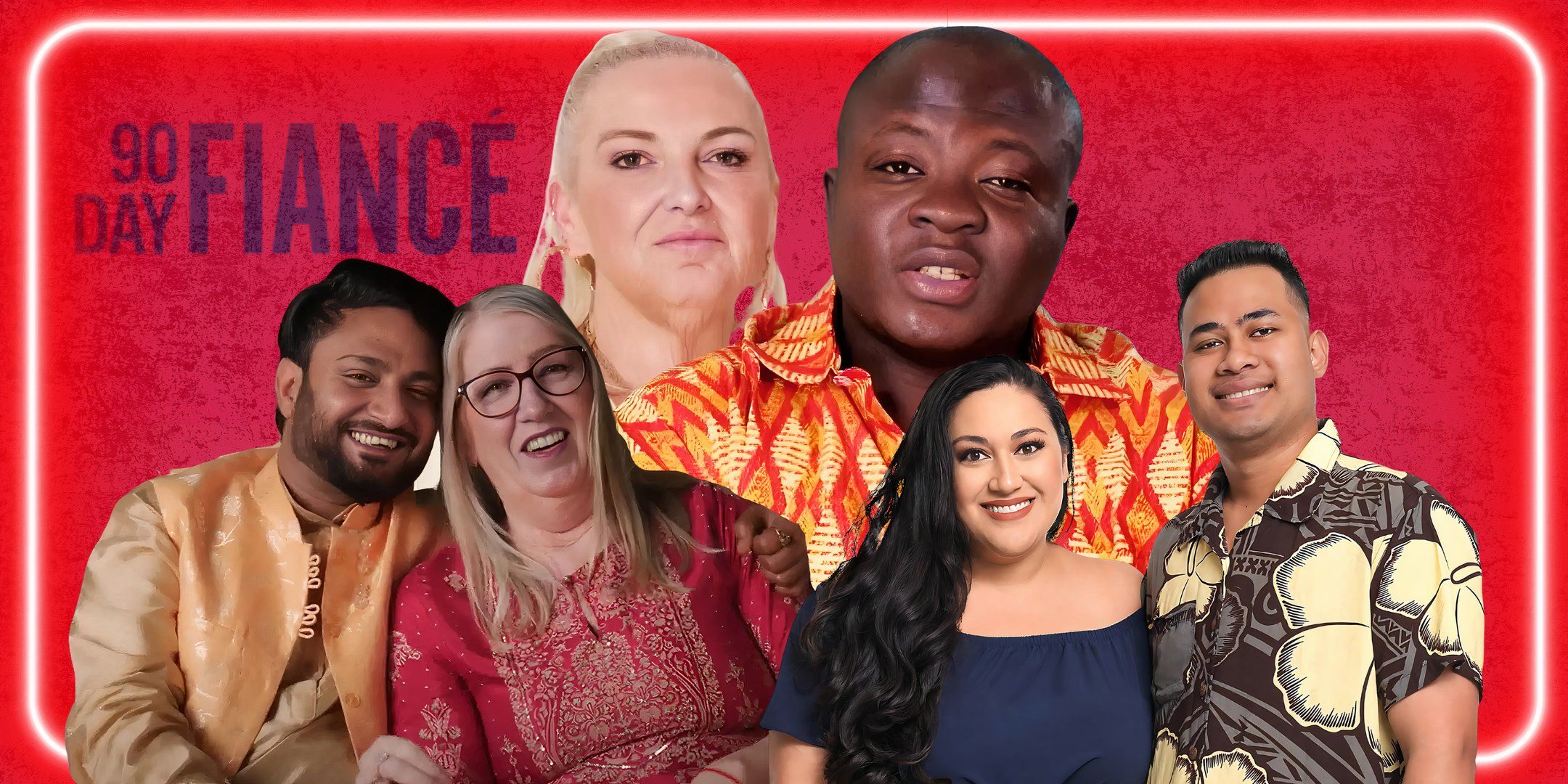
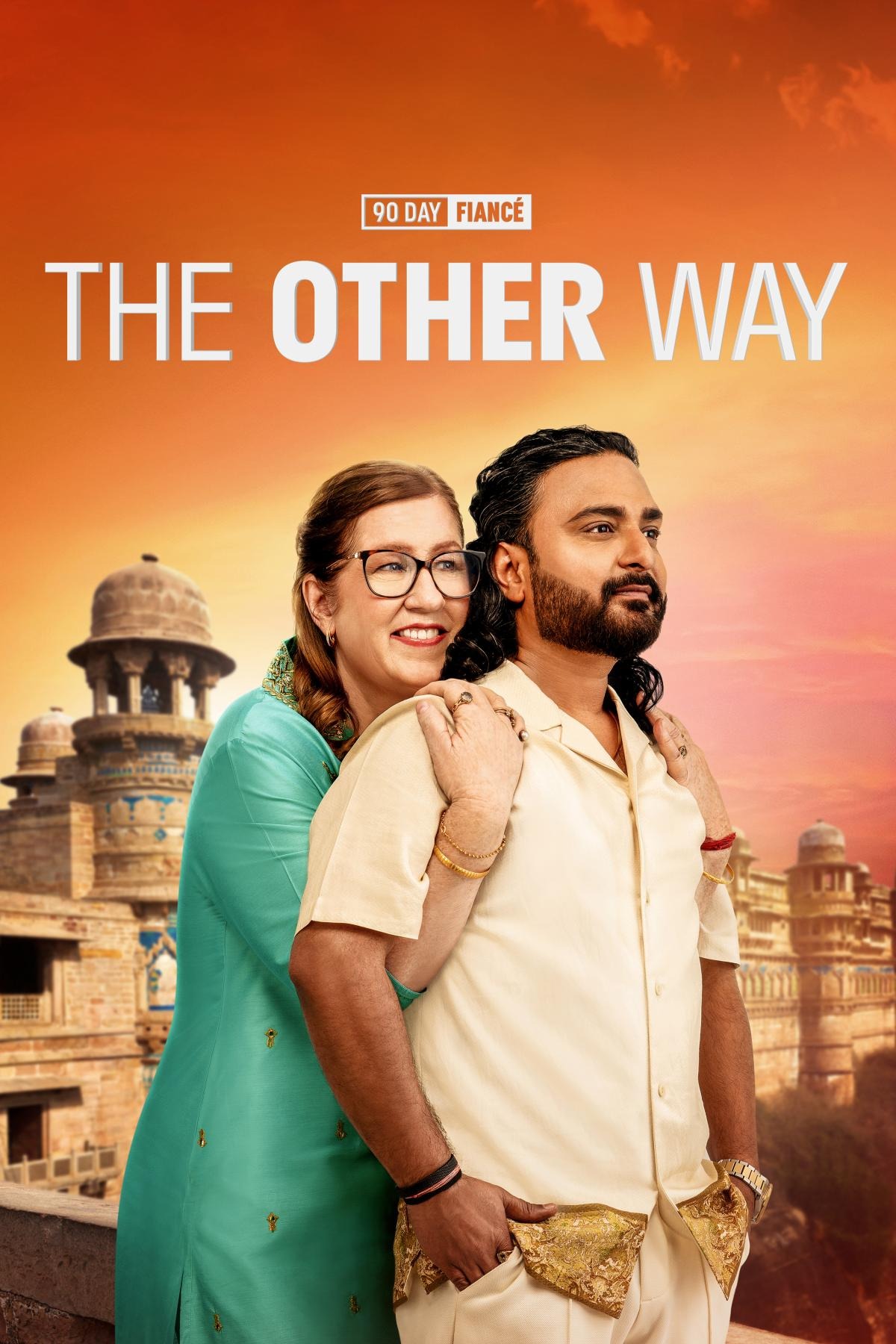
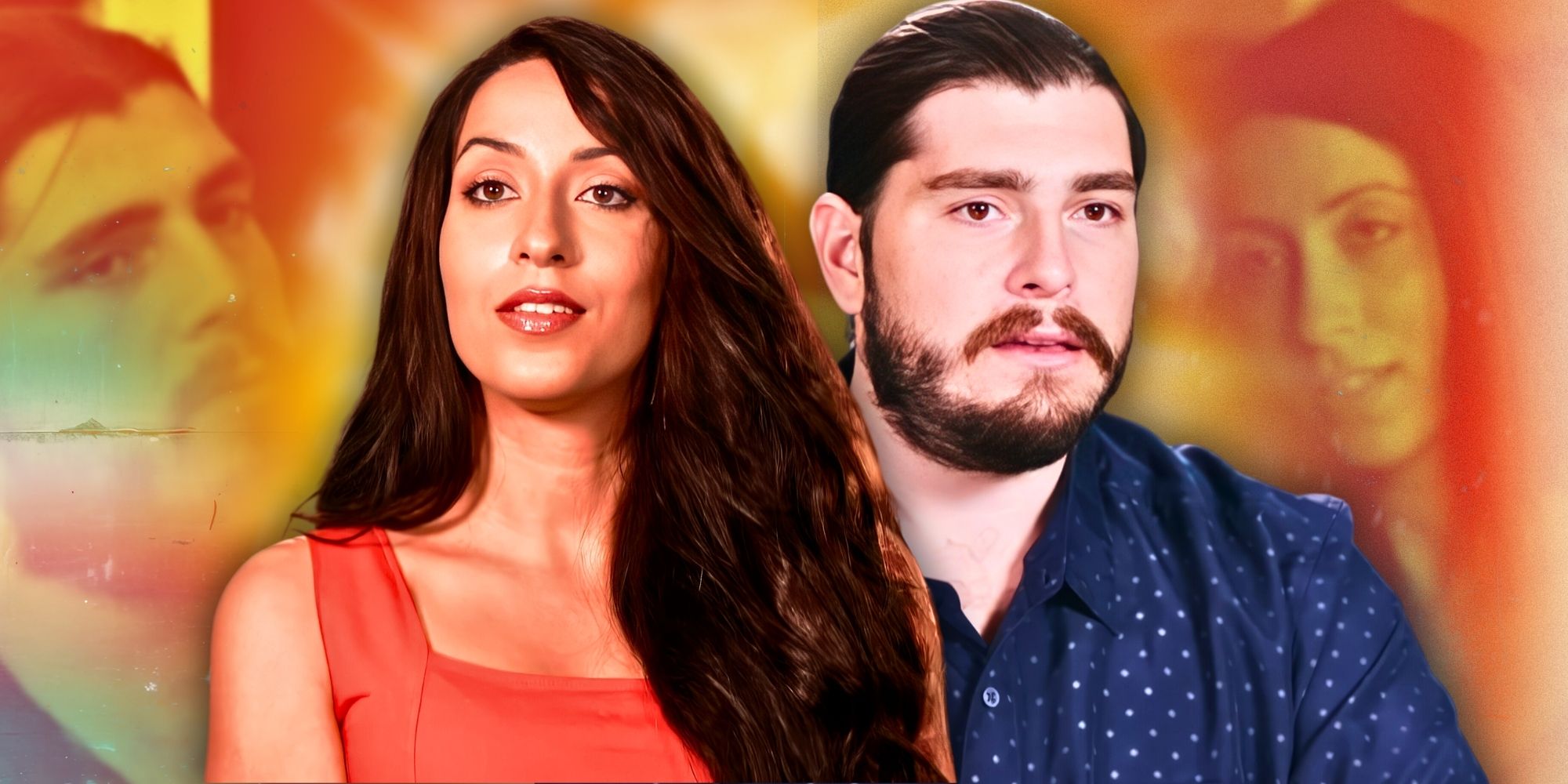
Alina and Steven generated substantial viewer engagement and debate during their time on TLC’s hit reality television franchise, offering a complex look at international romance, cultural adaptation, and relationship dynamics under the scrutiny of global audiences. Their storyline across the franchise captured the attention of viewers seeking to understand the intersection of modern dating, religious differences, and television editing.
As part of the broader 90 Day Fiancé ecosystem, their narrative requires an analytical look at how reality television portrays cross-cultural relationships. This guide explores their background, relationship timeline, major conflicts, fan reception, and the broader lessons viewers can draw from their time on the screen.
Origins and Background of Alina and Steven
Understanding the journey of Alina and Steven requires examining their individual backgrounds before they entered the high-pressure environment of a TLC reality production. Alina, residing in Russia, and Steven, an American citizen with a background in Utah, met through an online language-exchange platform. Their initial connection blossomed over shared interests and virtual conversations, bridging thousands of miles before they decided to take their relationship to a television platform.
The early stages of their courtship involved extensive digital communication, which established a foundation built primarily on shared ideals, lifestyle choices, and personal values. However, transitioning from an online dynamic to an in-person, internationally televised relationship exposed foundational disconnects in expectations. Steven's background within a strict religious upbringing contrasted sharply with Alina's more independent worldview, setting the stage for recurring narrative tension throughout their appearances in the franchise.
Relationship Timeline and Major Franchise Appearances
The chronology of Alina and Steven within the franchise is marked by high-stakes travel, ultimatums, and intensive scrutiny from the viewing public. Their primary documented arc took place in a specific season of the franchise where international couples meet abroad to test their compatibility before committing to the K-1 visa process.
To understand their progression, it is helpful to look at the milestones and friction points that defined their television narrative:
- The Initial Meeting in Turkey: Following travel restrictions and logistical hurdles, the couple finally met face-to-face in Turkey, which served as a neutral meeting ground due to visa regulations.
- The Confrontation of Trust: Early episodes highlighted immediate friction regarding exclusivity, past relationship behaviors, and adherence to personal promises.
- Religious and Lifestyle Negotiations: Steven’s expectations regarding lifestyle choices, religious conversion, and personal autonomy became central obstacles during their time together abroad.
- The Decision Point: The culmination of their season involved critical ultimatums regarding marriage, trust, and future relocation plans.
Key Conflict Areas: Trust, Lifestyle, and Expectations
The core drama surrounding Alina and Steven revolved around recurring themes that frequently surface in international romance television. Viewers and commentators noted that their central conflicts were not merely cultural, but deeply rooted in personal accountability and divergent life visions.
Trust emerged as the most prominent flashpoint. Revelations regarding past communications with other individuals strained their foundational security, forcing Alina to reevaluate her trust in Steven's commitment. Furthermore, lifestyle expectations—particularly surrounding diet, social habits, and religious observance—created daily friction. Steven’s insistence on certain behavioral standards contrasted with Alina's desire for mutual compromise, illustrating the difficulties couples face when transitioning from idealized long-distance communication to practical, shared reality.
Fan Reception and Cultural Impact in the Reality TV Ecosystem
Within the sprawling 90 Day Fiancé fan community, Alina and Steven elicited polarized reactions across social media platforms, Reddit discussion boards, and podcast reviews. Audiences frequently dissected their body language, communication styles, and decision-making processes, turning their relationship into a case study of red flags versus genuine cross-cultural love.
| Aspect of Relationship | Alina's Perspective / Actions | Steven's Perspective / Actions | Fan Community Consensus |
|---|---|---|---|
| Trust and Exclusivity | Demanded absolute transparency; expressed hurt over past omissions. | Defended past actions as technicalities or resolved issues; struggled with full disclosure. | Overwhelmingly critical of Steven's communication and evasiveness. |
| Lifestyle & Religion | Valued personal independence and cultural autonomy. | Advocated for strict adherence to personal and religious frameworks. | Viewed expectations as rigid and incompatible with a healthy partnership. |
| Decision Making | Sought emotional reassurance and equal partnership. | Frequently applied pressure through ultimatums and timelines. | Noted a severe lack of mutual compromise and emotional maturity. |
This table encapsulates the core divisions in how viewers interpreted their actions, highlighting the tension between personal autonomy and relationship expectations that drove online commentary.
Lessons Learned from International Reality Romances
For dedicated followers of the genre, the storyline of Alina and Steven offers valuable takeaways regarding the realities of cross-cultural dating and television documentation. Reality television often compresses complex emotional landscapes into dramatic narrative arcs, yet underlying relationship truths remain visible to discerning viewers.
The couple's journey underscores the necessity of establishing clear, mutual boundaries before undertaking international relocation. It highlights that online compatibility does not automatically translate into in-person harmony, particularly when fundamental values regarding trust, lifestyle, and independence diverge. Furthermore, viewers are reminded of the importance of emotional maturity and accountability when navigating the immense pressures of both a high-stakes cross-cultural relationship and public scrutiny.
Frequently Asked Questions
Where did Alina and Steven first meet?
Alina and Steven first met online through a digital language-exchange platform. They communicated virtually for a significant period before deciding to document their relationship and meet in person for the reality television franchise.
What were the main reasons for friction in their relationship?
The primary sources of tension included unresolved trust issues regarding past communication with other people, differing expectations surrounding lifestyle choices, and Steven's insistence on specific religious and behavioral standards that Alina found restrictive.
Did Alina and Steven get married?
Without spoiling the specific concluding twists of their televised season for new viewers, their narrative culminated in high-stakes ultimatums regarding marriage and future international relocation, which formed the focal point of their final franchise episodes.
How did the fan community react to their storyline?
The fan community was largely divided, though a significant portion of viewers expressed skepticism regarding Steven's reliability and praised Alina for attempting to navigate difficult conversations with composure under intense public pressure.
Are Alina and Steven still active in the franchise?
Following their initial season and subsequent tell-all appearances, their primary run within the main active cast concluded, though they remain subjects of retrospective discussion among franchise enthusiasts and recap podcasts.
Navigating Reality TV Narratives and Next Steps
For fans looking to dive deeper into the 90 Day Fiancé universe, analyzing couples like Alina and Steven provides a window into how romance, culture, and television production intersect. To get the most out of your viewing experience, consider exploring companion podcasts, fan-driven recap forums, and post-season update specials where cast members reflect on their journeys away from the primary editing bay. Approaching these shows with an understanding of both authentic relationship dynamics and television framing allows for a more rewarding and analytical viewing experience.