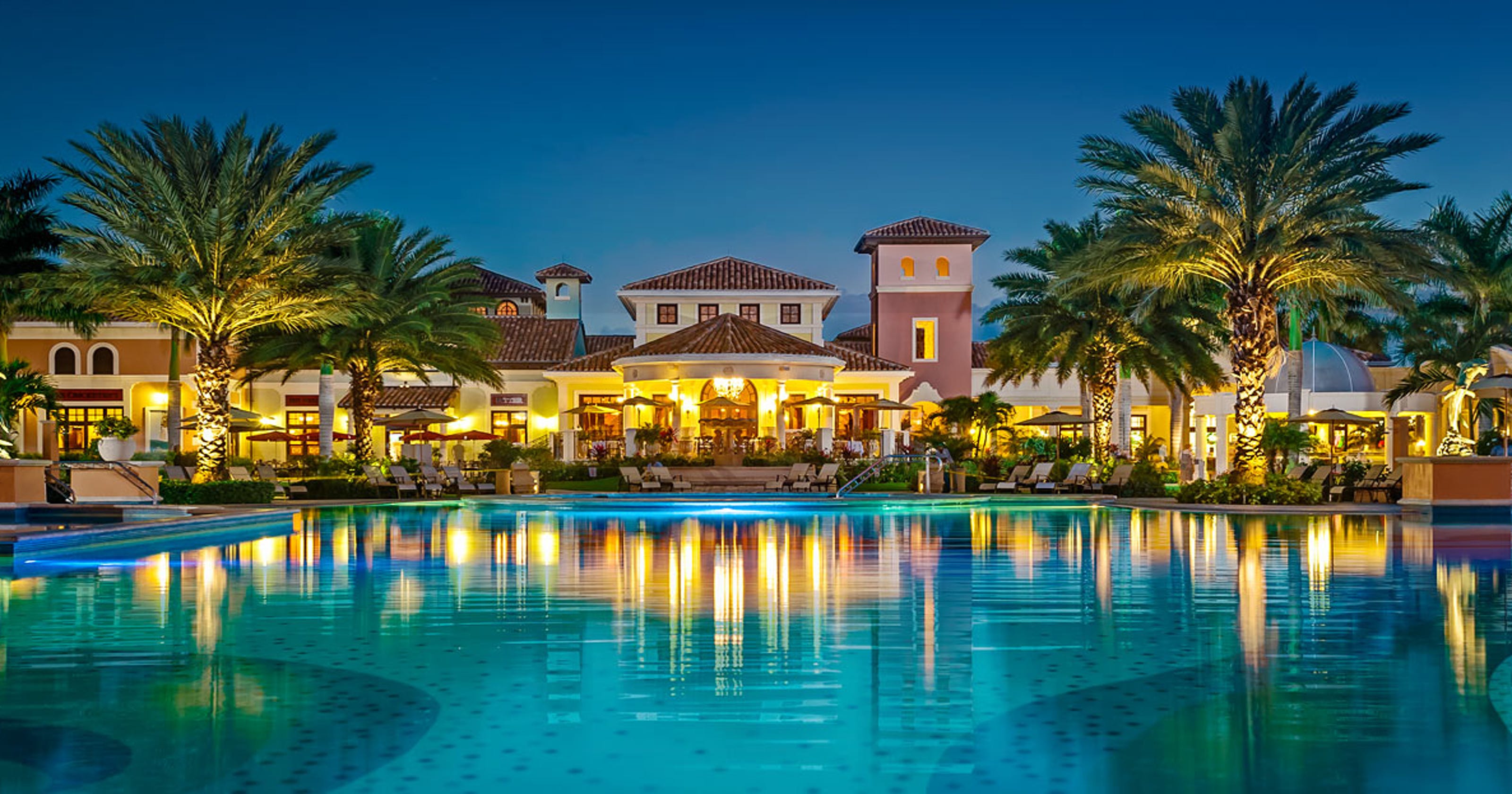
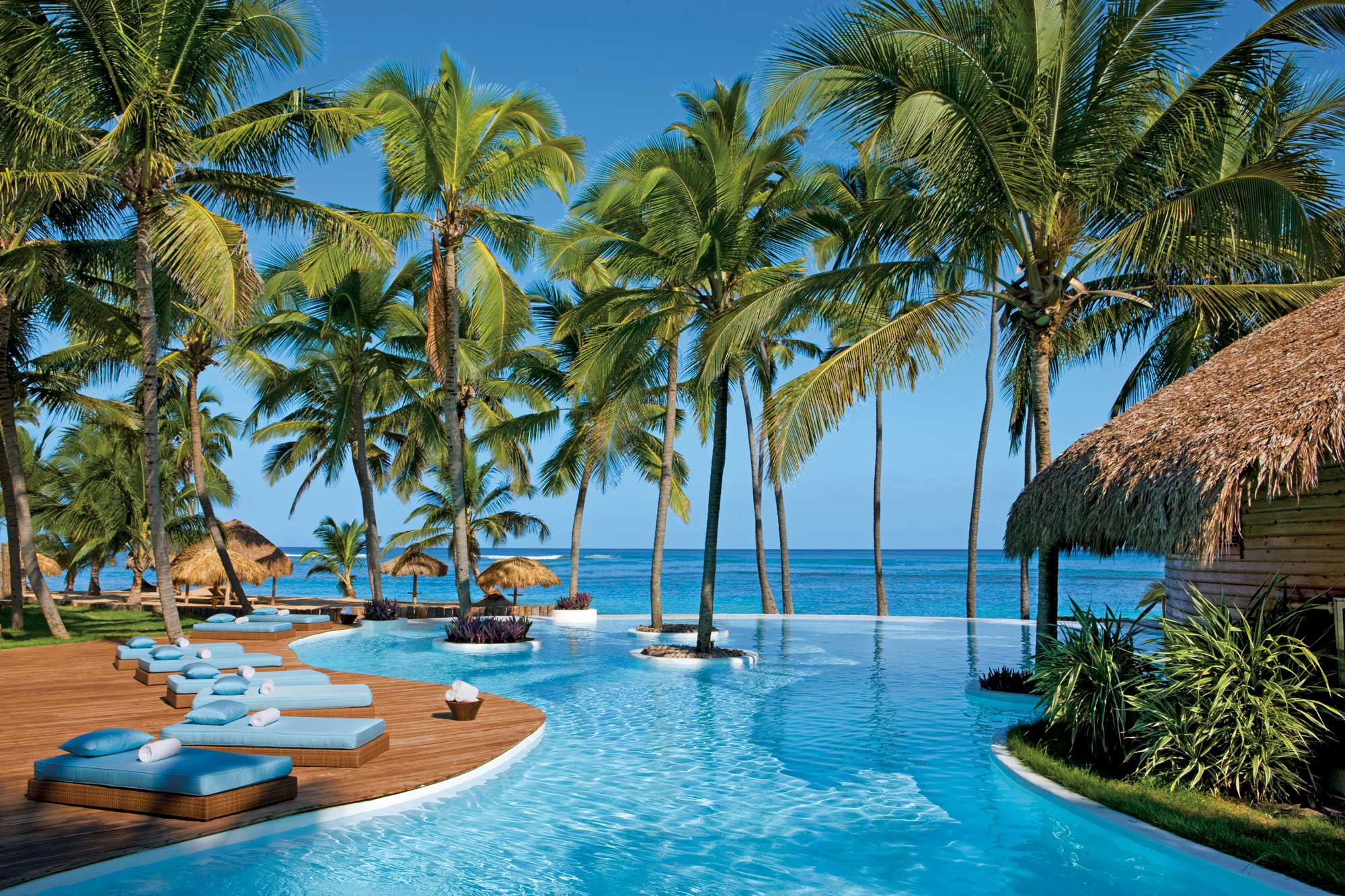
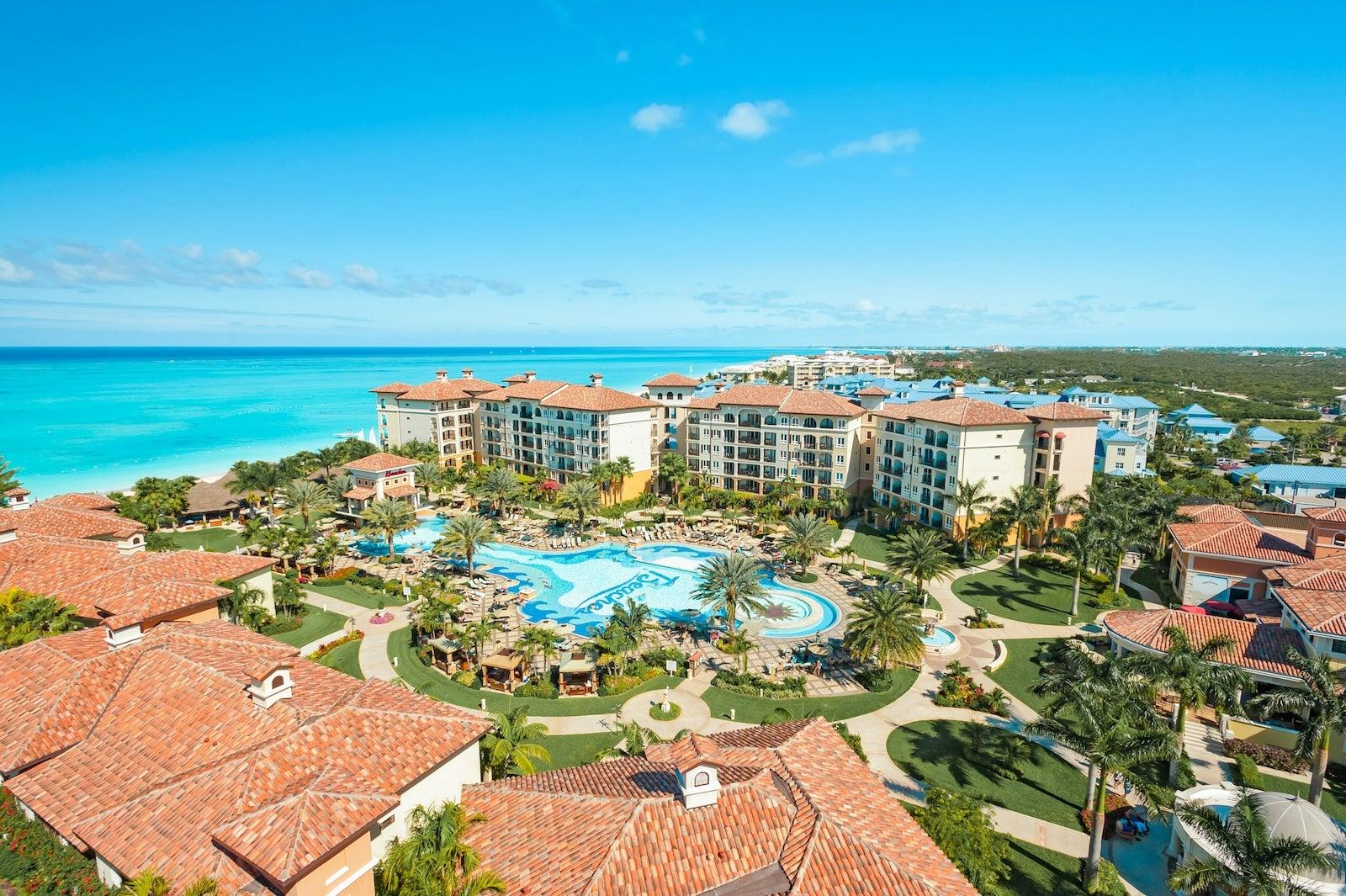
All-inclusive resorts are specialized lodging properties where the stay price includes room, meals, beverages, and most on-site activities. In 2026, these resorts prioritize seamless convenience and predictable budgeting, allowing travelers to access multiple dining venues, entertainment, and amenities without incremental costs, though premium services often remain an additional expense.
Defining the Modern All-Inclusive Landscape
The concept of the all-inclusive resort has evolved significantly from its mid-20th-century origins. Originally popularized by pioneers like Club Med, the model was built on the premise of a "cashless" vacation where guests could leave their wallets in the room safe. By 2026, this sector has fragmented into distinct tiers ranging from budget-friendly family complexes to ultra-luxury "boutique" all-inclusives that rival the world's most prestigious traditional hotels.
At its core, an all-inclusive property combines accommodation, food service, and entertainment into a single, pre-paid per-person or per-room rate. This "bundle" is designed to eliminate the friction of constant transactions. However, the definition of "inclusive" varies by brand and region. While some properties include every possible expense—including airport transfers and top-shelf liquor—others operate on a "plus" model where only buffet meals and local spirits are covered. Understanding these nuances is essential for determining the actual Return on Investment (ROI) of a vacation package.
Furthermore, the entry of major global hotel chains like Marriott, Hilton, and Hyatt into the all-inclusive market has standardized many service levels. These brands have brought sophisticated loyalty programs and rigorous quality controls to a niche once dominated by independent regional operators. This shift has increased transparency but also introduced complex "club level" tiers that offer exclusive access to private pools, upgraded bars, and specialized concierge services.
The Anatomy of an All-Inclusive Package
When evaluating an all-inclusive resort in 2026, it is vital to dissect the components of the "Total Cost of Stay." A standard package typically encompasses four primary pillars: lodging, gastronomy, beverages, and basic recreation. However, the depth of these offerings often dictates the price point and overall guest satisfaction.
Gastronomy and Dining Variety
In the past, all-inclusive dining was synonymous with the "grand buffet." While buffets remain a staple for breakfast and lunch due to their efficiency, 2026 standards prioritize à la carte dining. Higher-end resorts now feature multiple "specialty" restaurants—ranging from Japanese Teppanyaki to French fine dining—without an upcharge. A key differentiator today is the requirement for reservations; premium resorts often allow unlimited à la carte dining without bookings, whereas mid-tier properties may limit guests to two or three specialty meals per week.
Beverage Programs and Alcohol Quality
The beverage program is often where the widest gap in quality exists. Lower-tier resorts typically serve "well" spirits and local beers. In contrast, "Luxury All-Inclusive" brands provide "Premium" or "Ultra-Premium" brands at no extra cost. This includes imported liquors and a curated list of house wines. Travelers should verify if the minibar in their room is restocked daily and whether the contents (water, soda, snacks, beer) are included in the base rate.
Activities and Entertainment
Standard inclusions generally cover non-motorized water sports—such as kayaking, paddleboarding, and snorkeling. Daily "animation" schedules usually provide yoga, water aerobics, and evening stage shows. What is typically excluded are motorized activities like jet skis, scuba diving certifications, and off-site excursions. In 2026, many resorts have also introduced "enrichment" activities, such as cooking classes or language lessons, to cater to the growing demand for experiential travel.
Regional Nuances and Global Standards
The experience of an all-inclusive resort is heavily influenced by its geographic location. The industry’s heart remains in the Caribbean and Mexico, but European and Asian markets have developed their own unique interpretations of the model.
Mexico and the Caribbean
This region is the benchmark for the "mega-resort." In destinations like Cancún, Riviera Maya, and Punta Cana, resorts often exceed 500 rooms and function as self-contained cities. The competitive nature of this market ensures high value, with many properties offering high-end amenities like hydrotherapy circuits and world-class spas. Mexico, in particular, is recognized for having some of the highest culinary standards in the all-inclusive sector, integrating authentic regional flavors with international techniques.
Europe and the Mediterranean
In Spain, Greece, and Turkey, all-inclusive resorts often operate under different terminology, such as "Full Board Plus." European properties are frequently more integrated into local towns, encouraging guests to explore off-site. Turkish "Ultra All-Inclusive" resorts in areas like Antalya are famous for their sheer scale and 24-hour food service, often providing a level of opulence that rivals the most expensive Caribbean properties.
The United States and Hawaii
The all-inclusive model is rarer in the U.S. due to high labor costs and different regulatory environments. Where they do exist, they are often niche "dude ranches" or high-end wellness retreats. Most traditional "resorts" in the U.S. charge a "Resort Fee" on top of the room rate, which covers basic amenities like Wi-Fi and pool access but does not include food or drink. Travelers accustomed to Caribbean standards must be careful not to mistake a "Resort" for an "All-Inclusive Resort" in domestic markets.
Comparing All-Inclusive Tiers and Service Models
To assist in the decision-making process, the following table outlines the typical expectations for different categories of all-inclusive properties in 2026.
| Feature | Budget / Mid-Scale | Premium / Upscale | Ultra-Luxury / Boutique |
|---|---|---|---|
| Dining Options | Mostly buffet; 1-2 themed nights. | Multiple à la carte; no reservations. | Michelin-inspired; 24/7 in-suite dining. |
| Alcohol | Local brands; limited cocktail menu. | International premium brands included. | Top-shelf spirits; sommelier-led wine lists. |
| Room Service | Not included or limited hours. | Included 24/7 (often with a fee). | Included 24/7; personalized mini-bar. |
| Staff Ratio | Lower (approx. 1 staff per 4 guests). | Moderate (approx. 1 staff per 2 guests). | High (often 1:1 or higher ratio). |
| Facilities | Shared large pools; basic gym. | Multiple pools; full-service spa. | Private plunge pools; Butler service. |
| Wifi/Tech | Standard (paid or low speed). | High-speed included throughout. | Seamless high-speed; smart room controls. |
Evaluating Value and Calculating ROI
The primary question for many travelers is whether an all-inclusive resort is "worth it" compared to a traditional hotel (the European Plan or EP). To determine this, one must calculate the "Total Daily Expenditure."
In 2026, a mid-range traditional hotel in a tourist destination might cost $300 per night for the room. Once you add $100 for three meals, $60 for beverages, and $40 for snacks and basic entertainment, the daily total reaches $500. If an all-inclusive resort in the same area is priced at $450 per night, it represents a clear financial win.
However, the value proposition shifts if the guest plans to spend most of their time off-property exploring local restaurants. The "All-Inclusive Trap" occurs when travelers feel "forced" to eat on-site to get their money's worth, potentially missing out on authentic cultural experiences. For those who prioritize relaxation, safety, and a "stress-free" environment where the final bill is settled before they even arrive, the all-inclusive model is almost always the superior choice.
Sustainability and Ethics in 2026
As of 2026, the all-inclusive industry faces increasing scrutiny regarding its environmental and social impact. Large-scale resorts consume significant amounts of water and energy and can generate substantial waste. Modern travelers are increasingly looking for properties with verified sustainability certifications, such as EarthCheck or Green Globe.
Key developments in this area include:
- Localized Sourcing: Leading resorts now prioritize "Farm-to-Table" initiatives, sourcing produce and seafood from local cooperatives to ensure the economic benefits of tourism remain in the community.
- Waste Reduction: The elimination of single-use plastics—from straws to miniature toiletry bottles—is now a standard across major brands.
- Water Management: Desalination plants and advanced gray-water recycling for landscaping are becoming common in water-stressed regions like the Caribbean.
- Community Integration: Rather than being "walled-off" enclaves, many resorts now offer guest experiences that involve supporting local schools or conservation projects.
Common Pitfalls and How to Avoid Them
Even seasoned travelers can be surprised by hidden costs or unmet expectations at all-inclusive resorts. Careful vetting is required to ensure the "all" truly means all.
- The "Resort Fee" Surprise: Some properties, particularly in the U.S. and parts of Mexico, may advertise an "all-inclusive" rate but still charge a mandatory daily resort fee at check-out for "amenities." Always check the fine print for "inclusive of all taxes and fees."
- Alcohol Tiers: Be wary of terms like "Domestic Open Bar." This often means the alcohol quality is low. If you prefer specific brands, ensure the resort specifies "International Premium Liquors."
- Tipping Policies: While many resorts say "tips included," the reality on the ground can differ. In some brands (like Sandals), tipping is strictly prohibited and can get staff in trouble. In others, a small tip to the bartender or housekeeper is the unspoken norm for better service.
- The "Club" Upsell: Upon arrival, guests are often pressured to upgrade to a "VIP" or "Diamond" club. While these can offer better rooms or beach areas, they are not always necessary to enjoy the core resort experience. Evaluate the specific benefits—such as a private lounge or pillow menu—before committing.
Frequently Asked Questions
Are all-inclusive resorts safe for solo travelers?
Yes, they are generally considered one of the safest options for solo travelers. Because the resorts are gated and have 24/7 security, they provide a controlled environment. Many resorts in 2026 also host "singles weeks" or have communal dining tables to help solo guests socialize.
Do I need to carry cash for tips?
It depends on the resort's official policy. Most all-inclusives include gratuities in the price. However, in regions like Mexico and the Dominican Republic, tipping $1–$5 for exceptional service is common and appreciated. Always carry small denominations of local currency or USD if you choose to tip.
Is the food quality really good, or is it mostly low-quality buffets?
The quality has improved dramatically. While budget resorts may still rely on mass-produced buffet food, premium and luxury brands now hire executive chefs and focus on fresh, made-to-order meals. Many resorts now accommodate strict dietary restrictions, including vegan, gluten-free, and keto diets, as a standard service.
Can I book excursions through the resort, or should I go third-party?
Booking through the resort is usually safer and more convenient, as the resort vets the operators and ensures you return before your ship or flight departs. However, third-party operators (booked online via reputable platforms) are often 20-30% cheaper. Just ensure they have valid insurance and strong recent reviews.
What is the best time to book for the lowest rates?
In 2026, the "sweet spot" for booking is typically 6 to 9 months in advance for peak winter dates (December through March). Alternatively, "last-minute" deals can be found 4 to 6 weeks out during the "shoulder seasons" of May, June, and September, though room selection may be limited.
Selecting the Right Resort for Your Needs
The final step in the all-inclusive journey is matching the resort's "personality" to your travel goals. A resort that is perfect for a bachelor party will likely be a nightmare for a family with toddlers.
- For Families: Look for "Kids Clubs" with certified childcare, water parks, and "Family Suites" that offer separate sleeping areas. Brands like Beaches or Great Wolf Lodge specialize in this.
- For Couples: Prioritize "Adults-Only" properties to avoid the noise of children. Look for "Romance Packages" that include private beach dinners or couples' massages.
- For Wellness Seekers: Focus on resorts that include spa treatments in the daily rate and offer robust fitness schedules, meditation sessions, and nutritional consulting.
- For Adventure Seekers: Choose resorts located near natural wonders (like the Mayan ruins or Costa Rican rainforests) that include off-site tours in their "all-in" pricing.
Before booking, always cross-reference recent guest photos on independent review sites rather than relying solely on the resort’s professional marketing photography. In 2026, real-time video reviews from other travelers remain the most reliable tool for verifying the current state of a property’s amenities and service levels.