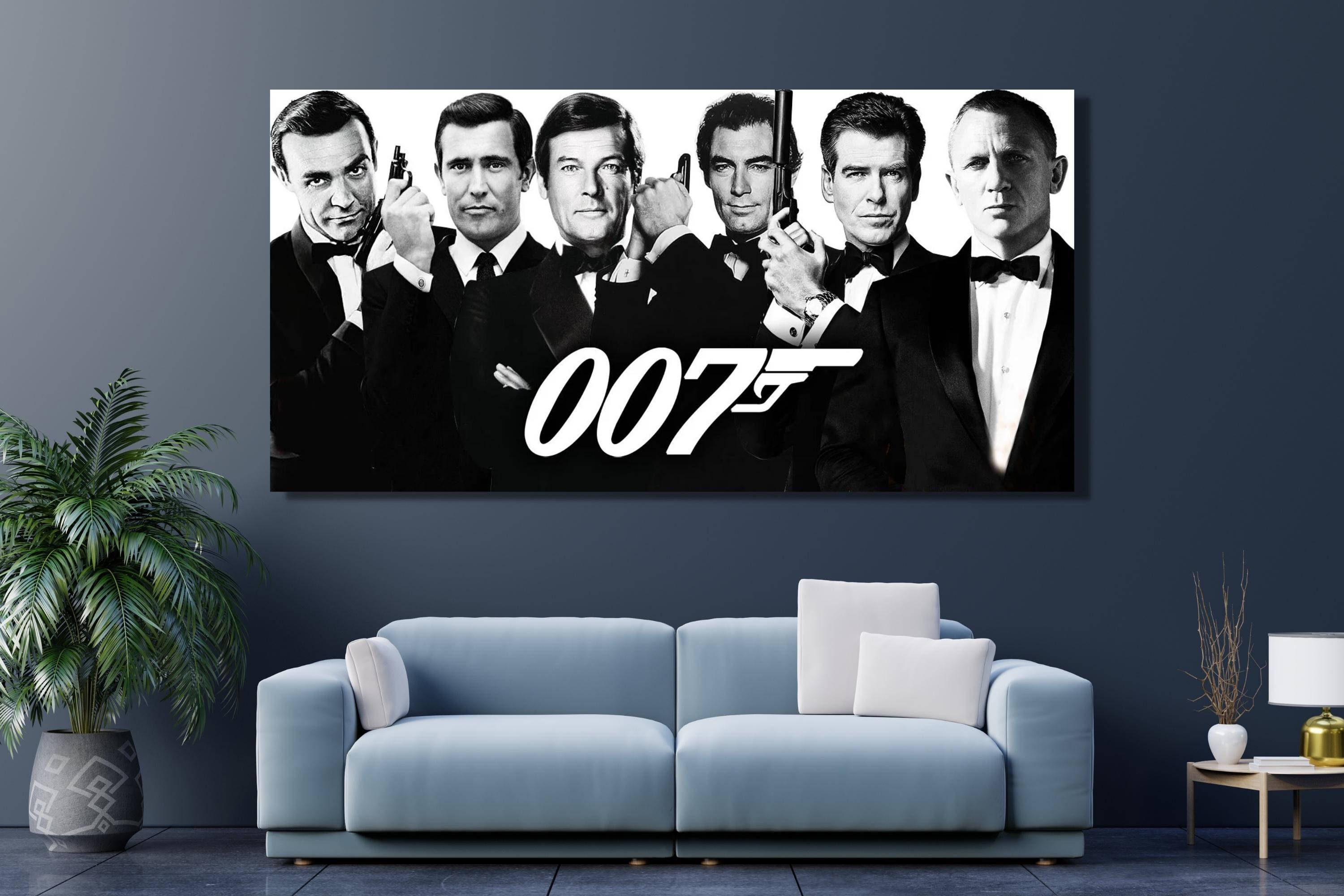
To date, six actors have officially portrayed James Bond in the Eon Productions film franchise: Sean Connery, George Lazenby, Roger Moore, Timothy Dalton, Pierce Brosnan, and Daniel Craig. While others played the role in unofficial projects, these six men defined the cinematic icon over 25 films, spanning from 1962’s Dr. No to 2021’s No Time to Die.
The Evolution of 007: From Literary Roots to Cinematic Icon
The character of James Bond was born in 1953 from the pen of Ian Fleming, a former naval intelligence officer. While the novels provided a gritty, somewhat cynical blueprint, the cinematic adaptation required a transformation into a global brand. The challenge for casting directors over the last six decades has been to find an actor who embodies the "blunt instrument" described by Fleming while maintaining the sophisticated allure expected by modern audiences.
As of 2026, the franchise stands at a unique crossroads. Following the definitive conclusion of the Daniel Craig era, the search for the seventh Bond has become a cultural touchstone, highlighting how each previous actor brought a specific flavor of their decade to the role. Understanding the complete cast requires looking at the technical transitions, the shift in tone from camp to realism, and the distinct physicalities each man brought to the character.
Sean Connery: The Original Architect (1962–1967, 1971)
Sean Connery is widely regarded as the definitive James Bond. A former bodybuilder from Scotland, Connery was not Ian Fleming’s first choice; the author initially feared Connery was too unrefined. However, under the direction of Terence Young, Connery developed a "graceful brutality" that became the series' hallmark.
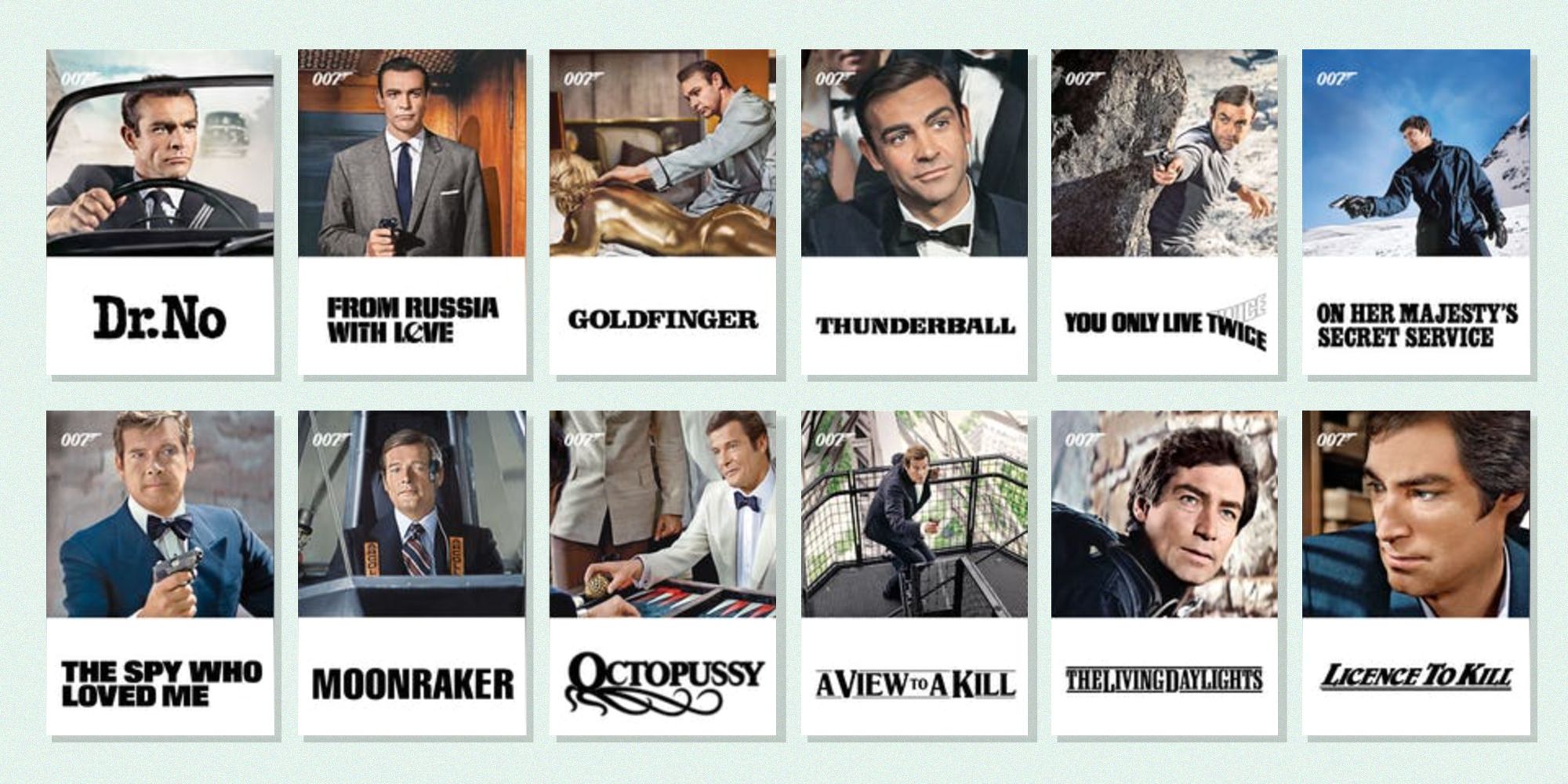
Connery starred in the first five films: Dr. No (1962), From Russia with Love (1963), Goldfinger (1964), Thunderball (1965), and You Only Live Twice (1967). His portrayal combined a lethal coldness with a dry, effortless wit. After a brief hiatus, he returned for Diamonds Are Forever (1971) to help stabilize the franchise financially.
His contribution cannot be overstated. Connery established the "Bond tropes"—the delivery of the "Bond, James Bond" introduction, the preference for a vodka martini (shaken, not stirred), and the uneasy relationship with the gadget-master Q. Even his 1983 return in the non-Eon film Never Say Never Again demonstrated the enduring power of his interpretation.
George Lazenby: The Brief Departure (1969)
When Connery first stepped away, producers took a massive gamble on George Lazenby, an Australian model with no prior acting experience. Lazenby’s sole outing, On Her Majesty’s Secret Service (1969), is historically significant for being the first film to show Bond’s vulnerability.
In this film, Bond falls in love and marries Tracy di Vicenzo, only for her to be murdered in the final scene. Lazenby’s performance was more physical and less polished than Connery’s, which polarized audiences at the time. However, in recent decades, film historians have re-evaluated the film as one of the best in the series due to its emotional stakes and Peter Hunt’s innovative direction. Lazenby famously turned down a seven-film contract, believing the Bond character was a relic of the past that would not survive into the 1970s—a decision that remains one of Hollywood’s most famous career miscalculations.
Roger Moore: The Suave Entertainer (1973–1985)
Roger Moore took over during a period when the franchise needed to adapt to the changing cinematic landscape of the 1970s. Moore brought a distinct sense of levity and "safari-suit" sophistication. Unlike Connery’s brooding killer, Moore’s Bond was an unflappable gentleman who relied more on gadgets and charm than raw physical force.
Moore is the longest-serving official Bond in terms of years (12 years) and tied for the most films (7). His tenure included Live and Let Die (1973), The Man with the Golden Gun (1974), The Spy Who Loved Me (1977), Moonraker (1979), For Your Eyes Only (1981), Octopussy (1983), and A View to a Kill (1985).
During the Moore era, the films leaned into camp and grand spectacle, often parodying popular trends like Blaxploitation or the Star Wars-inspired space craze. While some critics argue his later films suffered from his advancing age, Moore remains beloved for keeping the franchise afloat during a decade of intense competition.
Timothy Dalton: The Gritty Forerunner (1987–1989)
Timothy Dalton’s casting represented a deliberate "back-to-basics" approach. A trained Shakespearean actor, Dalton wanted to move away from Moore’s humor and return to the darker, more serious Bond found in Fleming’s novels.
He starred in only two films: The Living Daylights (1987) and Licence to Kill (1989). The latter was particularly groundbreaking, featuring a revenge-driven plot that saw Bond go rogue. It was the first film in the series to receive a PG-13 rating in the United States, reflecting its increased violence and darker tone.
Dalton was arguably ahead of his time. The gritty realism he introduced was a precursor to the Daniel Craig era, but 1980s audiences were not entirely ready for a Bond who didn't crack jokes. Legal battles between Eon Productions and MGM led to a six-year hiatus after 1989, during which Dalton eventually resigned from the role.
Pierce Brosnan: The Bridge to the 21st Century (1995–2002)
Pierce Brosnan was the actor many felt was "born" to play the role, having almost been cast in 1986 before a contract dispute with the TV show Remington Steele intervened. When he finally debuted in GoldenEye (1995), he successfully modernized Bond for a post-Cold War world.
Brosnan’s Bond was a hybrid: he possessed Connery’s ruthlessness, Moore’s elegance, and Dalton’s intensity. His films—GoldenEye, Tomorrow Never Dies (1997), The World Is Not Enough (1999), and Die Another Day (2002)—were massive commercial successes.
However, the Brosnan era also grappled with the franchise's identity. While GoldenEye was a critically acclaimed reboot, Die Another Day was criticized for its over-reliance on CGI and invisible cars. This tonal shift eventually led the producers to decide that the series needed another radical reinvention, leading to Brosnan’s departure despite his immense popularity.
Daniel Craig: The Humanized Hero (2006–2021)
Daniel Craig’s casting was initially controversial; fans famously protested a "blonde Bond." However, 2006’s Casino Royale silenced critics by providing an origin story that stripped away the gadgets and the puns, focusing instead on a bruised, bleeding, and emotionally scarred 007.
Craig’s tenure was characterized by a continuous narrative arc, a first for the franchise. His films—Casino Royale, Quantum of Solace (2008), Skyfall (2012), Spectre (2015), and No Time to Die (2021)—explored Bond’s childhood, his mortality, and his capacity for loss.
Skyfall remains the highest-grossing film in the series, proving that a serious, character-driven Bond could achieve massive blockbuster status. Craig concluded his run with No Time to Die, which featured the unprecedented move of killing off the character, effectively closing the book on this specific iteration of 007 and leaving a blank slate for the future.
Comparing the Official James Bond Actors
The following table provides a technical breakdown of the six official Eon Productions Bond actors, their career spans, and their filmic output.
| Actor | Tenure Years | Number of Films | Debut Film | Final Film |
|---|---|---|---|---|
| Sean Connery | 1962–1971* | 6 | Dr. No | Diamonds Are Forever |
| George Lazenby | 1969 | 1 | On Her Majesty's Secret Service | On Her Majesty's Secret Service |
| Roger Moore | 1973–1985 | 7 | Live and Let Die | A View to a Kill |
| Timothy Dalton | 1987–1989 | 2 | The Living Daylights | Licence to Kill |
| Pierce Brosnan | 1995–2002 | 4 | GoldenEye | Die Another Day |
| Daniel Craig | 2006–2021 | 5 | Casino Royale | No Time to Die |
*Note: Connery's tenure excludes the non-Eon film "Never Say Never Again" (1983).
The Unofficial Bonds: Expanding the 007 Universe
While the six actors above are the "canonical" Bonds, others have portrayed the character in different media or unofficial productions. These are often excluded from cast guides but are essential for a complete historical understanding:
- Barry Nelson (1954): The very first actor to play James Bond on screen was actually an American. He starred in a live television adaptation of Casino Royale for the anthology series Climax!. He played "Jimmy Bond," an American agent.
- David Niven (1967): In the 1967 satirical version of Casino Royale, David Niven played an aging, retired Sir James Bond. This film was a chaotic parody and is not part of the Eon Productions timeline.
- Bob Holness (1956): Before the films existed, Holness played Bond in a South African radio adaptation of Moonraker.
The Casting Process and the Future of 007 in 2026
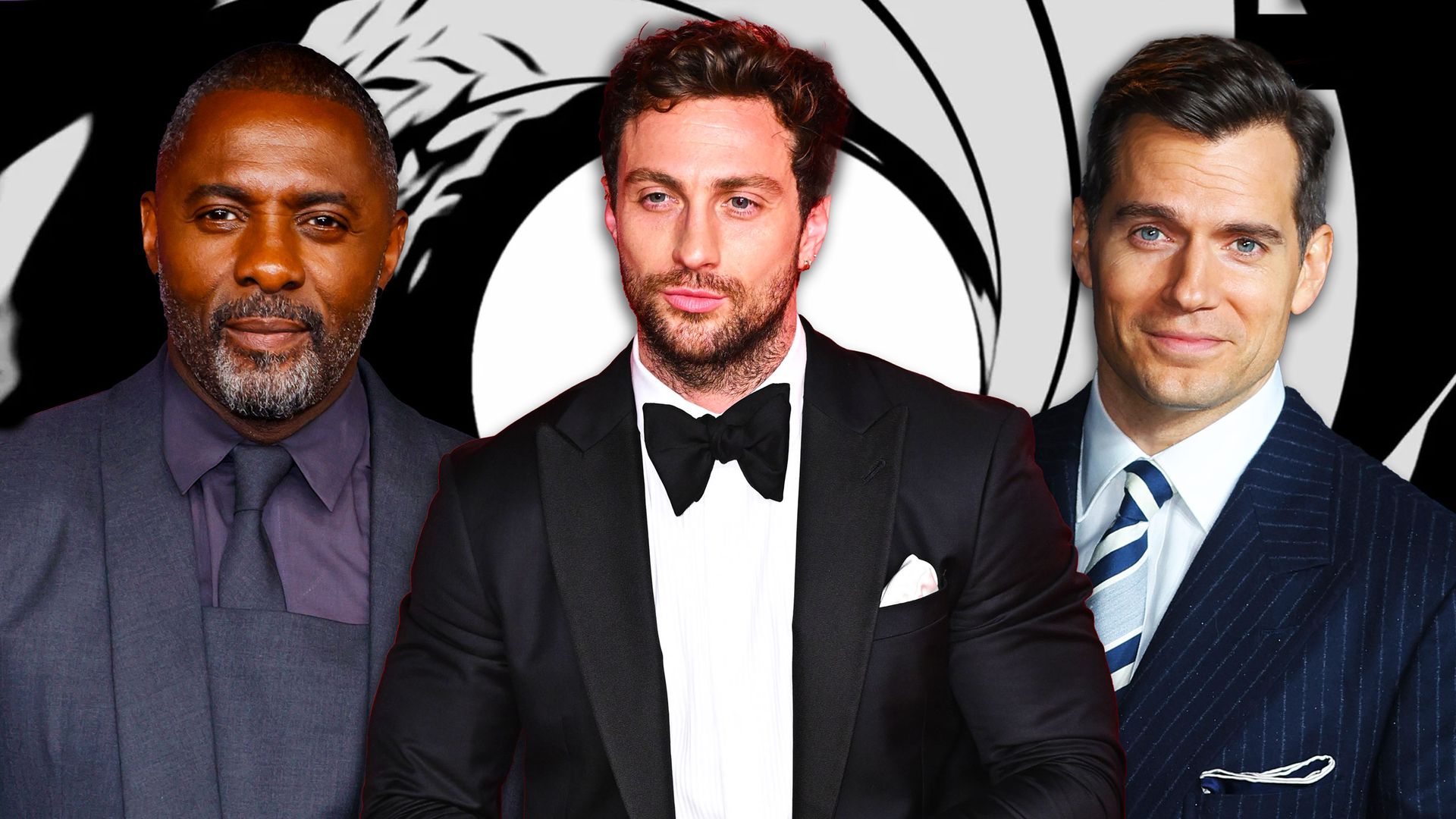
As of 2026, the question of "Who will be the next Bond?" remains the most prominent topic in the franchise's history. The producers, Barbara Broccoli and Michael G. Wilson, have historically looked for actors in their late 20s to late 30s who can commit to a decade or more of filming.
The technical requirements for the role have shifted. In the 1960s, a background in stunt work or physical fitness was preferred. Today, an actor must also have the dramatic range to carry serialized storylines. Names often cited in 2026 discussions include actors who can balance the required British "stiff upper lip" with the modern demand for emotional depth and physical athleticism. The next actor will not just be replacing Daniel Craig; they will be tasked with re-establishing the tone for a new generation of cinema-goers.
Frequently Asked Questions
Which actor played James Bond the most times?
Roger Moore holds the record for the most official Eon Productions films, with seven appearances. Sean Connery also played the character seven times if you include the non-official Never Say Never Again, but only six of his films are part of the main Eon canon.
Who was the youngest actor to play James Bond?
George Lazenby was the youngest actor to take on the role, being only 29 years old when he filmed On Her Majesty’s Secret Service. Conversely, Roger Moore was the oldest, finishing his tenure in A View to a Kill at the age of 57.
Why was Daniel Craig's James Bond so different?
The Craig era was a "reboot," meaning it ignored the continuity of the previous 20 films. This allowed the writers to create a serialized story where Bond's actions had long-term consequences, focusing on his psychological profile and his evolution from a "00" novice to a veteran agent.
Are all the James Bond movies connected?
Prior to the Daniel Craig era, the films operated mostly as standalone adventures with loose continuity (such as recurring villains like Blofeld or mentions of Bond’s deceased wife). The Daniel Craig films, however, are strictly connected, forming one continuous story from Casino Royale through No Time to Die.
How to Begin a James Bond Marathon
For those looking to explore the complete cast, the best approach is to watch the debut film for each actor. This allows you to see how the character's interpretation changed immediately with the change in personnel. Start with Dr. No (Connery), then On Her Majesty’s Secret Service (Lazenby), Live and Let Die (Moore), The Living Daylights (Dalton), GoldenEye (Brosnan), and Casino Royale (Craig). This provides a comprehensive overview of the franchise's evolution without requiring a 25-film commitment upfront.