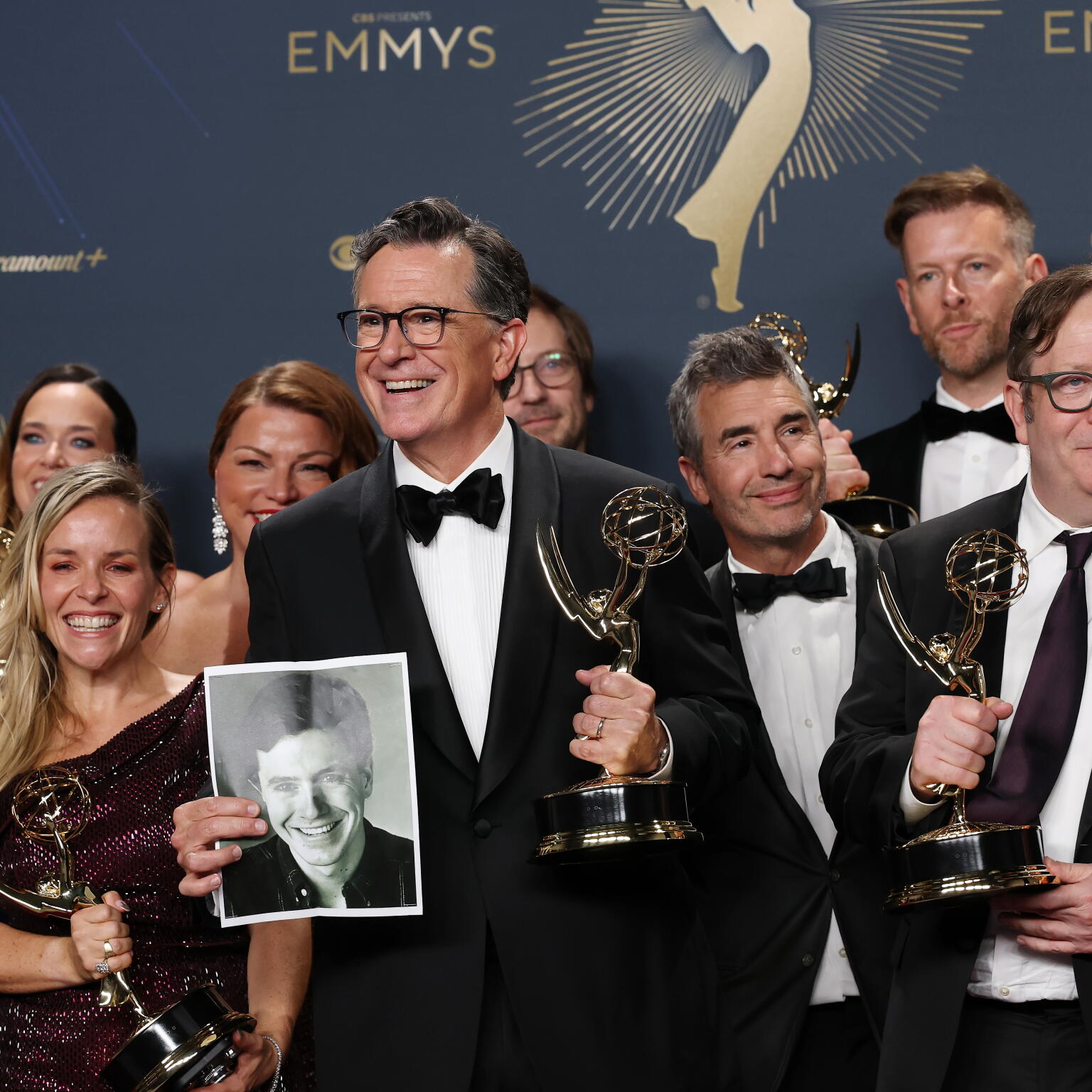
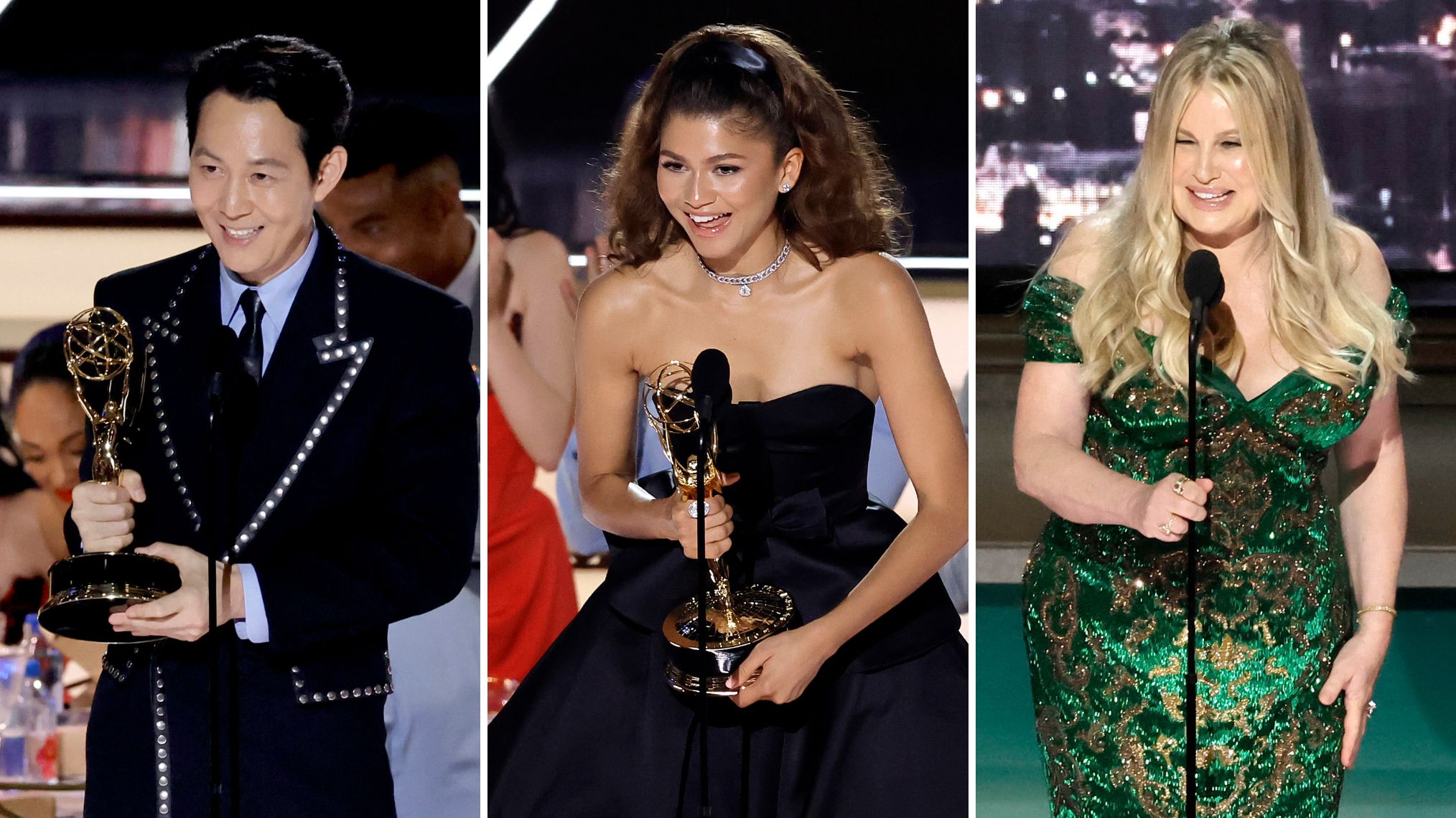
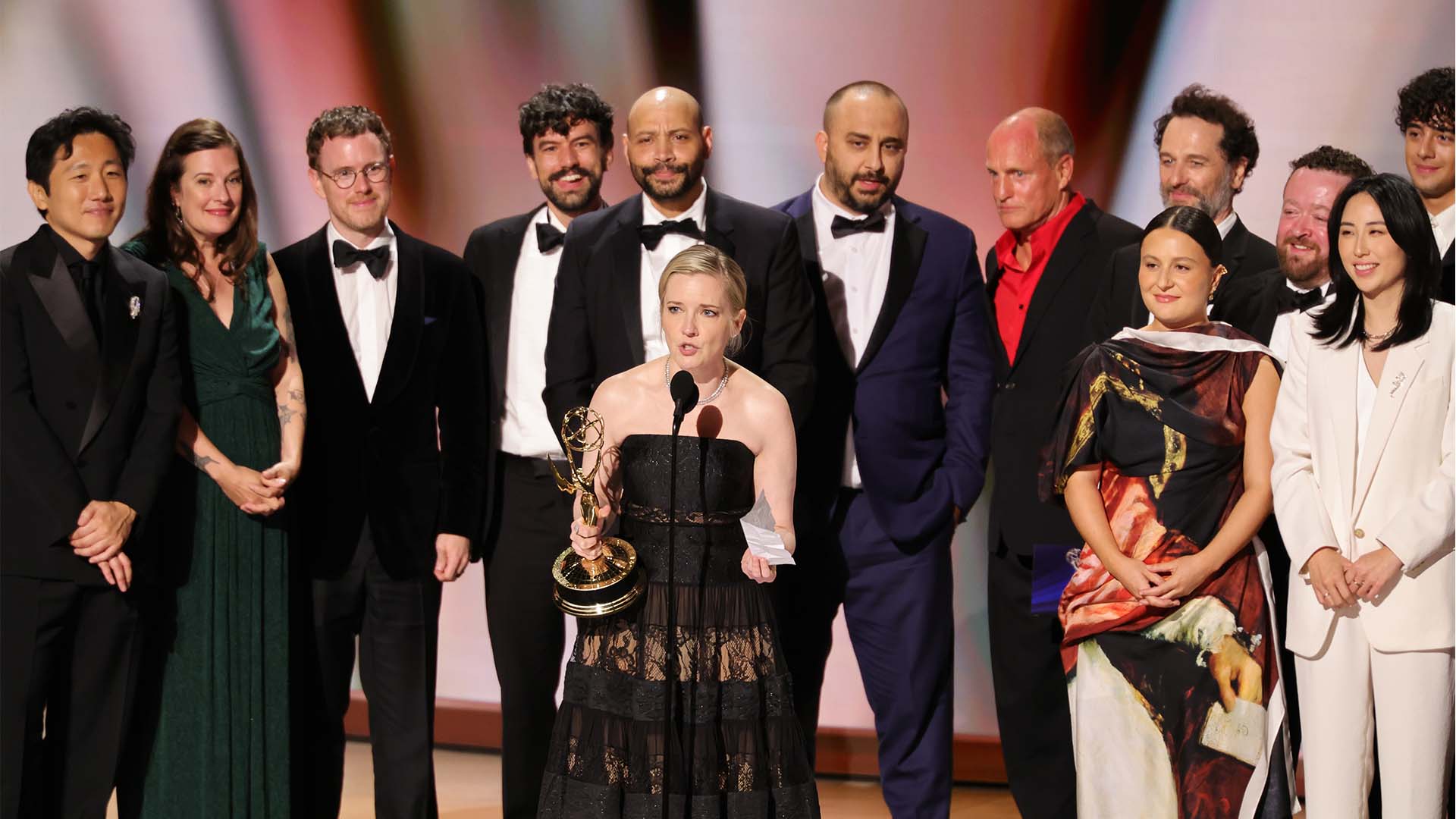
The Emmy Awards serve as the premier recognition of excellence in the television industry, honoring outstanding achievements across various sectors, including primetime programming, daytime shows, news, and sports. Administered by the Television Academy and the National Academy of Television Arts & Sciences, these awards have documented thousands of winners and hundreds of evolving categories since their inception in 1949.
The Evolution of the Emmy Awards: From Local Origins to Global Significance
The history of the Emmy Awards is a reflection of the evolution of the television medium itself. Established by the Academy of Television Arts & Sciences (ATAS), the first ceremony took place on January 25, 1949, at the Hollywood Athletic Club. In its earliest form, the Emmy Awards were a local Los Angeles event, designed to foster a sense of prestige for the burgeoning "small screen" industry that many in the film world initially dismissed.
The name "Emmy" originated from "Immy," a nickname for the image orthicon tube, a critical component of early television cameras. The iconic statuette—a winged woman holding an electron—was designed by television engineer Louis McManus, symbolizing the marriage of art (the wings) and science (the electron). As television technology expanded from local broadcasts to national networks, the awards followed suit. By the mid-1950s, the Emmys had become a national phenomenon, and in 1955, the National Academy of Television Arts & Sciences (NATAS) was formed as a sister organization to handle national interests and specialized categories.
Over the decades, the Emmy landscape has fractured and expanded to remain relevant. What began as a handful of categories has grown into a massive ecosystem of ceremonies. This expansion was necessary to accommodate the shift from the "Big Three" networks (ABC, CBS, NBC) to the rise of cable giants like HBO in the 1990s and the eventual dominance of streaming platforms like Netflix, Apple TV+, and Hulu in the 2010s and 2020s. As of 2026, the Emmy Awards represent the ultimate benchmark for quality in an era of "Peak TV," where thousands of hours of content are produced annually.
Understanding the Primary Emmy Award Competitions
To navigate the complete reference of winners, one must first understand that there is no single "Emmy Award" ceremony. Instead, the honors are divided among several distinct competitions, each overseen by specific branches of the Academy.
Primetime Emmy Awards
The Primetime Emmys are the most recognized and widely televised of the ceremonies. They focus on American primetime commercial programming. These awards are divided into two main events: the Creative Arts Emmy Awards (which honor technical achievements like cinematography, editing, and guest acting) and the Primetime Emmy Awards telecast, which focuses on the high-profile categories like Outstanding Drama Series, Outstanding Comedy Series, and lead acting roles.
Daytime Emmy Awards
Overseen by NATAS, the Daytime Emmys recognize excellence in programming that airs during the day. This includes legendary soap operas, talk shows, culinary programs, and game shows. While the Primetime Emmys often receive more mainstream media attention, the Daytime Emmys have a storied history of honoring some of the most loyal fanbases in television history.
International Emmy Awards
The International Academy of Television Arts & Sciences administers these awards, which focus on programs produced and aired outside the United States. In recent years, with the globalization of content through streaming, the International Emmys have gained significant traction, highlighting the cross-cultural appeal of television.
News, Documentary, and Sports Emmys
Specialized ceremonies are held annually to recognize the rigorous work of journalists, documentary filmmakers, and sports broadcasters. These categories are judged by peers with specific expertise in these fields, ensuring that technical accuracy and journalistic integrity are weighted alongside production value.
Major Award Categories and Eligibility Requirements
The categories within the Emmy Awards are categorized by genre and discipline. As of the current 2026 landscape, the "Big Three" genres remain Drama, Comedy, and Limited or Anthology Series.
- Outstanding Drama Series: This is considered the "heavyweight" category. Programs must consist of at least six episodes and maintain a continuous narrative thread across the season.
- Outstanding Comedy Series: Historically defined by a 30-minute runtime, this category now focuses more on the tone of the content, though the "six-episode minimum" rule still applies.
- Outstanding Limited or Anthology Series: This category has seen a massive surge in prestige. A limited series must tell a complete, non-recurring story in two or more episodes with a total running time of at least 150 program minutes.
Eligibility is strictly controlled. To be considered for the 2026 Emmy cycle, programs must have been broadcast or streamed in the United States during the eligibility period, which typically runs from June 1 of the previous year to May 31 of the current year. Producers must "submit" their work for consideration; the Academy does not automatically review every show on television. This submission process involves choosing the correct category, which can sometimes be a strategic decision—for example, deciding whether a show with dark themes should compete as a "Comedy" or a "Drama" to increase its chances of winning.
Historical Reference of Record-Breaking Winners
Tracking all Emmy winners reveals certain patterns of dominance by specific shows and individuals. These records provide a snapshot of what the industry considers the "gold standard" of television at various points in history.
| Show / Individual | Category/Record Type | Approximate Total Wins (as of 2026) | Significance |
|---|---|---|---|
| Saturday Night Live | Most Wins for a Series | 90+ | Longevity and excellence in variety and sketch writing. |
| Game of Thrones | Most Wins for a Drama Series | 59 | Set the bar for high-budget, cinematic television. |
| Frasier | Most Wins for a Comedy Series | 37 | Held the record for years until surpassed by SNL and GoT. |
| Julia Louis-Dreyfus | Most Wins as a Performer (Same Role) | 8 | Dominance in Veep and Seinfeld. |
| Cloris Leachman | Most Wins by a Performer (Total) | 8 | Won across multiple genres and decades. |
| Succession | Recent Dominance (Drama) | 19 | Defined the "Prestige TV" era of the early 2020s. |
| The Bear | Recent Dominance (Comedy) | 10+ | Redefined the "Comedy" genre with high-intensity storytelling. |
While these numbers fluctuate slightly each year as new seasons are released and ceremonies are held, the dominance of Saturday Night Live remains unchallenged due to its 50-year history and hundreds of nominations across technical and performance categories. In the acting realm, the record for most wins is often a tie or a close race between legends like Julia Louis-Dreyfus and the late Cloris Leachman.
The Voting and Selection Process: How Winners Are Determined
One of the most common questions regarding the Emmy Awards is how the winners are actually chosen. Unlike the People's Choice Awards, which rely on popular vote, the Emmys are a "peer-to-peer" honor.
- Peer Groups: The Television Academy is divided into nearly 30 peer groups, such as Actors, Directors, Writers, Producers, and Cinematographers. Members must meet specific professional requirements to join their respective groups.
- The Nomination Phase: Members vote within their own peer group to determine the nominees. For example, only writers vote for the writing categories. However, all members vote for the "Program" categories, such as Outstanding Comedy Series.
- The Final Voting Phase: Once nominees are announced, final voting begins. In years past, this involved blue-ribbon panels where small groups watched specific "at-home" tapes. Today, the process is largely online, allowing the entire eligible membership to vote in their designated categories.
- Accounting: The results are tabulated by an independent accounting firm (historically Ernst & Young) and kept secret until the envelopes are opened on stage.
This process is designed to ensure that winners are recognized by those who truly understand the technical and creative challenges of their specific craft. However, it also leads to criticism regarding "incumbency bias," where the same popular shows win year after year because voters are familiar with them.
Navigating the Emmy Archives: How to Verify Past Winners
For researchers, journalists, and fans looking to find specific winners from the 1950s through 2026, the primary resource is the official Television Academy Emmy Awards Database. This searchable archive allows users to filter by year, category, and nominee name.
When searching the archives, it is important to remember that category names have changed frequently. For instance, what we now call "Outstanding Supporting Actor" might have been listed as "Best Supporting Actor" or grouped into a general "Performance" category in the 1950s. Furthermore, the "Limited Series" category has undergone multiple name changes, previously known as "Miniseries" or "Outstanding Special Program."
For those interested in the Daytime Emmys, the National Academy of Television Arts & Sciences (NATAS) maintains a separate database. Because these two organizations are distinct, a "complete" reference often requires cross-referencing both sites, especially for programs that may have transitioned from daytime to primetime or vice versa.
Frequently Asked Questions
What is the difference between the Primetime and Daytime Emmys?
The primary difference is the time of day the program traditionally airs and the governing body. The Primetime Emmys (ATAS) honor shows airing between 6:00 PM and 2:00 AM. The Daytime Emmys (NATAS) honor shows airing between 2:00 AM and 6:00 PM. Each has its own distinct set of categories tailored to the formats prevalent in those time slots, such as soap operas for daytime and high-concept dramas for primetime.
Can a streaming show win an Emmy?
Yes, since 2013, streaming services have been eligible for Emmy Awards. House of Cards was the first streaming series to earn major nominations, and The Handmaid's Tale (Hulu) was the first streaming series to win Outstanding Drama Series in 2017. In the years leading up to 2026, streaming services like Netflix, Apple TV+, and Disney+ have frequently outpaced traditional broadcast networks in total wins.
Who has the most Emmy wins in history?
The record for the most Emmy wins by an individual is held by Sheila Nevins, the former president of HBO Documentary and Family Programming, who has over 30 wins. For performers, the record is eight wins, held by Julia Louis-Dreyfus and Cloris Leachman. Saturday Night Live holds the record for the program with the most total wins.
How are categories decided for "dramedies"?
The Academy previously used a "runtime" rule (30 minutes for comedy, 60 for drama), but this was largely abandoned in the early 2020s. Currently, producers must petition the Academy to enter a specific category. A panel then reviews the show to ensure the category placement is appropriate based on the "preponderance" of comedic or dramatic elements.
When are the 2026 Emmy Awards held?
The Primetime Emmy Awards are traditionally held in mid-September to coincide with the start of the fall television season. The Creative Arts Emmys usually take place the weekend prior to the main telecast. Specific dates for 2026 are typically announced by the Television Academy early in the calendar year.
Utilizing the Emmy Database for Career and Historical Research
To effectively use the Emmy winners' reference for your own projects or general knowledge, always verify the "Year of Ceremony" versus the "Year of Eligibility." Because the eligibility window ends in May but the ceremony happens in September, a show that aired in late 2025 will be recognized as a "2026 winner." For the most accurate and up-to-date information, regularly check the official Emmy websites and the trade publications like Variety and The Hollywood Reporter, which provide detailed analysis of voting trends and category shifts.