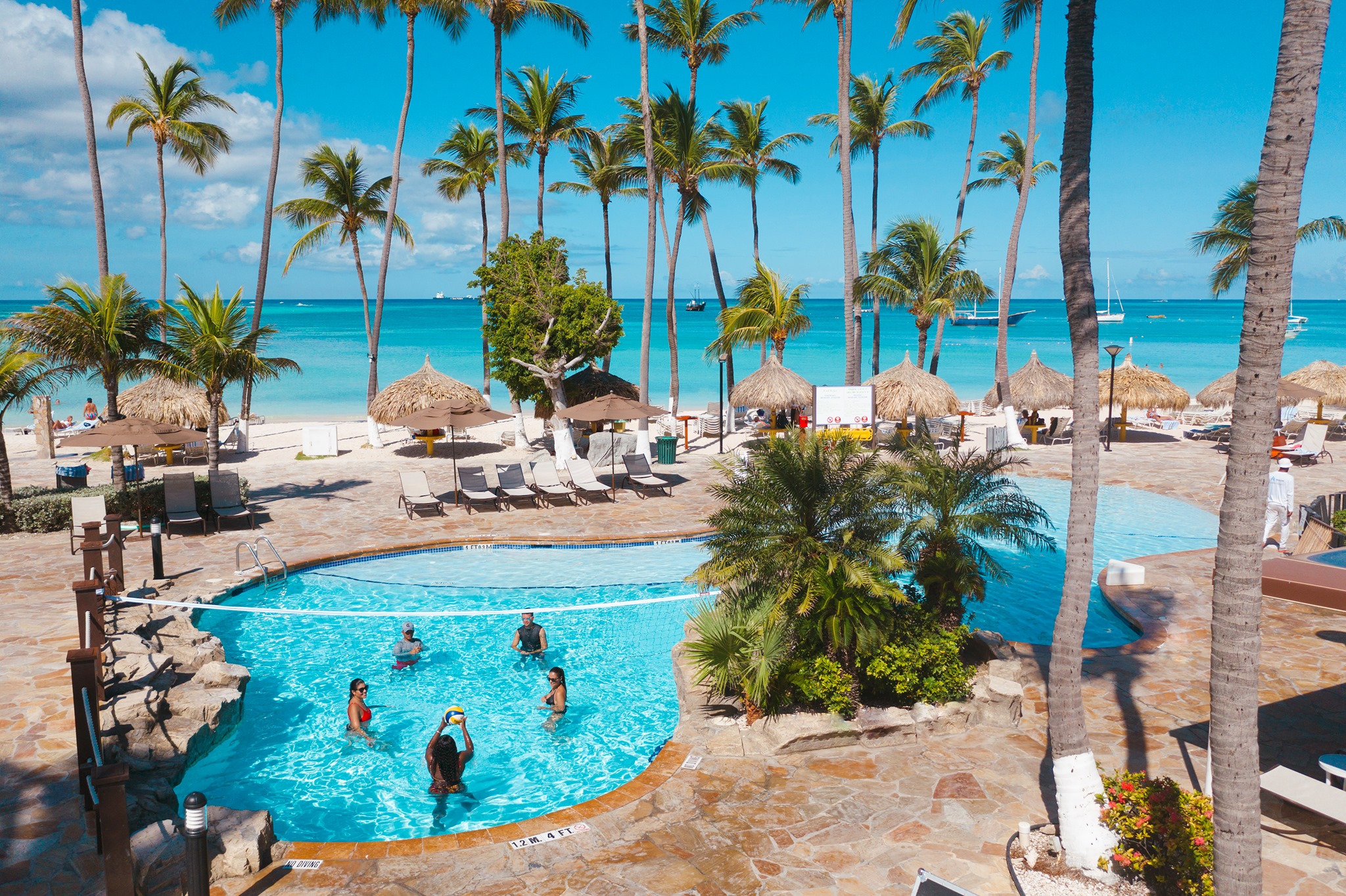
An all-inclusive vacation is a travel package where the upfront price typically covers lodging, three meals daily, soft drinks, most alcoholic beverages, gratuities, and various onsite activities. This model is designed to provide a predictable cost structure, allowing travelers to experience a resort's amenities without paying for individual services a la carte.
The landscape of all-inclusive travel has evolved significantly by 2026. What was once associated primarily with mid-range buffets and crowded pool areas has transformed into a sophisticated market ranging from budget-friendly family escapes to hyper-luxurious, "ultra-all-inclusive" private island retreats. Understanding the nuances of these packages is essential for determining if the model offers genuine value for your specific travel needs.
Defining the Scope: What "All-Inclusive" Actually Means
At its core, the all-inclusive (AI) model seeks to remove the friction of transactional travel. However, the term is not legally standardized, meaning the definition of "all" varies by brand, location, and price point. Most standard packages include the room, buffet-style dining, snacks, local-brand liquors, and non-motorized water sports (such as kayaking or snorkeling).
In 2026, the industry has largely shifted toward "tiered inclusion." Premium tiers often add a la carte dining at specialty restaurants, top-shelf international spirits, 24-hour room service, and airport transfers. When evaluating a property, it is critical to distinguish between a "Standard" package and "Premium" or "Excellence" levels, as the latter often provides access to exclusive lounges, private beach areas, and dedicated concierge services that define the modern high-end experience.
The Evolution of Dining and Beverage Programs
The "buffet-only" reputation of the past has been replaced by diverse culinary programs. Modern resorts often feature multiple themed restaurants—ranging from French fine dining to authentic local cuisine—where ingredients are increasingly sourced from onsite hydroponic farms or local cooperatives.
Beverage programs have also seen a technical upgrade. While standard packages might cover "well" spirits, premium packages in 2026 frequently include curated wine lists and craft cocktail programs. It is important to verify whether specialty coffees, bottled water, and minibar restocks are included, as these remain common "extra-fee" items at lower-tier resorts.
Categorizing the All-Inclusive Market
To choose the right experience, travelers must identify the specific niche a resort serves. The market is currently segmented into three primary categories:
- Family-Centric Resorts: These properties focus on multi-generational amenities. They typically feature water parks, supervised kids' clubs divided by age group (toddlers, tweens, and teens), and family-sized suites. The value here lies in the "built-in" entertainment that would otherwise cost hundreds of dollars per day.
- Adults-Only and Couples Resorts: Designed for romance or social atmospheres, these resorts prohibit guests under 18 or 21. They tend to prioritize sophisticated dining, expansive spa facilities, and nightlife. By 2026, many of these properties have integrated "wellness-inclusive" features, such as daily yoga, meditation sessions, and nutritional consulting.
- Boutique and Luxury "Ultra" All-Inclusives: These are smaller properties (often under 100 rooms) where the service ratio is high. "Ultra" usually implies that almost everything—including spa treatments, motorized excursions, and premium champagne—is included in the base rate.
Financial Analysis: All-Inclusive vs. European Plan
The decision to go all-inclusive often comes down to the "Cost Per Person Per Night" (CPPN). In the travel industry, the alternative is the European Plan (EP), where you pay only for the room and everything else is a la carte.
For a family of four, the EP model in a tropical destination can quickly escalate. Breakfast for four might cost $80, lunch $120, and dinner $200, excluding drinks and activities. When these costs are aggregated, an all-inclusive rate of $500–$700 per night for the family often represents a 20% to 30% savings over the EP equivalent at a similar quality level.
However, for solo travelers or light eaters who plan to spend most of their time exploring off-property, the EP model is almost always more economical. The all-inclusive model charges for the availability of services; if you do not utilize the bars, restaurants, or equipment, you are effectively subsidizing other guests.
Comparative Value Matrix (2026 Averages)
| Feature | Standard All-Inclusive | Premium/Ultra All-Inclusive | European Plan (A la Carte) |
|---|---|---|---|
| Typical Daily Cost | $150 – $300 per person | $450 – $1,200+ per person | $100 – $500 (Room only) |
| Dining Quality | Buffet + limited A la Carte | Unlimited Gourmet + Room Service | High (Total flexibility) |
| Alcohol | Local brands/House wine | Premium/Top-shelf brands | Pay per drink |
| Wi-Fi/Connectivity | Included (Standard speeds) | Included (High-speed/Starlink) | Often an extra fee |
| Best For | Budgeting, Families | Luxury, Convenience | Explorers, Foodies |
Navigating the "Hidden" Costs
Even in 2026, "all-inclusive" rarely means you will never open your wallet. Savvy travelers must account for several common exclusions that can inflate the final bill:
- Spa Treatments: While access to hydrotherapy circuits is occasionally included, massages and facials almost always cost extra.
- Motorized Water Sports: Activities requiring fuel—such as jet skis, parasailing, and boat tours—are typically excluded due to high operational costs and insurance premiums.
- Off-Site Excursions: Tours to local ruins, zip-lining, or city visits are usually managed by third-party vendors and billed separately.
- The "Premium" List: Even at high-end resorts, there is often a "Reserve" wine list or "Tomahawk steak" surcharge for items that fall outside the standard luxury inventory.
- Environmental Levies and Tourism Taxes: Many jurisdictions, particularly in the Caribbean and Mexico, charge a per-night environmental fee that is not included in the pre-paid package.
The Role of Sustainability and Technology in 2026
The all-inclusive sector has faced criticism for environmental impact, but 2026 marks a turning point in operational standards. Many leading brands have moved toward "Zero-Waste All-Inclusive" certifications. This includes the elimination of single-use plastics, the implementation of advanced gray-water recycling for resort landscaping, and carbon-offset programs integrated into the booking process.
Technologically, the experience is now guided by guest-facing apps. In 2026, most resorts use these platforms for contactless check-in, restaurant reservations (which are often mandatory at specialty venues), and "digital butler" services. According to the World Tourism Organization (UNWTO), digital integration has improved resort efficiency by 15%, allowing staff to focus more on personalized guest interaction rather than administrative tasks.
Critical Verification: How to Vet a Resort
Before booking, verify the following elements to ensure the property meets your expectations:
- Read the "Inclusions" PDF: Most reputable resorts provide a detailed breakdown of what is included. Look specifically for mention of "A la Carte" limits. Some resorts limit you to three specialty dinners per week.
- Check the Location vs. the "Hub": Many all-inclusives are located in isolated enclaves. While this provides security, it can make off-site dining or cultural exploration expensive due to high taxi fares.
- Verify the Tipping Policy: Some brands (like Sandals or Beaches) have a strict "no tipping" policy for most staff, while others expect it. Misunderstanding this can lead to awkward interactions or lower service quality.
- Consult Recent Reviews: Look for reviews within the last six months. In the resort world, quality can shift rapidly based on management changes or renovation cycles.
Frequently Asked Questions
Is "all-inclusive" worth it for someone who doesn't drink alcohol?
Yes, it can be, but the value proposition changes. You are paying for the convenience and the food. To make it worth it, you should focus on resorts that offer high-value non-alcoholic amenities, such as extensive spa access, high-end culinary experiences, and diverse fitness programming. Many modern resorts in 2026 offer "mocktail" programs that are as sophisticated as their alcoholic counterparts.
Do I need to tip at an all-inclusive resort?
It depends on the resort's specific policy. In Mexico and parts of the Caribbean, tipping is culturally common and appreciated, even if "gratuities included" is in the contract. Small tips ($1-$5) for bartenders and housekeeping can significantly enhance service. However, some brands strictly forbid staff from accepting tips to ensure equity; always check the resort's FAQ or welcome packet.
Are all-inclusive resorts safe for solo travelers?
Generally, yes. All-inclusive resorts offer a controlled environment with gated security and 24/7 staff. For solo travelers, they provide a social atmosphere where it is easy to meet others at organized activities or communal bars. In 2026, many resorts have removed the "single supplement" fee during shoulder seasons to attract the growing solo travel market.
What is the difference between "All-Inclusive" and "Full Board"?
"Full Board" typically includes three meals (breakfast, lunch, and dinner) but does not include snacks between meals or any alcoholic beverages. "All-inclusive" is more expansive, covering drinks, snacks, and usually a range of daily activities and entertainment.
Can I find all-inclusive resorts in the United States?
While the model is most prevalent in Mexico, the Caribbean, and the Mediterranean, the U.S. has a growing number of all-inclusive options. These are typically high-end wellness retreats or "luxury ranch" experiences in states like Arizona, Montana, and Vermont. They differ from the "tropical beach" model by focusing on outdoor adventures and holistic health.
Strategic Recommendation for Travelers
If your goal is total relaxation and strict budget control, the all-inclusive model is superior. To maximize your investment, choose a resort that aligns with your primary interest—whether that is gastronomy, child-care services, or wellness. For 2026 travel, we recommend booking properties that have transparent sustainability ratings and integrated mobile platforms to ensure you can secure dining reservations and activity slots well in advance. If you prefer to dine at local "hole-in-the-wall" spots and explore a different beach every day, opt for a traditional hotel and set a separate food and beverage budget.