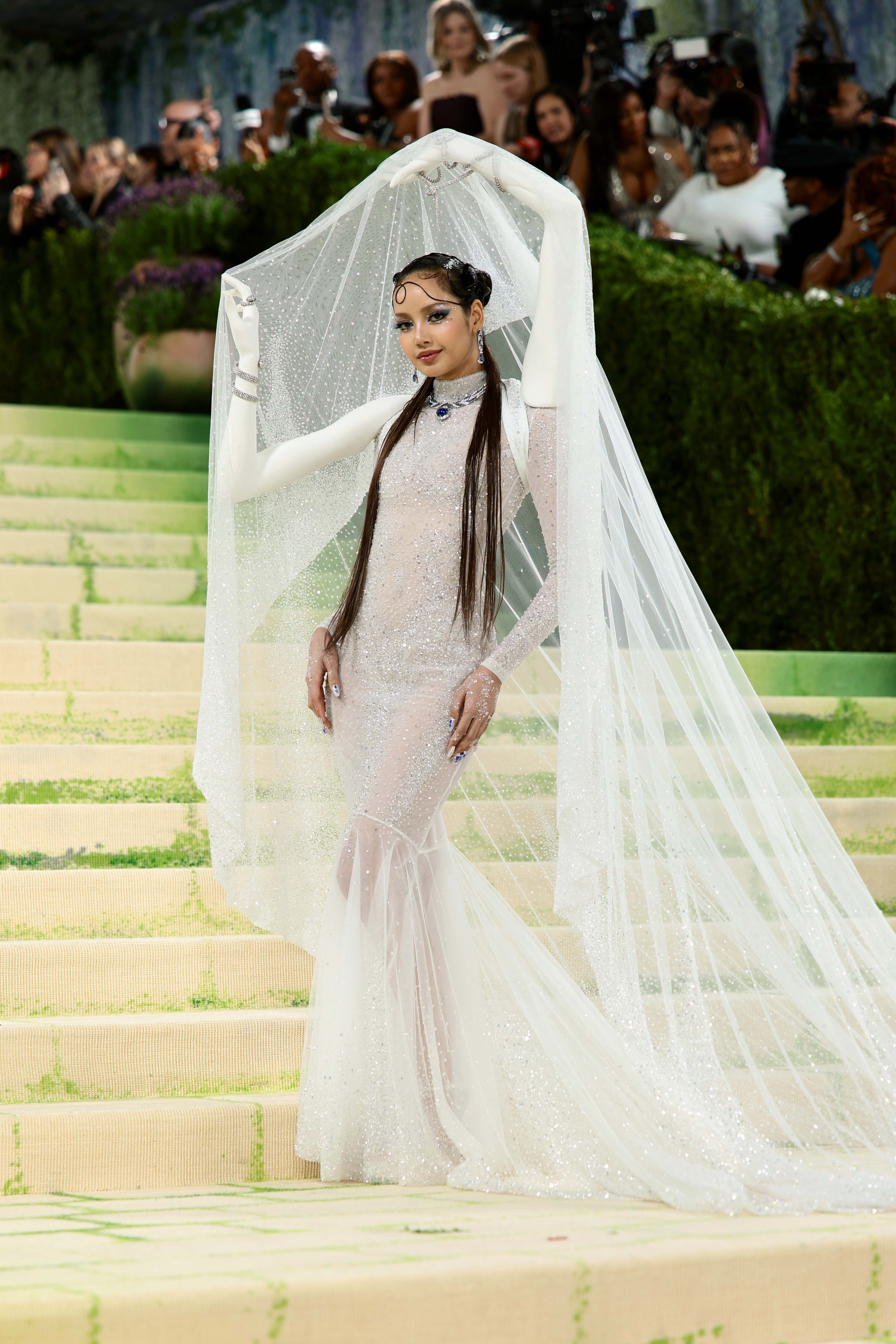
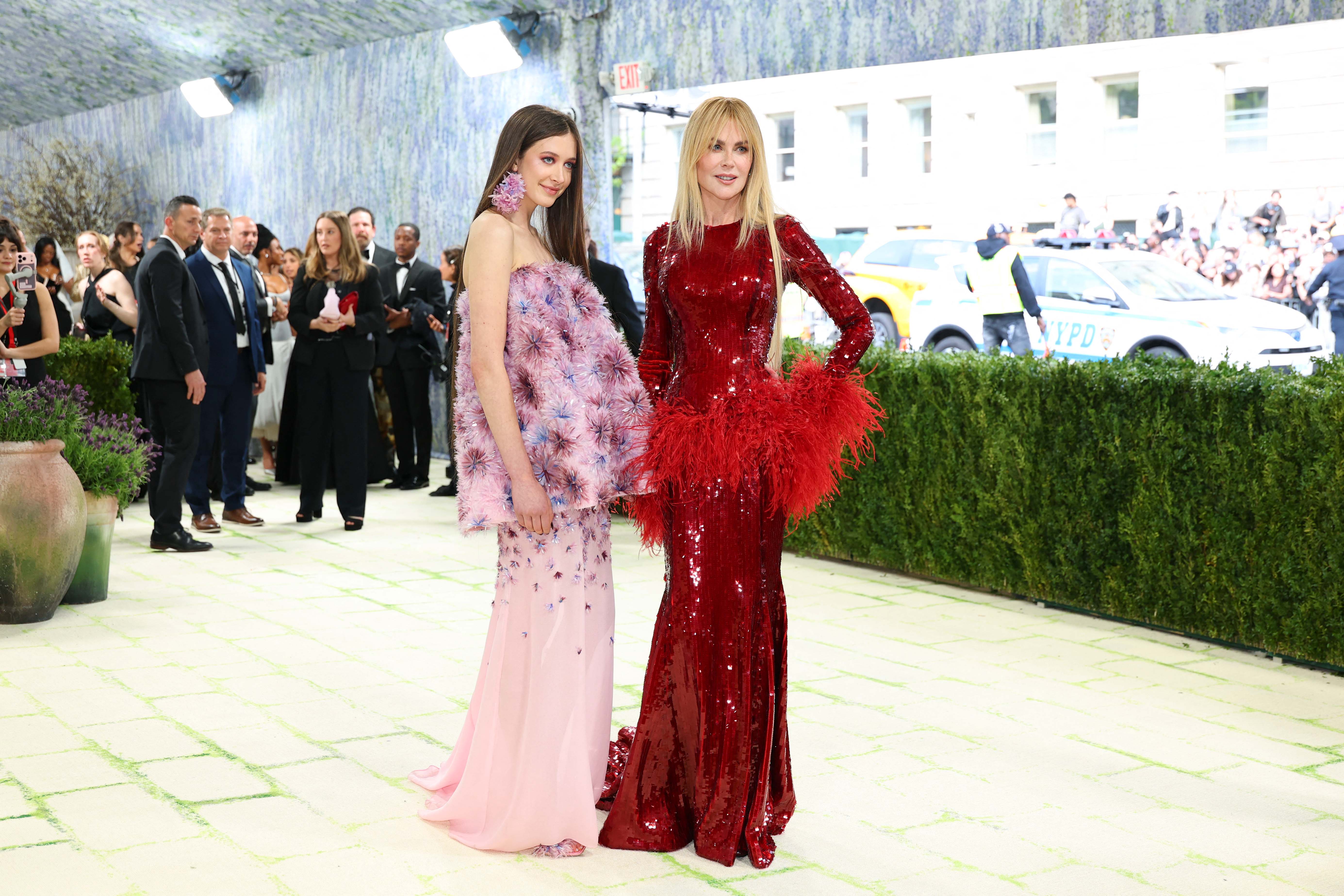
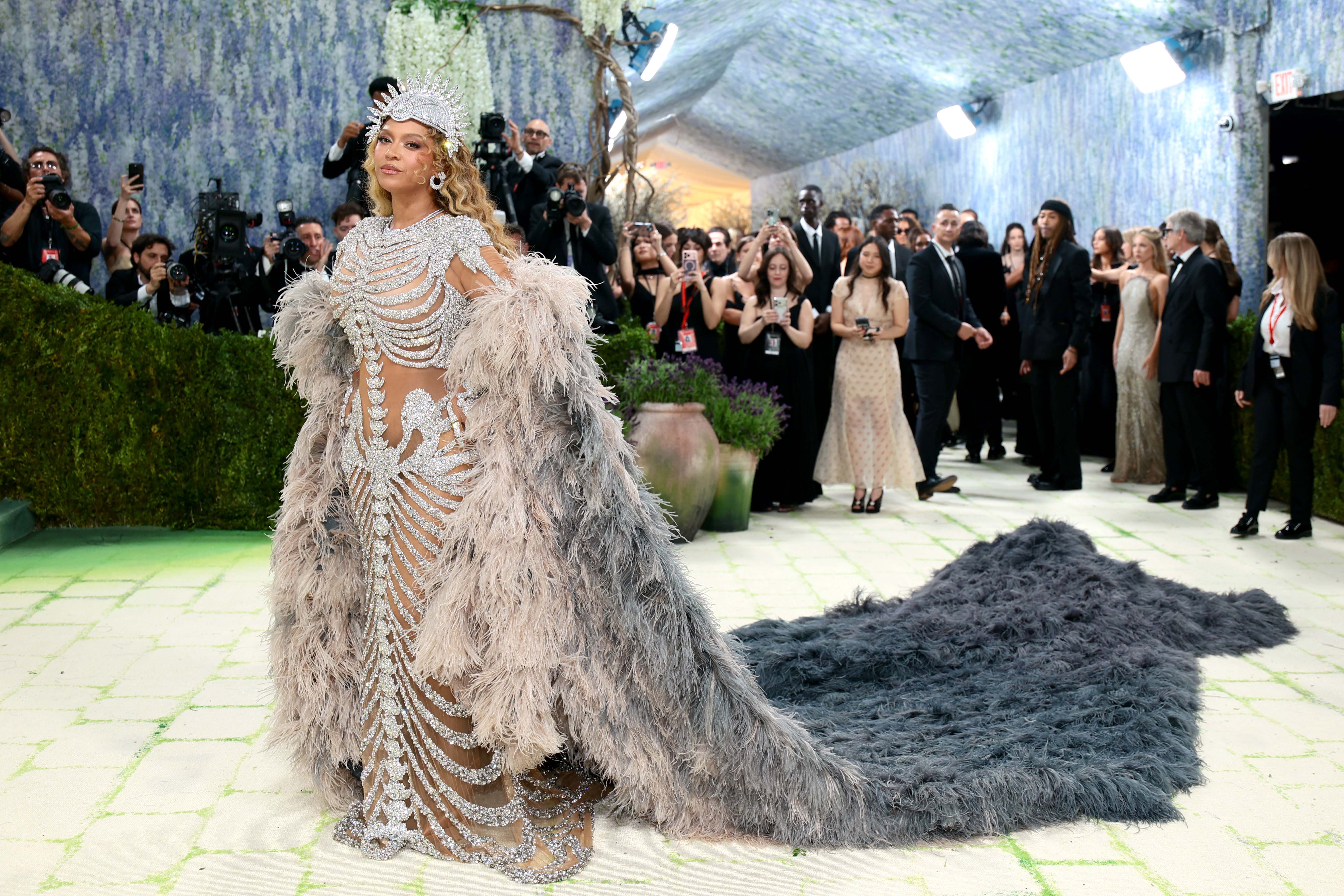
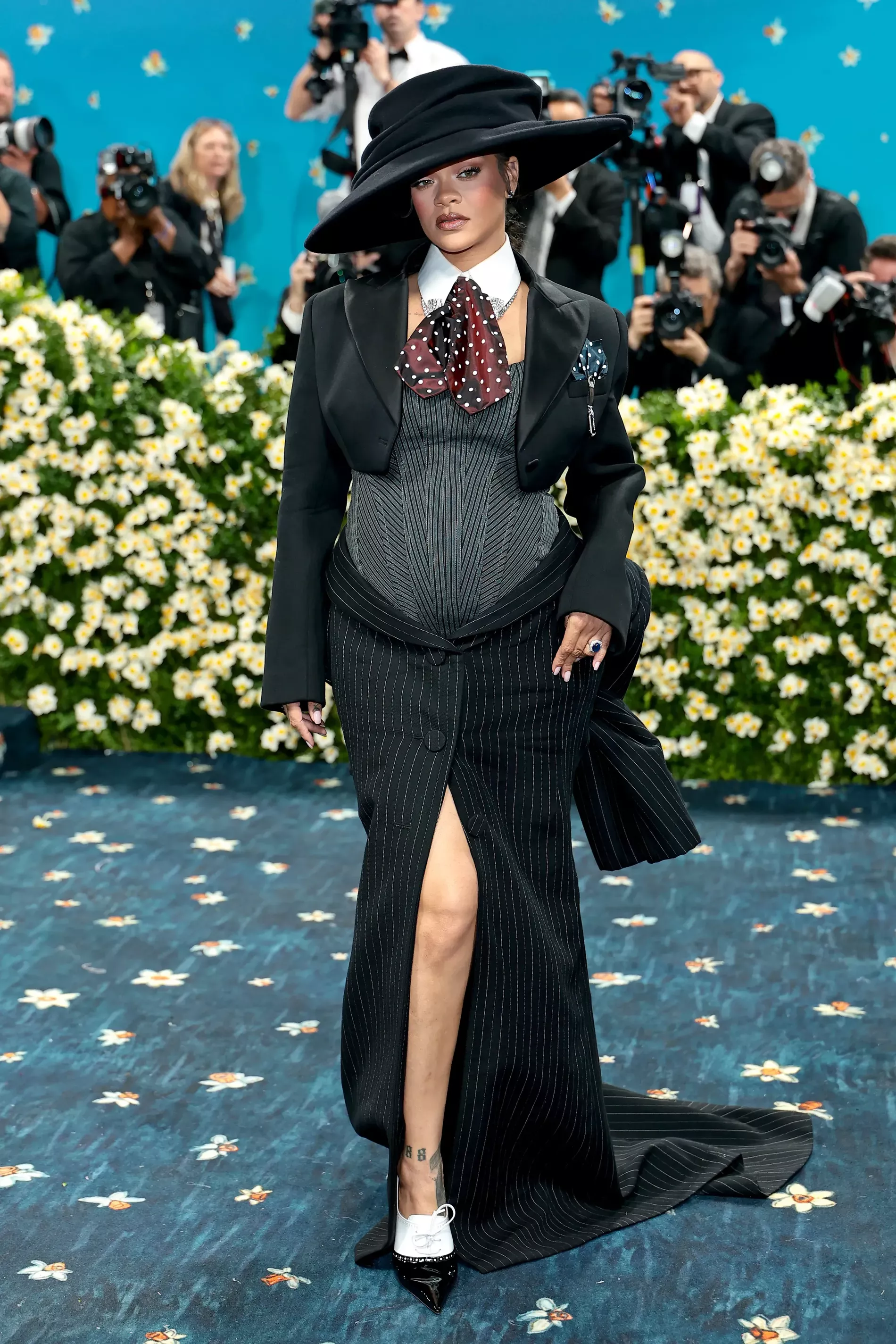
The Met Gala is the pinnacle of the fashion calendar, serving as the primary fundraiser for the Metropolitan Museum of Art’s Costume Institute in New York City. Each year, a specific theme dictates the dress code, challenging designers and celebrities to interpret complex artistic, historical, or conceptual ideas through high-fashion storytelling and red-carpet spectacle.
The Historical Evolution of Met Gala Themes
The Met Gala, formally known as the Costume Institute Benefit, has undergone a radical transformation since its inception in 1948. Founded by fashion publicist Eleanor Lambert, the event began as a midnight supper to raise funds for the newly established Costume Institute. In those early years, themes were largely non-existent or served as simple suggestions for elegant evening wear. The event was a high-society gathering for New York’s elite, far removed from the global media frenzy it is today.
The shift toward thematic extravagance began in the 1970s under the consultancy of Diana Vreeland, the legendary former editor-in-chief of Vogue. Vreeland understood that for the museum to thrive, the exhibitions—and the gala that launched them—needed a sense of "show business." She introduced ambitious, historically grounded themes such as "The World of Balenciaga" (1973) and "The Glory of Russian Costume" (1976). These themes pushed the gala beyond a mere social dinner into a curated cultural moment, forcing guests to engage with fashion as a legitimate art form.
When Anna Wintour took the helm as chair in 1995, the Met Gala evolved into the "Oscars of Fashion." Under her leadership, the themes became more conceptual and occasionally provocative. The modern Met Gala theme is now a dual-purpose directive: it serves as the title for the Costume Institute’s spring exhibition and acts as the mandatory aesthetic compass for the red carpet. Today, in 2026, the selection process remains a closely guarded secret involving the museum’s curators and Vogue leadership, typically announced months in advance to allow couture houses time to construct their bespoke interpretations.
Categorizing the Themes: Designers, Cultures, and Concepts
Met Gala themes generally fall into three distinct categories, each presenting unique challenges for the attendees and their stylists. Understanding these categories is essential for appreciating how "on-theme" a specific look truly is.
Designer Retrospectives
These themes celebrate the life and work of a single couturier or fashion house. They are often seen as the most prestigious but also the most restrictive, as guests are expected to wear archival or inspired pieces from that specific designer. Iconic examples include "Alexander McQueen: Savage Beauty" (2011), which saw a surge in dramatic, avian-inspired silhouettes, and "Karl Lagerfeld: A Line of Beauty" (2023), which paid homage to the late Chanel creative director’s prolific career through pearls, starched collars, and monochrome palettes.
Conceptual and Artistic Frameworks
These are often the most debated themes because they are open to wide interpretation. "Camp: Notes on Fashion" (2019) is perhaps the most famous example, based on Susan Sontag’s 1964 essay. It resulted in exaggerated, ironic, and theatrical looks, such as Lady Gaga’s four-stage outfit reveal. Other conceptual themes like "Manus x Machina: Fashion in an Age of Technology" (2016) explored the intersection of hand-made couture and machine-made manufacturing, leading to a red carpet dominated by metallic fabrics and LED-integrated gowns.
Cultural and Historical Explorations
These themes focus on a specific era, geographic region, or cultural movement. "China: Through the Looking Glass" (2015) remains one of the most successful exhibitions in the museum's history, though it also sparked important conversations regarding cultural appropriation versus appreciation. More recently, the 2025 theme "Superfine: Tailoring Black Style" explored the history of the Black dandy and the importance of sartorial style to the formation of Black identities in the Atlantic world.
Chronological Overview of Met Gala Themes (2010–2026)
The following table summarizes the themes from the last decade and a half, highlighting the central focus of each exhibition and the honorary chairs who helped define the evening's aesthetic.
| Year | Theme | Notable Element / Aesthetic |
|---|---|---|
| 2010 | American Woman: Fashioning a National Identity | Focus on the evolution of the American style. |
| 2011 | Alexander McQueen: Savage Beauty | High drama, gothic romance, and avant-garde tailoring. |
| 2012 | Schiaparelli and Prada: Impossible Conversations | Surrealism meeting modern Italian luxury. |
| 2013 | Punk: Chaos to Couture | Studs, safety pins, and deconstructed garments. |
| 2014 | Charles James: Beyond Fashion | Structural, sculptural ballgowns and high glamour. |
| 2015 | China: Through the Looking Glass | Eastern influence on Western fashion; intricate embroidery. |
| 2016 | Manus x Machina: Fashion in an Age of Technology | Silver, chrome, and 3D-printed textures. |
| 2017 | Rei Kawakubo/Comme des Garçons: Art of the In-Between | Deconstructed, challenging silhouettes. |
| 2018 | Heavenly Bodies: Fashion and the Catholic Imagination | Religious iconography, ornate headpieces, and gold. |
| 2019 | Camp: Notes on Fashion | Irony, humor, and over-the-top theatricality. |
| 2021 | In America: A Lexicon of Fashion | Modern American designers and cultural symbols. |
| 2022 | In America: An Anthology of Fashion | "Gilded Glamour" and white-tie sophistication. |
| 2023 | Karl Lagerfeld: A Line of Beauty | Tribute to Chanel, Fendi, and Lagerfeld’s signature style. |
| 2024 | Sleeping Beauties: Reawakening Fashion | Nature-inspired, fragile archival pieces, and florals. |
| 2025 | Superfine: Tailoring Black Style | Focus on dandyism and historical Black elegance. |
| 2026 | [Current Theme] | Emphasis on sustainable couture and archival revival. |
Landmark Themes that Redefined Fashion History
Several themes stand out not just for their aesthetic impact, but for how they shifted the public’s perception of fashion as a medium of communication.
"Heavenly Bodies" (2018) is widely considered the "gold standard" of the modern Met Gala. By bridging the gap between sacred art and secular fashion, the museum secured loans from the Vatican that had never been seen outside of Rome. The red carpet responded with breathtaking reverence; Rihanna appeared in a papal-inspired Maison Margiela ensemble, complete with a mitre, while Zendaya donned a metallic Joan of Arc-inspired Versace gown.
"Alexander McQueen: Savage Beauty" (2011) occurred shortly after the designer’s tragic death. It served as a somber yet celebratory exploration of his contribution to fashion. The theme encouraged guests to embrace the "savage" and the "beautiful," resulting in a red carpet that felt more like a gallery of living art than a standard awards show. This year marked the moment the Met Gala became a household name beyond the fashion industry.
"Camp: Notes on Fashion" (2019) remains the most viral theme to date. Because "Camp" is an elusive concept—defined by Sontag as "love of the unnatural: of artifice and exaggeration"—it allowed celebrities to break away from traditional beauty standards. Billy Porter’s "Sun God" entrance, carried by six shirtless men, and Katy Perry’s literal chandelier outfit by Moschino exemplified the theme's permission for pure, unadulterated spectacle.
The Intricate Process of Dressing for the Met
For a celebrity to appear on the Met Gala red carpet, the preparation begins months—and sometimes over a year—in advance. Once the theme is announced, major fashion houses (such as Dior, Chanel, Gucci, and Versace) begin internal discussions with their ambassadors and stylists.
- Interpretation: The designer must find a balance between the exhibition's theme and the brand's own DNA. For instance, for a "technology" theme, a brand like Louis Vuitton might lean into futuristic materials, while a brand like Valentino might use traditional lace but in a geometric, digital-inspired pattern.
- The Fitting Process: Custom Met Gala gowns often require five to ten fittings. Because these pieces are often structural or involve heavy embellishments (like the 2015 "China" gown by Guo Pei worn by Rihanna, which weighed nearly 55 pounds), the logistics of movement and sitting are critical.
- The Approval: Anna Wintour has the final say on the guest list and often provides feedback on the pairings of designers and celebrities. The goal is to ensure a cohesive yet diverse representation of the theme across the carpet.
One of the most significant modern shifts in dressing for the Met is the move toward archival fashion. In 2026, there is a heightened focus on sustainability. Many celebrities now choose to wear "vintage" pieces from the 1990s or earlier, or work with designers to upcycle existing materials. This reflects a broader industry trend toward environmental consciousness, even within the realm of "disposable" red-carpet moments.
Navigating the Met Gala Logistics and Legacy
While the red carpet is the only part the public sees, the Met Gala is a highly regulated event. Guests are famously prohibited from using social media once they enter the museum—a rule known as the "No Selfie" policy, though it is frequently broken in the privacy of the bathrooms.
The evening involves a formal receiving line where guests greet the hosts, followed by a first look at the exhibition itself. This is a crucial element: the celebrities are there to see the art that inspired their clothing. The night concludes with a sit-down dinner and a high-profile musical performance.
The legacy of these themes extends far beyond the one-night event. The Costume Institute’s exhibitions often break attendance records, bringing millions of dollars in revenue to the museum and providing a platform for fashion scholarship. By documenting "all Met Gala themes," we are essentially documenting the changing values, technologies, and social movements of the last century.
Frequently Asked Questions
Who gets invited to the Met Gala?
The guest list is strictly curated by Anna Wintour and Vogue staff. It typically includes a mix of A-list actors, chart-topping musicians, top-tier models, influential designers, and increasingly, prominent social media figures and athletes. Even if a brand buys a table (which can cost hundreds of thousands of dollars), every individual guest at that table must be approved by Wintour.
How much does a ticket cost in 2026?
As of 2026, individual tickets for the Met Gala have risen to approximately $75,000 per person, with tables starting at $350,000. These funds are used entirely to support the Costume Institute, as it is the only department within the Metropolitan Museum of Art that must fund its own operations.
Can the general public attend the Met Gala?
The gala itself is an invite-only event. However, the Costume Institute exhibition that the gala celebrates is open to the general public the following day. For most people, visiting the museum in the months following the gala is the best way to experience the theme and see the iconic garments up close.
What happens if a guest is not on-theme?
While there are no formal "penalties" for ignoring the dress code, being off-theme is generally considered a social and professional faux pas. Fashion critics and social media often "rank" guests based on their adherence to the theme. Guests who consistently ignore the theme may find themselves lower on the priority list for future invitations.
Why is the Met Gala always on the first Monday in May?
The tradition of holding the gala on the first Monday in May began in 2005. This timing was established to mark the opening of the spring exhibition and has since become a fixed date in the global cultural calendar, often referred to simply as "The First Monday in May."
How to Experience the Met Gala Beyond the Carpet
For fashion enthusiasts, the best way to engage with the Met Gala's legacy is to study the exhibition catalogs published by the Metropolitan Museum of Art. These books provide deep academic context for the themes, including the history of the garments and the curators' rationale for their selection.
If you are in New York between May and September, prioritize a visit to the Costume Institute’s galleries. Seeing the craftsmanship of a "Heavenly Bodies" vestment or a "Savage Beauty" McQueen piece in person provides a level of detail—from the tension of the stitching to the play of light on the fabric—that high-definition photography simply cannot capture. Following the 2026 gala, look for official museum lectures and digital tours that break down the "sustainable couture" or "archival" focus of the current year, ensuring you understand the cultural "why" behind the "what" of the red carpet.