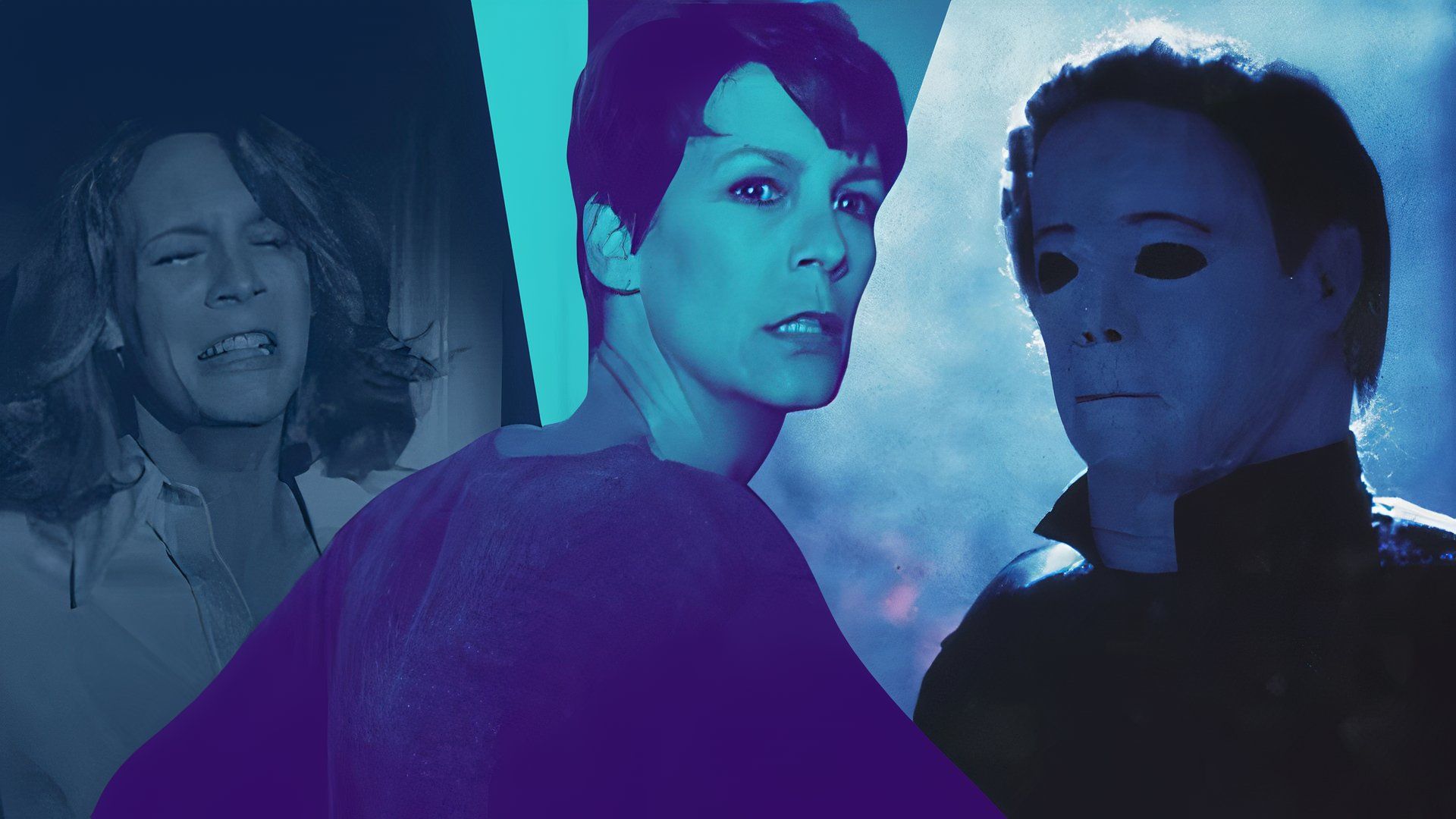
To watch the Halloween movies in chronological order, you must first select one of five distinct timelines, as the franchise has been frequently rebooted. The most modern path begins with Halloween (1978) followed by the sequel trilogy: Halloween (2018), Halloween Kills (2021), and Halloween Ends (2022), effectively bypassing all other installments.
The Halloween franchise, spanning nearly five decades of cinematic history, is notorious for its fractured continuity. Unlike other slasher series like Friday the 13th or A Nightmare on Elm Street, which largely follow linear progressions, Halloween has undergone multiple "soft reboots" and total overhauls. As of 2026, the series remains the gold standard for "choose-your-own-adventure" horror viewing. Whether you are a newcomer or a seasoned horror enthusiast, navigating the legacy of Michael Myers requires understanding where each film fits into the narrative web. This guide provides the definitive technical breakdown of every timeline to help you plan your marathon.
The Foundation: John Carpenter’s 1978 Masterpiece
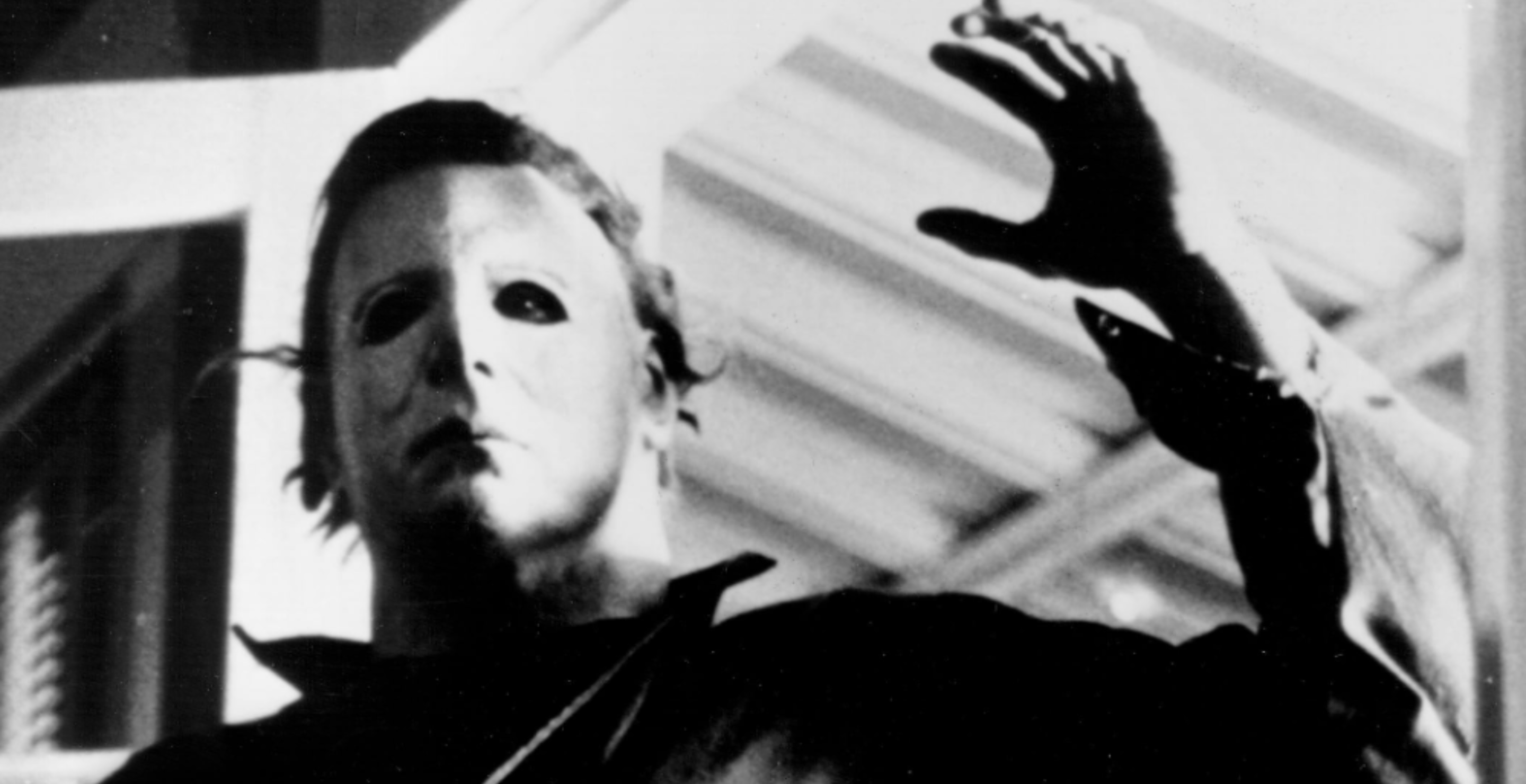
Before diving into the specific timelines, every viewing experience begins with the original 1978 Halloween. Directed by John Carpenter, this film introduced the world to Michael Myers (The Shape), his obsessed psychiatrist Dr. Sam Loomis (Donald Pleasence), and the ultimate "final girl," Laurie Strode (Jamie Lee Curtis).
The 1978 film established the core mythology: on Halloween night in 1963, six-year-old Michael Myers murdered his sister Judith in Haddonfield, Illinois. Fifteen years later, he escaped Smith's Grove Sanitarium to return home and stalk a group of teenagers. This film is the essential "Entry Point A" for every single timeline in the franchise, except for the Rob Zombie remakes. It defines the technical pacing and atmospheric tension that later sequels attempted to replicate or subvert.
Timeline 1: The Curse of the Thorn (The Original Continuity)
The first expansion of the franchise followed a linear path through the late 70s, 80s, and early 90s. This timeline is often criticized for its increasingly complex supernatural elements, specifically the "Cult of Thorn" storyline, but it remains a favorite for fans of vintage slasher tropes.
- Halloween (1978)
- Halloween II (1981): Picking up seconds after the first film, this sequel takes place in Haddonfield Memorial Hospital. It introduces the pivotal (and later retconned) plot point that Laurie Strode is Michael Myers’ younger sister.
- Halloween 4: The Return of Michael Myers (1988): After a hiatus from the Michael Myers story, this film jumps ten years ahead. Laurie Strode has supposedly died in a car accident, leaving behind a daughter, Jamie Lloyd (Danielle Harris), who becomes Michael's new target.
- Halloween 5: The Revenge of Michael Myers (1989): Set one year later, this film explores a psychic link between Jamie and her uncle Michael, introducing the mysterious "Man in Black."
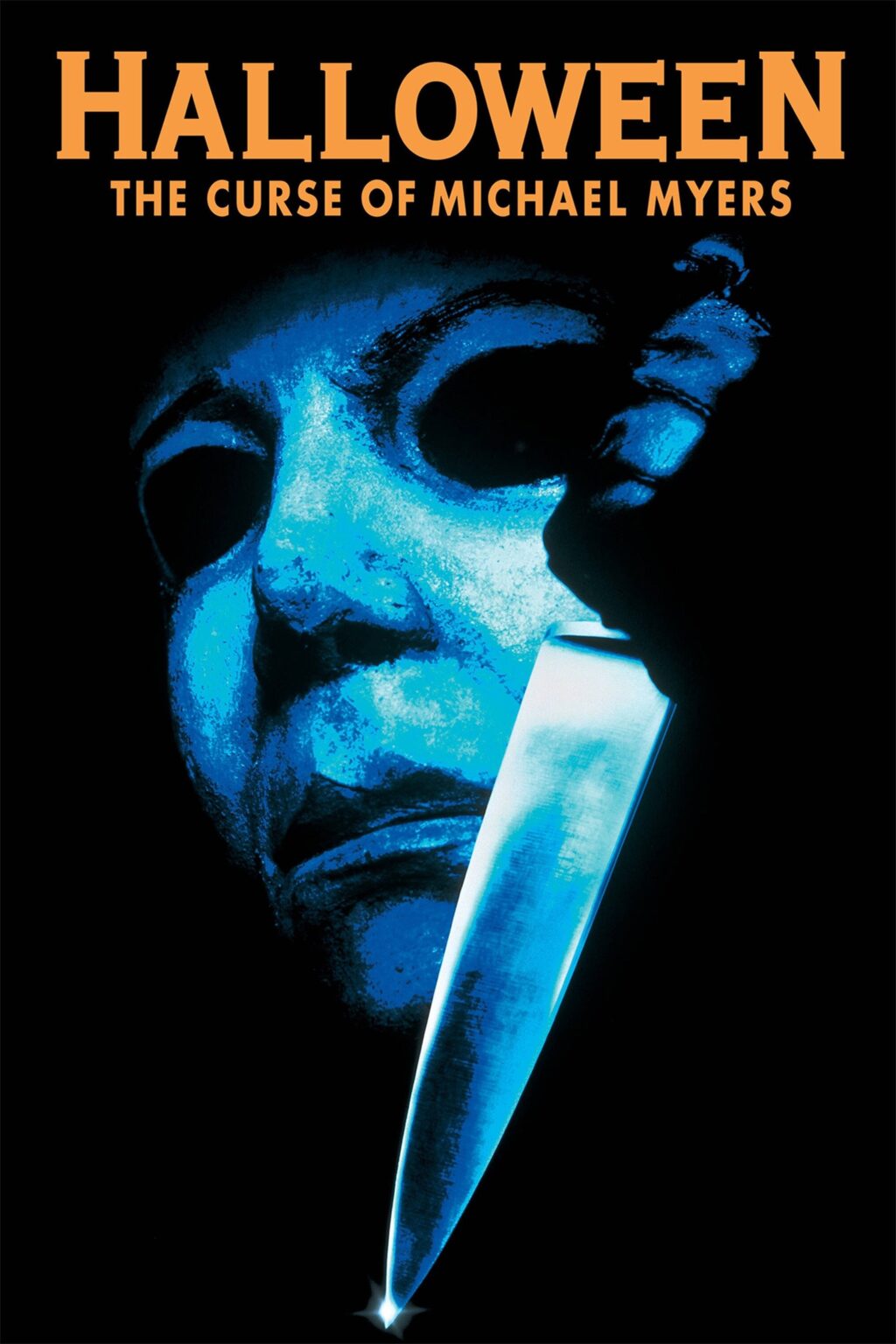
- Halloween: The Curse of Michael Myers (1995): This installment attempts to explain Michael’s immortality through a druidic curse called "Thorn." It is notable for being Paul Rudd's film debut and Donald Pleasence’s final appearance as Dr. Loomis.
This timeline concluded due to diminishing critical returns and the desire to bring back Jamie Lee Curtis for a more grounded story.
Timeline 2: The H20 Continuity (The 20th Anniversary Reboot)
In 1998, the franchise celebrated its 20th anniversary by discarding the events of parts 4, 5, and 6. This was the first major instance of "de-canonizing" earlier films to facilitate a star's return.
- Halloween (1978)
- Halloween II (1981): In this timeline, the "Laurie is Michael’s sister" reveal is kept as canon.
- Halloween H20: 20 Years Later (1998): Set two decades after the original killings, Laurie Strode has faked her death and is living in California under the name Keri Tate. She is a headmistress at a private school and has a son (Josh Hartnett). The film culminates in a definitive showdown.
- Halloween: Resurrection (2002): Often cited as a low point in the series, this film retcons the ending of H20, kills off Laurie Strode in the opening minutes, and focuses on a reality TV show set in the Myers house.
Because Resurrection was poorly received by both critics and fans, the franchise went dormant until the 2007 remake.
Timeline 3: The Haddonfield Horror (The Modern Sequel Trilogy)
As we stand in 2026, the most recognized and critically acclaimed modern timeline is the one produced by Blumhouse and directed by David Gordon Green. This timeline is unique because it ignores every sequel—including the 1981 Halloween II. In this continuity, Laurie and Michael are not siblings, and Michael was captured immediately after his 1978 rampage.
- Halloween (1978)
- Halloween (2018): Set 40 years after the original, Michael escapes a prison transport. Laurie Strode, now a grandmother suffering from intense PTSD, has spent four decades preparing for his return.
- Halloween Kills (2021): This film takes place the same night as the 2018 movie, focusing on "mob justice" as the town of Haddonfield rises up to hunt Michael Myers.
- Halloween Ends (2022): Set four years after the events of Kills, this film serves as the final confrontation between Laurie Strode and Michael Myers, exploring the infection of evil within a community.
This trilogy was designed to provide a definitive conclusion to the Laurie Strode saga, emphasizing the psychological toll of survival.
The Standalone Experiments: Anthologies and Remakes
Not every Halloween film fits into the "Michael vs. Laurie" narrative. These films exist in their own pockets of the multiverse.
The Anthology Attempt
Halloween III: Season of the Witch (1982) is the only film in the franchise that does not feature Michael Myers (except for a brief clip on a TV screen). The original plan for the franchise was to release a different Halloween-themed horror story every year. Season of the Witch involves a nefarious mask maker using Stonehenge fragments to kill children. While it failed at the time, it has since become a massive cult classic.
The Rob Zombie Reimagining
In 2007, musician and director Rob Zombie rebooted the series with a grittier, more violent aesthetic.
- Halloween (2007): A remake that provides an extensive backstory for Michael’s childhood and his time at the sanitarium before retelling the events of the 1978 film.
- Halloween II (2009): A direct sequel to the remake that explores the psychological breakdown of Laurie Strode and Michael Myers through a surrealist, dream-like lens.
Comprehensive Viewing Comparison Table
The following table summarizes the different timelines to help you choose your preferred viewing path based on narrative continuity.
| Timeline Name | Films Included (In Viewing Order) | Primary Antagonist | Continuity Focus |
|---|---|---|---|
| The Thorn Trilogy | 1, 2, 4, 5, 6 | Michael Myers / Cult | Supernatural curse & Jamie Lloyd |
| The H20 Arc | 1, 2, H20, Resurrection | Michael Myers | Laurie's trauma as Michael's sister |
| The Modern Trilogy | 1, 2018, Kills, Ends | Michael Myers / Evil | PTSD & The Boogeyman as an urban legend |
| The Remake Series | RZ 1, RZ 2 | Michael Myers | Gritty realism & familial psychopathy |
| The Anthology | Halloween III | Conal Cochran | Corporate witchcraft (No Michael Myers) |
The Current State of the Franchise in 2026
As of 2026, the Halloween franchise is in a transitional phase. Following the conclusion of the David Gordon Green trilogy with Halloween Ends in 2022, the cinematic rights underwent a competitive bidding process. Miramax Television currently holds the rights to expand the franchise into the prestige TV space.
Reports indicate that a new television series is in active development, which aims to return to the atmosphere of the 1978 original while potentially launching a new cinematic universe. For viewers today, this means that while the Laurie Strode era (Timeline 3) is officially closed, the "Shape" is expected to return in a serialized format within the next broadcast cycle. This makes 2026 an ideal time to catch up on the various timelines before the next iteration begins.
Common Viewing Mistakes to Avoid
When navigating these films, viewers often run into several technical hurdles regarding "canon." To ensure the best experience, keep the following in mind:
- The Sibling Twist: Remember that Laurie Strode is Michael's sister in the Thorn and H20 timelines, but she is not his sister in the 2018-2022 trilogy. This changes the motivation of the character significantly.
- The "Producer's Cut": If you watch Halloween: The Curse of Michael Myers (Part 6), be aware that there are two versions: the Theatrical Cut and the Producer’s Cut. The Producer's Cut is widely considered the superior version for understanding the "Thorn" mythology.
- The Halloween III Confusion: Do not go into Season of the Witch expecting a slasher film. It is a sci-fi/horror hybrid. If you are strictly looking for Michael Myers, skip this one, though you would be missing a highlight of 80s horror.
- The "Michael is Dead" Problem: Almost every timeline ends with Michael's definitive death, only for the next film to use a "miraculous survival" trope. Accepting these leaps of logic is part of the slasher movie experience.
Recommendation for the Ultimate Marathon
If you have limited time and want the most coherent, high-quality narrative experience, the Modern Trilogy (Timeline 3) is the recommended path. Start with the 1978 original and jump straight to the 2018 sequel. This path offers the most consistent character development for Laurie Strode and benefits from modern production values and a cohesive vision from a single creative team.
However, if you are a fan of 80s aesthetics and "final girl" tropes, the Thorn Trilogy (1, 2, 4, 5, 6) provides a fascinating look at how horror evolved during that decade. Regardless of the path you choose, the Halloween series remains a masterclass in how to sustain a single "Boogeyman" across decades of changing cultural fears.
FAQ
Why are there so many different versions of the Halloween timeline?
The timelines exist because different production companies and creators wanted to bring back the original star, Jamie Lee Curtis, or Michael Myers after the previous films had either killed them off or reached a narrative dead end. Each "reboot" allows filmmakers to ignore unpopular previous entries.
Is Michael Myers supernatural or just a human?
This depends on the timeline. In the Thorn Trilogy (4-6), Michael is explicitly supernatural, fueled by a druidic curse. In the Modern Trilogy (2018-2022) and the original 1978 film, he is described as "the Boogeyman"—a human who possesses an inexplicable, almost transcendent level of resilience and evil.
Do I need to watch the Rob Zombie remakes to understand the 2018 movie?
No. The Rob Zombie films exist in an entirely separate universe and have no connection to the original films or the modern David Gordon Green trilogy. They are standalone reinterpretations of the characters.
Where does Halloween III: Season of the Witch fit in?
It doesn't fit into the Michael Myers story at all. It was an attempt to turn Halloween into an anthology series where each movie told a different scary story related to the holiday. When it didn't perform as well as the first two, the producers brought Michael Myers back for Part 4.
What is the best order for a first-time viewer?
The best order is "Timeline 3": Halloween (1978), Halloween (2018), Halloween Kills (2021), and Halloween Ends (2022). This provides a complete story arc with the highest average critical ratings across the films.