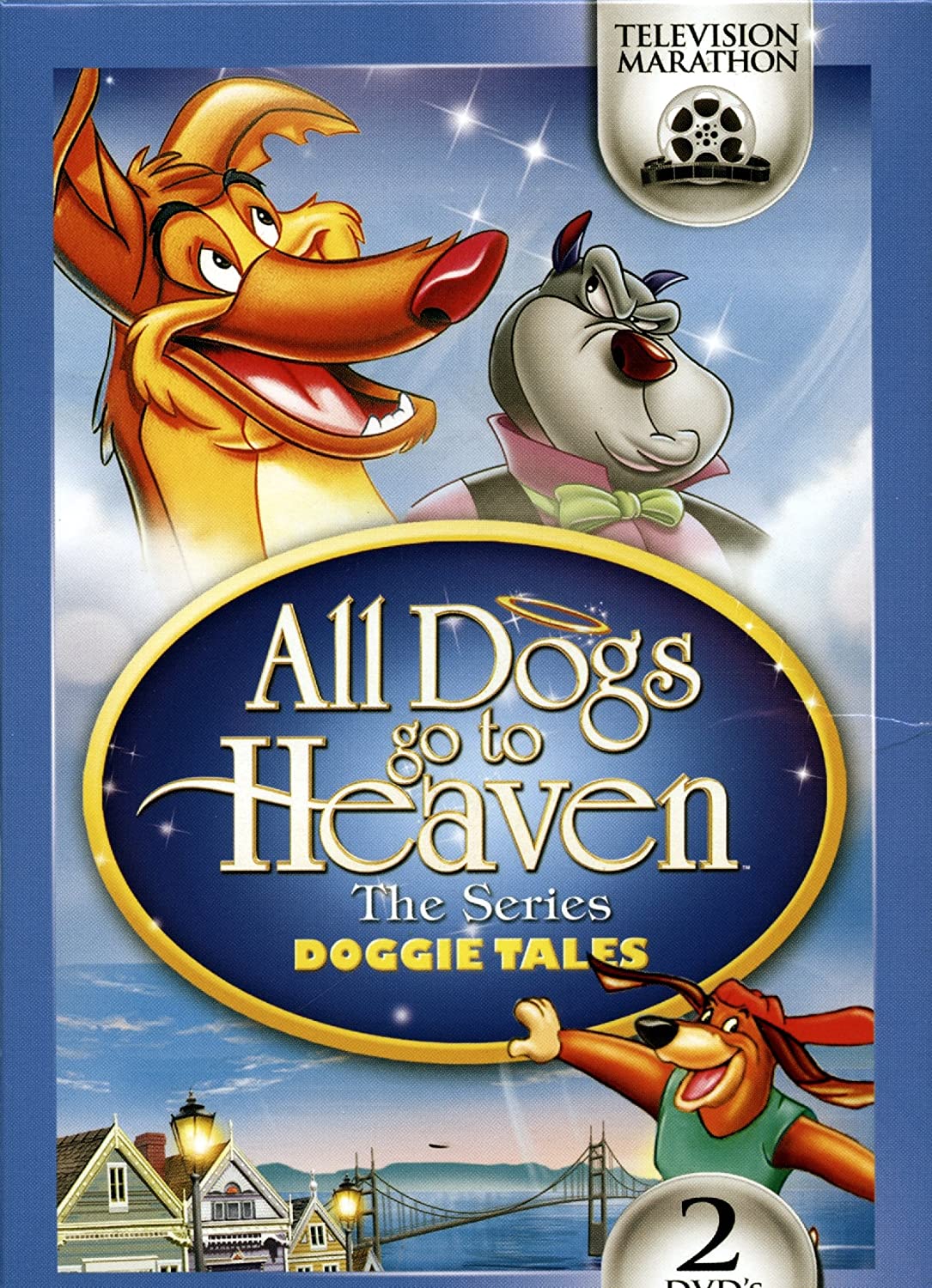
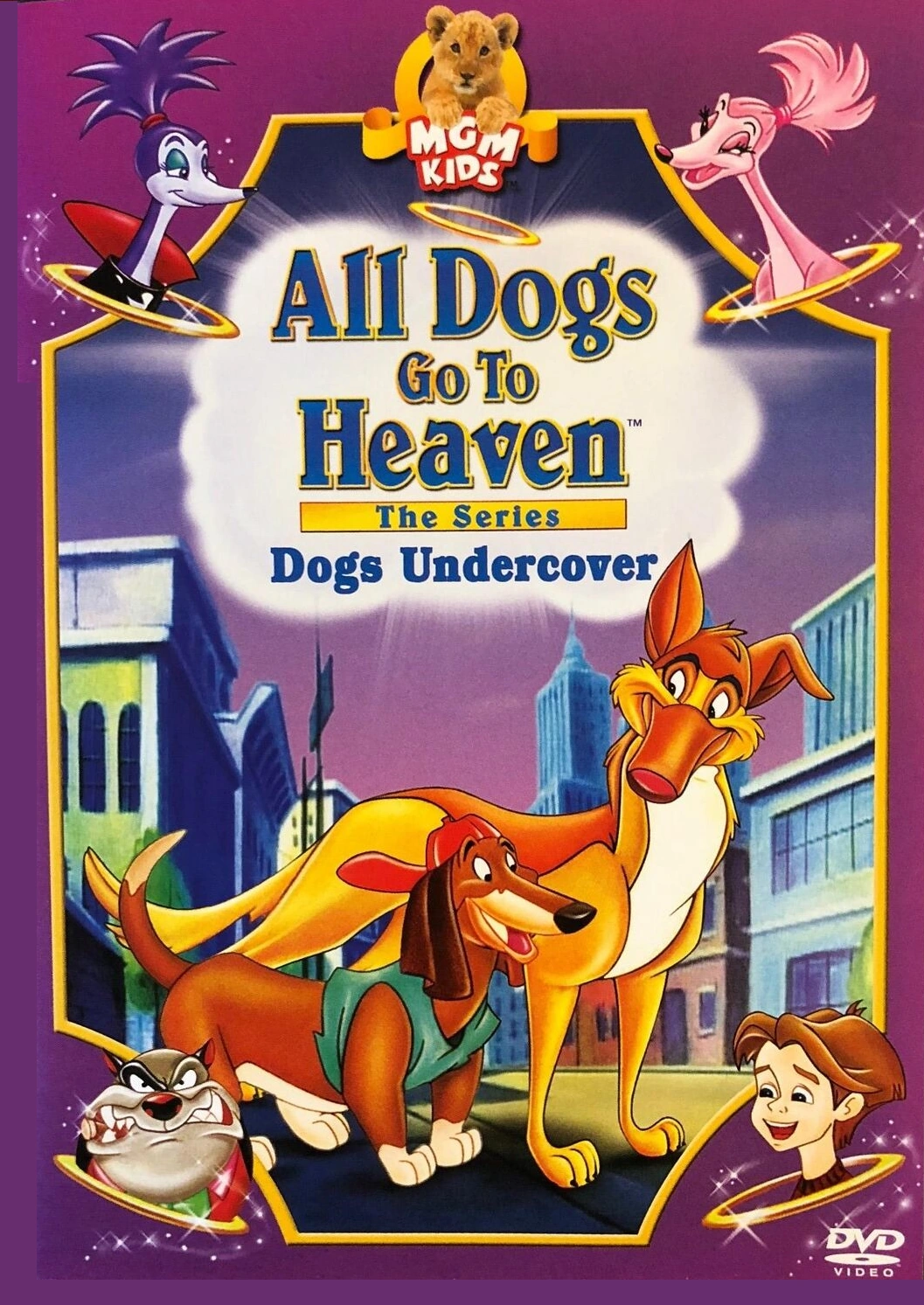
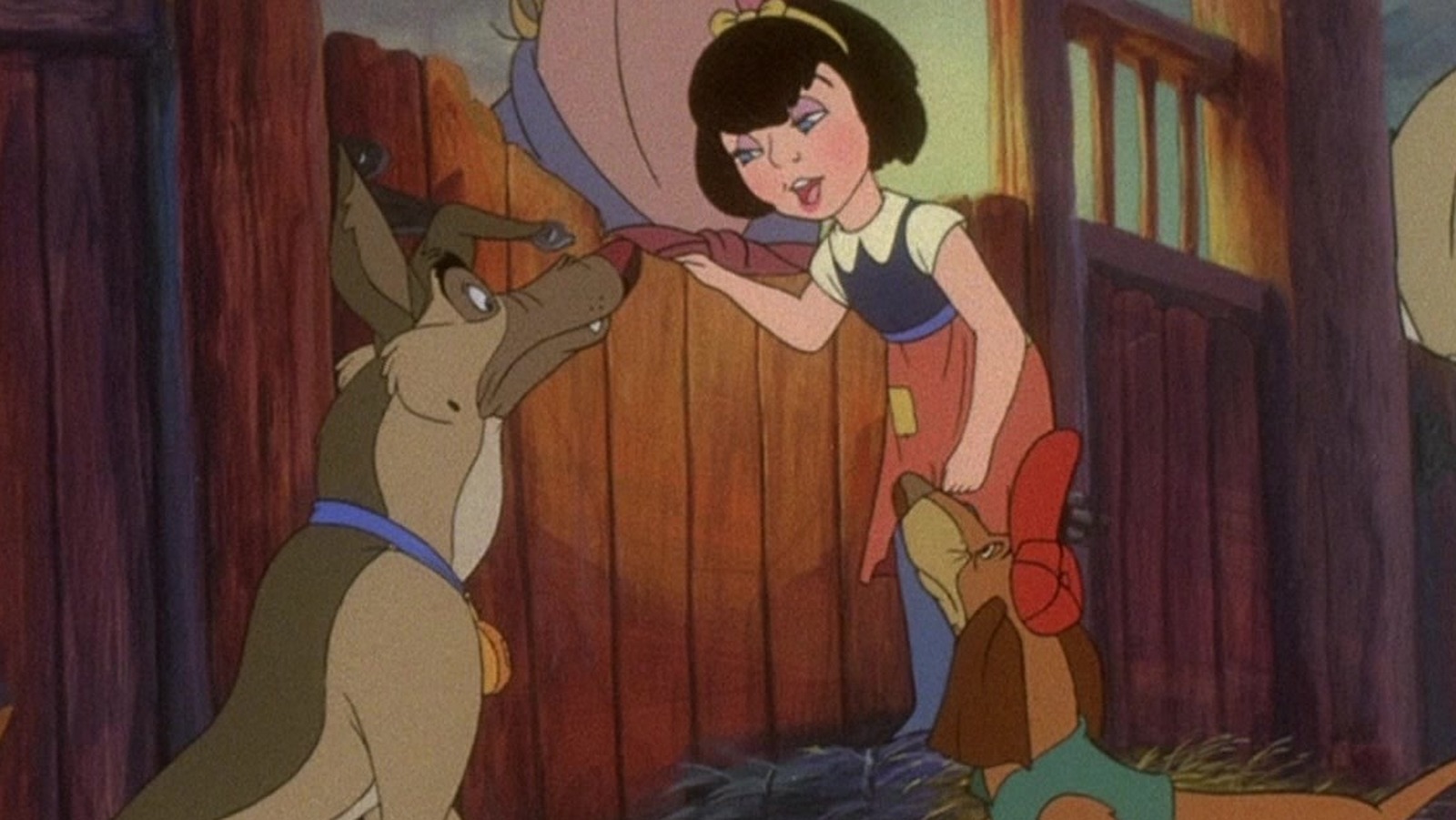
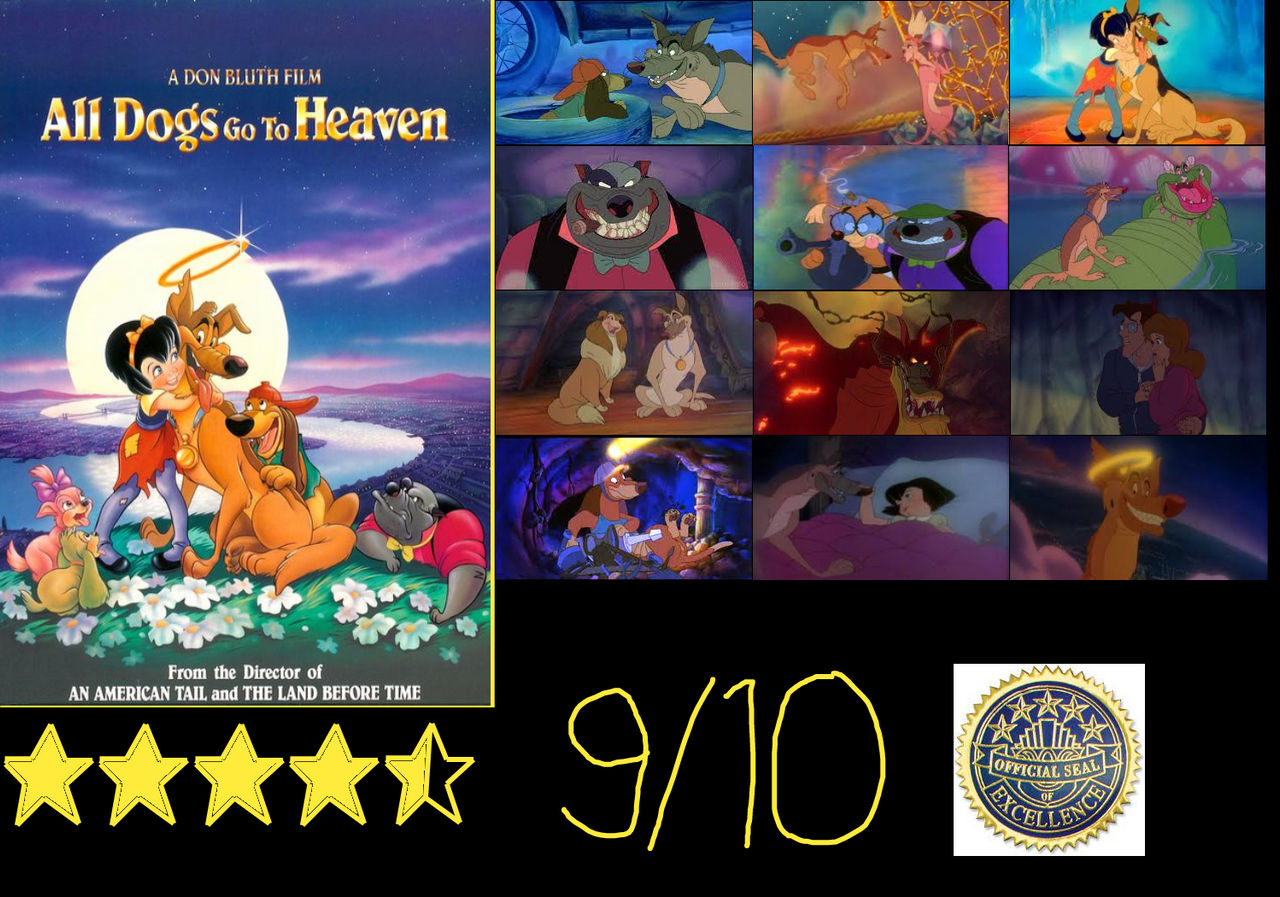
Don Bluth's 1989 animated feature All Dogs Go to Heaven explores themes of mortality, redemption, and the afterlife through the journey of its canine protagonist, Charlie B. Barkin. The film's emotional depth is amplified by the real-life tragedies and legacies of its primary voice cast, notably Dom DeLuise, Judith Barsi, and Vic Tayback, anchoring the story's reflections on death and remembrance in genuine human loss.
The Premise and Existential Themes of the Film
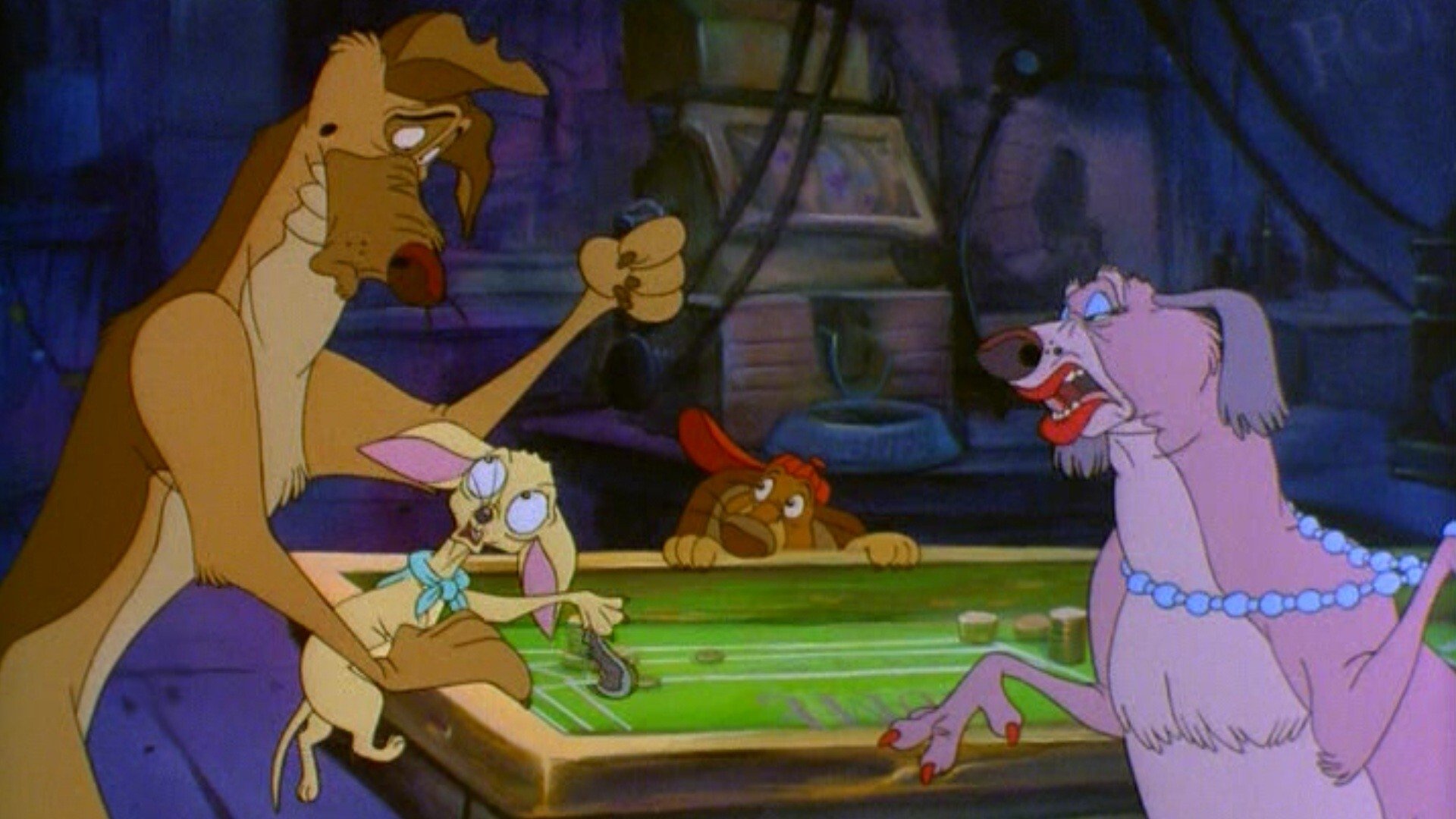
Released in November 1989, All Dogs Go to Heaven presents a unique theological and narrative framework regarding the afterlife. The story follows Charlie B. Barkin, a smooth-talking German Shepherd/Collie mix voiced by Burt Reynolds, who is murdered by his former business partner, Carface Carlathers. Upon arriving at the Pearly Gates, Charlie discovers that because all dogs are inherently good, every single one of them automatically goes to heaven when they die. Refusing to accept his permanent residence in paradise, Charlie steals a magical pocket watch that keeps his heart ticking and returns to Earth to seek revenge and set things right.
Underneath its vibrant animation and musical numbers, the film engages with heavy philosophical inquiries concerning morality, sacrifice, and the inevitability of death. Charlie's arc transitions from selfish opportunism to profound altruism, culminating in a supreme sacrifice to save an orphaned girl named Anne-Marie. This narrative exploration of mortality gained an unintended, poignant layer of reality due to the personal histories and untimely passings of several key members of the cast and crew. The intersection of animated fiction and real-world grief has cemented the film's reputation as a bittersweet cinematic experience for generations of viewers.
Remembering the Stars: The Tragic Real-Life Losses of the Cast
The emotional weight carried by All Dogs Go to Heaven is deeply intertwined with the fates of the actors who brought its characters to life. Most notably, young child actress Judith Barsi, who provided the voice of the orphan Anne-Marie, faced a devastating tragedy prior to the film's release. Barsi, a remarkably prolific child star of the 1980s, was murdered along with her mother by her abusive father in July 1988, more than a year before the movie reached theaters. Her performance as Anne-Marie—capturing both heartbreaking vulnerability and resilient hope—stands as a haunting artistic testament to her extraordinary talent cut short at the age of ten.
In addition to Barsi, other prominent cast members passed away under vastly different circumstances, leaving behind legacies that continue to resonate with fans remembering the stars of the production. Vic Tayback, known for his gravelly delivery as the vicious bulldog mobster Carface Carlathers, died of a heart attack in May 1990, just months after the film's theatrical run. Furthermore, legendary character actor Charles Nelson Reilly, who voiced the nervous and hypochondriacal dachshund Killer, passed away in 2007. The gradual loss of these iconic voices transforms viewing the film into an act of remembrance, mirroring the cinematic themes of passing, memory, and enduring spiritual presence.
Vocal Performances and Character Dynamics
The chemistry among the primary voice cast anchors the chaotic narrative of All Dogs Go to Heaven. Burt Reynolds brought a roguish charm to Charlie B. Barkin, balancing ego with underlying warmth. Opposite Reynolds was Dom DeLuise as Itchy Itchiford, Charlie’s anxious, loyal dachshund companion. DeLuise, a close friend of Reynolds in real life, infused Itchy with genuine neurosis and frantic devotion, creating one of animation's most enduring comedic duos.
| Character | Voice Actor | Species/Role | Real-Life Status / Passing |
|---|---|---|---|
| Charlie B. Barkin | Burt Reynolds | German Shepherd Mix | Passed away September 6, 2018 |
| Itchy Itchiford | Dom DeLuise | Dachshund | Passed away May 4, 2009 |
| Anne-Marie | Judith Barsi | Human Orphan | Passed away July 25, 1988 |
| Carface Carlathers | Vic Tayback | Bulldog Mobster | Passed away May 25, 1990 |
| Killer | Charles Nelson Reilly | Dachshund | Passed away May 27, 2007 |
This table outlines the primary voice talent behind the central characters, detailing their professional contributions and historical records. The passage of time has claimed nearly all of the principal cast members, turning the credits sequence into a historical roster of mid-to-late 20th-century entertainment talent.
Animation History and Production Challenges
Directed by Don Bluth alongside co-directors Gary Goldman and Dan Kuenster, All Dogs Go to Heaven was produced during a turbulent era for traditional animation. Following Bluth's departure from Walt Disney Productions, Sullivan Bluth Studios operated primarily out of Dublin, Ireland. The production faced intense financial pressures and creative competition, particularly running head-to-head against Disney's The Little Mermaid, which premiered on the exact same weekend in November 1989.
While The Little Mermaid captured dominant box office numbers and ushered in the Disney Renaissance, All Dogs Go to Heaven found its financial footing later in the home video market. The production style reflected Bluth's signature aesthetic: lush, dark backgrounds, high contrast, and emotionally intense character animation that did not shy away from frightening imagery, such as Charlie's terrifying dream sequence descending into Hell. This stylistic willingness to confront dark thematic material made the film a unique entry in mainstream American animation, perfectly aligning its visual tone with the sobering reality of the cast's off-screen tragedies.
Cultural Impact and Audience Reception Over Time
Initial critical reception to All Dogs Go to Heaven was mixed, with reviewers praising its emotional ambition and voice work while critiquing its sprawling narrative structure and tonal shifts between slapstick comedy and harrowing drama. However, over the decades, the film has undergone a significant critical reevaluation. Viewers who grew up with the VHS release often cite its frank depiction of loss and loyalty as a formative cinematic experience regarding grief.
The film's exploration of death is handled without excessive sanitization, allowing young audiences to process complex emotions within a safe narrative space. When combined with the public knowledge of Judith Barsi's fate and the eventual passing of veterans like Burt Reynolds and Dom DeLuise, the movie occupies a unique cultural space. It functions simultaneously as a piece of nostalgic entertainment and a memorial artifact, prompting audiences to reflect on mortality, artistic permanence, and the ways inion-makers survive through their recorded performances.
Frequently Asked Questions
What is the main plot of All Dogs Go to Heaven?
The story follows a canine con artist named Charlie B. Barkin who is murdered by his criminal partner, Carface. Escaping from heaven by stealing a magical watch that beats with his life force, Charlie returns to Earth to seek revenge and reconcile his past, ultimately sacrificing his life to save an orphan girl.
How does the film address the theme of death?
The film treats death not merely as an end, but as a transition within an organized, bureaucratic afterlife where all dogs are automatically welcomed. However, it grounds the concept with genuine emotional stakes through betrayal, mortal danger, and permanent sacrifice.
What happened to Judith Barsi, the voice of Anne-Marie?
Judith Barsi was a talented child actress who was tragically murdered by her father in a domestic homicide in July 1988, prior to the completion and theatrical release of All Dogs Go to Heaven. Her performance as Anne-Marie remains her most widely recognized cinematic role.
Who directed All Dogs Go to Heaven?
The film was directed by Don Bluth, alongside co-directors Gary Goldman and Dan Kuenster. It was produced by Sullivan Bluth Studios and released theatrically by United Artists in November 1989.
Did the film perform well at the box office upon release?
The film had a modest box office performance during its initial theatrical run, suffering from direct competition with Disney's The Little Mermaid. However, it achieved commercial success and enduring popularity through home video rentals and television syndication in the 1990s.
Honoring the Legacy of the Cast and Crew
Reflecting upon All Dogs Go to Heaven requires looking past the animated frames to recognize the human stories behind the microphone. The convergence of Don Bluth's dark artistic vision with the genuine tragedies faced by performers like Judith Barsi and the natural passing of legends like Burt Reynolds and Dom DeLuise ensures the film will forever evoke a complex mixture of comfort and melancholy. For viewers revisiting the classic today, the movie serves as a touching reminder of the permanence of art and the enduring memory of those who shaped modern animation history.