Effective floor cleaning requires matching the specific pH level and moisture tolerance of a surface material to the appropriate mechanical tool. To clean all floor types successfully, you must first identify the finish—whether porous, sealed, or resilient—and then apply a systematic process of dry soil removal followed by targeted damp cleaning to prevent long-term structural damage.
The Fundamentals of Surface Identification and Preparation
Before applying any liquid solution, identifying the specific composition of the flooring is the most critical step in preventing irreversible damage. In 2026, the diversity of flooring materials—ranging from traditional solid hardwoods to advanced hybrid resilient planks—means that a "one-size-fits-all" approach is no longer viable.
The primary distinction in floor cleaning is between porous and non-porous surfaces. Porous surfaces, such as unsealed terracotta or certain natural stones, absorb liquids rapidly, leading to deep-seated staining if the wrong cleaning agent is used. Non-porous surfaces, like glazed ceramic or high-quality luxury vinyl, are more resistant to penetration but can still be degraded by abrasive chemicals that strip their protective wear layers.
Preparation must always begin with dry soil removal. Roughly 80% of the dirt on a floor is "dry" (dust, sand, grit). If liquid is applied before this grit is removed, it creates an abrasive slurry that acts like sandpaper under a mop, micro-scratching the surface. Use a vacuum with a hard-floor setting (beater bar turned off) or a high-quality microfiber dust mop to capture these particles.
Hardwood Flooring: Precision Moisture Control
Hardwood remains a premium flooring choice in 2026, but its vulnerability to moisture remains constant. Whether you have solid oak or engineered planks, the goal is to clean the finish, not the wood itself. Most modern wood floors are surface-sealed with polyurethane, poly-acrylic, or moisture-cure finishes.
Surface-Sealed vs. Penetrating Oil Finishes
To determine your floor's finish, rub your finger across the surface. If no smudge appears, it is likely surface-sealed. If you can feel the wood grain and a smudge appears, it may be treated with a penetrating oil or wax.
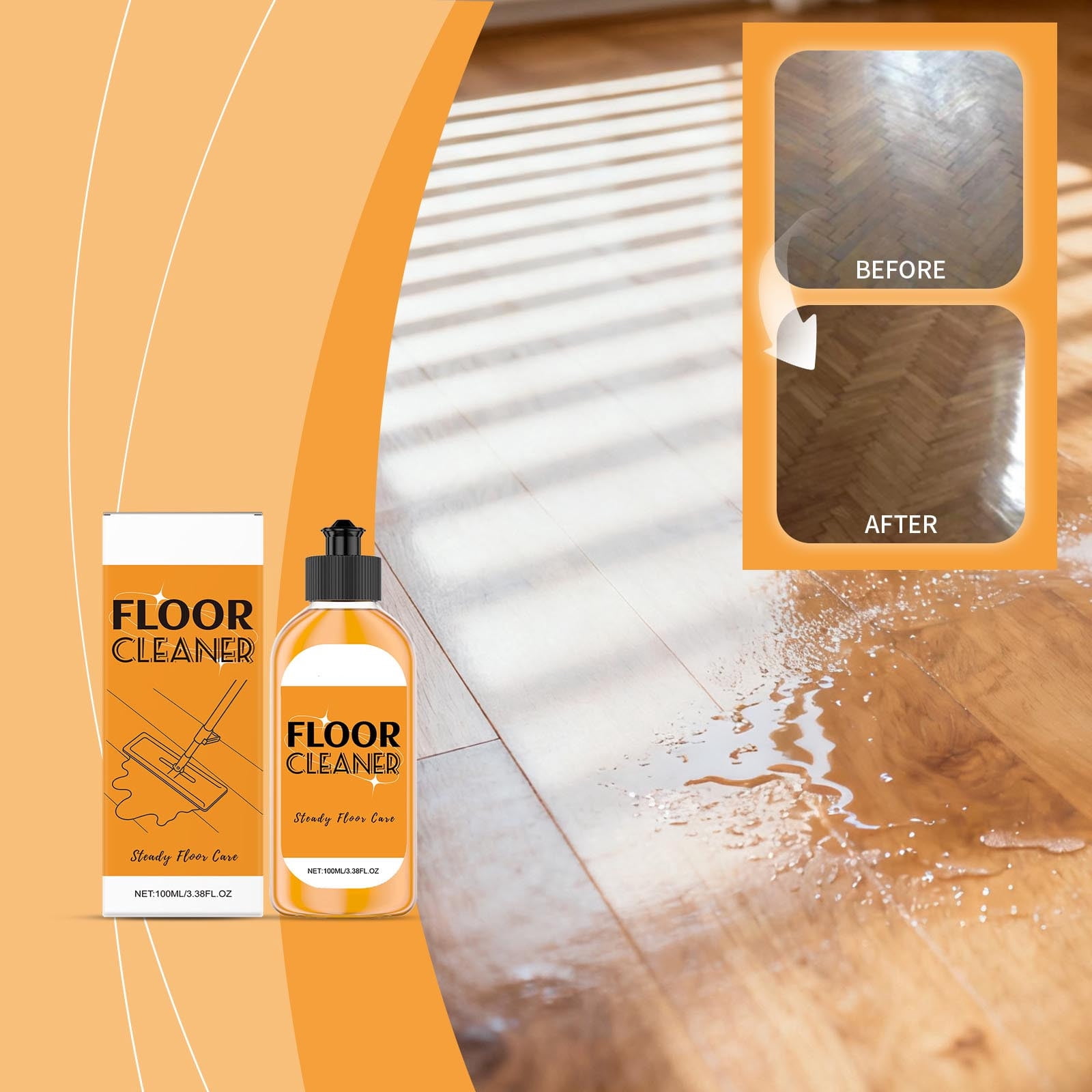
- Surface-Sealed: These floors can handle a damp (not soaking) microfiber mop. Use a pH-neutral cleaner specifically formulated for wood. Avoid vinegar and water solutions; the acid in vinegar can break down the polyurethane finish over time, leading to a dull appearance.
- Oil/Wax Treated: These require specialized oil-based soaps. Never use water-based cleaners on these surfaces, as moisture will penetrate the wood fibers, causing them to swell, warp, or "cupping."
The "Dry Mop" Rule
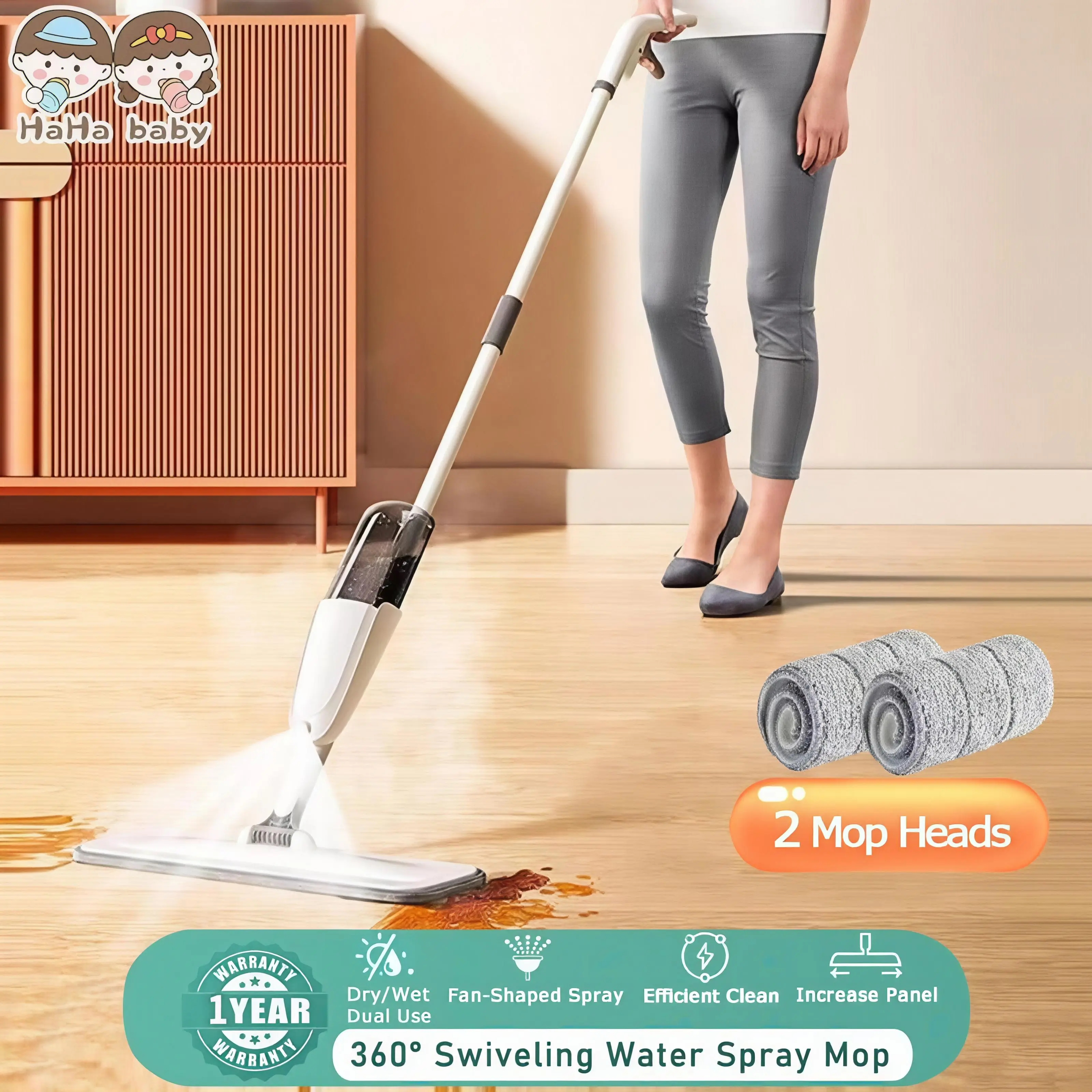
For hardwood maintenance, the mop should be just barely damp to the touch. In 2026, the standard recommendation is to use a spray-mop system that delivers a fine mist directly to the floor, ensuring that no standing liquid remains for more than a few seconds. If the floor takes longer than two minutes to air dry, you are using too much water.
Laminate and Luxury Vinyl Plank (LVP)
Laminate and Luxury Vinyl Plank (LVP) are the most common "resilient" floors found in residential settings. While LVP is often marketed as "waterproof," this refers to the material's ability to resist damage from water—it does not mean the subfloor is protected.
Preventing Seam Penetration
The greatest risk to laminate and LVP is liquid seeping through the seams. If water reaches the core of a laminate plank (usually high-density fiberboard), it will cause the edges to "peak" or swell. Even with LVP, moisture trapped underneath can lead to mold or adhesive failure.
- Cleaning Solution: Use a dedicated resilient floor cleaner or a very small amount of mild dish soap in a gallon of distilled water.
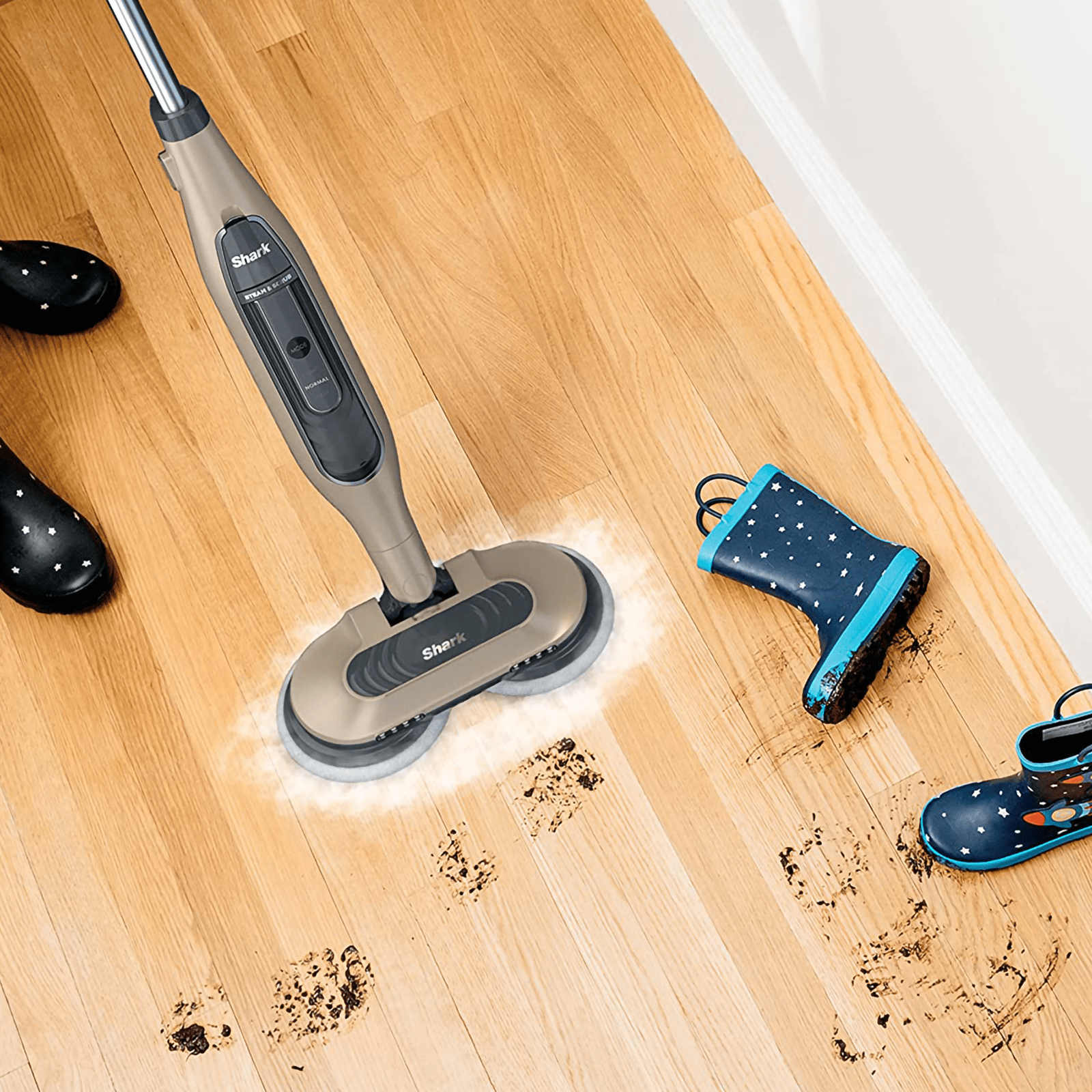
- Avoid: Steam mops. The intense heat and pressurized moisture can force its way into the seams and melt the adhesive layers or cause delamination of the wear layer.
Ceramic and Porcelain Tile: Managing Grout Integrity
Ceramic and porcelain are among the most durable flooring options, capable of withstanding more aggressive cleaning than wood or vinyl. However, the weak point is almost always the grout.
Acidic vs. Alkaline Cleaners
Grout is typically cement-based and porous unless it has been sealed with an epoxy-based sealer.
- Daily Cleaning: Use an alkaline or pH-neutral cleaner. Alkaline cleaners are excellent at breaking down organic fats and oils, which are common in kitchens.
- Deep Cleaning: If grout lines are discolored, a mild acidic cleaner can strip a microscopic layer of the grout to reveal a fresh surface. However, this should be done sparingly (once or twice a year), as repeated acid use will eventually erode the grout until it becomes brittle and cracks.
For textured tiles, a traditional string mop often fails to reach the "valleys" of the texture. A soft-bristled scrub brush or a motorized floor scrubber is often necessary to dislodge dirt that has settled into the depressions of the tile.
Natural Stone: The Dangers of Etching
Natural stone floors—including marble, granite, travertine, and slate—require the most specialized care of any surface. The primary threat to stone is etching, a chemical reaction that occurs when an acidic substance comes into contact with calcium carbonate (found in marble and limestone).
The pH-Neutral Mandate
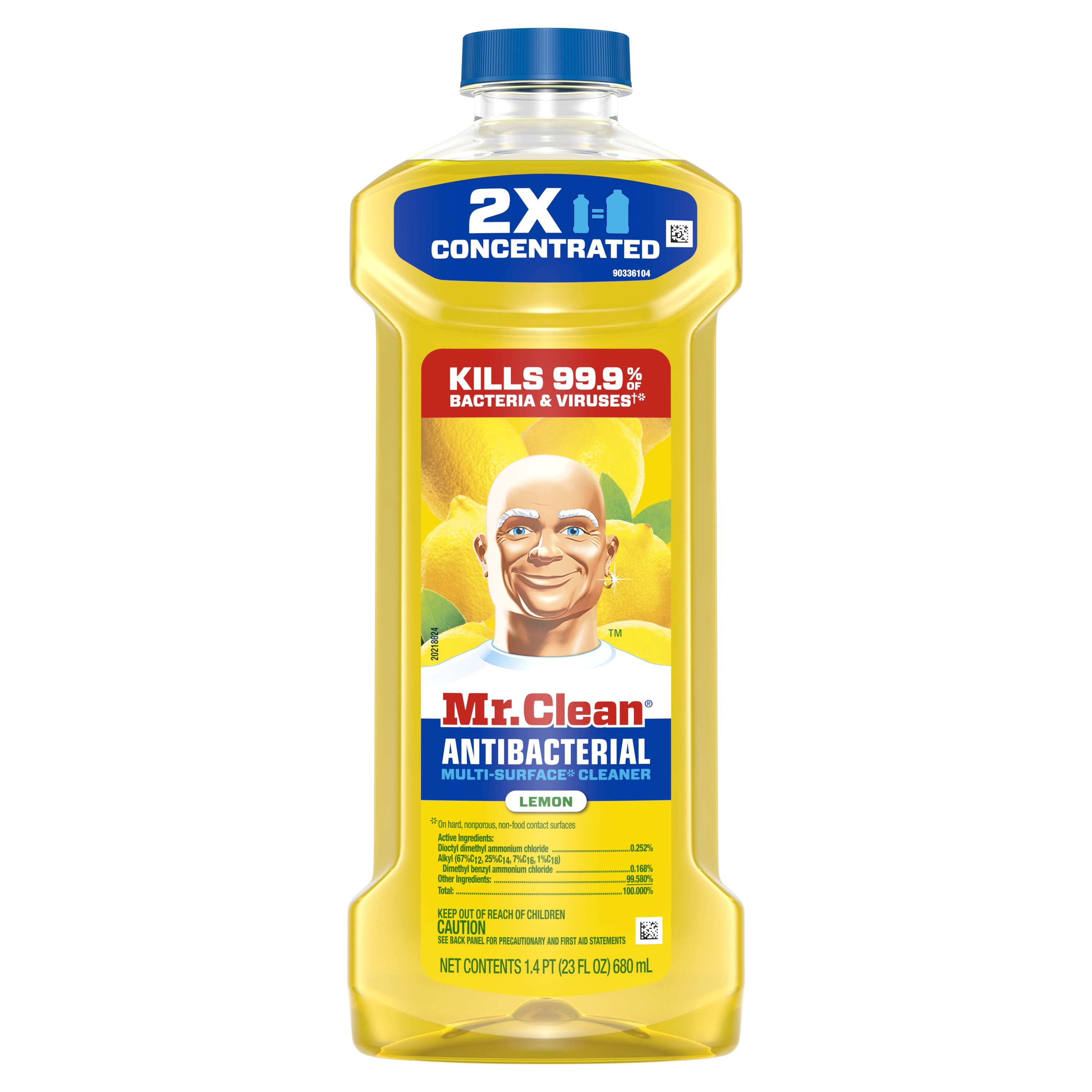
You must never use vinegar, lemon juice, or any "all-purpose" cleaner containing citrus or ammonia on natural stone. These substances will eat away at the surface, leaving dull, white marks that can only be removed by professional diamond-honing.
- Travertine and Marble: These stones are highly sensitive. Always use a dedicated stone soap.
- Granite: While more resistant to acid than marble, granite is still porous and must be kept sealed to prevent oil-based stains from darkening the stone.
Comprehensive Floor Care Comparison Table
| Floor Type | Primary Risk | Recommended Cleaning Agent | Preferred Tool | Steam Safe? |
|---|---|---|---|---|
| Hardwood (Sealed) | Water damage/Dulling | pH-Neutral Wood Cleaner | Microfiber Spray Mop | No |
| Laminate | Seam swelling | Resilient Floor Cleaner | Damp Microfiber | No |
| Luxury Vinyl (LVP) | Delamination | Mild Detergent/Water | Microfiber Mop | Generally No |
| Ceramic Tile | Grout staining | Alkaline Cleaner | String Mop/Scrub Brush | Yes |
| Marble/Stone | Chemical Etching | Specialized Stone Soap | Soft Microfiber | No |
| Polished Concrete | Loss of shine | Neutral Floor Film | Flat Mop | Yes |
Soft Surfaces: Advanced Carpet and Rug Maintenance
In 2026, carpet cleaning has moved away from high-moisture "shampooing" toward low-moisture encapsulation and professional-grade steam extraction.
The Encapsulation Method
Encapsulation involves spraying a specialized polymer solution onto the carpet. As the solution dries, it crystallizes around dirt particles. These crystals are then easily vacuumed away. This method is preferred for commercial settings because it allows the carpet to be walked on almost immediately.
Deep Extraction
For residential deep cleaning, Hot Water Extraction (HWE) remains the gold standard.
- Temperature Matters: The water should be heated to between 150°F and 200°F (65°C to 93°C) to effectively break down oily residues without the need for excessive chemicals.
- Residue Removal: The most common mistake in carpet cleaning is leaving soap behind. Soap residue is "tacky" and will attract dirt even faster once the carpet is dry. Always perform a final rinse with plain water or a slightly acidic neutralizing rinse.
Sustainable Cleaning in 2026: Enzymes and Probiotics
As we move through 2026, the shift toward "living" cleaners has become mainstream. Enzymatic cleaners and probiotic solutions offer a different approach to "all floor cleaning" by utilizing biological catalysts to break down soils.
- Enzymes: These are proteins that break down specific types of stains. Protease enzymes break down protein stains (blood, grass), while lipase enzymes break down fats and oils. They are particularly effective for pet accidents on both hard and soft surfaces.
- Probiotics: These cleaners leave behind beneficial bacteria that continue to "consume" organic matter long after the floor has dried. This is highly effective for porous surfaces like grout or unsealed concrete where odors can be trapped deep within the substrate.
Common Mistakes to Avoid
- Using Too Much Product: In cleaning, more is rarely better. Excess soap leaves a film that captures footprints and dust, making the floor look dirty again within hours.
- Mixing Chemicals: Never mix bleach with ammonia or acidic cleaners. This can create toxic chlorine or chloramine gas.
- Ignoring the Label: 2026 flooring warranties are more stringent than ever. Using a non-approved cleaner (like a steam mop on certain laminates) can completely void your manufacturer’s warranty.
- Recycling Dirty Water: If you are using a bucket and mop, change the water as soon as it appears cloudy. Otherwise, you are simply spreading suspended soil across the surface.
How often should I deep clean my grout?
Deep cleaning grout with an alkaline cleaner and a brush should be done every 6 to 12 months, depending on foot traffic. Once cleaned, applying a high-quality penetrative sealer is essential to prevent future staining. If the grout is in a high-moisture area like a bathroom, more frequent inspections for mildew are necessary.
Can I use a steam mop on all hard floors?
No. Steam mops should only be used on durable, non-porous surfaces like ceramic tile, porcelain, or some types of sealed stone. They should be avoided on hardwood, laminate, and most luxury vinyl, as the heat and moisture can cause warping, adhesive failure, or finish clouding.
Is vinegar a safe "natural" cleaner for all floors?
Vinegar is a dilute acetic acid. While it is effective at cutting through hard water deposits, its acidity makes it dangerous for natural stone (marble, limestone) and potentially damaging to the protective finishes on hardwood floors over time. It is best used on ceramic tiles or as a glass cleaner.
What is the best way to remove pet urine from hardwood?
Pet urine is acidic when fresh and becomes highly alkaline as it dries. You must first blot up all liquid. Use a specialized enzymatic cleaner designed for wood to break down the uric acid crystals. Avoid saturating the wood, and ensure the area is dried thoroughly with a fan to prevent the urine from soaking into the subfloor.
Do robot mops really work for all floor cleaning?
Robot mops are excellent for maintenance cleaning—keeping dust and light spills at bay on a daily basis. However, they lack the downward pressure and mechanical agitation required for deep cleaning or removing stuck-on grime. They are best used as a supplement to a weekly manual cleaning routine.
Implementation: Developing a Floor Care Routine
The key to maintaining "all floor cleaning" standards is a tiered approach. Start by establishing a daily dry-soil removal habit using a vacuum or dust mop. This prevents the abrasive wear that ruins floor finishes. Follow this with a weekly damp-mop using the specific pH-neutral or material-specific cleaner identified for your flooring type. Finally, schedule an annual deep-clean or professional inspection—especially for carpets and natural stone—to address deep-seated contaminants and re-apply necessary sealants. By matching the chemistry of your cleaner to the science of your floor, you ensure the longevity and aesthetic value of your home’s surfaces throughout 2026 and beyond.