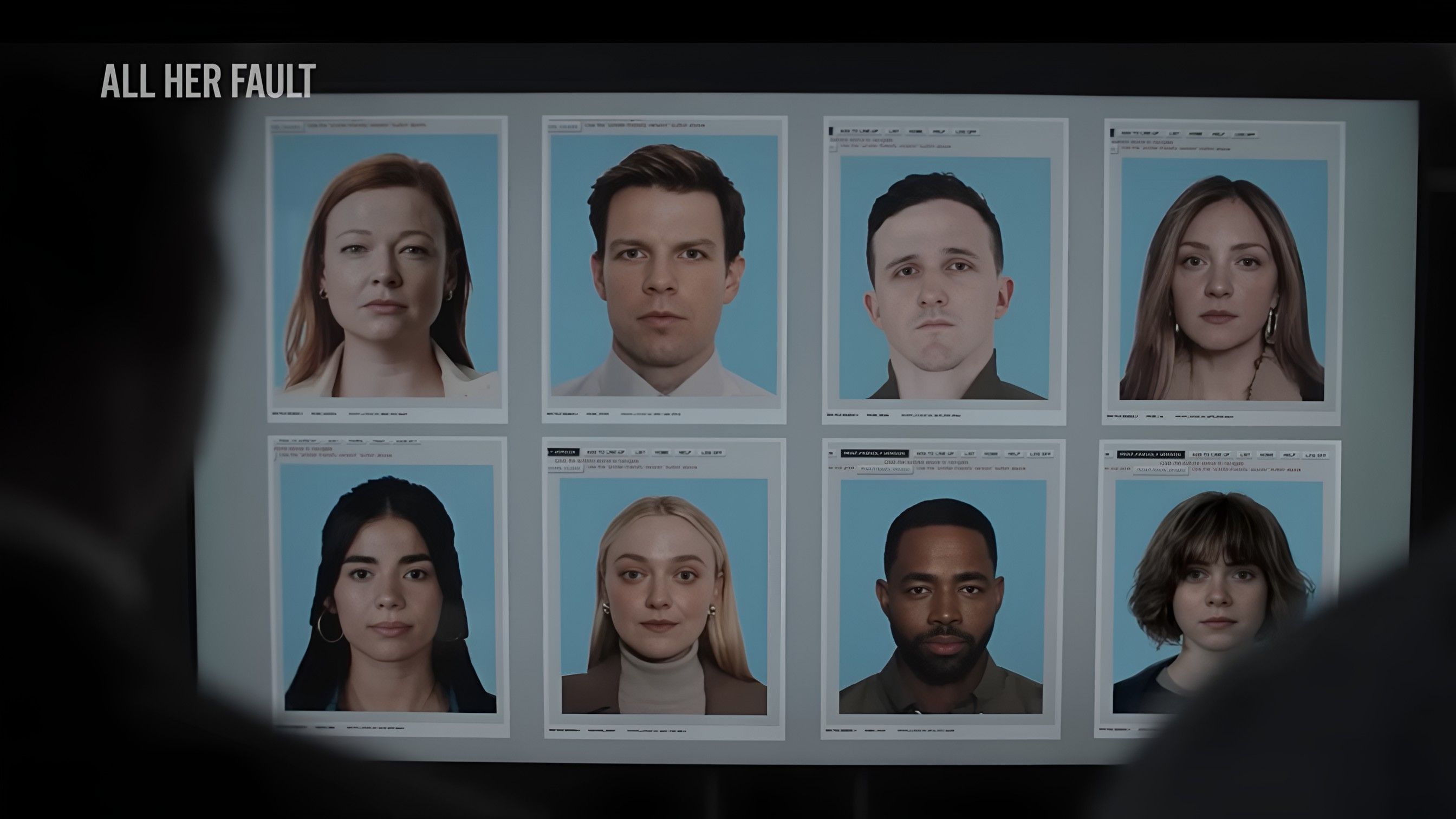
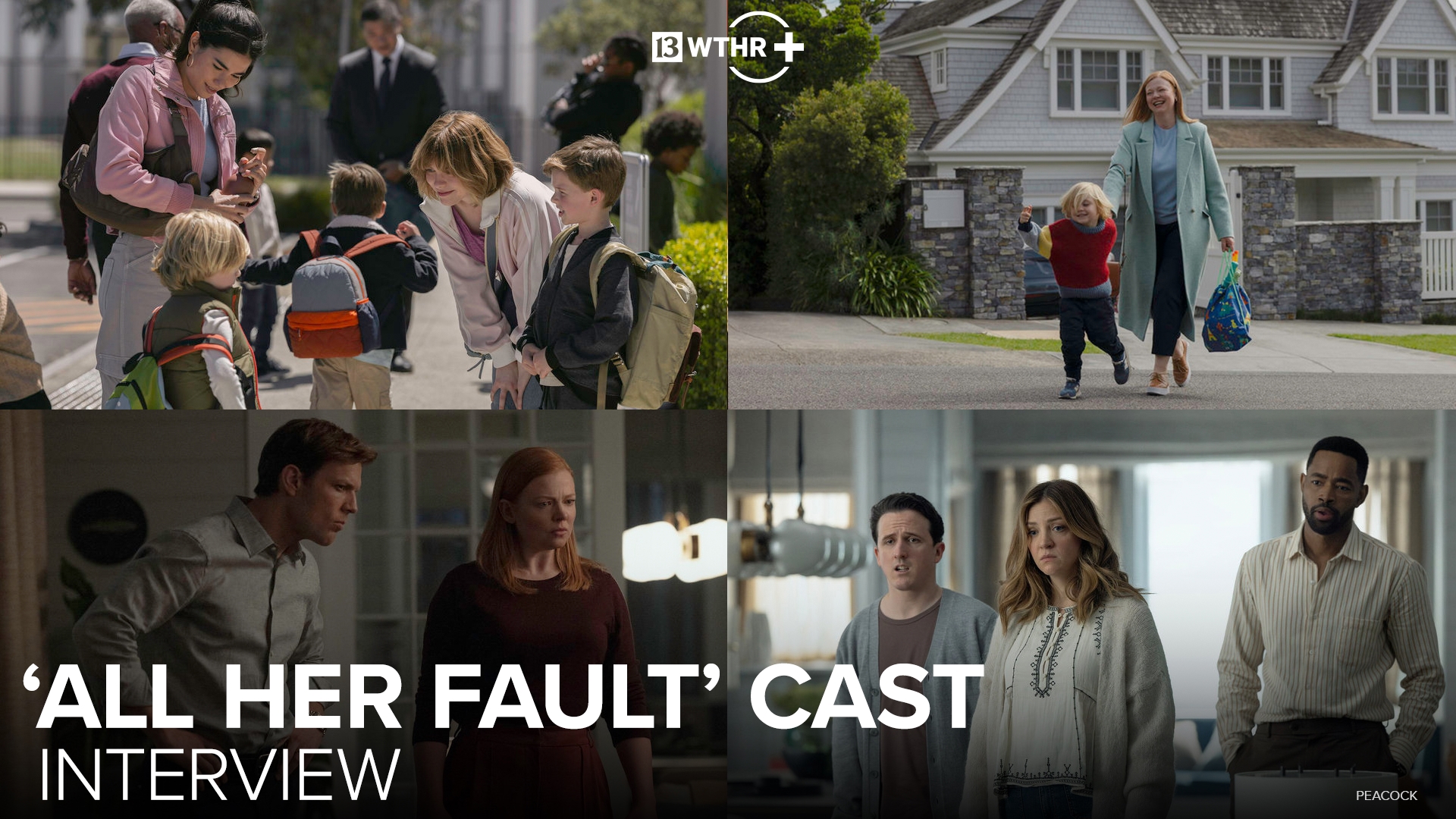
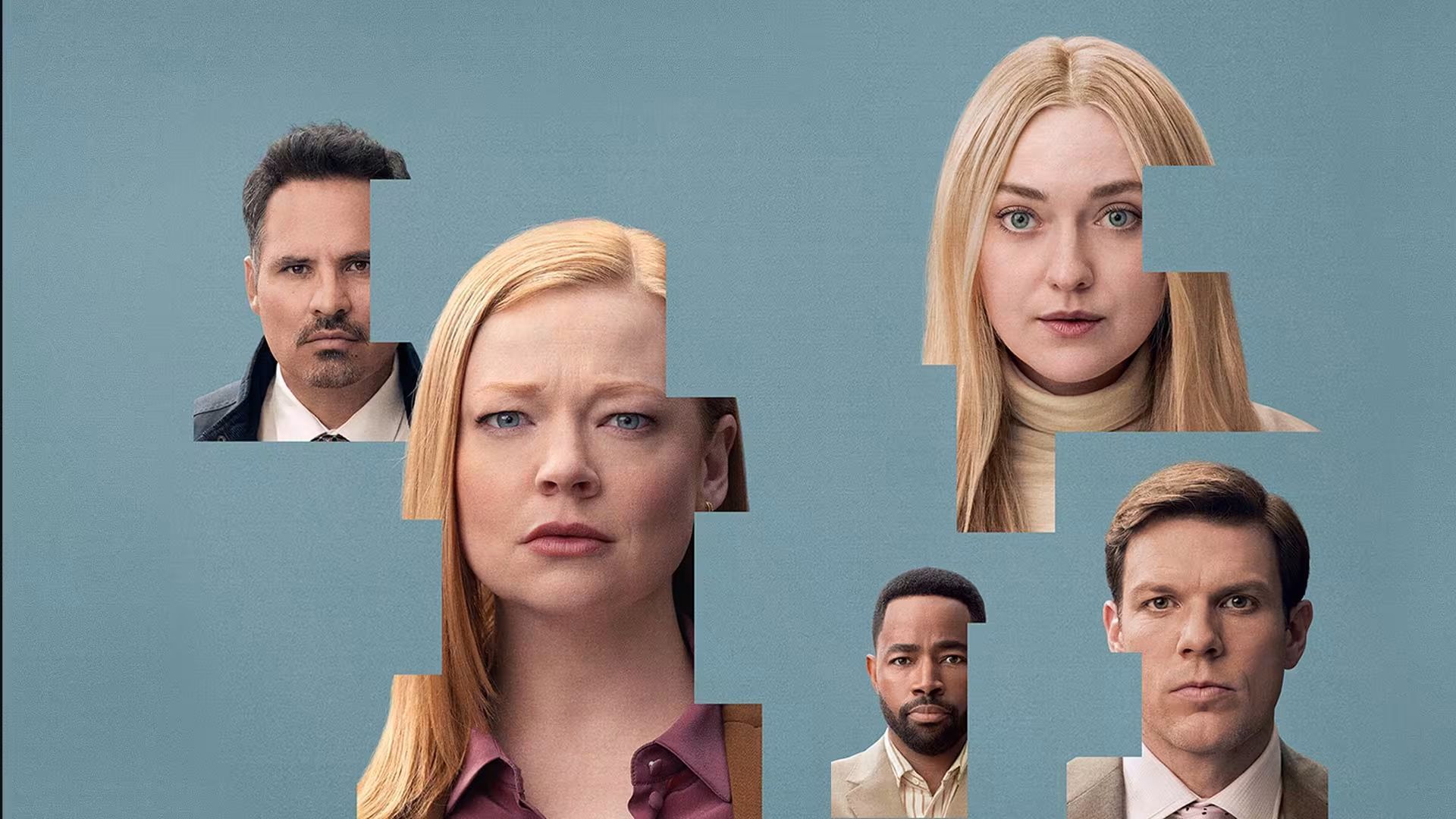
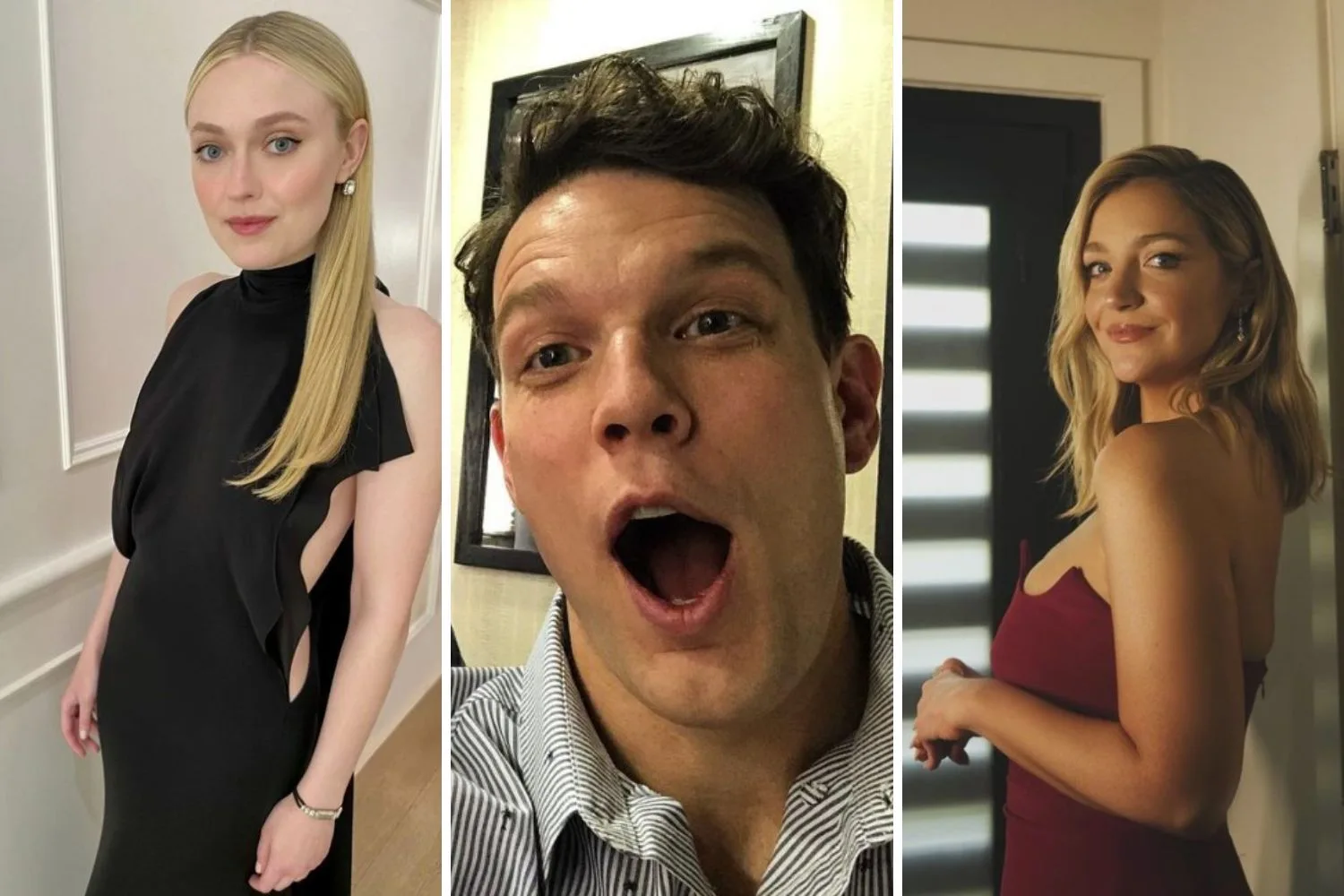
All Her Fault is a gripping psychological thriller series on Peacock, starring Sarah Snook and Dakota Fanning. Based on Andrea Mara’s best-selling novel, the show follows a mother whose life unravels after her young son disappears during what was supposed to be a routine playdate. It is a masterclass in suburban suspense and maternal desperation.
The Premise: A Suburban Nightmare Unfolds
The "All Her Fault" TV series centers on Marissa Irvine, a woman living an enviably stable life in a high-end Chicago suburb. The narrative engine ignites with a single, chilling event: Marissa arrives at a neighbor’s house to collect her son, Milo, from his first playdate. However, the woman who opens the door—Jenny—is a stranger. Not only does Jenny not have Milo, but she also claims she never had a playdate scheduled and doesn't even know who Marissa is.
This "wrong house" trope is quickly subverted as the series expands into a complex web of lies involving a tight-knit community. As the police investigation begins, the focus shifts from a simple kidnapping to a deep dive into the secrets held by the parents in the neighborhood. Every character has a reason to hide something, and the title itself—All Her Fault—becomes a haunting refrain that points toward the collective guilt and individual failures of those involved.
The show excels at capturing the specific, visceral panic of a parent who realizes their child is missing. By the end of the first episode, the stakes are established not just as a search for a boy, but as a systematic deconstruction of Marissa’s social circle. The series utilizes a non-linear approach in several episodes, showing the lead-up to the disappearance from multiple perspectives, which allows the audience to see the cracks in the suburban facade long before the characters do.
The Star-Studded Cast and Character Profiles
One of the primary draws of the series is its powerhouse ensemble, led by Emmy-winner Sarah Snook in her first major television role following the conclusion of Succession. The casting choices bring a level of prestige to the thriller genre, ensuring that the emotional beats land as heavily as the plot twists.
Sarah Snook as Marissa Irvine
Marissa is the emotional anchor of the series. Snook portrays her with a blend of frantic energy and sharp intelligence. Unlike many "damsel in distress" tropes, Marissa is proactive, often pushing the boundaries of the law to find her son. Snook’s performance captures the nuanced guilt of a working mother who wonders if her absence contributed to the tragedy.
Dakota Fanning as Jennie
Dakota Fanning plays Jennie, a character whose role is far more complex than the initial "stranger at the door." Jennie is a woman haunted by her own past, and as the series progresses, her connection to the Irvine family is revealed to be deeper and more disturbing than initially suggested. Fanning brings a quiet, eerie intensity to the role that contrasts perfectly with Snook’s more outward desperation.
Abby Elliott as Carrie
Abby Elliott portrays Carrie, Marissa’s closest friend. In the world of All Her Fault, friendship is a volatile commodity. Carrie serves as a confidante but also as a window into the judgmental nature of the suburban parent group. Her character explores the competitive aspects of motherhood and the secrets that even best friends keep from one another.
Supporting Ensemble
- Jake Lacy: Known for his roles in The White Lotus and A Friend of the Family, Lacy plays a pivotal role as a neighbor whose charm masks a darker side.
- Sophie Lillis: Plays a younger woman in the community who holds a key piece of evidence regarding Milo’s disappearance.
- Michael Esper: Portrays Marissa’s husband, whose reaction to the kidnapping puts a significant strain on their marriage, revealing long-standing fractures in their relationship.
Production Background and Development
The journey of All Her Fault from the page to the screen was highly anticipated by fans of contemporary "domestic noir." The series was adapted by Megan Gallagher, who also serves as the showrunner and executive producer. Gallagher’s approach was to maintain the core tension of Andrea Mara's novel while expanding the setting to appeal to a global audience.
From Dublin to Chicago
While Andrea Mara’s original novel is set in Dublin, Ireland, the TV series shifted the setting to a wealthy suburb of Chicago. This change allowed the production to lean into the specific aesthetics of American suburban malaise. Interestingly, despite the Chicago setting, the series was filmed primarily in Melbourne, Australia. The production took advantage of Victoria’s diverse architecture and lucrative tax incentives to recreate the Midwestern American look.
Directorial Vision
Minkie Spiro, known for her work on Better Call Saul and 3 Body Problem, directed several episodes, including the pilot. Her visual style emphasizes the isolation of the characters, often using wide shots that make the sprawling suburban homes look like lonely fortresses. The lighting transitions from the bright, over-saturated hues of a perfect afternoon to a cold, desaturated palette as the mystery deepens, mirroring Marissa’s psychological state.
Adaption Analysis: The Novel vs. The TV Series
Fans of the book will find that the series remains largely faithful to the central mystery, but certain liberties were taken to flesh out the eight-episode format. The most notable difference is the expansion of the secondary characters' backstories. In the novel, the internal monologues provide much of the suspense; on screen, this is translated into tense, dialogue-driven confrontations and a more prominent police procedural element.
The TV series also places a heavier emphasis on the "surveillance state" of modern suburbs. Ring cameras, social media tracking, and digital footprints play a much larger role in the show than they did in the early chapters of the book. This modernization adds a layer of realism, as the characters struggle to hide their movements in an age where everything is recorded.
| Feature | Andrea Mara’s Novel | Peacock TV Series |
|---|---|---|
| Primary Setting | Dublin, Ireland | Chicago, Illinois |
| Lead Character | Marissa Irvine | Marissa Irvine |
| Format | Psychological Thriller Novel | 8-Episode Limited Series |
| Tone | Intimate and Internal | Cinematic and Expansive |
| Key Conflict | Kidnapping/Suburban Secrets | Kidnapping/Systemic Guilt |
| Filming Location | N/A | Melbourne, Australia |
Why "All Her Fault" Is a Must-Watch in 2026
By 2026, the landscape of streaming thrillers has become increasingly crowded, yet All Her Fault stands out due to its high production value and the caliber of its lead performances. It avoids the common pitfall of "filler episodes" by ensuring that every subplot contributes directly to the central mystery of Milo’s whereabouts.
The show taps into universal fears: the fear of the unknown, the fear of being judged by one’s peers, and the terrifying realization that you might not know your neighbors—or your spouse—as well as you thought. It is not merely a "whodunnit" but a "whathappened," focusing on the chain of small, seemingly insignificant decisions that lead to a catastrophe.
The series also benefits from the "binge-watch" model. Because each episode ends on a significant cliffhanger, it has become one of the most talked-about shows on Peacock, generating significant social media engagement and fan theories. The chemistry between Snook and Fanning is particularly lauded, with many critics pointing to their scenes together as the highlight of the series.
Frequently Asked Questions
Is "All Her Fault" based on a true story?
No, the series is a fictional adaptation of the novel by Andrea Mara. While the emotions and the suburban setting are grounded in reality, the specific plot of the kidnapping and the subsequent twists are products of the author's imagination. Andrea Mara is well-known for writing domestic thrillers that feel plausible, which is why many viewers question if the events actually occurred.
Where can I stream the All Her Fault TV series?
The series is a Peacock Original. You can stream all episodes exclusively on the Peacock TV platform. Depending on your region, it may also be available through international partners like Sky or Showmax, as NBCUniversal often distributes its original content through these networks globally.
How many episodes are in the first season?
The series consists of eight episodes. It was designed as a limited series, meaning the central mystery of Milo’s disappearance is resolved by the final episode. While the success of the show has led to rumors of an anthology-style second season focusing on a different "fault," the story of Marissa Irvine is self-contained within these eight chapters.
Who is the showrunner for All Her Fault?
Megan Gallagher is the showrunner and lead writer. She is an experienced producer who has worked on several high-profile adaptations. Her work on All Her Fault has been praised for its pacing and for the way it balances the emotional weight of the story with the requirements of a fast-paced thriller.
Was the show really filmed in Australia?
Yes. Although the story is set in Chicago, the production was based in Melbourne, Australia. This is a common practice in the 2020s, as Australian film hubs provide world-class facilities and landscapes that can easily double for North American cities. Local Australian talent was also utilized for many of the supporting and background roles.
How to Get the Most Out of the Series
To fully appreciate the intricate plotting of All Her Fault, viewers should pay close attention to the background details in the first two episodes. The showrunners have hidden several clues in plain sight—ranging from the color of a car to the specific wording of a text message—that pay off significantly in the finale.
If you enjoy the series, the next logical step is to read Andrea Mara’s original novel. While the show provides a definitive ending, the book offers a deeper look into Marissa’s internal state and provides additional context for the neighborhood dynamics that couldn't fit into the television runtime. For fans of this genre, other series such as The Undoing or Big Little Lies offer similar themes of wealthy communities grappling with hidden crimes.