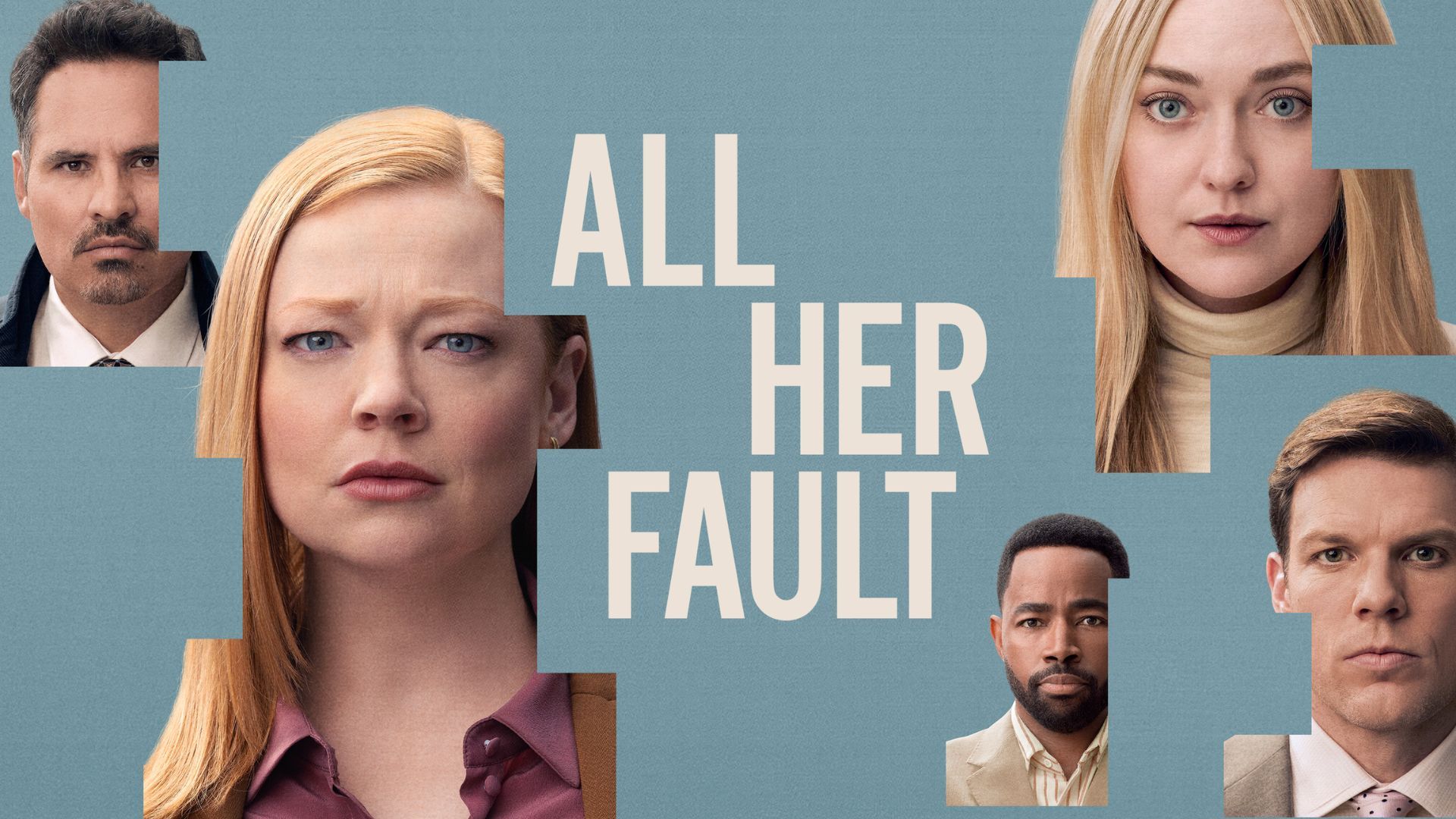
In the gripping narrative of Andrea Mara’s All Her Fault, the disappearance of young Milo serves as the catalyst for a social and psychological collapse within a wealthy Dublin suburb. The "shocking truth" behind the scandal lies in a complex web of mistaken identity, long-buried trauma, and the toxic pressure of maternal perfection, ultimately revealing that the kidnapping was not a random act of violence but a calculated consequence of past sins.
The story begins with every parent’s worst nightmare: a simple pick-up gone wrong. When Marissa Irvine arrives at 14 Cotter’s Avenue to collect her son, Milo, from his first playdate, she is met not by a welcoming host, but by a woman who has no idea who she is. This moment of realization—that Milo was never at the house he was supposed to be at—sets off a chain reaction that unearths the dark underbelly of a seemingly idyllic community. As we look back from the perspective of 2026, the cultural impact of this story, particularly following its high-profile television adaptation, remains a touchstone for discussions on parental anxiety and social media voyeurism.
The Disappearance of Milo: A Catalyst for Chaos
The inciting incident of All Her Fault is designed to exploit the specific vulnerabilities of modern parenting. Marissa Irvine is a woman who prides herself on her organization and her devotion to Milo. However, the "scandal" begins the moment she realizes she handed her son over to a stranger at the school gates—a stranger she believed was the mother of Milo’s new friend. This lapse in judgment becomes the "fault" alluded to in the title, a weight that Marissa carries throughout the investigation.
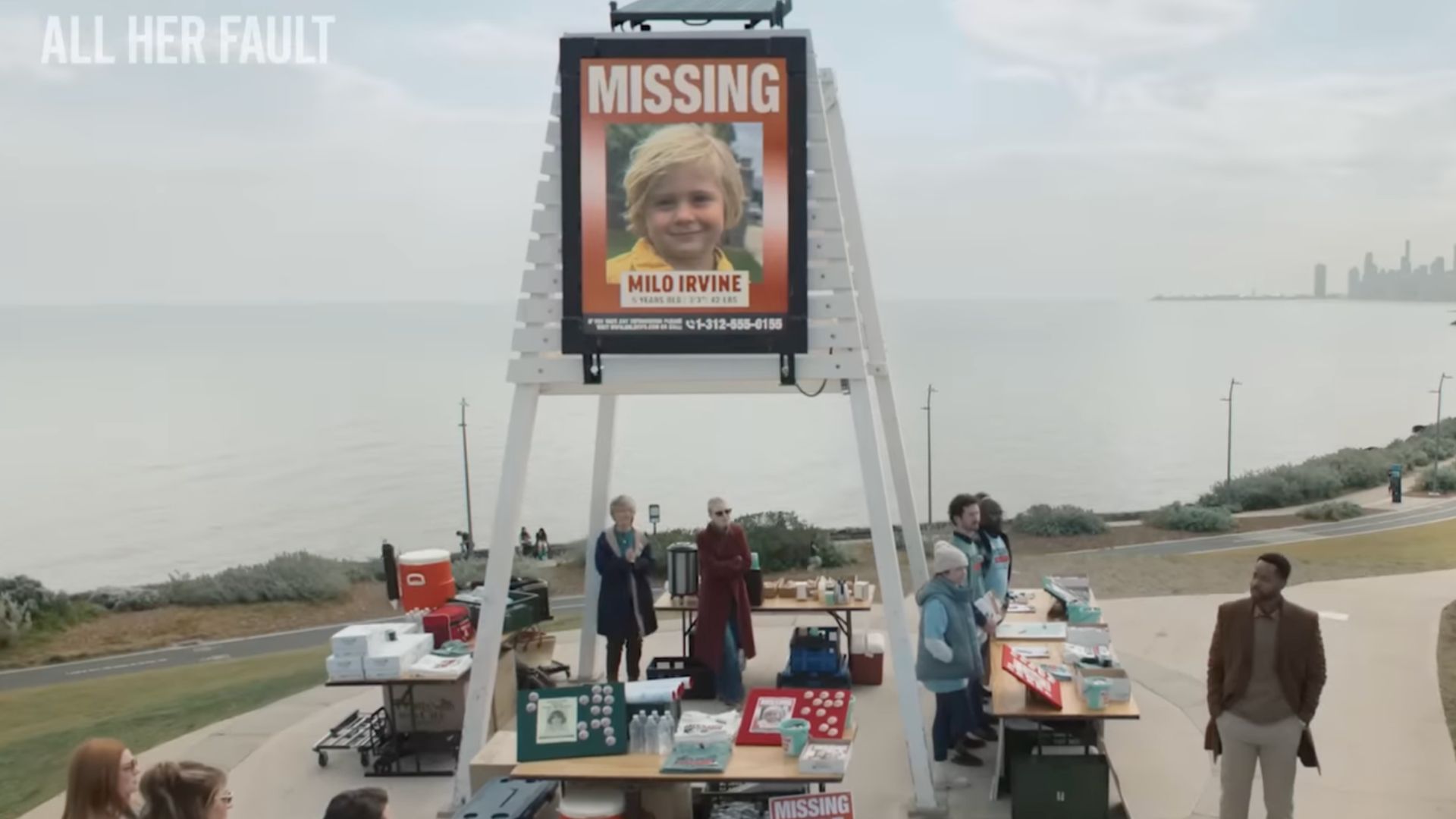
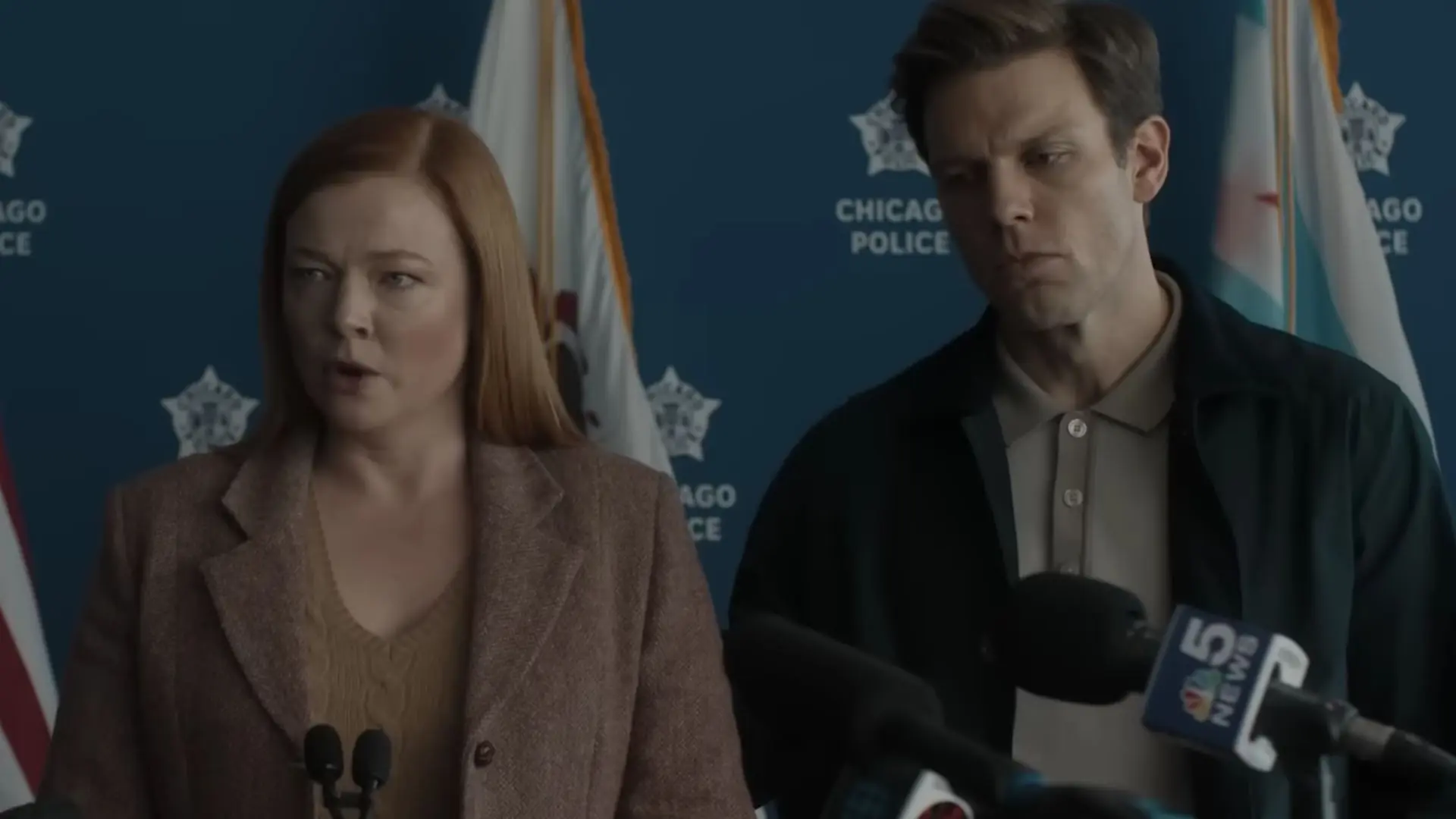
The immediate aftermath of Milo's disappearance is characterized by a frantic search that quickly moves from the physical streets of Dublin to the digital arena. In the world of the novel, and intensified in the recent screen adaptation, the role of the "mummy bloggers" and neighborhood WhatsApp groups is central. These platforms, designed for support, quickly turn into breeding grounds for rumor and victim-blaming. The scandal isn't just that a child is missing; it’s the public dissection of Marissa’s fitness as a mother. This social "scandal" mirrors real-world instances where the public's thirst for details often supersedes the privacy and safety of the victims involved.
As the investigation deepens, the focus shifts from a "stranger danger" narrative to a domestic thriller. The police, led by the meticulous Detective Warren, begin to realize that the person who took Milo knew the family’s schedule, their insecurities, and their social circle. The "shocking truth" starts to peak through the cracks of the suburban facade, suggesting that Milo was not the original target, or perhaps, he was a pawn in a much larger game of retribution.
The Social Web: Secrets of the Dublin Mothers
To understand the truth behind the Milo scandal, one must analyze the hierarchy of the mothers in the Cotter’s Avenue circle. This is a community built on appearances—perfect kitchens, high-achieving children, and curated social media feeds. When Milo goes missing, these facades begin to crumble, revealing that almost every woman in Marissa’s orbit is harboring a secret that could link them to the crime.
Jenny, one of the central figures in the social group, represents the pinnacle of this curated lifestyle. However, her involvement in the Milo affair is far more intricate than it first appears. The scandal explores the concept of "competitive mothering," where the successes and failures of one’s child are seen as a direct reflection of the parent’s worth. In All Her Fault, this competition reaches a lethal boiling point. The narrative masterfully hides the culprit by giving every character a plausible motive rooted in jealousy, revenge, or self-preservation.
The "truth" is further obscured by the presence of Carrie and Kim. Kim, the woman who opens the door at the "wrong" house, becomes an accidental protagonist in the scandal. Her confusion and subsequent fear highlight the fragility of suburban safety. Meanwhile, Carrie’s history provides the thematic backbone for the story’s resolution. The scandal is not merely about a kidnapping; it is about the "fault" of a generation of women who have suppressed their traumas to fit into a societal mold, only for those traumas to manifest in the lives of their children.
Analyzing the Shocking Truth: The Revenge Plot Revealed
The climax of the Milo scandal reveals a devastating truth: the kidnapping was a case of tragic misidentification fueled by a decades-old grudge. Without venturing into every minor spoiler, the core of the revelation involves the realization that the perpetrator intended to punish someone else entirely. Milo was taken because of a proximity to a secret that Marissa didn't even know she was part of.
The "shocking truth" hinges on the connection between the current events and a past tragedy involving a different child. This narrative device—linking the present-day scandal to historical negligence—reinforces the theme that the past is never truly buried. The "fault" is distributed among several characters who, through silence or active deception, allowed a monster to grow in their midst. When the identity of the kidnapper is finally confirmed, it isn't a shadowy figure from the outskirts of society, but someone intimately familiar with the school run and the neighborhood dynamics.
The resolution of the scandal provides a grim commentary on the nature of justice. While Milo’s fate is the primary concern for the reader, the "truth" leaves the community permanently fractured. The legal proceedings that follow the events of the book and the series highlight the difficulty of prosecuting emotional negligence and the long-term psychological impact of such a public scandal on a young child like Milo.
All Her Fault: From Bestseller to 2026 Screen Sensation
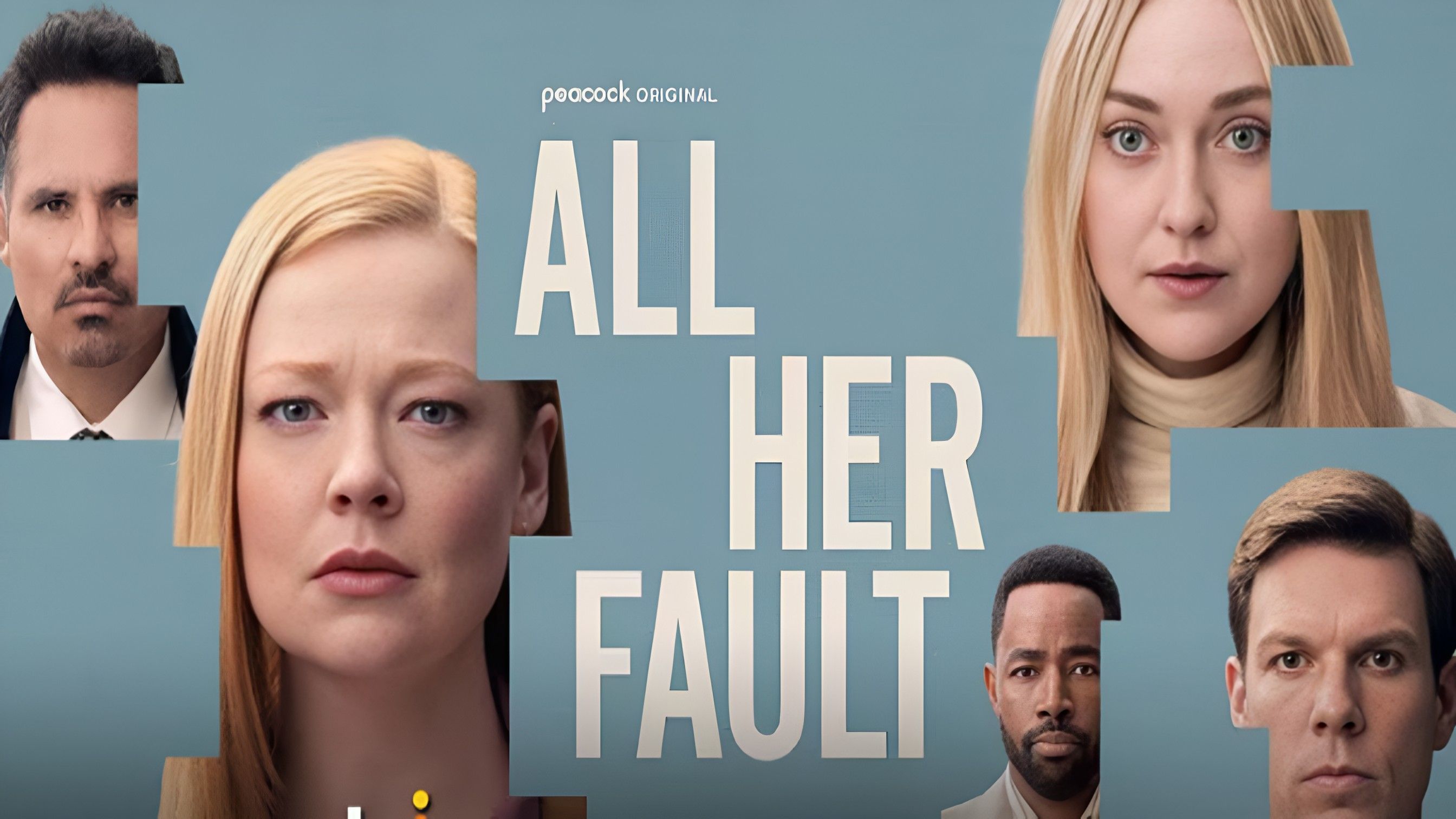
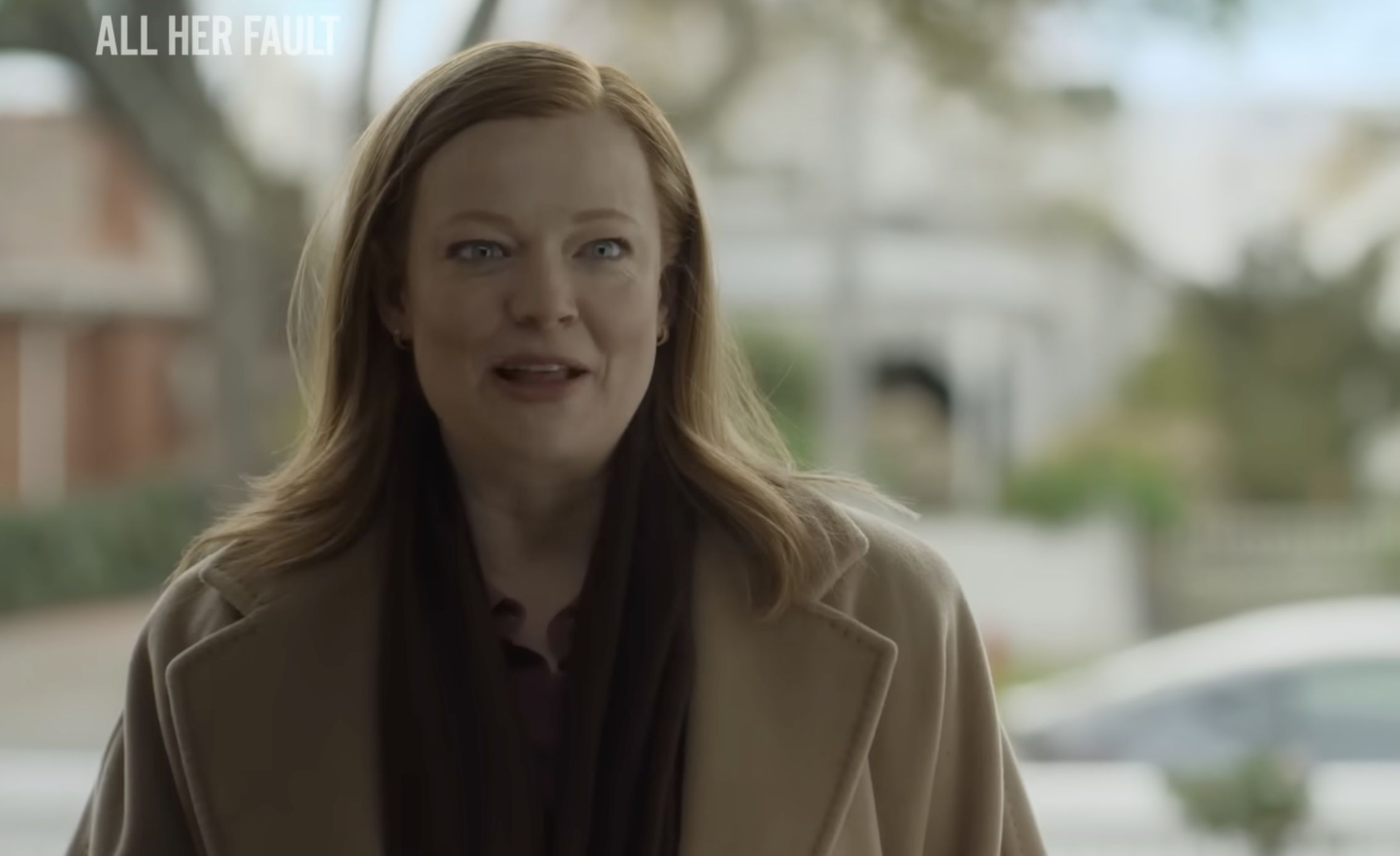
By 2026, All Her Fault has transitioned from a bestselling novel by Andrea Mara to a globally recognized television event. The adaptation, starring Sarah Snook, brought a new level of intensity to the "shocking truth" of the scandal. The series expanded on the internal monologues of the book, using visual cues to emphasize the claustrophobia of suburban Dublin.
The TV adaptation made several key choices that heightened the scandal's impact:
- The Digital Lens: The show utilized "on-screen" social media feeds to show how quickly the public turned against Marissa, making the audience complicit in the scandal.
- Expanded Backstories: The 2026 viewership noted that the series gave more depth to the "villain's" motivations, making the shocking truth feel more like a tragedy than a simple crime.
- Atmospheric Tension: The use of the grey, rain-soaked Irish landscape mirrored the moral ambiguity of the characters.
The success of the series in 2026 solidified the story's place in the "domestic noir" genre. It challenged viewers to ask themselves what they would do in Marissa’s shoes and, more importantly, what secrets they are keeping that could one day cause their own world to come crashing down.
Comparative Analysis of Character Secrets
The following table outlines the primary characters involved in the Milo scandal and the discrepancies between their public personas and the "shocking truths" revealed during the investigation.
| Character Name | Role in Community | The Public Image | The Hidden Secret/Truth |
|---|---|---|---|
| Marissa Irvine | Milo’s Mother | Successful, organized, devoted mother. | Struggling with deep-seated guilt and a lapse in vigilance that led to the kidnapping. |
| Jenny | "Queen Bee" Mother | The perfect mother with a perfect home. | Deeply involved in the social manipulation that blinded the group to the real threat. |
| Kim | The Neighbor | Quiet, unassuming, and helpful. | Her identity was used as a shield, leading to the initial confusion of the "wrong house." |
| Carrie | Outsider/Friend | Supportive but peripheral. | Holds the key to the historical tragedy that motivated the kidnapping. |
| Detective Warren | Lead Investigator | Objective and professional. | Personal stakes in the case that drive him to uncover the truth at any cost. |
Themes of Guilt and Parental Anxiety
At its heart, the scandal surrounding Milo is a study of guilt. The title, All Her Fault, is a multi-layered accusation. It refers to Marissa’s self-blame, the community’s blame of the mother, and the perpetrator’s belief that their actions are a justified response to someone else's "fault." In 2026, this theme resonates even more strongly as the "perfect parenting" culture continues to escalate through AI-curated lifestyles and constant digital surveillance.
The "shocking truth" is that no one is innocent in the world of Cotter’s Avenue. Even those not directly involved in the kidnapping contributed to the environment that made it possible. The scandal exposes the "bystander effect" in modern suburbs, where people are more likely to record a tragedy on their phones or gossip about it in a group chat than they are to intervene in the early signs of a crisis.
Furthermore, the story addresses the specific anxiety of "losing control." Marissa’s life is defined by control, and the kidnapping is the ultimate loss of that power. The resolution of the mystery doesn't necessarily restore that control; instead, it forces the characters to accept the inherent chaos and danger that exists even in the most protected environments.
Frequently Asked Questions
What was the actual "wrong house" in the Milo scandal?
The "wrong house" refers to 14 Cotter’s Avenue. Marissa believed she was dropping Milo off for a playdate with a boy named Jacob, whose mother she thought was Kim. However, Kim did not have a son named Jacob and had never met Marissa. This confusion was a deliberate part of the kidnapper's plan to create a delay in the reporting of Milo's disappearance, giving them a head start.
Is Milo found alive at the end of the story?
Without providing a total spoiler for those currently watching the 2026 series, the narrative focus is on the psychological journey of the recovery. The "shocking truth" of the scandal is less about the physical location of Milo and more about the identity of the person who took him and their twisted reasoning for doing so. Most iterations of the story provide a definitive resolution to his whereabouts.
Who is the real villain in All Her Fault?
The "villain" is a character whose life was destroyed by a past event involving the core group of mothers. While their actions are criminal, the story portrays them as a product of the community's collective silence and "fault." The shocking truth is that the villain was hiding in plain sight, participating in the very social circles they intended to destroy.
Why is the book/show titled All Her Fault?
The title refers to the pervasive tendency of society to blame mothers for any misfortune that befalls their children. It also reflects Marissa's internal monologue and the specific motivation of the kidnapper, who believes a specific woman is at fault for a past tragedy and seeks to balance the scales by taking Milo.
How does the 2026 TV series differ from the original book?
The 2026 TV series leans more heavily into the "scandal" aspect, showing the media circus and the impact of the internet on the investigation. It also provides more visual depth to the character of Milo, making the stakes feel more immediate for the audience compared to the more internal, prose-heavy exploration in Andrea Mara's novel.
Final Practical Assessment of the Narrative
For those following the Milo scandal—whether through the pages of Andrea Mara’s thriller or the 2026 screen adaptation—the primary takeaway is a cautionary tale about the dangers of suburban isolation and the toxicity of "perfect" social circles. The "shocking truth" serves as a reminder that the people we think we know best often harbor the darkest secrets.
If you are navigating the complexities of the plot, focus on the historical connections mentioned in the middle chapters. The key to the scandal is not found in the present-day school run, but in the events that took place years prior. Understanding the "why" behind the kidnapping is essential to resolving the mystery of "where" Milo is. The story remains a definitive example of the "domestic noir" genre, challenging our perceptions of safety, motherhood, and the price of social status.