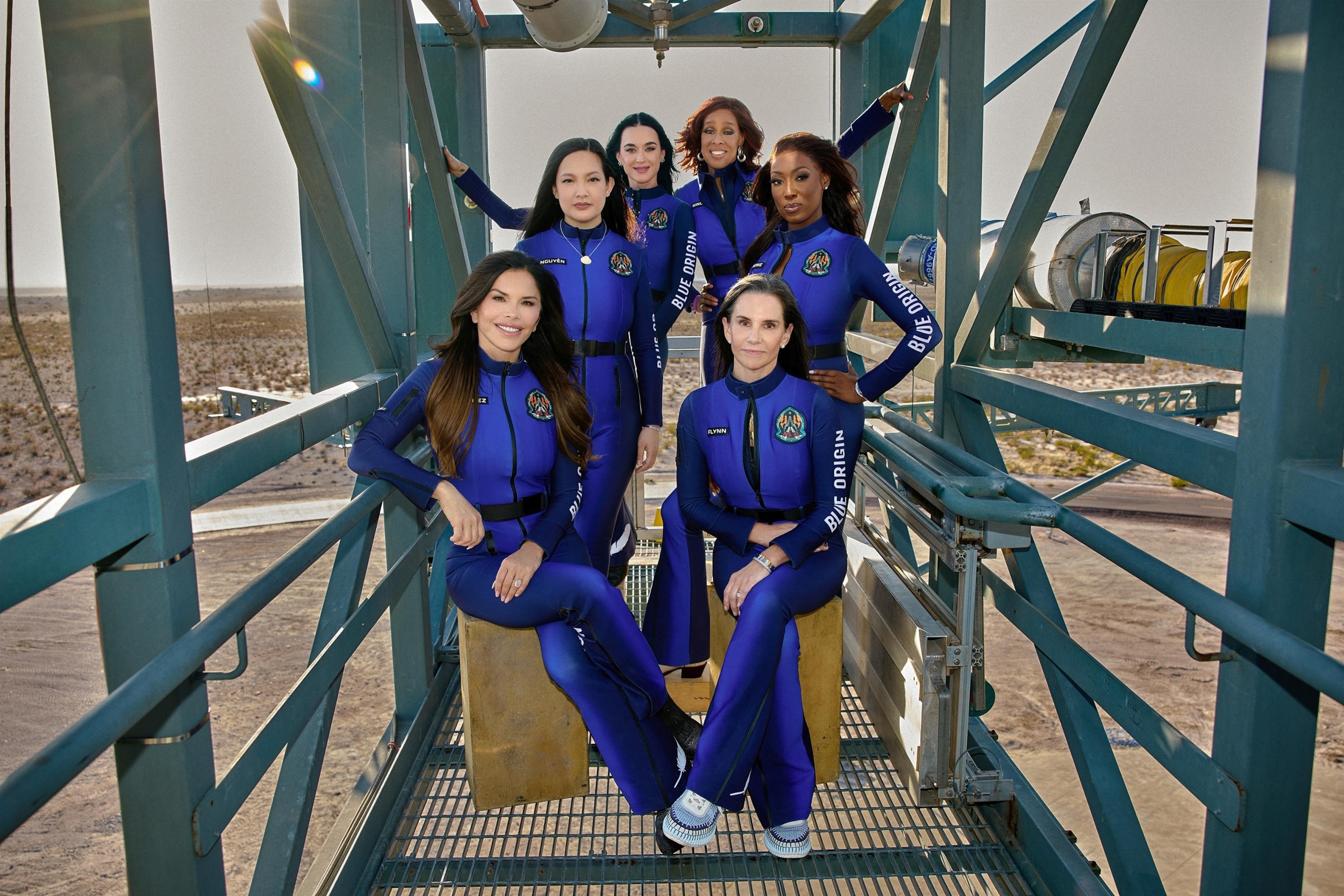
The first all-female Blue Origin mission, led by philanthropist and pilot Lauren Sánchez, represents a landmark achievement in the commercialization of suborbital space. By crossing the Kármán line, this historic six-woman crew demonstrated the expanding accessibility of aerospace, honoring the legacy of pioneers like Wally Funk while inspiring future generations of women in STEAM.
The Evolution of Women in Blue Origin Missions
Before the realization of a fully female crew, Blue Origin’s New Shepard program achieved several foundational milestones that paved the way for NS-28. The journey began in earnest on July 20, 2021, with the NS-16 mission. This flight featured Wally Funk, a member of the "Mercury 13"—a group of women who underwent the same physiological testing as the original Mercury 7 astronauts in the 1960s but were denied the opportunity to fly due to their gender.
At 82 years old, Funk became the oldest person to fly to space at that time, a record she held until 90-year-old William Shatner flew months later. Her presence on the inaugural crewed flight was a symbolic correction of historical exclusion. Following Funk, Audrey Powers, Blue Origin’s Vice President of Mission and Flight Operations, flew on NS-18 in October 2021. Her flight was significant because it showcased the transition from "space tourist" to "industry professional" participating in the flight profile she helped design.
By the time the NS-19 mission launched in December 2021, Laura Shepard Churchley, daughter of the first American in space, Alan Shepard, took her seat in the capsule named after her father. These early missions established a cadence of female participation that eventually made an all-female manifest a logical next step in the company’s "Space for All" initiative.
The NS-28 Mission: Breaking the Glass Ceiling in Suborbital Space
In early 2023, Lauren Sánchez announced her intention to lead the first all-female mission aboard Blue Origin’s New Shepard. As of 2026, this mission (designated NS-28) is viewed as a pivotal moment in the "New Space" era. Unlike previous missions that focused on scientific research or pure tourism, the all-female flight was intentionally designed to serve as a high-profile platform for female leadership and global inspiration.
The crew was comprised of six women from diverse backgrounds, including leaders in media, education, and technology. The selection process prioritized individuals who could effectively communicate the "Overview Effect"—the cognitive shift in awareness reported by some astronauts during spaceflight—to a broad audience. By selecting a crew of influencers and professionals, Blue Origin aimed to shift the narrative of space travel from an elite military-industrial pursuit to a human-centric experience.
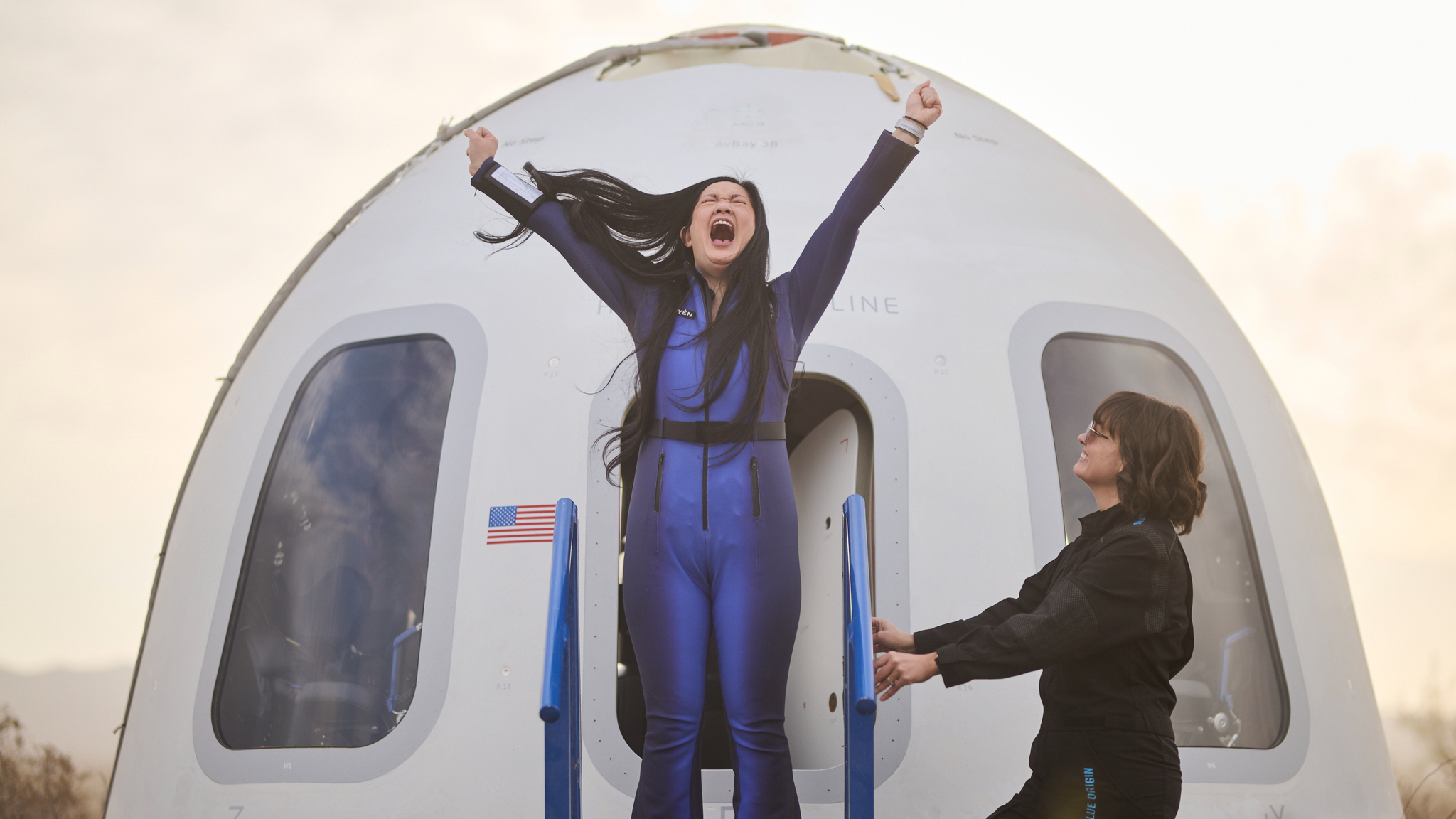
The flight itself followed the standard New Shepard profile, reaching an altitude of approximately 107 kilometers (351,000 feet). This exceeded the internationally recognized boundary of space, the Kármán line. The mission lasted roughly 11 minutes from liftoff to touchdown, yet the cultural impact of seeing six women exit the capsule in the West Texas desert resonated across global media markets.
Technical Flight Facts: The New Shepard Experience
The New Shepard vehicle is a sophisticated, fully autonomous suborbital rocket system. To understand the experience of the all-female crew, one must examine the technical specifications of the flight. The vehicle consists of a pressurized crew capsule sitting atop a 60-foot tall rocket booster powered by a single BE-3 engine, which uses liquid hydrogen and liquid oxygen.
Flight Phases and Dynamics
The mission begins at Launch Site One in Van Horn, Texas. During the ascent, the crew experiences approximately 3 Gs of force as the rocket accelerates to speeds exceeding Mach 3 (over 2,200 mph). At an altitude of roughly 250,000 feet, the capsule separates from the booster.
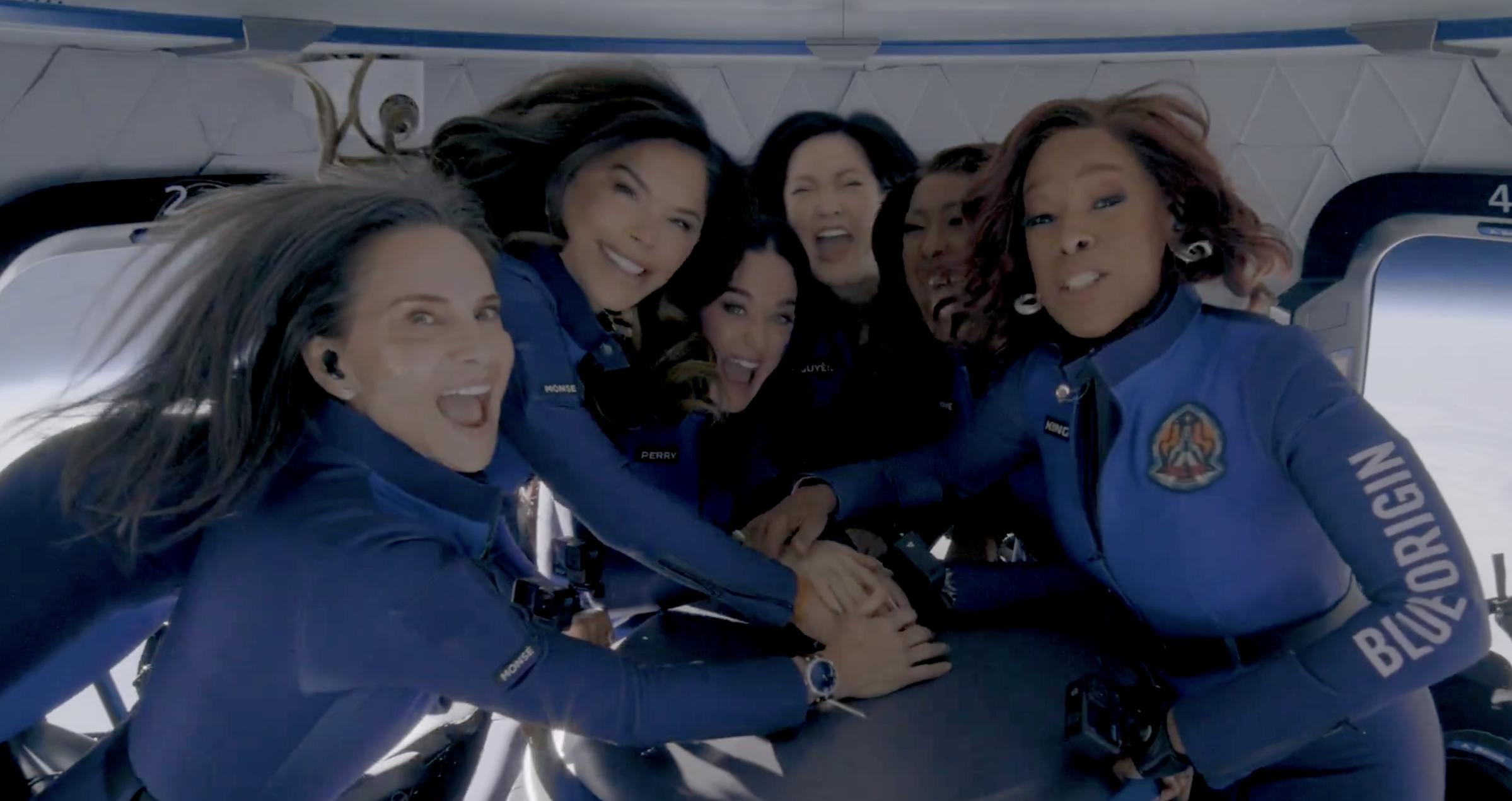
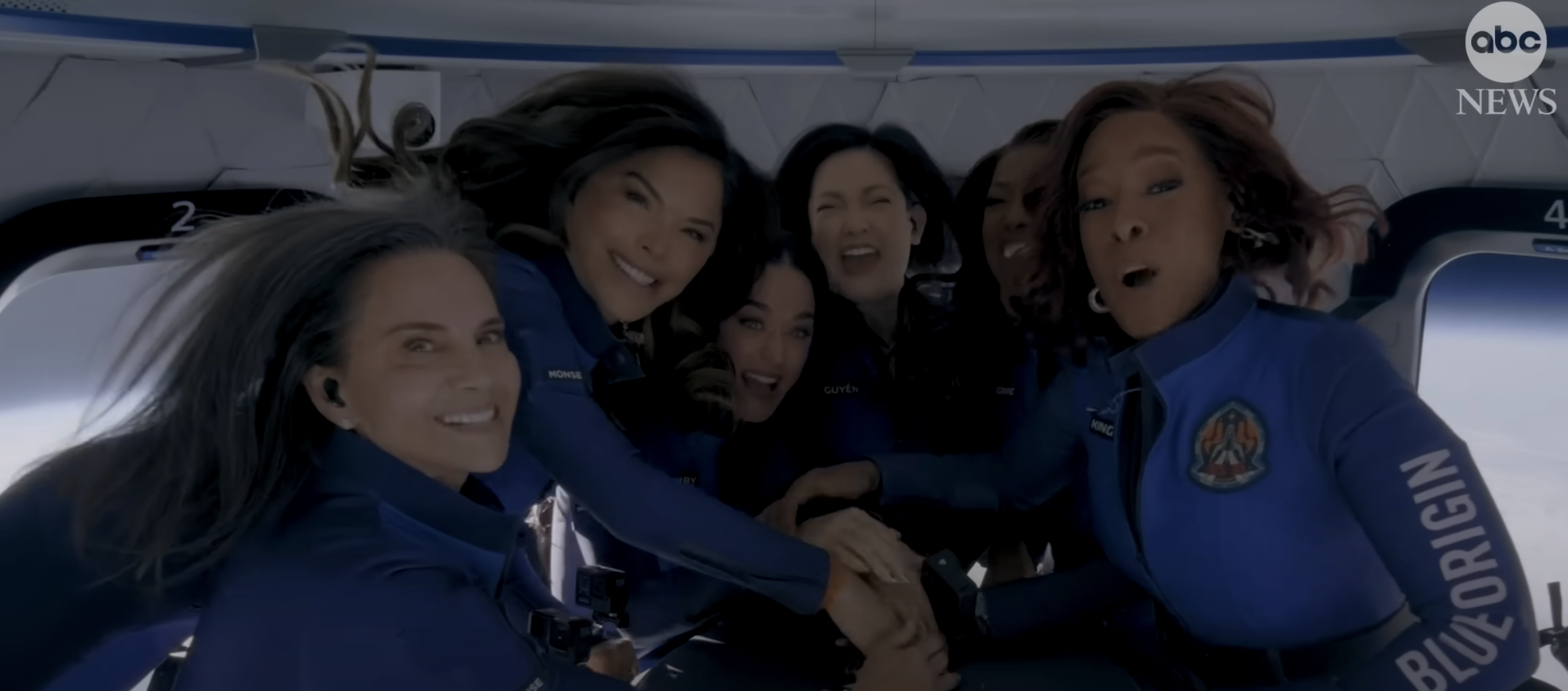
Once separated, the crew enters the weightless phase of the flight. For approximately four minutes, the passengers can unbuckle and float within the 530-cubic-foot cabin. The cabin features the largest windows in spaceflight history, measuring 2.4 feet wide and 3.6 feet tall, which provide an unobstructed view of the Earth against the blackness of space.
Comparison of Female Milestones in Blue Origin History
| Mission | Date | Notable Female Participant(s) | Significant Milestone |
|---|---|---|---|
| NS-16 | July 20, 2021 | Wally Funk | First female Blue Origin astronaut; Mercury 13 member. |
| NS-18 | Oct 13, 2021 | Audrey Powers | First Blue Origin executive to fly; focused on ops. |
| NS-19 | Dec 11, 2021 | Laura Shepard Churchley | Daughter of Alan Shepard; historic legacy flight. |
| NS-21 | June 4, 2022 | Katya Echazarreta | First Mexican-born woman in space. |
| NS-28 | Historical Ref | Lauren Sánchez & Crew | First all-female manifest in Blue Origin history. |
Training and Preparation for the All-Female Crew
While the New Shepard is fully autonomous, the crew undergoes intensive training to ensure safety and comfort. In the days leading up to the NS-28 mission, the all-female crew spent two full days at "Astronaut Village" at the Texas launch site.
The training curriculum includes:
- Cabin Procedures: Learning how to move in zero gravity without colliding with crewmates or the interior structure.
- Emergency Egress: Practicing rapid exit procedures from the capsule on the launch pad in the event of a scrub or emergency.
- G-force Conditioning: Understanding the breathing techniques required to manage the physical pressure of ascent and descent.
- Communication Protocols: Learning how to interface with Mission Control via the internal comms system.
A unique aspect of the all-female training cycle was the emphasis on collaborative documentation. The crew worked with Blue Origin’s media team to develop educational content intended for "Club for the Future," the company's non-profit foundation, which aims to inspire students to pursue careers in space.
The Impact and Legacy of the All-Female Flight
The primary goal of the all-female mission was to demonstrate that the space frontier is open to everyone, regardless of gender or background. In the years following the flight, the data suggests a measurable "Sánchez Effect"—a spike in female applicants for aerospace engineering programs and commercial astronaut training.
Furthermore, the mission highlighted the role of philanthropy in space. Many members of the crew used their platforms to raise funds for environmental and educational causes. The flight proved that suborbital missions could serve as more than just "joyrides"; they are powerful tools for advocacy.
From a technical standpoint, the success of the all-female mission validated Blue Origin’s operational readiness for higher-frequency launches. It showed that the New Shepard system could accommodate diverse crews with varying levels of physical preparation, further normalizing the idea of civilian space travel.
Common Myths and Misconceptions
As space tourism has grown in 2026, several misconceptions about the all-female Blue Origin crew have persisted. One common myth is that the crew "piloted" the craft. In reality, the New Shepard is entirely computer-controlled; there are no pilots on board. The crew are mission participants who are trained to handle the cabin environment rather than the flight dynamics.
Another misconception is that the flight was "easier" than orbital missions. While it is true that suborbital flights do not require the massive velocity needed to stay in orbit, the physical forces and the psychological impact of crossing the Kármán line are significant. The crew still had to undergo rigorous medical screening and physiological prep to ensure they could handle the 5G deceleration during atmospheric re-entry.
Who was the first woman to fly on a Blue Origin mission?
Wally Funk was the first woman to fly on Blue Origin, participating in the NS-16 mission on July 20, 2021. Her flight was a historic moment, as she had been waiting for the opportunity to go to space since her participation in the privately funded Mercury 13 program in the 1960s.
How long does a typical Blue Origin flight last?
The entire flight duration from liftoff to the capsule's touchdown under parachutes is approximately 10 to 12 minutes. The period of weightlessness, where the all-female crew was able to unbuckle and float, lasted about four minutes at the apogee of the flight.
What is the height and speed reached by the New Shepard?
The New Shepard typically reaches an altitude of approximately 351,000 feet (107 kilometers). During the ascent, the rocket reaches speeds of roughly 2,235 mph (3,597 km/h), which is more than three times the speed of sound.
Did the all-female crew perform any scientific experiments?
Yes, Blue Origin missions often carry "payloads" or small-scale experiments. The all-female crew's mission included several biological and physical science experiments provided by universities, focusing on how microgravity affects fluid dynamics and plant growth, alongside their primary mission of educational outreach.
Can anyone apply for an all-female Blue Origin mission?
While the NS-28 mission was a specifically curated event, Blue Origin does allow anyone to purchase a seat on future missions, provided they meet the physical requirements (such as height, weight, and the ability to climb the launch tower). The company continues to encourage diverse groups to fly together to promote the democratization of space.
Future Outlook: Beyond Suborbital Flight
With the success of missions like the all-female NS-28, Blue Origin is now looking toward the New Glenn orbital rocket. As we move through 2026, the focus has shifted from "firsts" in suborbital space to sustained presence in Earth's orbit. The women who flew on New Shepard have laid the groundwork for future female commanders of orbital stations and lunar landers.
For those interested in following the trajectory of these pioneers, the best next step is to engage with the Club for the Future initiative. This platform provides real-time updates on future manifests and educational resources that bridge the gap between today’s students and tomorrow’s astronauts. As space travel becomes a weekly occurrence, the stories of the first women to claim their place among the stars will remain the foundation of this new era.