As of 2026, Gordon Ramsay’s Hell’s Kitchen restaurant brand has expanded to nearly a dozen premier locations globally, primarily across major United States metropolitan hubs and international luxury destinations like Dubai. Key operational spots include the flagship Las Vegas venue, Lake Tahoe, Southern California, Atlantic City, Washington D.C., Miami, Chicago, and Mashantucket.
The Evolution of the Hell’s Kitchen Dining Experience
The Hell’s Kitchen restaurant concept is a masterclass in "eat-ertainment," bridging the gap between high-end culinary standards and the high-octane drama of the long-running television series. What began as a single ambitious project at Caesars Palace in Las Vegas has transformed into a global franchise that maintains rigorous consistency while adapting to local markets.
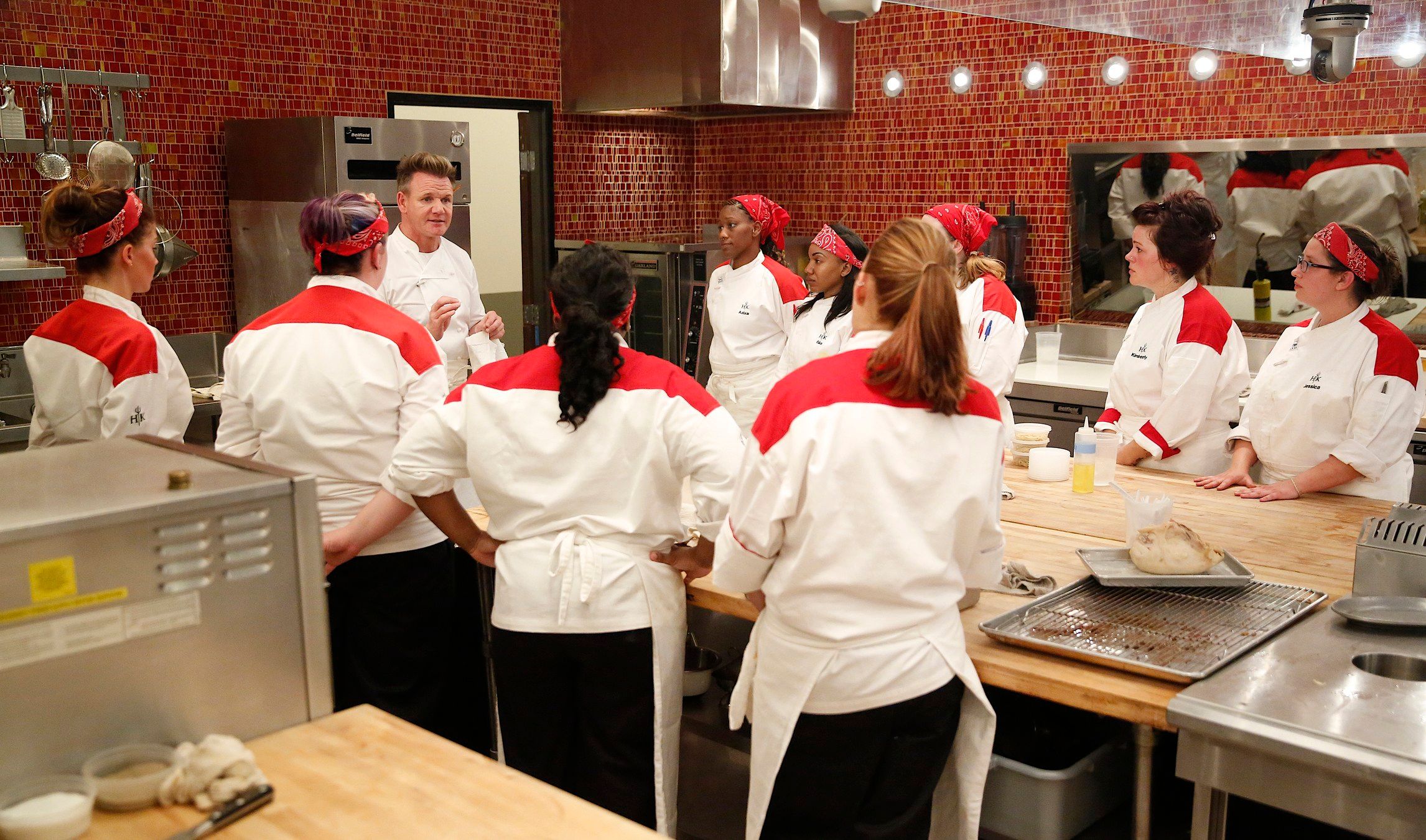
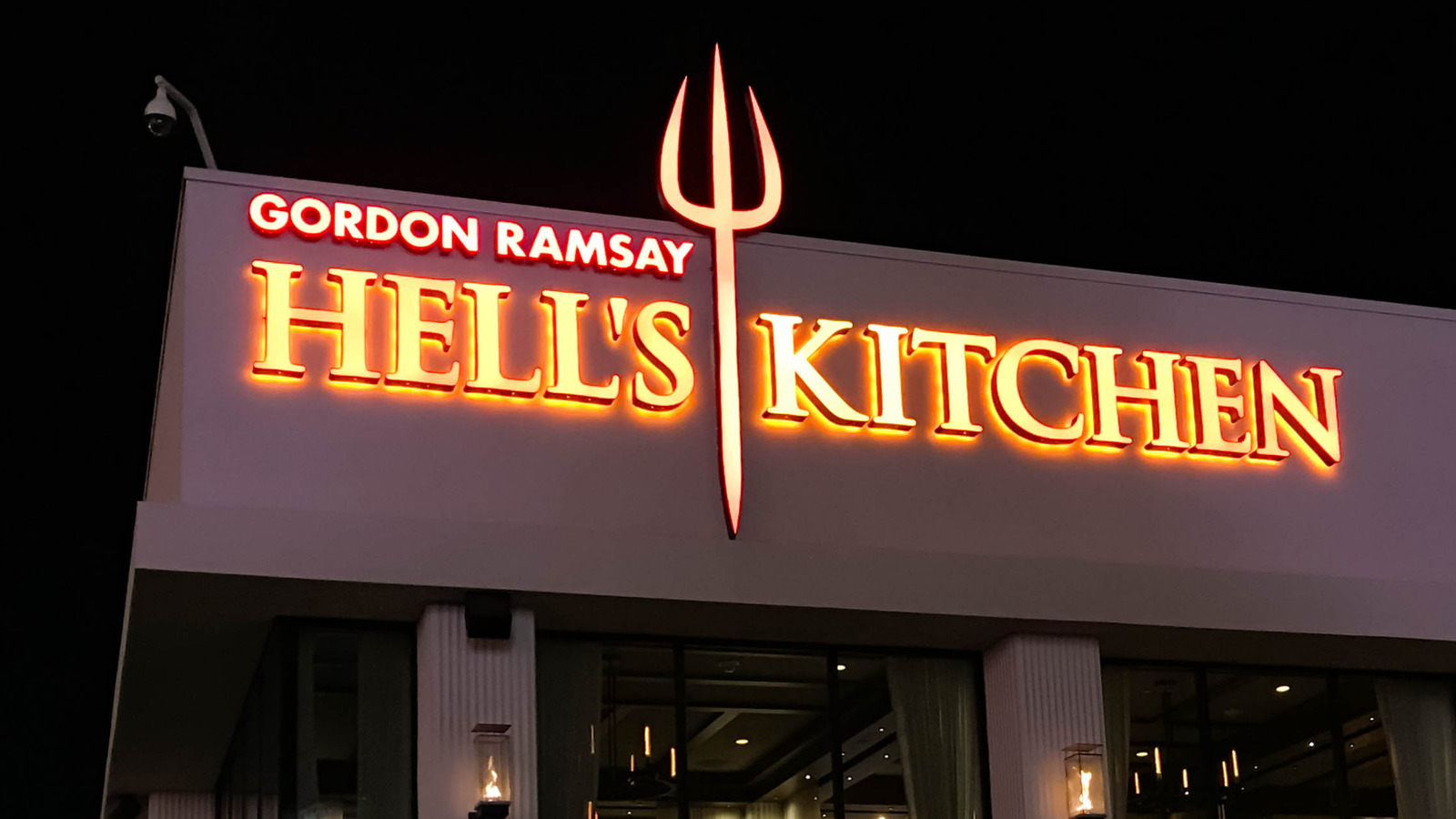
By 2026, the brand has solidified its reputation for delivering the "hits"—the specific dishes made famous by the show—within a choreographed environment. The hallmark of every location is the open kitchen, bifurcated into red and blue teams, allowing diners to witness the intensity of the line. While the chefs are professionals rather than contestants, the aesthetic of the "HK" pitchfork, the floor-to-ceiling windows, and the iconic uniforms remain standard.
Choosing the "best" spot depends largely on your desired atmosphere. The original Las Vegas location offers the highest energy and proximity to the brand's roots, whereas the Washington D.C. or Miami locations provide sophisticated waterfront views and a more contemporary architectural approach.
Detailed Guide to North American Locations
North America remains the primary territory for Hell’s Kitchen, with restaurants strategically placed in regions known for tourism, gaming, and high-density dining culture.
Las Vegas, Nevada (The Flagship)
Located directly in front of Caesars Palace on the Las Vegas Strip, this remains the most famous and highest-volume location. In 2026, it continues to serve as the blueprint for the brand. It is designed to accommodate over 300 guests and often requires reservations months in advance. The Las Vegas spot is unique because it feels most like the television set, featuring a massive bar area and a curated gift shop.
Washington D.C. (The Wharf)
This was the first location to truly depart from the casino-centric model. Situated at The Wharf, the restaurant spans two stories with stunning views of the Potomac River. It offers a more refined, "night out" vibe compared to the frantic energy of Vegas. The D.C. location is particularly popular for business dinners and locals looking for a premium waterfront experience.
Miami, Florida (Met Square)
Opening to massive acclaim, the Miami location in the downtown Met Square area is one of the largest in the fleet. It captures the city's vibrant energy with a two-story design and a sophisticated outdoor terrace. The menu here occasionally features slight regional nods to Florida’s seafood, though the core "HK" staples remain the priority.
Chicago, Illinois (River North)
Situated in the heart of Chicago’s premier dining district, the River North location occupies a historic building with a sleek, vertical layout. It caters to a mix of midwestern foodies and international tourists. The Chicago outpost is often cited for its exceptional bar program and its ability to handle the city’s intense lunch and dinner rushes with clinical precision.
The Resort & Casino Locations (Atlantic City, Lake Tahoe, SoCal, Foxwoods)
The brand has a deep partnership with Caesars Entertainment, leading to several high-performing resort locations:
- Atlantic City: Located in Caesars Atlantic City, this spot brings a touch of Vegas glamour to the East Coast boardwalk.
- Lake Tahoe: Found at Harvey’s Lake Tahoe, this location offers a more rustic-luxe aesthetic, perfect for those visiting the mountains.
- Southern California: Located at Harrah’s Resort SoCal in Funner, CA, it serves the San Diego and Inland Empire markets.
- Foxwoods (Mashantucket, CT): This massive location serves the New England corridor, situated within one of the largest casino complexes in the world.
International Presence: Dubai and Beyond
The expansion into the Middle East marked a significant milestone for the brand. Hell’s Kitchen Dubai, located at Caesars Palace Bluewaters Island, brought the brand to a global crossroads. The Dubai location is known for its extreme luxury, featuring a refined interior that leans more toward "fine dining" than the high-turnover casual-upscale vibe of the American branches.
By 2026, the Dubai location has become a staple for international travelers. It maintains the signature Red and Blue kitchen motif but incorporates more diverse, international ingredients into the secondary menu items to cater to a global palate.
Comparing the Top Hell’s Kitchen Locations
When deciding which location to visit, it helps to compare their unique selling points and environments.
| Location | Setting Type | Unique Feature | Best For |
|---|---|---|---|
| Las Vegas | Strip / Casino Frontage | The original "TV Show" feel | First-timers & Tourists |
| Washington D.C. | Waterfront / Urban | Two-story Potomac River views | Romantic Dinners / Business |
| Miami | Downtown / Met Square | Massive floor plan & Terrace | Groups & Socializing |
| Chicago | City / River North | Historic architecture integration | Urban Foodies |
| Lake Tahoe | Alpine Resort | Stunning mountain surroundings | Vacationers |
| Dubai | Private Island / Resort | Ultra-luxury service standards | International Travelers |
Signature Menu Items and What to Expect
Regardless of the location, the Hell’s Kitchen brand is built on a specific "greatest hits" menu. Consistency is the primary goal; a Beef Wellington in Chicago should taste identical to one in Dubai.
- Beef Wellington: The undisputed star of the show. Wrapped in puff pastry with a mushroom duxelles and served with potato purée and red wine demi-glace.
- Pan-Seared Scallops: Usually served with a pea purée and bacon or a seasonal accompaniment. These are the test of any HK chef’s skill.
- Lobster Risotto: Known for its rich, buttery texture and perfectly poached lobster tail.
- Sticky Toffee Pudding: A Gordon Ramsay classic that has become the mandatory dessert for almost every guest.
In 2026, many locations have also introduced expanded vegetarian and vegan menus (such as the Tofu Scallops and Beetroot Wellington) to ensure the brand remains inclusive of modern dietary trends without sacrificing the "Hell's Kitchen" identity.
Booking Strategies and Reservation Tips
Securing a table at any Hell’s Kitchen location remains a challenge due to the brand's enduring popularity. To find the best spots fast and ensure a seat, follow these guidelines:
- Use the Official App or OpenTable: Most locations release tables 30 to 60 days in advance. In high-demand cities like Vegas or Miami, setting an alert for cancellations is often the only way to get a prime-time Friday or Saturday slot.
- Consider "Off-Peak" Dining: Lunch service at Hell’s Kitchen offers nearly the same menu as dinner but at a slightly lower price point and with significantly better availability.
- Bar Seating: If you are traveling solo or as a duo, many locations offer full-menu service at the bar on a first-come, first-served basis. This is the fastest way to "skip the line" if you didn't book weeks in advance.
- Group Bookings: For parties larger than six, you must typically contact the restaurant's event coordinator directly. These tables are limited and often require a prix-fixe menu commitment.
Why Prices Vary Across Locations
While the menu is largely standardized, pricing in 2026 reflects local economic conditions. A Beef Wellington in Las Vegas or Dubai will likely carry a premium "destination tax" compared to the SoCal or Atlantic City locations. Expect to spend between $80 and $150 per person for a full three-course experience, excluding alcohol and gratuity.
FAQ
Where is the original Hell’s Kitchen restaurant located?
The flagship Gordon Ramsay Hell’s Kitchen is located at Caesars Palace in Las Vegas, Nevada. It opened in 2018 and remains the most iconic location, designed to replicate the energy and aesthetic of the television studio where the show is filmed.
Do I need a reservation for Hell's Kitchen?
While walk-ins are occasionally accepted for bar seating or during mid-afternoon lulls, reservations are strongly recommended for all locations. In cities like Las Vegas, Chicago, and Miami, prime dinner slots are often booked out weeks or even months in advance through platforms like OpenTable.
Is Gordon Ramsay actually at the restaurants?
Gordon Ramsay oversees the brand, menu development, and executive chef selection, but he is rarely physically present at a specific location for day-to-day service. He typically visits for grand openings, special filming events, or periodic quality control checks. The kitchens are run by highly trained Executive Chefs who have often worked within the Ramsay group for years.
Is there a dress code for Hell’s Kitchen?
Most locations maintain a "smart casual" dress code. While you will see tourists in more casual attire during lunch hours, swimwear, gym clothes, and overly distressed clothing are generally discouraged. For dinner, most guests opt for business casual or cocktail attire to match the upscale environment.
Are the menus the same at every location?
The "Core Menu"—which includes the Beef Wellington, Scallops, and Sticky Toffee Pudding—is identical across all global locations to ensure brand consistency. However, each location may offer seasonal specials or "Chef’s Features" that utilize local ingredients or cater to regional preferences.
How to Choose Your Next Destination
If you are looking for the most authentic "TV show" experience, the Las Vegas flagship is the clear winner. However, if you want a more modern, scenic dining experience with the same high-quality food, the Washington D.C. (Wharf) or Miami locations offer a superior atmosphere for special occasions. For those in the Northeast, the Foxwoods or Atlantic City spots provide the perfect high-end supplement to a weekend getaway. Whichever you choose, booking early remains the most critical step in your planning process.