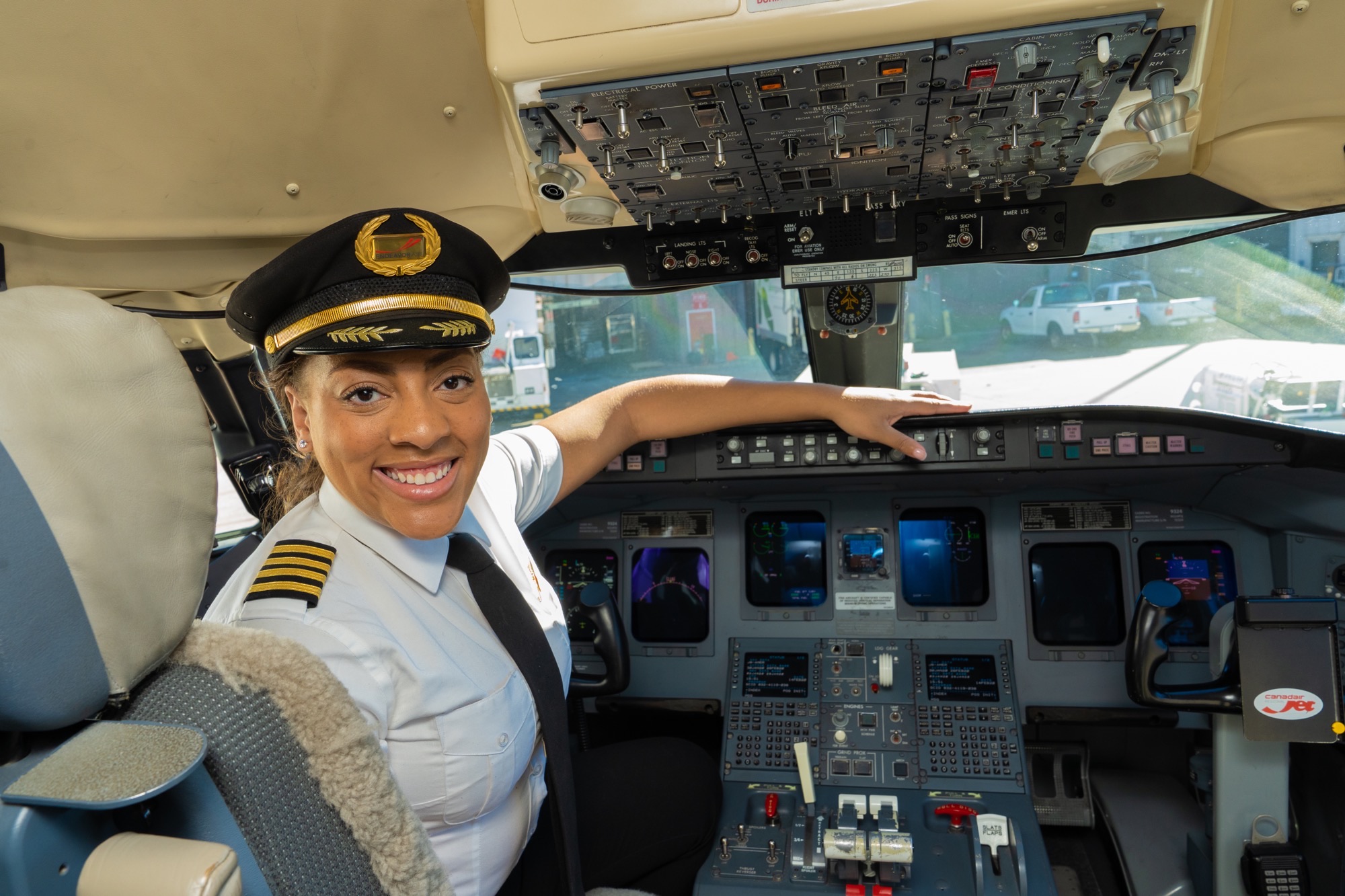
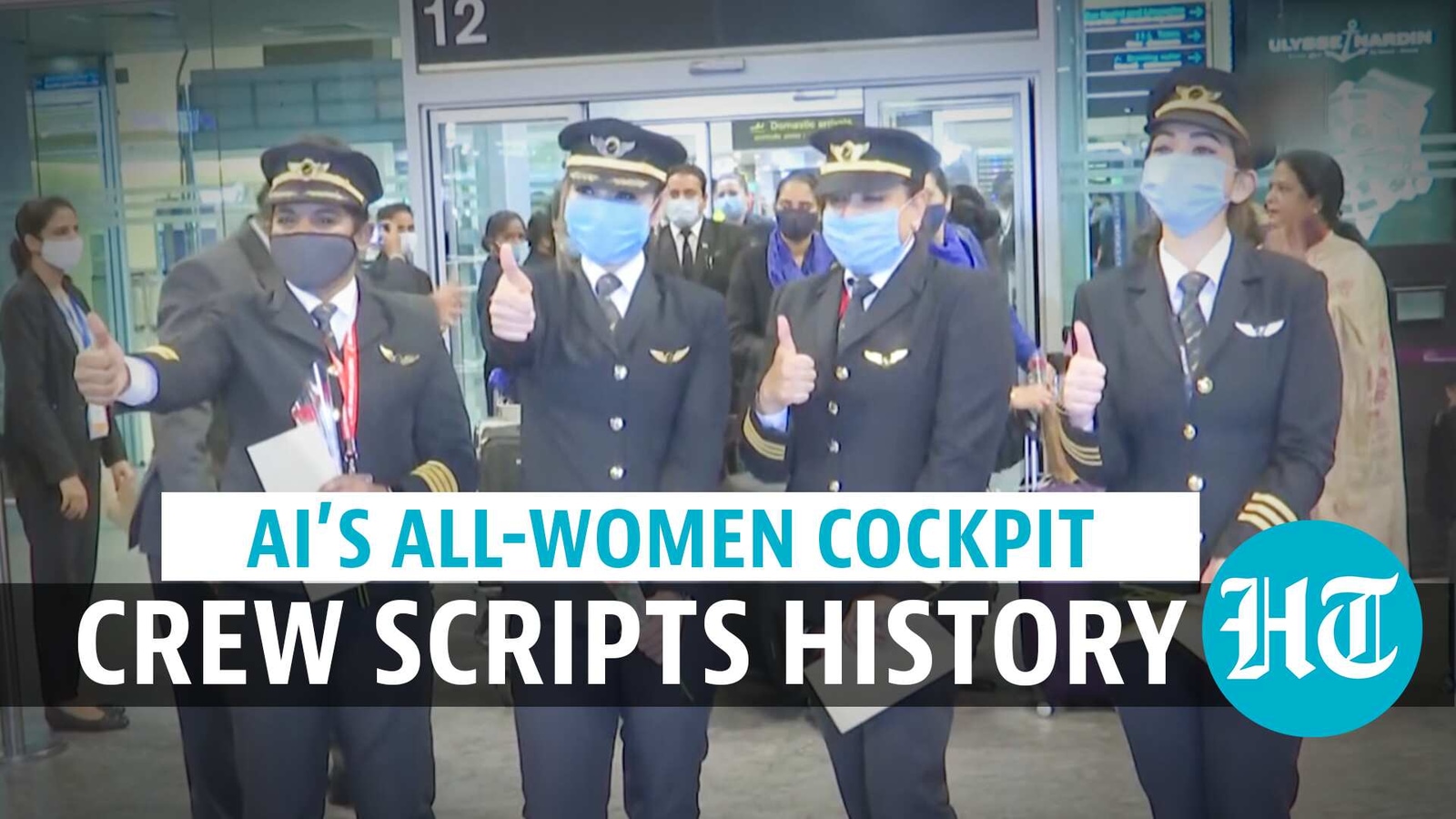
In a defining moment for Polish aviation, an all-female Enter Air crew recently demonstrated the pinnacle of flight deck proficiency, successfully navigating a high-stakes operational schedule that captivated the industry. This milestone highlights the technical expertise of female aviators and Enter Air’s robust training standards, marking a significant shift in European charter aviation demographics by 2026.
The Significance of the All-Female Flight at Enter Air
The "all-female crew" narrative is more than a human-interest story; it is a testament to the rigorous evolution of Crew Resource Management (CRM) and diversity within Enter Air, Poland’s largest private airline. While female pilots have been part of the global aviation landscape for decades, the occurrence of an entirely female-led operation—including both the flight deck (Captain and First Officer) and the cabin crew—remains a powerful symbol of progress in a historically male-dominated field.
Enter Air has positioned itself as a leader in this transition. By 2026, the airline has significantly increased its recruitment of female cadets through targeted outreach and merit-based progression. The "thrilling" aspect of this specific story often refers to the seamless execution of complex flight paths during the peak holiday season, where the crew managed high-density airspace and challenging weather conditions with a level of precision that exemplifies modern flight safety standards.
The impact of such events extends beyond the cockpit. For passengers, seeing a diverse crew reinforces confidence in the airline’s modern approach to staffing and safety. For the industry, it serves as a case study in how inclusive hiring practices do not merely fill quotas but actually strengthen operational resilience by drawing from the widest possible talent pool.
Technical Challenges and the "Thrilling" Aspect of the Operation
Aviation is rarely "thrilling" in the sense of danger—safety is the industry's highest priority—but the thrill in the Enter Air story stems from the masterful handling of the Boeing 737-800 and 737 MAX 8 aircraft. These aircraft, which form the backbone of the Enter Air fleet, require deep technical knowledge to operate efficiently, especially when flying into category B and C airports that demand specialized pilot qualifications.
Navigating Complex Environments
The specific flight that garnered international attention involved navigating a series of high-pressure approaches. Operating a charter flight often means flying into secondary airports with shorter runways or more complex terrain compared to major hubs. The crew’s ability to manage these variables while maintaining strict adherence to European Union Aviation Safety Agency (EASA) regulations is what makes the story technically significant.
Modern flight decks on the Boeing 737 MAX 8 utilize advanced avionics, including the Maneuvering Characteristics Augmentation System (MCAS) and sophisticated Flight Management Computers (FMC). The all-female crew demonstrated an expert grasp of these systems, ensuring that even during periods of heavy turbulence or air traffic control delays, the flight remained well within safety envelopes.
Precision Landing and Weather Mitigation
The "thrilling" landing mentioned in many reports often highlights a crosswind landing or an approach performed under Low Visibility Procedures (LVP). In these scenarios, the Captain and First Officer must work in perfect synchronicity. The Captain holds the ultimate responsibility for the aircraft, while the First Officer monitors systems and handles communications. This division of labor, honed through hundreds of hours in flight simulators, was executed flawlessly, showcasing the high standard of Enter Air’s internal training programs.
Enter Air’s Commitment to Diversity and Training Standards
Enter Air’s success in fostering an environment where all-female crews can thrive is rooted in its standardized training and evaluation processes. The airline operates under a "merit-only" philosophy, ensuring that every pilot, regardless of gender, meets the same grueling standards required for type rating and command upgrades.
The Path to the Captain’s Seat
For the women leading these flights, the journey to the left-hand seat (the Captain's seat) involves years of dedication. Typically, a pilot must accumulate several thousand flight hours, pass recurrent proficiency checks every six months, and demonstrate exceptional leadership qualities. Enter Air provides a structured path for First Officers to transition to Captains, focusing on:
- Technical Proficiency: Mastering the aircraft systems and emergency procedures.
- Decision Making: Evaluating weather, fuel, and passenger needs under pressure.
- Communication: Leading the cabin crew and coordinating with ground handling and ATC.
By 2026, Enter Air has integrated advanced VR (Virtual Reality) training modules that allow crews to practice rare emergency scenarios in a safe environment. This investment in technology ensures that when a crew faces real-world challenges, their response is instinctive and precise.
Operational Breakdown of a Standard Enter Air Flight
To understand the complexity of the "thrilling" story, it is helpful to look at the typical operational requirements for an Enter Air crew. The following table outlines the responsibilities and technical focuses during a standard short-to-medium haul flight.
| Flight Phase | Primary Responsibility | Key Technical Focus |
|---|---|---|
| Pre-Flight | Captain & First Officer | Fuel planning, weather briefing, and NOTAM review. |
| Take-off | Pilot Flying (PF) | V-speed calculation and thrust management. |
| Cruise | Pilot Monitoring (PM) | Fuel cross-checks and ATC communication. |
| Descent | Captain | STAR (Standard Terminal Arrival Route) adherence. |
| Landing | Pilot Flying (PF) | Glide slope interception and flare execution. |
| Post-Flight | Entire Crew | Aircraft logbook entries and cabin de-brief. |
This structured approach ensures that no single point of failure exists. Whether the crew is all-female, all-male, or mixed, the procedures remain identical, which is the hallmark of a high-quality aviation operation.
The Global Context: Female Pilots in 2026
As of 2026, the percentage of female pilots globally has seen a steady increase, though it remains below 10% on average. The Enter Air story is a beacon for the European sector, where the demand for pilots continues to outstrip supply. By showcasing successful all-female crews, airlines like Enter Air are actively combating the pilot shortage by encouraging a more diverse range of applicants.
The aviation industry has recognized that diversity is not just about social equity; it is an operational advantage. Studies in cockpit ergonomics and psychological resilience suggest that diverse teams often bring different perspectives to problem-solving, which can enhance safety during unconventional flight scenarios. Enter Air’s proactive stance in highlighting these stories helps normalize the presence of women in the cockpit, making it a standard occurrence rather than a "thrilling" exception.
How to Pursue a Career with Enter Air or Similar Carriers
For those inspired by the story of the all-female crew, the path to the cockpit is well-defined but demanding. Entering the aviation industry as a pilot requires a combination of financial investment, academic discipline, and physical fitness.
Educational and Licensing Requirements
Most aspiring pilots in Europe follow the EASA path. This involves obtaining a Private Pilot License (PPL), followed by a Commercial Pilot License (CPL) and an Instrument Rating (IR). Finally, pilots must complete a Multi-Crew Cooperation (MCC) course before they are eligible to apply for a "Type Rating" on an aircraft like the Boeing 737.
- Medical Certification: Pilots must hold a Class 1 Medical Certificate, ensuring they meet strict health standards.
- Aptitude Testing: Airlines often use psychometric and motor-skills testing to identify candidates with the right temperament for flying.
- Language Proficiency: ICAO English Level 4 or higher is mandatory for international operations.
Enter Air Recruitment
Enter Air frequently looks for pilots who not only have the technical skills but also fit the company’s "charter mindset"—the ability to be flexible and passenger-focused. The airline’s growth has created numerous opportunities for cadet pilots and experienced first officers. Candidates are encouraged to monitor the official Enter Air careers portal and maintain an up-to-date logbook.
Enhancing Safety Through Representation
The "thrilling Enter Air story" concludes with a simple fact: the aircraft landed safely, the passengers arrived on time, and the crew performed their duties with total professionalism. This is the ultimate goal of any flight. However, the symbolic value of this event cannot be overstated. It proves that the barriers to entry in aviation are falling and that the "right stuff" for a pilot has nothing to do with gender and everything to do with training, discipline, and skill.
By 2026, the narrative of the all-female crew is becoming the new normal. Enter Air’s commitment to excellence ensures that every story—whether it involves a routine landing or a "thrilling" navigation through a storm—ends with a safe arrival and a high-five in the cockpit.
Frequently Asked Questions
Was the Enter Air all-female flight an emergency situation?
No, the flight was a scheduled operation. The term "thrilling" typically refers to the impressive nature of the milestone and the crew’s expert handling of standard but complex operational challenges, such as weather or busy air traffic, rather than a mechanical emergency.
How common are all-female crews in 2026?
While still in the minority compared to mixed crews, all-female flight crews have become significantly more common by 2026. Major airlines, including Enter Air, have seen an uptick in female cockpit applicants, leading to more frequent instances where both the Captain and First Officer are women.
What aircraft did the all-female Enter Air crew fly?
Enter Air primarily operates the Boeing 737-800 and the newer Boeing 737 MAX 8. These aircraft are known for their reliability and advanced technology, requiring specialized type ratings that all Enter Air pilots must obtain through rigorous training.
Does Enter Air have a specific program for female pilots?
While Enter Air maintains a merit-based hiring policy, they are active participants in industry-wide initiatives to promote aviation to women. They focus on providing a supportive environment for all employees, ensuring equal opportunities for command upgrades and career advancement.
Is Enter Air a safe airline to fly with?
Yes, Enter Air is a highly regarded charter airline that operates under strict EASA (European Union Aviation Safety Agency) regulations. Their safety record is a result of high maintenance standards and the intensive training of their flight and cabin crews.
Next Actions for Aspiring Aviators
If you are interested in following the path of the Enter Air crew, start by researching EASA-approved Flight Training Organizations (FTOs). Attending "Discovery Flights" at local airfields can provide a firsthand look at the pilot’s life. Additionally, staying informed about airline recruitment trends and technological advancements in the Boeing 737 fleet will give you a competitive edge. For the general public, supporting airlines that prioritize diversity and safety ensures that the industry continues to evolve for the better.