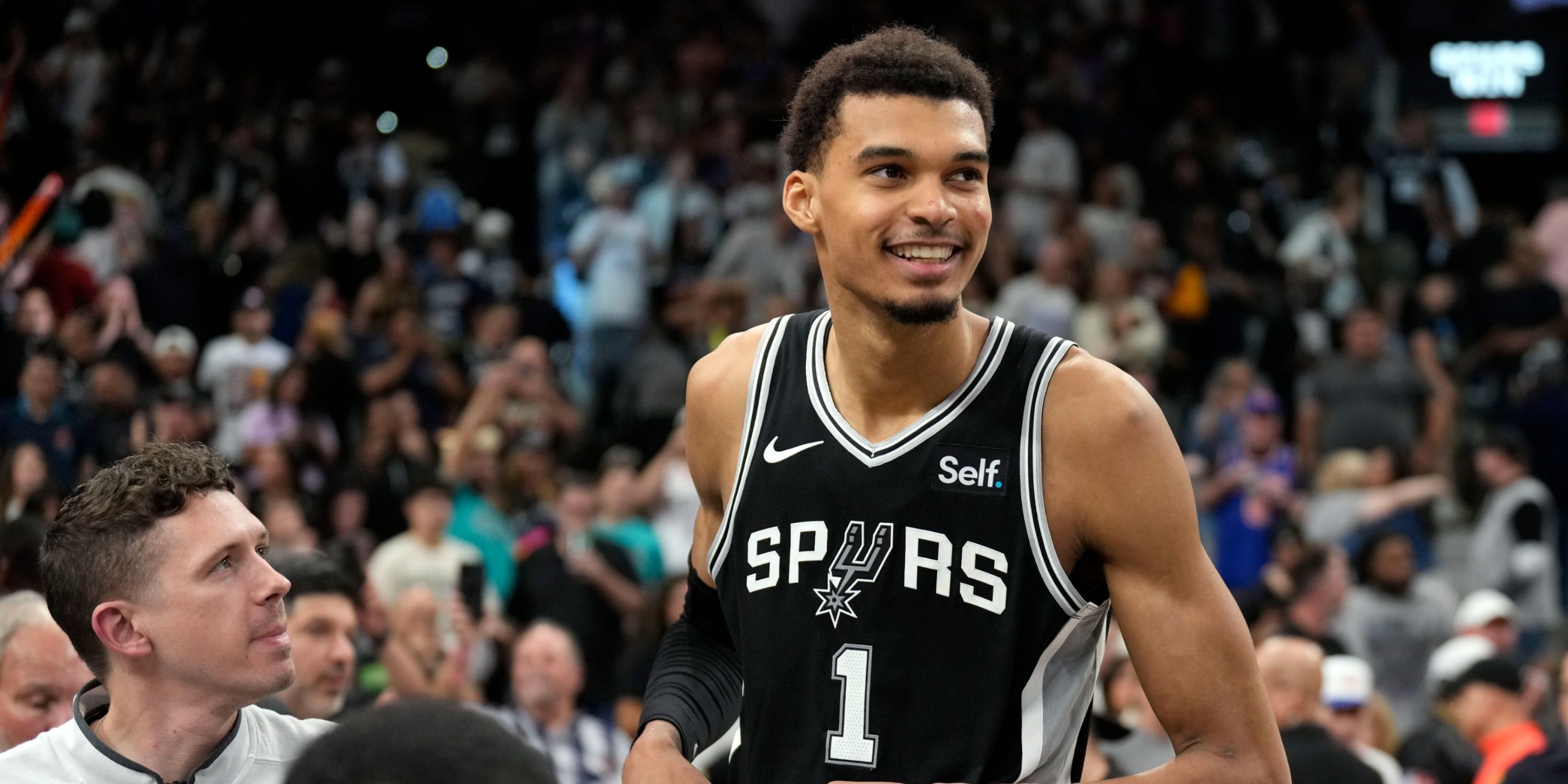
The all-defensive team recognizes elite individual defenders across sports leagues like the NBA, NFL, and NHL, honoring players who demonstrate exceptional stopping power, tactical positioning, and disruptive play that shapes the outcome of competitive games.
Evaluating defensive excellence requires looking past traditional box scores to examine advanced metrics, positional versatility, and team defensive rating impact. In professional sports, defensive recognition validates a player's ability to shut down primary opponents, protect vital zones, and anchor a cohesive unit under pressure. Understanding how these honors are determined provides essential context for evaluating player legacies, contract valuations, and historical greatness.
Origins and Evolution of Defensive Recognition
Defensive recognition programs emerged as sports analytics and media coverage matured, acknowledging that traditional offensive statistics failed to capture a player's full contribution to winning. In basketball, the National Basketball Association introduced its All-Defensive Team selections in the 1969-70 season, giving official voice to the value of lockdown perimeter defenders and dominant rim protectors. Similar honors developed across other major leagues to balance the heavy media focus historically placed on high-scoring or high-offense performances.
Over the decades, the criteria and voting bodies for these honors have evolved significantly. Early voting relied heavily on subjective impressions, traditional counting stats like steals and blocks, and team reputation. As sports science and advanced tracking data advanced into the twenty-first century, selection panels began incorporating granular metrics such as defensive rating, contested shots, defensive rebound percentages, and opponent shooting percentages when guarded. This shift reduced the influence of reputation-based voting, ensuring that modern selections better reflect contemporary analytical insights.
Core Selection Criteria and Voting Mechanics
Securing a spot on a premier all-defensive team requires a combination of individual disruption, positional discipline, and durability. Voters typically include media members, coaches, or specialized panels who evaluate candidates throughout the regular season. While rules vary by league, certain universal benchmarks dictate whether a player enters serious consideration for these honors.
Positional requirements often shape the voting landscape. In basketball, teams are structured by traditional positions or frontcourt/backcourt designations, requiring voters to balance guards, wings, and centers fairly. In football, specific slots are allocated for defensive linemen, linebackers, and cornerbacks or safeties. Beyond structural alignment, voters evaluate several distinct performance pillars:
- Individual Containment: The ability to limit primary opposing scorers and win isolation matchups without relying on excessive help defense.
- Spatial Awareness and Help Defense: Rotational timing, pick-and-roll navigation, and the capacity to stunt or recover effectively within a team scheme.
- Turnover Generation: Disrupting passing lanes, deflecting passes, timing shot blocks, and forcing unforced errors from opponents.
- Foul Discipline: Maintaining aggressive defensive pressure while minimizing fouls or penalties that give opponents easy scoring opportunities.
- Regular Season Durability: Meeting minimum games-played thresholds established by league governance to prevent awarding players who miss significant portions of the schedule.
| Sport / League | Typical Selection Units | Primary Analytical Metrics Used | Voting Body Structure |
|---|---|---|---|
| NBA | First and Second Teams (Guards, Forwards, Center) | Defensive Box Plus-Minus, Deflections, Contested Shots, On-Off Ratings | Selected media panel and league data |
| NFL | All-Pro First and Second Teams (Edge, Interior, LB, CB, Safety) | Pressure Rate, Run Stop Percentage, Coverage Rating, Interceptions | Associated Press sportswriters and broadcasters |
| NHL | Post-Season All-Star / Defensive Honors | Corsi/Fenwick Against, Blocked Shots, Zone Entry Denial | Professional Hockey Writers Association |
Advanced Metrics and Modern Evaluation Tools
The transition from purely anecdotal scouting to data-driven evaluation has transformed how voters select all-defensive team members. While eye tests and game tape remain vital for assessing communication, leadership, and hustle, advanced statistics provide an objective baseline to compare players across different conferences and schemes.
In basketball, metrics like Defensive Estimated Plus-Minus (DEPM) and Defensive Win Shares help quantify a player's defensive value relative to an average league participant. For football, tracking data measures pass-rush win rates and separation allowed in coverage down to the fraction of a second. These tools help differentiate between a defender who accumulates statistics simply by gambling on plays versus a disciplined player who shuts down an entire side of the field through positional dominance. However, analysts caution that defensive metrics can still be noisy or influenced by the quality of a player's supporting cast, making contextual film study indispensable.
Impact on Player Contracts and Legacy
Earning all-defensive team honors carries significant financial and historical weight for professional athletes. In many modern collective bargaining agreements, selection to a premier defensive team serves as a critical qualification for designated veteran extensions, supermax contracts, or performance-based salary escalators. These accolades directly translate to millions of dollars in guaranteed earnings, altering a player's career trajectory.
From a historical perspective, these selections serve as a primary separator for Hall of Fame consideration. For players who may not have led their leagues in scoring or offensive creation, accumulating multiple all-defensive nods cements their status as generational competitors. Names synonymous with elite defensive play—such as Michael Jordan, Hakeem Olajuwon, and Tim Duncan in basketball, or Lawrence Taylor and Deion Sanders in football—built much of their enduring mystique on their relentless commitment to stopping the opposition.
Common Misconceptions About Defensive Voting
Despite formal criteria, the voting process for all-defensive teams often faces scrutiny and debate from analysts and fans alike. One frequent misconception is that raw counting stats—such as total steals or sacks—are the definitive measure of defensive success. In reality, a player can lead a league in steals while being a defensive liability overall due to excessive gambling that breaks down team defensive integrity.
Another common pitfall is positional bias. Voters historically favor shot-blockers and ball-hawk defensive backs because their contributions appear on highlight reels, while elite perimeter defenders who successfully deny the ball to their assignment often go unnoticed. Furthermore, team success heavily influences voting outcomes; players on elite defensive units receive disproportionate attention, occasionally overshadowing exceptional defenders who labor on struggling rosters.
Frequently Asked Questions
How many players are selected for an All-Defensive Team?
In the NBA, the selection process results in two distinct teams—a First Team and a Second Team—consisting of five players each, totaling ten honored athletes per season. Other sports leagues maintain similar structures through their respective All-Pro or postseason defensive awards.
Do advanced statistics completely replace the eye test in voting?
No. While advanced metrics provide crucial objective data regarding points allowed and disruption rates, voters still rely heavily on game film to evaluate communication, defensive scheme execution, and leadership qualities that numbers fail to capture.
Are games-played minimums required to qualify for defensive honors?
Yes. Major sports leagues have instituted strict threshold requirements—such as appearing in a minimum number of regular-season games with prescribed minutes or snaps—to ensure that honored players maintained their excellence across the entirety of the campaign.
Can a player win Defensive Player of the Year without making the First Team?
Under current voting structures across major American professional leagues, this is exceedingly rare. Voters who select a player as the single best defender in the league almost invariably include them on their First Team ballots.
How do all-defensive selections affect player salaries?
Many professional sports contracts feature lucrative bonuses or eligibility criteria tied directly to major awards, including all-defensive team selections, allowing players to qualify for maximum salary extensions.
Strategic Evaluation and Next Actions for Sports Analysts
For analysts, scouts, and enthusiasts tracking elite defensive talent, evaluating a player requires synthesizing traditional observations with modern tracking data. When assessing upcoming candidates for all-defensive honors, prioritize examining multi-year defensive impact metrics, tracking how a player performs when matched against elite offensive counterparts, and observing their communication efficiency within team schemes. By focusing on holistic contribution rather than isolated statistics, observers can accurately project which competitors will earn recognition and sustain defensive dominance.