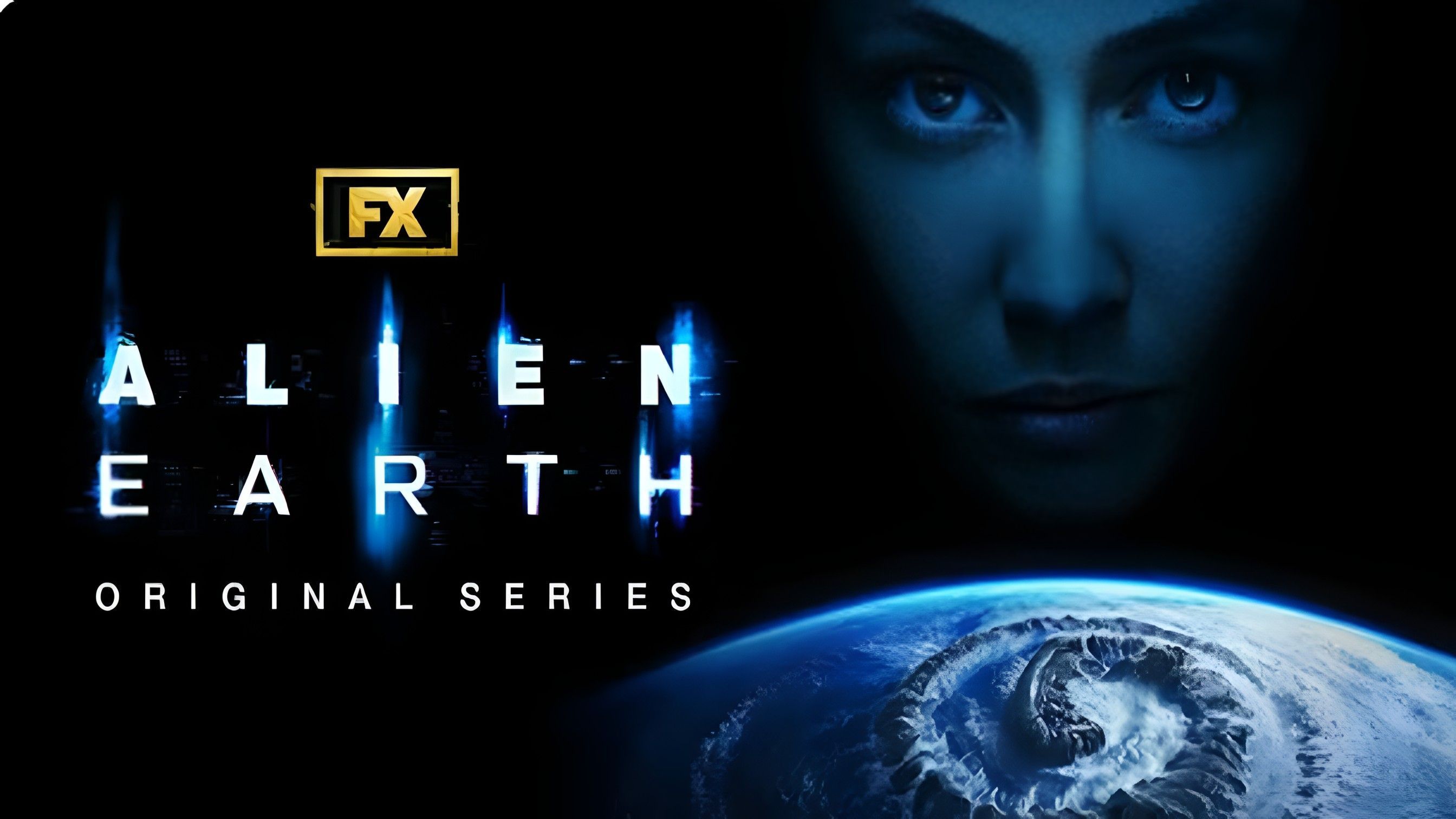
The official renewal status of Alien: Earth Season 2 remains unconfirmed by FX as production and broadcasting schedules unfold for the franchise's inaugural television installment. Showrunner Noah Hawley and network executives have mapped out long-term narrative arcs, but formal greenlighting depends on premiere viewership metrics, audience retention across multi-platform streaming, and logistical alignments among major studios including 20th Television and Scott Free Productions.
Understanding the Landscape of FX’s Alien: Earth
The expansion of cinematic universes into serialized television requires meticulous planning, substantial financial commitments, and precise narrative scaling. Alien: Earth represents a significant departure from traditional feature-film pacing, moving the iconic biomechanical terror into a terrestrial or near-Earth setting. Created by Noah Hawley—recognized for his work on FX's Fargo and Legion—the series aims to bridge atmospheric sci-fi horror with complex character-driven drama.
When evaluating the trajectory of a major multi-million-dollar property, network executives look beyond initial hype. They analyze completion rates, week-over-week viewership growth, and international licensing agreements. Because pre-production and physical shooting cycles for high-concept science fiction require extensive visual effects and practical creature creation, early planning for subsequent runs often occurs concurrently with post-production on the initial episodes. However, formal corporate announcements are typically withheld until audience reception can be accurately quantified.
Production Timelines and the Reality of Sci-Fi Television
Developing high-end science fiction television demands an extended production runway. The integration of practical creature effects, massive set designs, and computer-generated imagery (CGI) means that even if a second batch of episodes is quietly discussed in writers' rooms, the physical turnaround time between seasons spans multiple years.
Production logistics for major studio series involve complex scheduling coordination. Key creative personnel, directors, and principal cast members often commit to multi-year options, but securing their availability for a subsequent production block requires synchronized contract renewals. Furthermore, physical soundstages and specialized post-production houses book capacities years in advance. Consequently, any unannounced continuation must navigate a crowded industry landscape where post-production bottlenecks are common. Below is an overview of the typical operational phases a prestige sci-fi series undergoes from initial broadcast to potential renewal.
| Production Phase | Typical Duration | Primary Focus & Activities |
|---|---|---|
| Initial Broadcast | 2 to 3 Weeks | Weekly episode rollouts, premiere tracking, audience metric collection |
| Data Evaluation | 1 to 3 Months | Assessing streaming completion rates, critical response, and licensing revenue |
| Writer's Room | 4 to 8 Months | Plot outlining, script drafting, and macro-narrative structuring for subsequent arcs |
| Principal Photography | 6 to 9 Months | Physical shooting, location work, and practical creature implementation |
| Post-Production | 8 to 12 Months | VFX rendering, sound design, scoring, and final color grading |
What Noah Hawley and Creative Leads Have Disclosed
While official network greenlights are governed by corporate metrics, creative leadership often provides clarity regarding the overarching vision for a property. Noah Hawley has consistently discussed Alien: Earth as a multi-season proposition rather than a self-contained miniseries. His approach centers on exploring what happens when the perfect organism—a relentless apex predator—encounters humanity's corporate greed and technological hubris on a planetary scale.
Interviews and industry reporting indicate that the narrative framework was designed with room to expand. Rather than exhausting every mythology trope in the initial run, the creative team deliberately established foundational lore involving corporate rivalry, android ethics, and planetary colonization. This structured pacing ensures that if a renewal order is finalized, the writing staff can seamlessly transition into subsequent scripts without scrambling for improvised plot points.
Audience Reception and Network Metrics in 2026
In the modern television ecosystem, traditional Nielsen ratings represent only a fraction of a show's value. Streaming analytics on platforms like Hulu in the United States and Disney+ internationally dictate long-term viability. For a high-budget franchise entry like Alien: Earth, monetization relies heavily on subscriber acquisition, international distribution sales, and global brand synergy.
Network executives weigh the cost-per-hour of production against global engagement scores. Sci-fi series carry notoriously high overhead due to specialized creature workshops, intricate set constructions, and extensive digital compositing. For Season 2 to move from speculative discussion to verified production, the financial return must justify the capital expenditure. As the industry adapts to shifting monetization models, commissioners increasingly look for strong retention metrics—specifically, the percentage of viewers who finish the entire first run within a designated thirty-day window.
Anticipated Narrative Themes and Franchise Continuity
Should production on a subsequent chapter proceed, the thematic focus will likely deepen established tensions. The integration of Weyland-Yutani corporate elements with Earth-based socioeconomic struggles creates fertile ground for expanded storytelling.
- Corporate Hegemony: Examining the direct fallout of unchecked biotechnology research on civilian populations.
- Artificial Intelligence Evolution: Pushing the philosophical boundaries of synthetic humans interacting with both xenomorph biology and human desperation.
- Environmental Isolation: Utilizing terrestrial or near-space settings to evoke the claustrophobic dread characteristic of the franchise's cinematic origins.
These elements ensure that any continuation would maintain fidelity to the core tenets established by Ridley Scott and James Cameron, while retaining the distinct auteur-driven flavor characteristic of Noah Hawley's television portfolio.
Frequently Asked Questions
Has Alien: Earth Season 2 been officially confirmed?
No official renewal announcement has been made by FX. Network decisions typically depend on a comprehensive evaluation of premiere viewership, international streaming data, and overall budget allocation across their upcoming slate.
When could Alien: Earth Season 2 realistically premiere?
Even under an expedited production schedule, high-concept science fiction television requires extensive visual effects and physical set construction. A potential release would likely occur several years after the conclusion of the initial run.
Is Noah Hawley returning to run subsequent episodes?
Noah Hawley has served as the primary creative architect for the series, and any future installments would be developed under his direct supervision and narrative guidance, pending his overall studio commitments.
Will the main cast return for a second season?
Cast retention depends on initial contract terms and story requirements. Because serialized science fiction casts often sign multi-year holding agreements, key actors are generally positioned to return if the narrative demands it.
Where can I watch Alien: Earth?
The series broadcasts on FX and streams via Hulu in the United States, alongside international availability on Disney+ under the Star banner in select global markets.
Next Actions and Staying Informed
For viewers tracking the status of Alien: Earth Season 2, the most reliable approach is monitoring official press releases from FX Networks and verified statements from production entities such as 20th Television. Avoid relying on unverified social media rumors or speculative entertainment blogs that conflate fan theories with corporate greenlight announcements. Keeping track of major industry trade publications will provide the earliest accurate notices regarding casting updates, writer room developments, and formal renewal announcements.