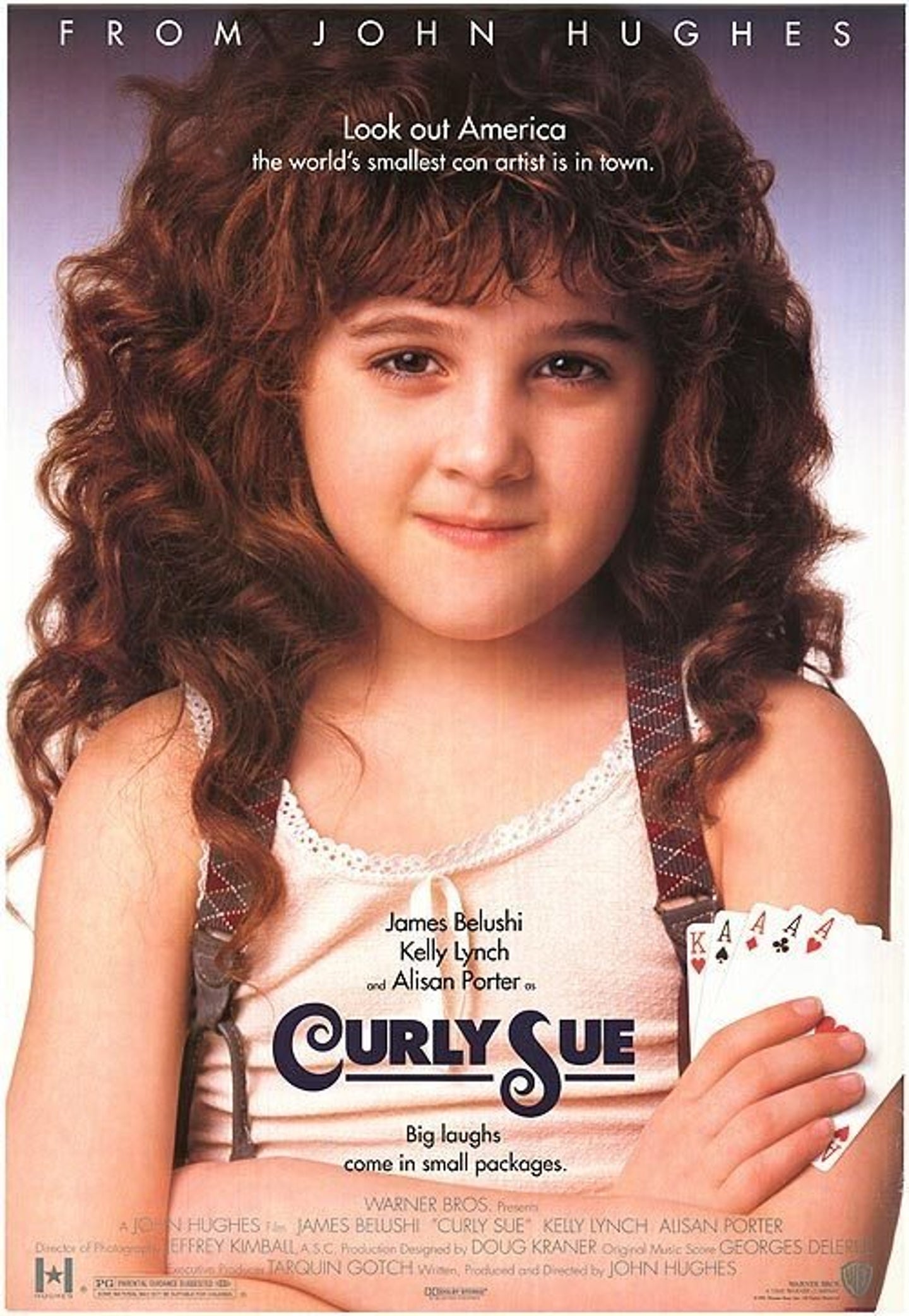
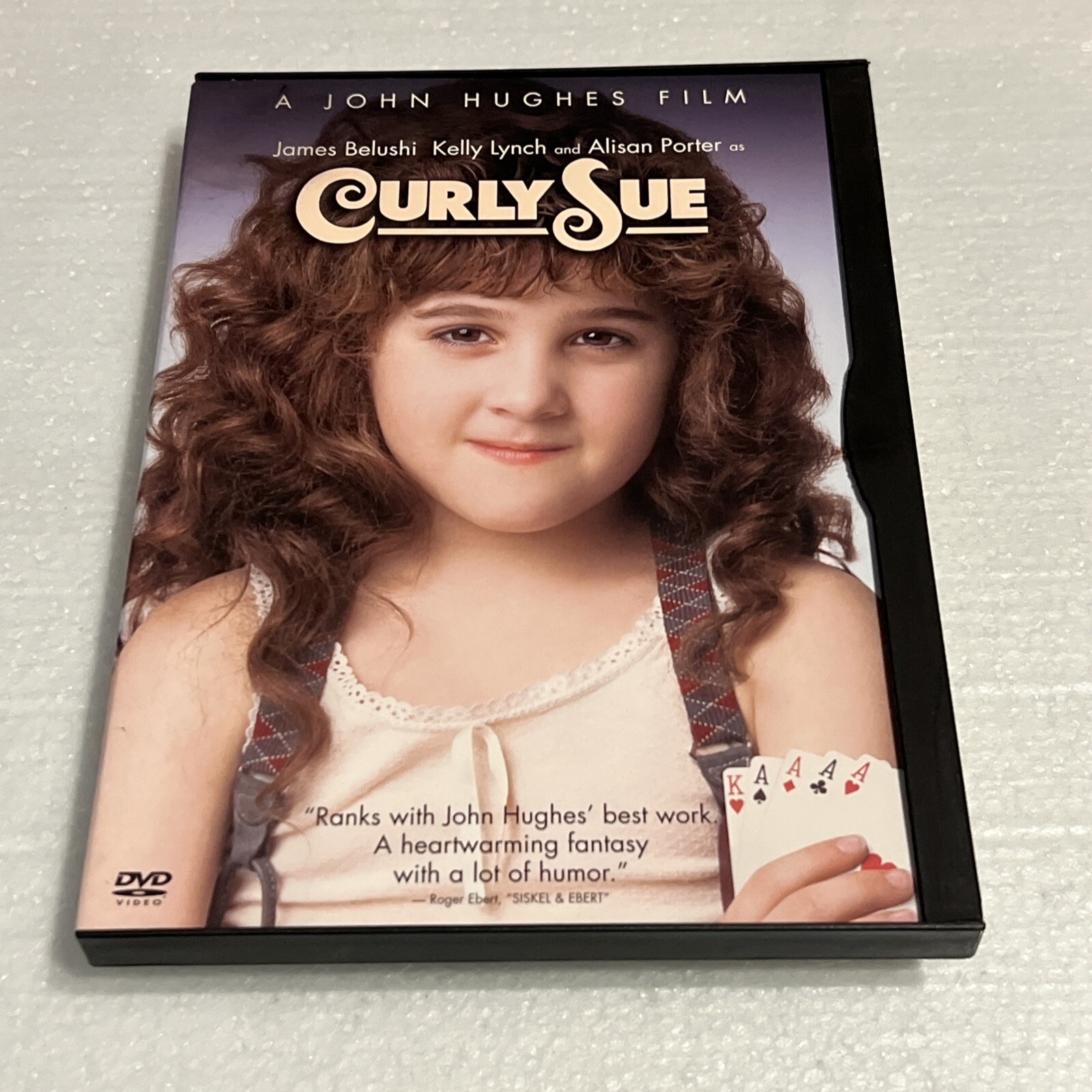
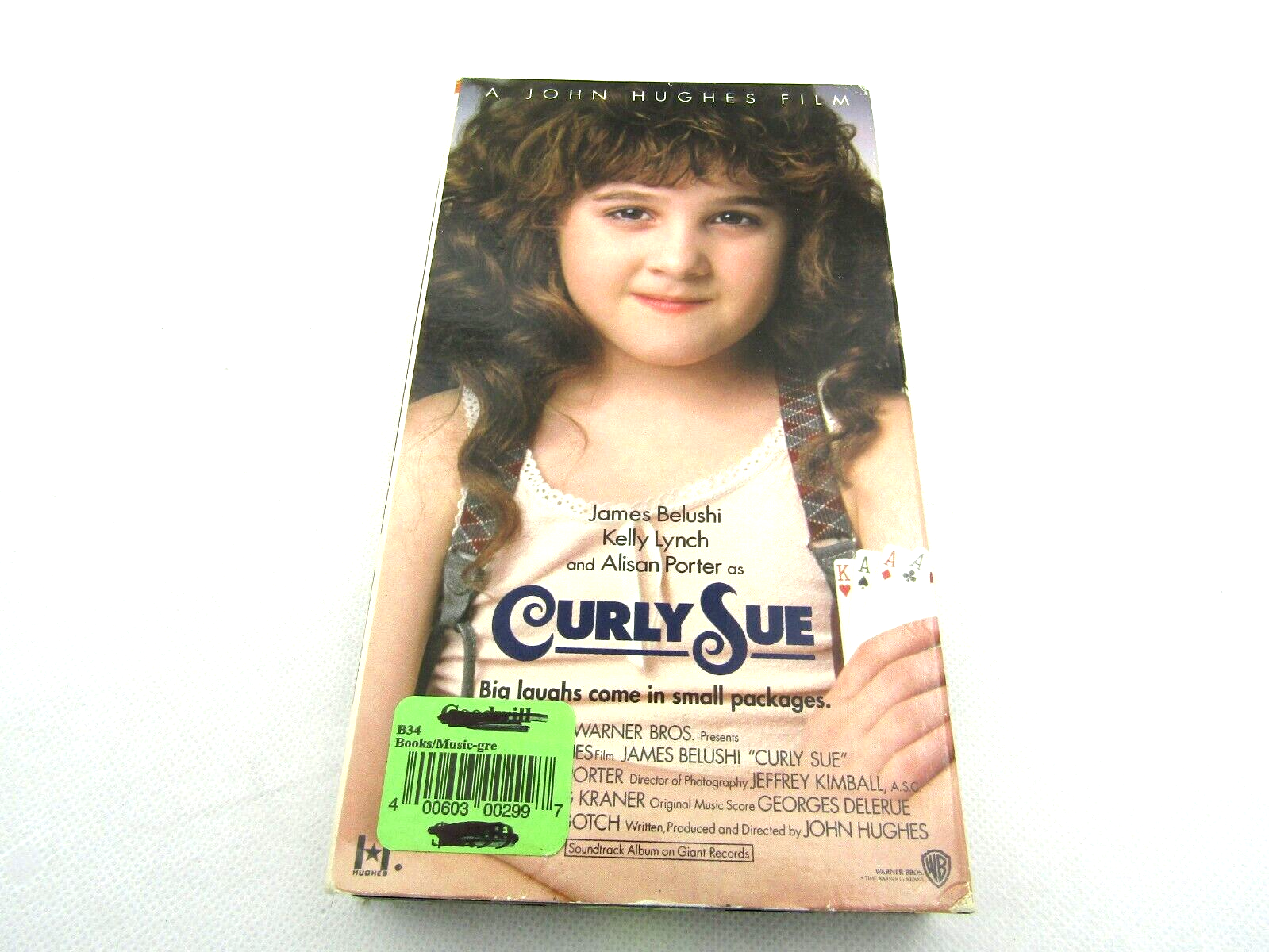
The iconic hairstyle worn by Alisan Porter in the 1991 film Curly Sue defined a generation of cinematic childhood aesthetics, featuring voluminous, untamed ringlets and bouncy texture that mirrored the ultimate late-1980s and early-1990s curly hair trends. Achieving and maintaining this nostalgic look requires understanding the precise curl-clumping techniques, specialized moisture treatments, and high-diffusion drying methods needed to build natural-looking volume without heavy frizz.
Understanding the Roots of the Curly Sue Aesthetic
The cultural footprint of John Hughes’s 1991 comedy Curly Sue remains inextricably linked to its young star’s magnificent halo of golden-brown ringlets. While the film was released in the early nineties, the aesthetic belongs squarely to the decadent volume-obsessed styling ethos of the late 1980s. During this era, curls were not merely a texture to be managed; they were a statement of abundance, vitality, and theatrical movement.
Alisan Porter’s character popularized a specific texture profile: a tight, multi-patterned curl structure that started relatively close to the crown and cascaded outward with maximum body. Unlike the sleek, straightened hair trends that would dominate the late nineties, the Curly Sue style embraced a wild, carefree spirit. Recreating this look today requires balancing historical accuracy with modern hair-care science, ensuring that high-volume styling does not compromise structural integrity or lead to excessive dryness.
Essential Prerequisites and Hair Preparation
Before attempting to recreate the iconic voluminous ringlets, assess your natural hair type, porosity, and elasticity. The Curly Sue style is easiest to achieve on naturally wavy, curly, or coily hair types (Type 2B through Type 3C), though straight hair can achieve similar results through strategic thermal or heatless setting methods.
Proper preparation begins in the shower with a moisture-balancing cleansing routine. Because high-volume styling relies on individual curls clumping together without weighing down the roots, selecting the right products is critical.
- Hydrating Cleanser: Use a sulfate-free moisturizing shampoo to cleanse the scalp while preserving natural lipid layers along the hair shaft.
- Slip-Rich Detangler: Apply a silicone-free or water-soluble conditioner, detangling gently from ends to roots using a wide-tooth comb or a flexible wet brush.
- Leave-In Foundation: Work a lightweight leave-in conditioner through damp hair to establish a uniform moisture baseline and prevent frizz during the diffusion process.
Step-by-Step Styling Guide for Maximum Volume
Achieving the signature bounce requires a layered styling method that encourages curl definition while lifting the roots away from the scalp. Precision in product distribution prevents heavy buildup that can flatten the crown.
- Sectioning: Divide freshly washed, soaking-wet hair into four to six manageable sections using duckbill clips. Working in sections ensures that styling gels or mousses coat every individual strand evenly.
- Product Application: Distribute a strong-hold curl cream or volumizing mousse from roots to ends. Rake the product through using your fingers, then scrunch upward toward the scalp to encourage natural curl clumping.
- Root Lifting: Insert small styling clips or root-lifting clips directly at the crown along the parting lines. This mechanical lift stops the hair from drying flat against the head, preserving the iconic 1980s silhouette.
- Diffusing: Attach a large bowl diffuser to your blow dryer on a medium-heat, low-speed setting. Cup sections of the hair into the diffuser bowl, lifting toward the scalp, and hold for 30 to 45 seconds per section until the hair reaches roughly 80 percent dryness.
- The Scrunch-Out-the-Crunch: Once the hair is completely dry and a slight gel cast has formed, apply a few drops of lightweight lightweight argan or jojoba oil to your palms. Gently scrunch the curls upward to break the cast, revealing soft, touchable, high-volume ringlets.
Product Selection and Maintenance Comparison
Choosing the correct styling agents dictates whether your curls hold their shape throughout the day or deflate into heavy waves. The following reference table outlines the optimal product categories and their performance characteristics for recreating this vintage volume look.
| Product Category | Primary Function | Ideal Hair Texture | Pros | Cons |
|---|---|---|---|---|
| Volumizing Mousse | Builds root lift and airy body | Fine to Medium Curls | Lightweight; adds dramatic height | Can feel drying if alcohol-heavy |
| Curl Defining Gel | Locks in ringlet structure | Medium to Thick Curls | Long-lasting hold; fights humidity | Requires breaking the cast |
| Leave-In Conditioner | Infuses deep moisture | All Dry/Porosity Types | Prevents breakage; enhances shine | Offers zero hold on its own |
| Diffuser Attachment | Accelerates drying while minimizing frizz | Wavy and Curly Hair | Preserves natural curl pattern | Can cause frizz if airflow is too high |
Managing Frizz and Maintaining Longevity
The primary challenge when wearing a high-volume 1980s-inspired hairstyle is controlling unwanted frizz without sacrificing the expansive silhouette that defines the look. Frizz typically occurs when the cuticle layer lifts in search of moisture from humid ambient air. To counteract this, maintain a consistent deep-conditioning schedule once a week, utilizing masks rich in fatty acids and hydrolyzed proteins.
When sleeping on high-volume curls, standard cotton pillowcases can rough up the hair cuticle and flatten the crown. Protect your style overnight by gathering the hair loosely at the very top of the head in a "pineapple" formation using a satin scrunchie. Alternatively, sleeping on a high-grade silk or satin pillowcase reduces friction, ensuring that the ringlets retain their shape and require minimal refreshing the following morning.
Troubleshooting Common Styling Setbacks
Even with precise execution, environmental factors and hair-type variations can introduce challenges. Addressing these issues promptly ensures the hairstyle maintains its integrity.
- Flat Crown: If the hair lies too flat against the top of the head, avoid heavy creams near the roots. Instead, apply a targeted root-boosting spray before diffusing, and keep the root-lift clips in place until the hair is 100 percent dry.
- Excessive Crunchiness: If you forget to scrunch out the gel cast after drying, the hair will feel stiff and rigid. Correct this by rubbing a coin-sized amount of hair oil between your palms and gently scrunching the lengths until the crunch disappears.
- Stringy Curls: When curls separate into thin, stringy strands rather than cohesive clumps, your hair likely needs more water during the styling phase. Always apply styling products to soaking-wet hair and use a denman brush or finger-coiling technique to reform the clumps.
Frequently Asked Questions
How can I get Curly Sue hair if my natural hair is completely straight?
Achieving the look on straight hair requires thermal or heatless setting tools. Apply a setting lotion to damp hair, then wrap small sections around flexible foam rollers or use a small-barrel curling wand. Once set and cooled, gently separate the ringlets with your fingers and finish with a strong-hold, high-shine hairspray to maintain the vintage silhouette.
What is the best way to refresh this hairstyle on day two?
Lightly mist your hair with a mixture of water and a small amount of leave-in conditioner using a spray bottle until damp, rather than soaking wet. Scrunch upwards toward the scalp to reactivate any remaining styling product, and diffuse for a few minutes to restore volume and bounce at the roots.
Does this hairstyle work well on short or bob-length hair?
The style is adaptable to various lengths, though it requires at least chin-length hair to form complete ringlets that bounce around the face. Shorter cuts will yield a more buoyant, spherical shape reminiscent of classic 1980s short curly styles, while longer hair allows the curls to cascade downward.
How do I prevent my curls from tangling throughout the day?
Friction from clothing and wind can cause high-volume curls to tangle at the nape of the neck. Prevent this by applying a lightweight anti-frizz serum to the ends before heading outdoors, and carry a wide-tooth comb or pick for emergency detangling at the roots only.
Can I use heat protectant with a diffuser?
Yes, applying a silicone-based or water-soluble heat protectant spray is essential before using any thermal styling tool or blow dryer with a diffuser. This shields the hair cuticle from thermal stress, preventing moisture loss and minimizing long-term structural damage.
Next Actions for Perfecting Your Vintage Curls
Begin your styling journey by auditing your current hair-care arsenal to replace heavy oils with lightweight, water-soluble mousses and curl creams. Practice the sectioned diffusion method on a weekend when you have ample time to master root lifting and curl clumping. By balancing historical aesthetics with modern hair health practices, you can successfully capture the timeless, carefree energy of cinema's most famous ringlets.