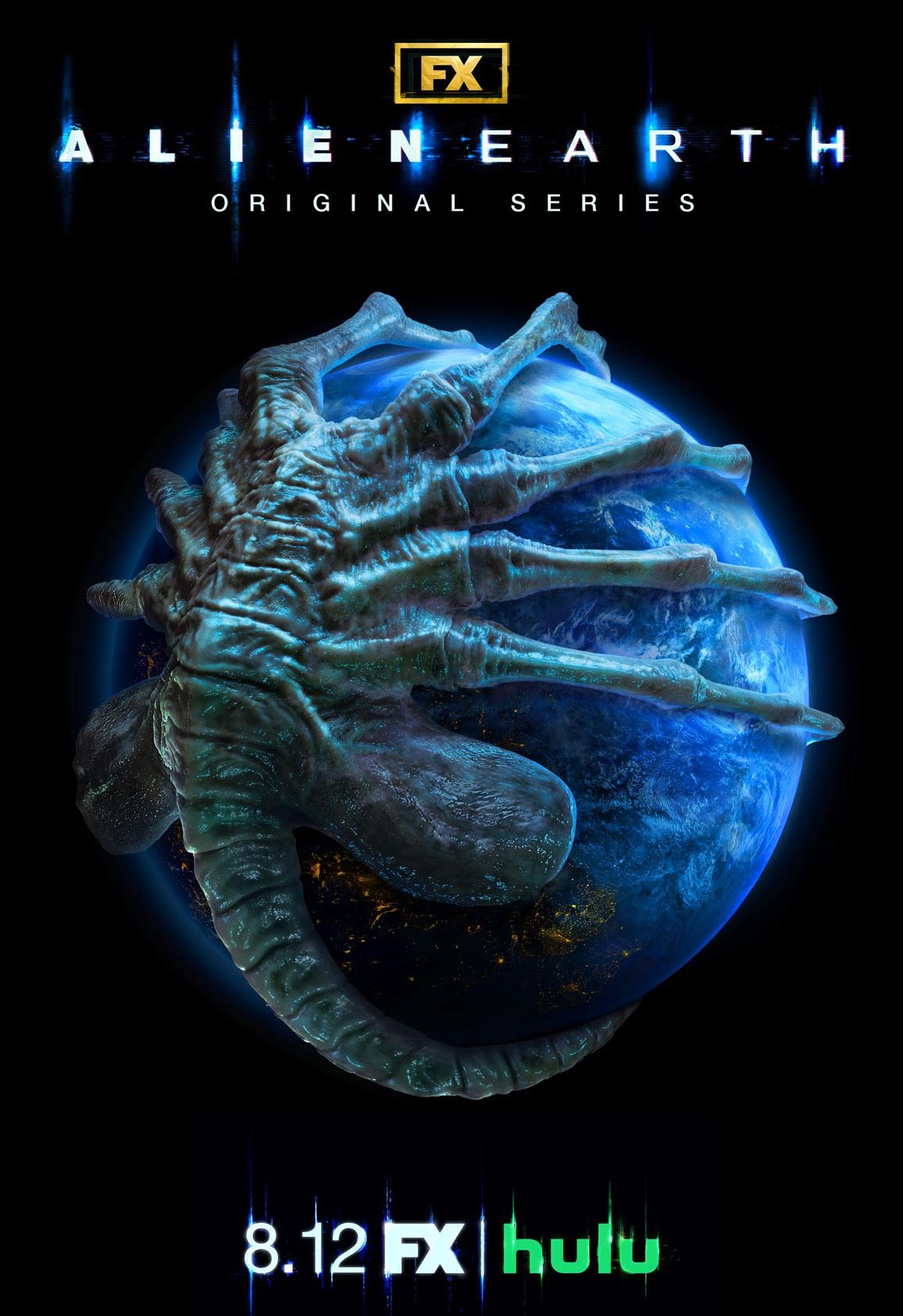
Alien: Earth is structured as a single-season television event upon its initial release, though the creative team and network have designed the narrative with potential for multiple future installments depending on audience reception and long-term network strategy.
Navigating the landscape of modern television franchises often requires separating limited series orders from ongoing multi-season renewals, particularly when dealing with high-budget science fiction properties adapted from legendary cinematic universes. The television landscape has evolved significantly, moving away from traditional 22-episode broadcast schedules toward tightly serialized, prestige event television. When evaluating television extensions of cinematic intellectual properties, viewers naturally seek clarity regarding episode counts, narrative arcs, and whether a production is intended as a self-contained story or an open-ended ongoing series. This comprehensive guide examines the structure, production history, narrative scope, and broadcast logistics surrounding the television project, providing a definitive reference for audiences tracking its release.
Understanding the Production Identity and Scope of the Series
The project represents a major expansion of a foundational science fiction property into the episodic television format. Helmed by creator Noah Hawley and produced under the banner of FX Productions alongside Ridley Scott’s Scott Free Productions, the series is engineered to bring cinematic scale to the small screen.
Unlike traditional episodic television where each installment resolves a self-contained conflict, modern prestige science fiction relies heavily on expansive, novelistic storytelling. The production timeline for such ambitious projects is notoriously protracted due to the heavy reliance on practical effects, intricate set design, and post-production visual effects integration. When assessing how many seasons make up the complete series, industry analysts and fans must evaluate the original orders placed by the network executives. FX initially greenlit the project with a direct-to-series commitment, signifying confidence in the underlying pitch without requiring a preliminary pilot phase. This approach guarantees a complete narrative block for the initial run, but it also means that subsequent seasons depend entirely on post-launch viewership metrics, critical reception, and the availability of key creative personnel.
Narrative Structure: Limited Series Versus Ongoing Framework
A central question for viewers approaching any contemporary television drama is whether the narrative resolves completely within the initial batch of episodes or leaves narrative threads dangling for future renewals.
The structural blueprint of the project leans toward a closed narrative framework for its initial outing, designed to deliver a beginning, middle, and end to its primary conflict. However, the vast mythology of the overarching intellectual property leaves ample room for expansion. In television production, a distinction is maintained between closed limited series—which are explicitly marketed as single-season stories with no intention of continuation—and open-ended serialized dramas.
| Feature / Metric | Initial Production Run | Potential Future Installments |
|---|---|---|
| Release Format | Episodic serialized streaming/cable block | TBD based on network renewal |
| Narrative Arc | Self-contained primary threat and resolution | Expanded universe mythology |
| Creative Leadership | Showrunner Noah Hawley | Showrunner Noah Hawley and core team |
| Production Scale | Feature-film budget and visual effects | Sustained high-end television budget |
Examining this framework helps manage expectations regarding plot resolutions. While the primary storyline driving the initial episodes reaches a definitive climax, the universe itself is large enough to support alternative character arcs and secondary locations should the network commission further runs.
Production Timeline and Development History
Tracing the genesis of the series provides essential context for understanding why the episode count and season structure were established in their current form.
Development on the television adaptation began following Disney's acquisition of 21st Century Fox, which brought several major intellectual properties under a single corporate umbrella. Noah Hawley, known for his work on prestige television adaptations such as Fargo and Legion, was approached to spearhead the project. His pitch uniquely positioned the narrative as a prequel taking place on Earth prior to the events of the original 1979 cinematic masterwork.
The journey from initial concept to screen involved extensive pre-production periods, punctuated by industry-wide disruptions including the 2023 Hollywood labor strikes. These production pauses affected physical filming schedules in locations such as Thailand, stretching the timeline between the initial announcement and the actual broadcast date. Understanding this rigorous production cycle clarifies why each season requires substantial development time, making traditional annual broadcast schedules practically impossible for a project of this magnitude.
Where to Watch and Access Requirements
Accessing the complete series requires familiarity with the distribution ecosystem managed by the parent studio and network.
In the United States, the series premieres primarily through FX networks and streams on Hulu, leveraging the platform's FX on Hulu hub. For international viewers, distribution is typically handled via Disney+ under the Star banner or through regional licensing partners depending on local market availability.
- Primary Domestic Platform: Hulu (streaming the day after broadcast on FX, or via standalone digital purchase platforms).
- International Streaming: Disney+ (Star content library in select global territories).
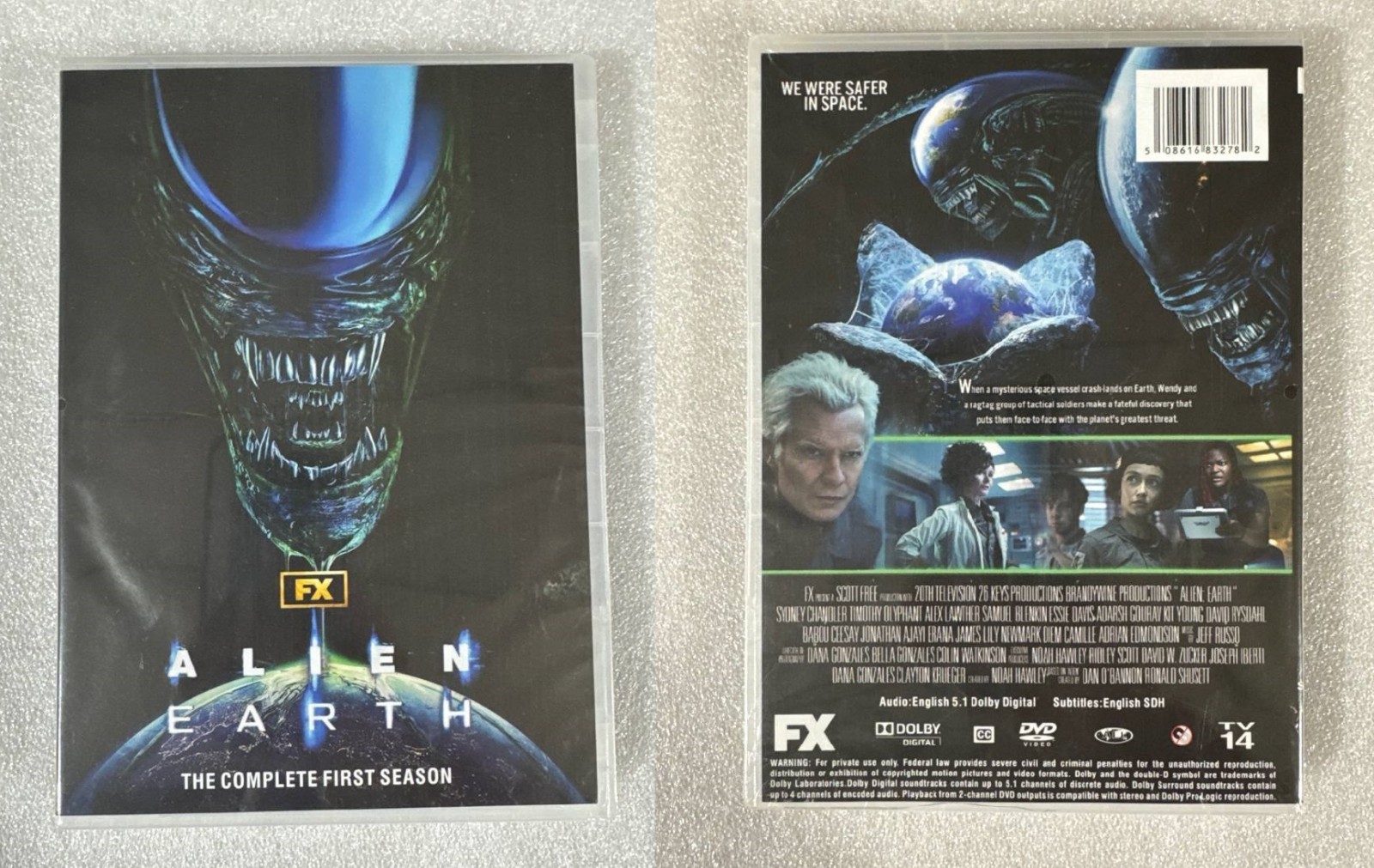
- Physical Media Outlook: While physical media releases (Blu-ray and 4K UHD) depend on studio strategy, major prestige streaming series often receive targeted physical releases following their initial streaming window.
Ensuring access involves verifying active subscriptions to the designated streaming platforms and checking regional availability windows, as global release dates can occasionally vary by several days due to local regulatory classifications and translation processes.
Frequently Asked Questions
Is Alien Earth a limited series or an ongoing show?
The project is structured as an open-ended serialized drama with a complete initial season arc. While the primary storyline of the first run reaches a definitive conclusion, the creators and network have intentionally left room for subsequent seasons depending on future renewals.
How many episodes are in the first season?
The initial season consists of a standard prestige cable episode count, typically ranging between eight and ten episodes, designed to balance narrative depth with cinematic pacing.
Does the series require watching all previous movies to understand?
No, the narrative is deliberately constructed as a prequel set on Earth prior to the events of the original 1979 film. It introduces a fresh cast of characters and an independent storyline, making it accessible to newcomers while offering thematic nods for longtime fans.
Will there be a second season?
A second season depends entirely on official renewal announcements from FX and Disney. Creative discussions regarding future directions have taken place among the production team, but formal greenlights are contingent upon audience performance metrics.
Where can I stream the complete series?
Viewers in the United States can stream the episodes on Hulu under the FX content hub. International audiences can access the series through Disney+ via the Star content portal, subject to regional licensing agreements.
Navigating Your Viewing Experience
For the optimal viewing experience, approach the series as a standalone cinematic event rather than anticipating a traditional multi-season television run. Because prestige science fiction relies heavily on atmospheric world-building and deliberate pacing, watching the episodes in their intended streaming or broadcast sequence ensures full appreciation of the intricate production design and character development. Keep track of official network announcements regarding future season renewals to stay informed about the long-term trajectory of the franchise.