The Align Pro back brace is a posture-correcting and lumbar-support garment designed to alleviate lower back discomfort, reduce slouching, and encourage proper spinal alignment during daily activities. Evaluating its utility requires a careful examination of user feedback, ergonomic build quality, sizing considerations, and practical limitations compared to traditional medical devices.
Understanding the Align Pro Back Brace Design and Ergonomics
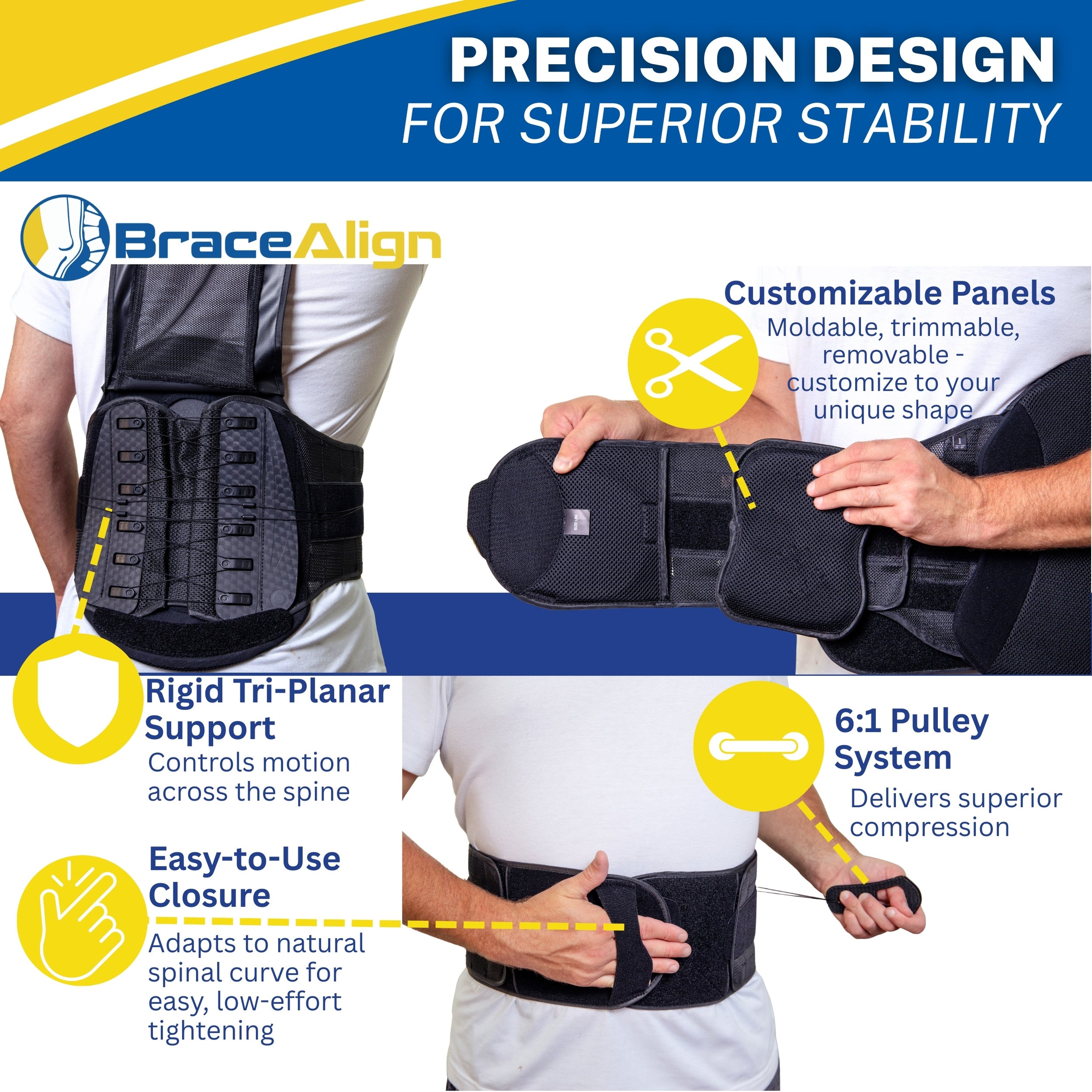
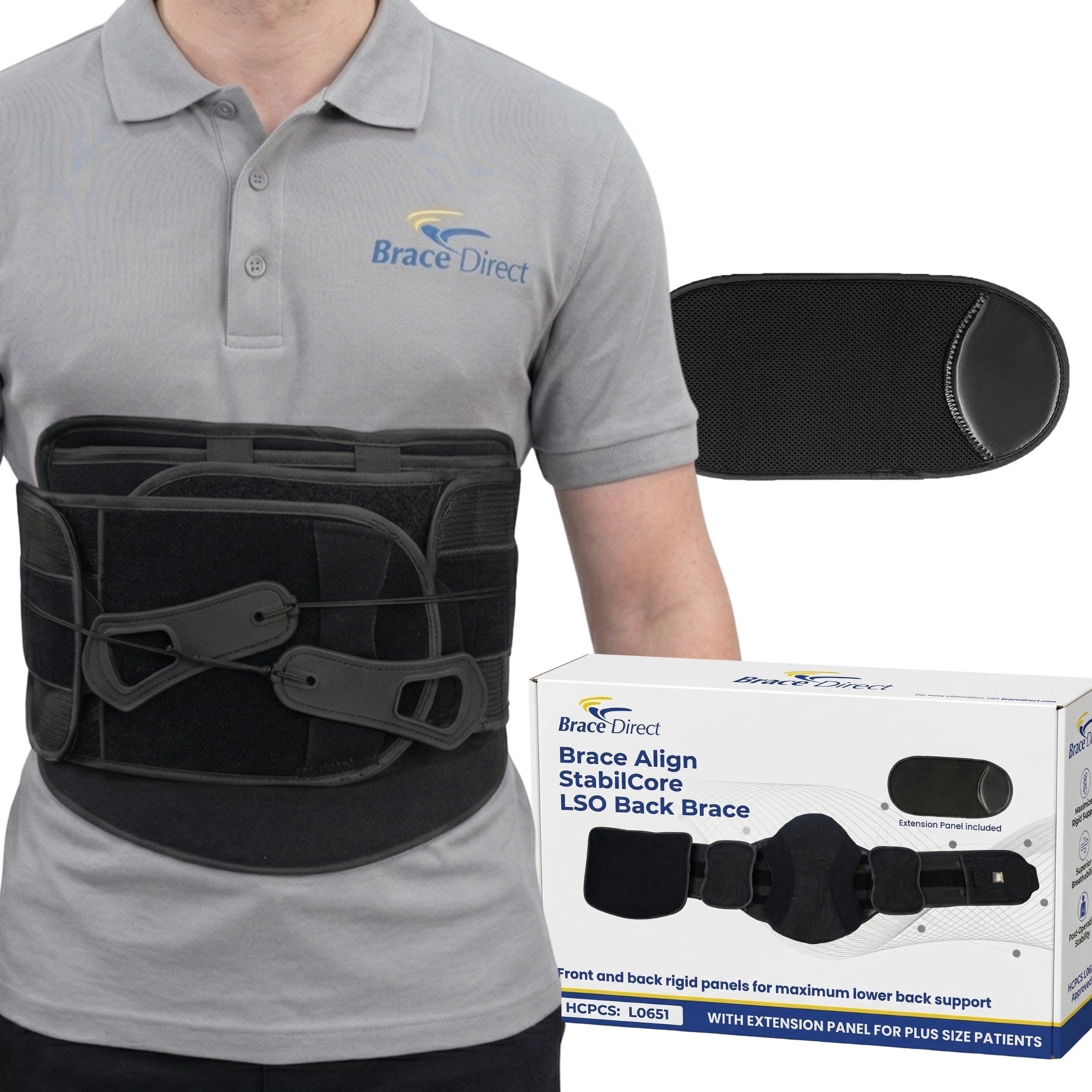
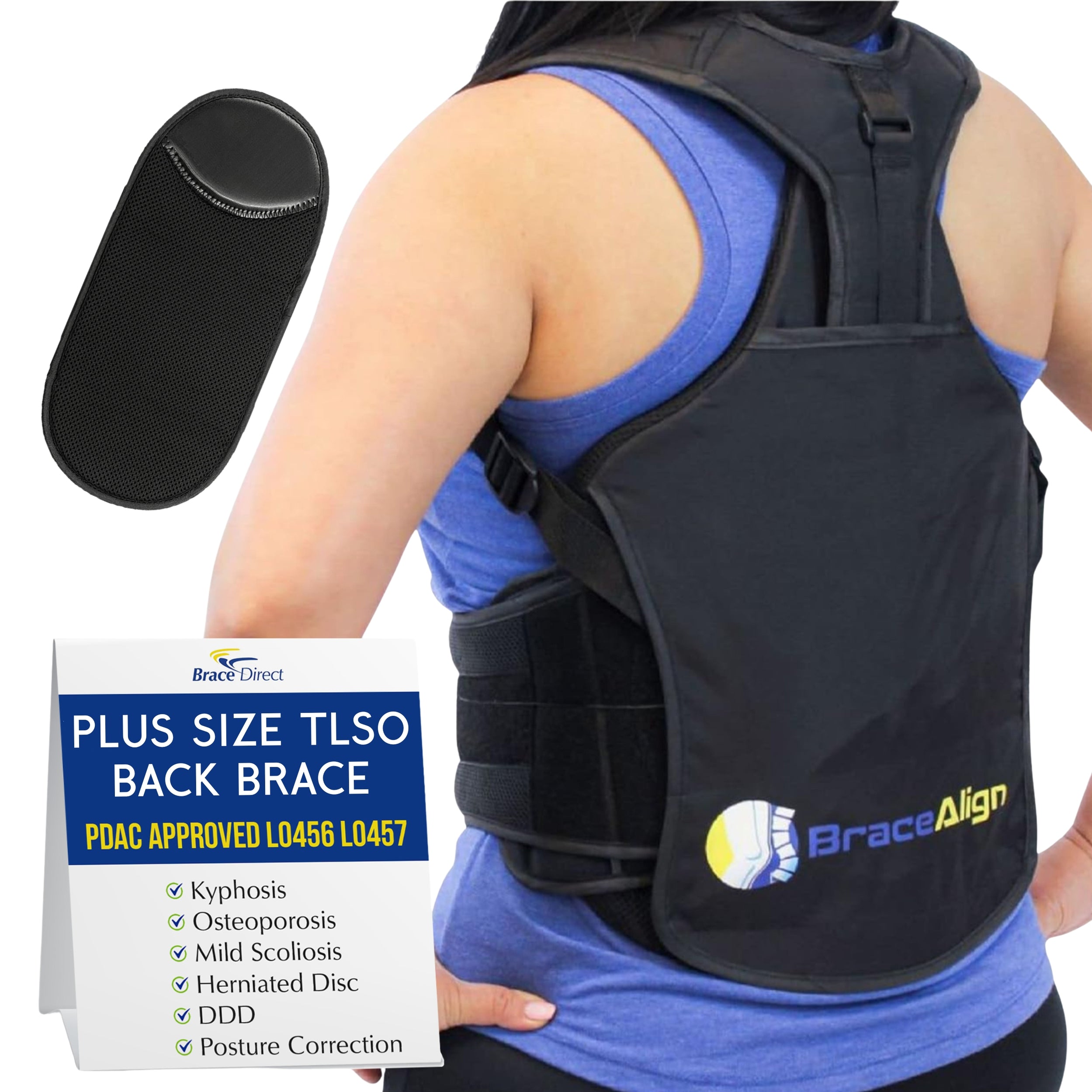
The Align Pro back brace occupies a specific niche in the consumer wellness market, bridging the gap between passive posture-correcting straps and rigid orthopedic lumbar supports. Designed primarily for individuals who spend long hours sitting at desks, standing on hard surfaces, or lifting moderate weights, the device combines flexible elastic tension bands with rigid or semi-rigid vertical lumbar stays. This dual-action approach aims to unload pressure from the lumbar spine while pulling the shoulders backward to discourage habitual slouching.
Unlike clinical-grade braces prescribed exclusively by orthopedic surgeons for post-operative immobilization, consumer-facing posture correctors like the Align Pro prioritize comfort, discretion under clothing, and ease of daily wear. The materials typically consist of breathable neoprene, nylon mesh, and high-tensile elastic fibers. This combination allows the user to wear the garment directly against the skin or over a thin undershirt for periods ranging from 30 minutes to several hours daily.
However, users must understand the fundamental mechanical limitations of soft lumbar supports. While they offer tactile biofeedback that reminds the wearer to engage their core muscles and sit upright, they do not permanently alter skeletal structure or replace targeted physical therapy. Recognizing this distinction helps frame realistic expectations before purchase, ensuring that consumers view the brace as a supportive adjunct rather than a definitive medical cure for chronic spinal pathologies.
Analyzing Honest User Feedback and Common Pain Points
Aggregating user feedback across independent review platforms reveals a consistent dichotomy regarding the Align Pro back brace's performance. Positive reviews frequently highlight immediate relief from muscular fatigue during sedentary work shifts. Office workers and remote professionals note that the gentle lumbar compression helps prevent the dull, aching lower back sensation that typically accumulates by mid-afternoon. Many users also praise the discreet profile, noting that it fits seamlessly under standard button-down shirts or sweaters without creating bulky silhouettes.
Conversely, critical feedback often centers on sizing discrepancies, thermal discomfort, and the challenge of long-term compliance. Because sizing charts rely heavily on waist measurements rather than torso length, individuals with longer or shorter torsos sometimes find that the vertical stays dig into their ribs or sit too low on the hips, causing localized chafing. Additionally, users residing in warmer climates report that the neoprene panels trap body heat, leading to excessive sweating during extended wear.
Another recurring theme in honest user feedback involves the temptation to over-rely on the device. Several reviewers noted that wearing the brace too tightly for consecutive days without breaks led to temporary muscle soreness, as the abdominal and paraspinal muscles adjusted to the external support. This underscores the importance of a gradual acclimation schedule, where wearers start with short 15-to-30-minute intervals and slowly build duration as their muscular endurance improves.
| Feature / Metric | Align Pro Back Brace | Standard Elastic Binder | Rigid Medical Orthosis |
|---|---|---|---|
| Primary Purpose | Posture awareness & mild lumbar support | General compression & warmth | Post-operative stabilization |
| Support Level | Moderate (Flexible stays + straps) | Low (Elastic compression only) | High (Rigid plastic/metal panels) |
| Discretion | High (Slim profile under clothing) | High (Very thin material) | Low (Bulky, worn externally) |
| Ideal Use Case | Desk work, light lifting, fatigue relief | Minor strains, warmth retention | Medical recovery, severe instability |
Evaluating Sizing, Fit, and Material Durability
Achieving optimal therapeutic benefit from any lumbar support device depends heavily on correct sizing and proper application. The Align Pro back brace typically features a dual-strap closure system, allowing users to adjust primary waist compression independently from secondary shoulder-pull tension. This modular adjustment is critical because over-tightening the shoulder straps can pull the user backward unnaturally, straining the upper thoracic region, while under-tightening provides insufficient postural feedback.
When evaluating material durability, user experiences indicate that the lifespan of the brace correlates directly with maintenance habits. Because the garment absorbs sweat and skin oils during daily use, regular cleaning is mandatory to maintain fabric elasticity and hygiene. Most consumer braces require gentle hand washing with mild detergent and air drying. Machine washing or tumble drying on high heat rapidly degrades the elastic fibers and weakens the Velcro hook-and-loop fasteners, rendering the support straps ineffective within a few months of purchase.
Prospective buyers should carefully measure their circumference at the level of the navel—rather than relying on standard pant sizing—to match manufacturer specifications accurately. Individuals who fall near the upper boundary of a size range generally achieve better coverage and comfort by sizing up, as excessive tension on the main closure panels can cause the seams to fray prematurely during active movement.
Comparing Align Pro Against Alternative Lumbar Solutions
The market for back support and posture alignment tools is expansive, ranging from basic kinesiology tape and posture shirts to heavy-duty industrial lifting belts. Comparing the Align Pro to these alternatives clarifies where it succeeds and where consumers might be better served by a different category of product.
Unlike static posture shirts—which integrate tension bands directly into a compression garment—the Align Pro offers adjustable external tension that can be modified throughout the day depending on activity levels. This makes it more versatile for alternating between seated computer work and standing tasks. However, compared to a dedicated power-lifting belt, the Align Pro lacks the rigid, wide-circumference abdominal bracing required to support extremely heavy axial loads during compound weightlifting exercises. It is fundamentally an ergonomic wellness aid rather than a heavy industrial safety device.
For individuals managing diagnosed clinical conditions such as lumbar disc herniation, spondylolisthesis, or severe spinal stenosis, consumer-grade posture correctors are rarely sufficient. In these scenarios, physical therapy regimens and medically prescribed orthotics supervised by a physician or licensed physical therapist remain the gold standard of care.
Practical Guidance for Safe and Effective Daily Use
Maximizing the utility of the Align Pro back brace requires integrating it into a broader spinal health routine rather than treating it as a standalone fix. Ergonomic experts generally recommend the following protocol for safe wear:
- Consult a Healthcare Professional: Individuals with pre-existing spinal injuries, chronic pain, or structural deformities should consult a physician before introducing any external support device.
- Gradual Acclimation: Begin by wearing the brace for 20 to 30 minutes per day, slowly increasing the duration as comfort permits, avoiding continuous wear exceeding two to three hours without a break.
- Focus on Core Activation: Use the physical feedback from the brace as a prompt to actively engage transverse abdominis and core stabilizing muscles, preventing muscle atrophy.
- Maintain Hygiene: Hand wash the garment weekly with mild soap to preserve the integrity of the elastic bands and prevent skin irritation from accumulated perspiration.
- Combine with Movement: Pair brace usage with regular stretching, walking, and ergonomic workspace adjustments to address the root causes of postural fatigue.
Frequently Asked Questions
Can I wear the Align Pro back brace while sleeping?
No, wearing a posture-correcting or lumbar support brace while sleeping is strongly discouraged. During sleep, your spinal muscles need to relax completely to facilitate recovery and natural alignment. Wearing a restrictive brace overnight can impair circulation, cause localized skin pressure injuries, and lead to increased muscle stiffness by morning.
How long does it take to see posture improvements?
While the brace provides immediate postural support while worn, lasting behavioral changes depend on muscular strengthening and ergonomic awareness. Most users report developing better postural habits within four to six weeks of consistent, mindful use combined with regular core strengthening exercises.
Will wearing the brace cause my back muscles to weaken?
Muscle atrophy is primarily a risk with rigid, full-immobilization medical orthotics worn continuously for weeks or months. Because the Align Pro is flexible and intended for intermittent daily use—coupled with active movement—it acts primarily as a sensory reminder rather than a total replacement for muscular effort, though excessive, uninterrupted reliance should still be avoided.
Is the Align Pro brace washable?
Yes, the brace can be washed, but hand washing in cold water with mild detergent is strongly recommended. Machine washing, wringing, or tumble drying can warp the internal stays, compromise the elastic tension bands, and degrade the adhesive strength of the Velcro fasteners.
Can the brace be worn comfortably under tight clothing?
While the profile is relatively slim compared to heavy clinical braces, the dual-strap system and lumbar panel will show subtle outlines under form-fitting garments. It is most easily concealed under loose-fitting professional attire, sweaters, or jackets.
What should I do if the brace causes skin irritation?
Skin irritation usually stems from trapped sweat, friction, or an allergic reaction to neoprene materials. To mitigate this, wear a thin, breathable cotton undershirt as a barrier between your skin and the brace, and ensure you clean the garment regularly to remove accumulated salt and bacteria.