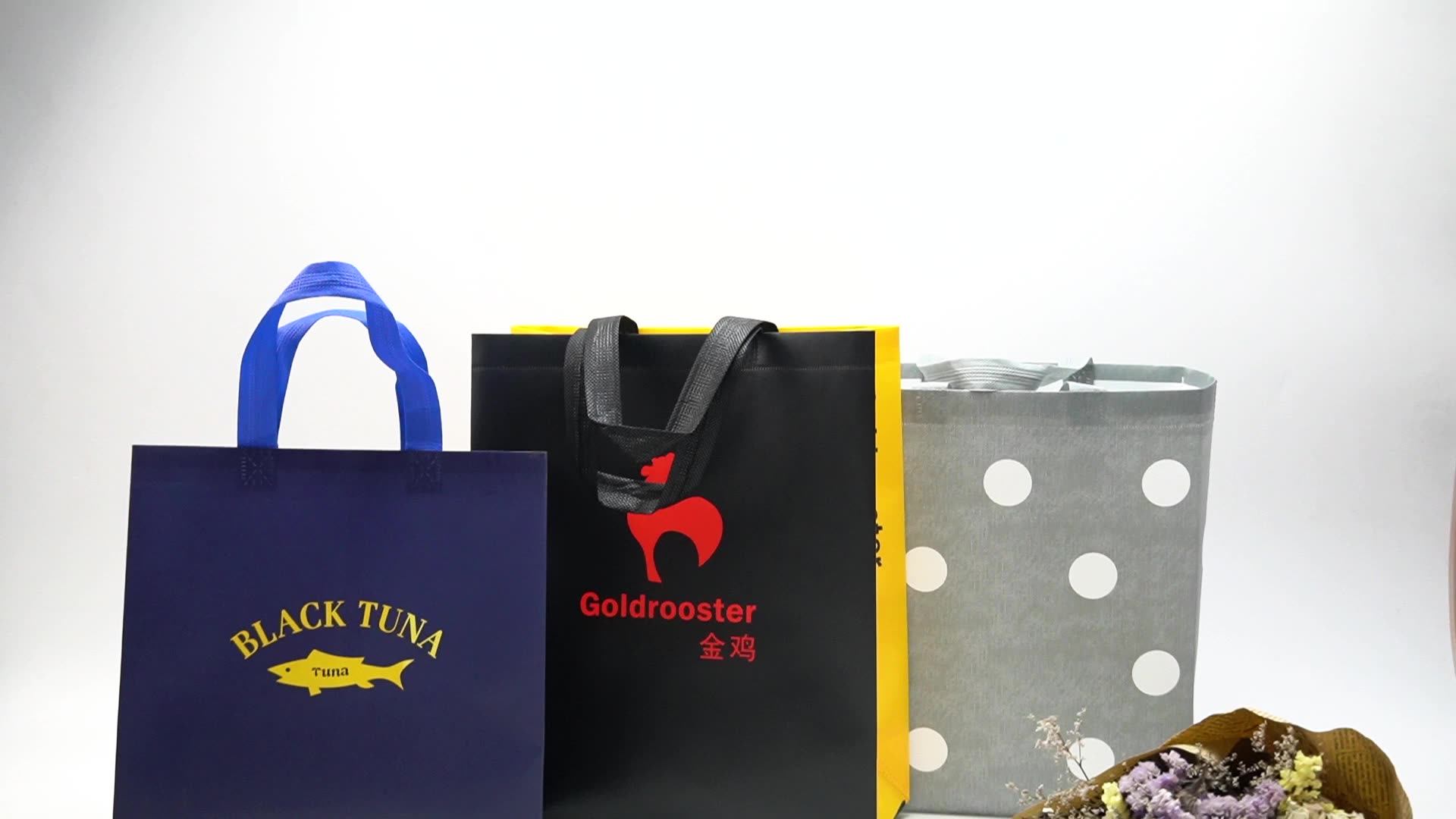
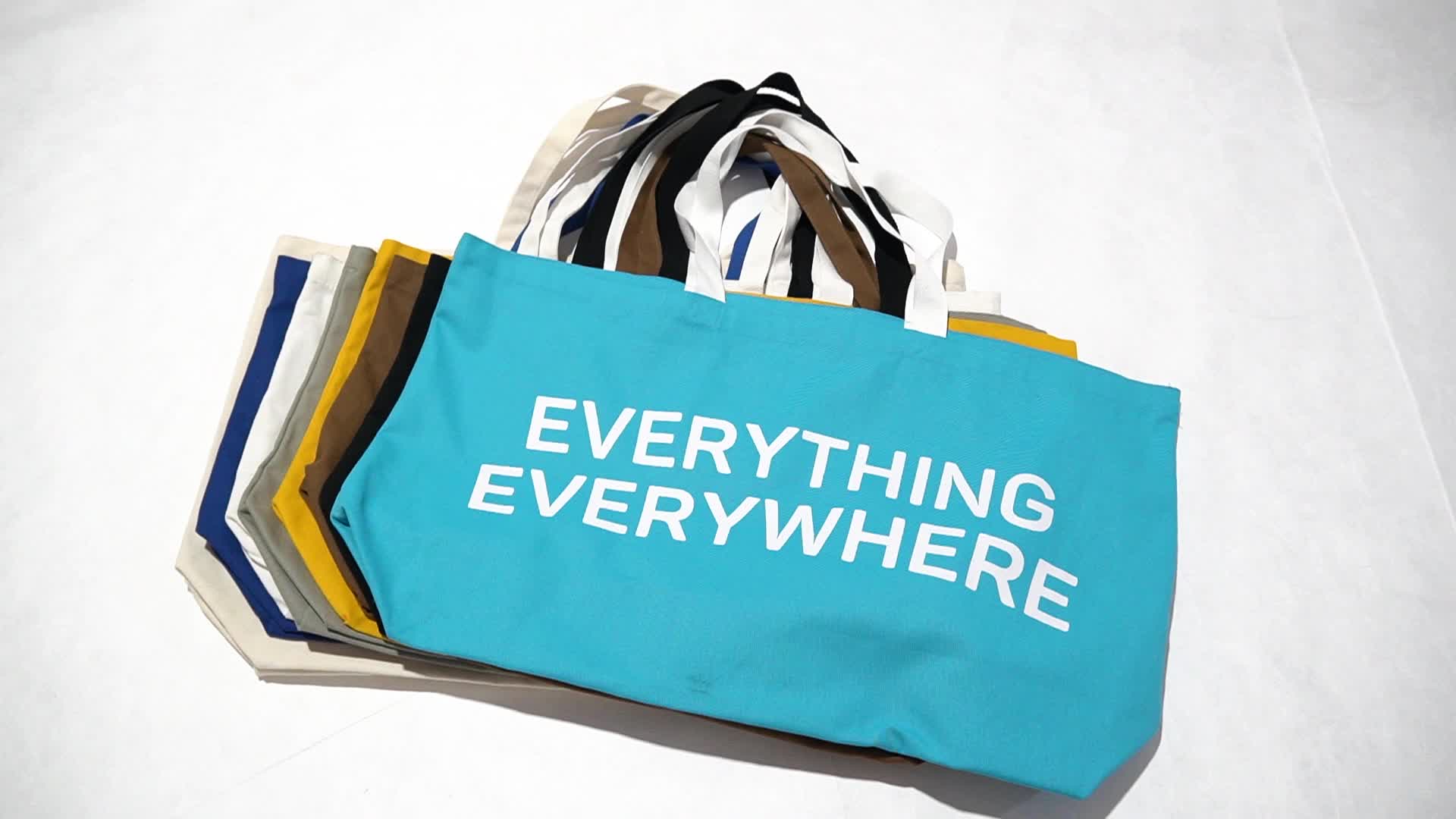
Sourcing custom eco-friendly tote bags on Alibaba requires selecting sustainable materials like organic cotton, heavy canvas, or rPET, defining precise design specifications, and verifying supplier credentials through Alibaba Trade Assurance. By evaluating physical sample quality, standard eco-certifications, printing techniques, and unit cost breakdowns, buyers can establish a secure, profitable manufacturing pipeline.
Key Materials for Sustainable Custom Tote Bags
Selecting the right fabric is the foundational step when manufacturing eco-friendly tote bags. The material determines not only the bag’s environmental profile but also its texture, weight capacity, printing fidelity, and overall perceived market value. Alibaba manufacturers offer a vast spectrum of sustainable fabrics, each carrying distinct technical specifications and operational advantages.
- Material Density & Fabric Selection:
- Lightweight (5–8 oz / 150–220 GSM): Promotional Giveaways
- Medium Weight (10–12 oz / 280–340 GSM): Standard Retail Tote Bags
- Heavy Weight (14–16+ oz / 400+ GSM): Premium Heavy-Duty Luggage
Organic Cotton and Heavyweight Canvas
Conventional cotton farming relies heavily on synthetic pesticides and intensive irrigation. Consequently, brand owners seeking true sustainability prioritize Global Organic Textile Standard (GOTS) certified organic cotton. Fabric weight is measured in ounces per square yard (oz) or grams per square meter (GSM):
- Lightweight Canvas (5–8 oz / 150–220 GSM): Best suited for low-cost promotional giveaways or foldable event bags.
- Medium-Weight Canvas (10–12 oz / 280–340 GSM): The industry standard for retail tote bags, offering a balance of structure, softness, and durability.
- Heavyweight Canvas (14–16+ oz / 400+ GSM): Premium, structured material ideal for high-end fashion totes, utility bags, and structured daily carries.
Recycled Polyethylene Terephthalate (rPET) and Non-Woven Polypropylene
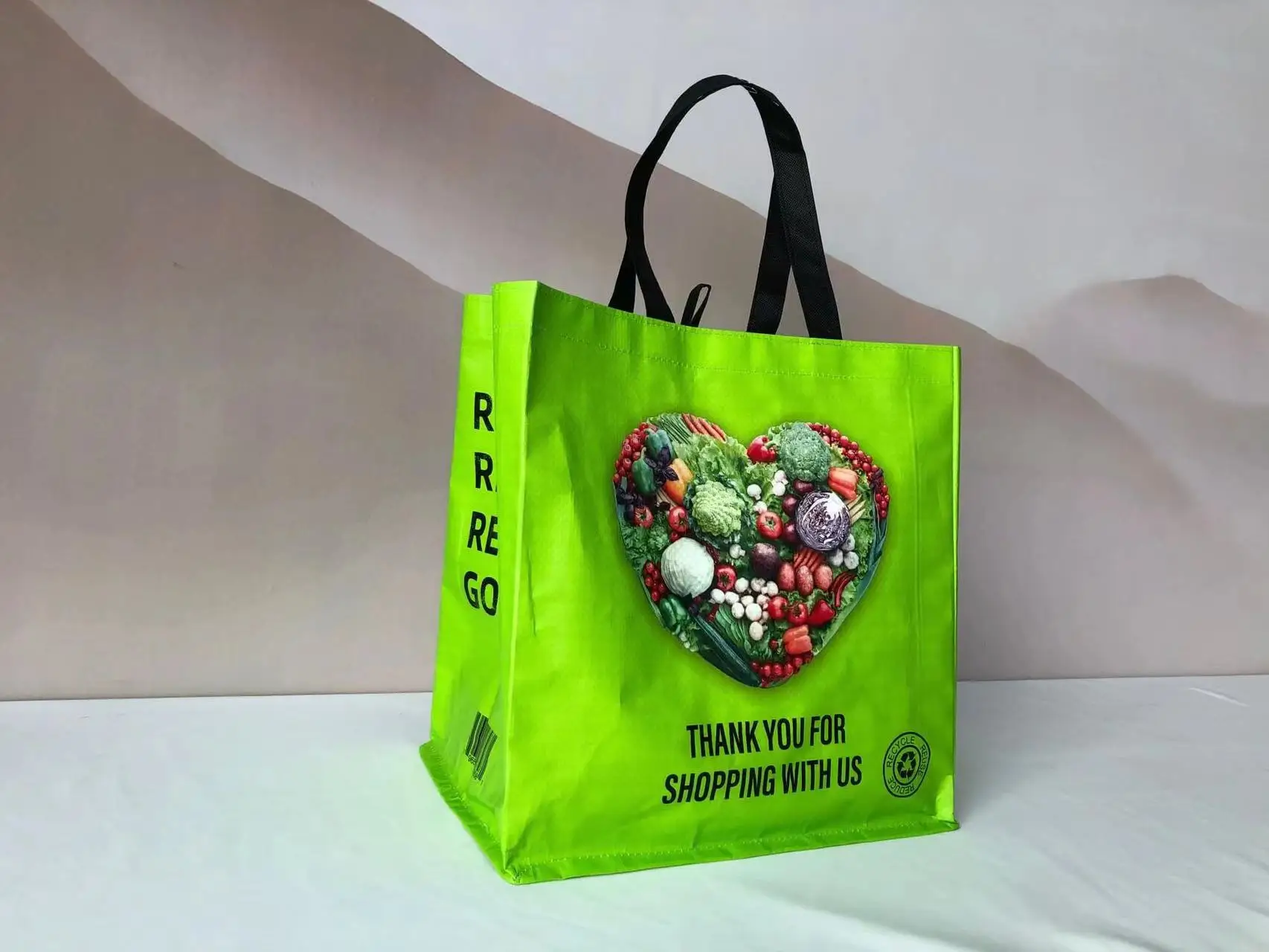
Recycled PET (rPET) is manufactured from post-consumer plastic bottles, turning plastic waste into a durable synthetic yarn. Fabricated rPET totes are water-resistant, lightweight, and tear-resistant, making them ideal for heavy grocery shopping or outdoor use. Non-woven polypropylene (NWPP) provides another economical option; however, buyers should verify whether the polypropylene includes recycled content to satisfy strict eco-friendly product claims.
Jute, Hemp, and Linen Blends
Natural plant fibers such as jute (burlap) and hemp offer exceptional tensile strength and naturally bio-degrade at the end of their lifecycle. Jute totes present a distinct rustic aesthetic, frequently combined with organic cotton handles or trim. Hemp fabrics require significantly less water to cultivate than conventional cotton and yield an extremely strong, mildew-resistant textile that softens over time without losing structural integrity.
Identifying Trendy Design Elements and Customization Options
Consumer preferences for tote bags evolve rapidly. Creating a successful custom product requires balancing contemporary aesthetic trends with high-performance decoration methods.
Current Aesthetic Trends in Retail Tote Bags
Modern tote bag design has shifted away from simple corporate logos toward lifestyle-oriented aesthetic statements. Dominant market trends include:
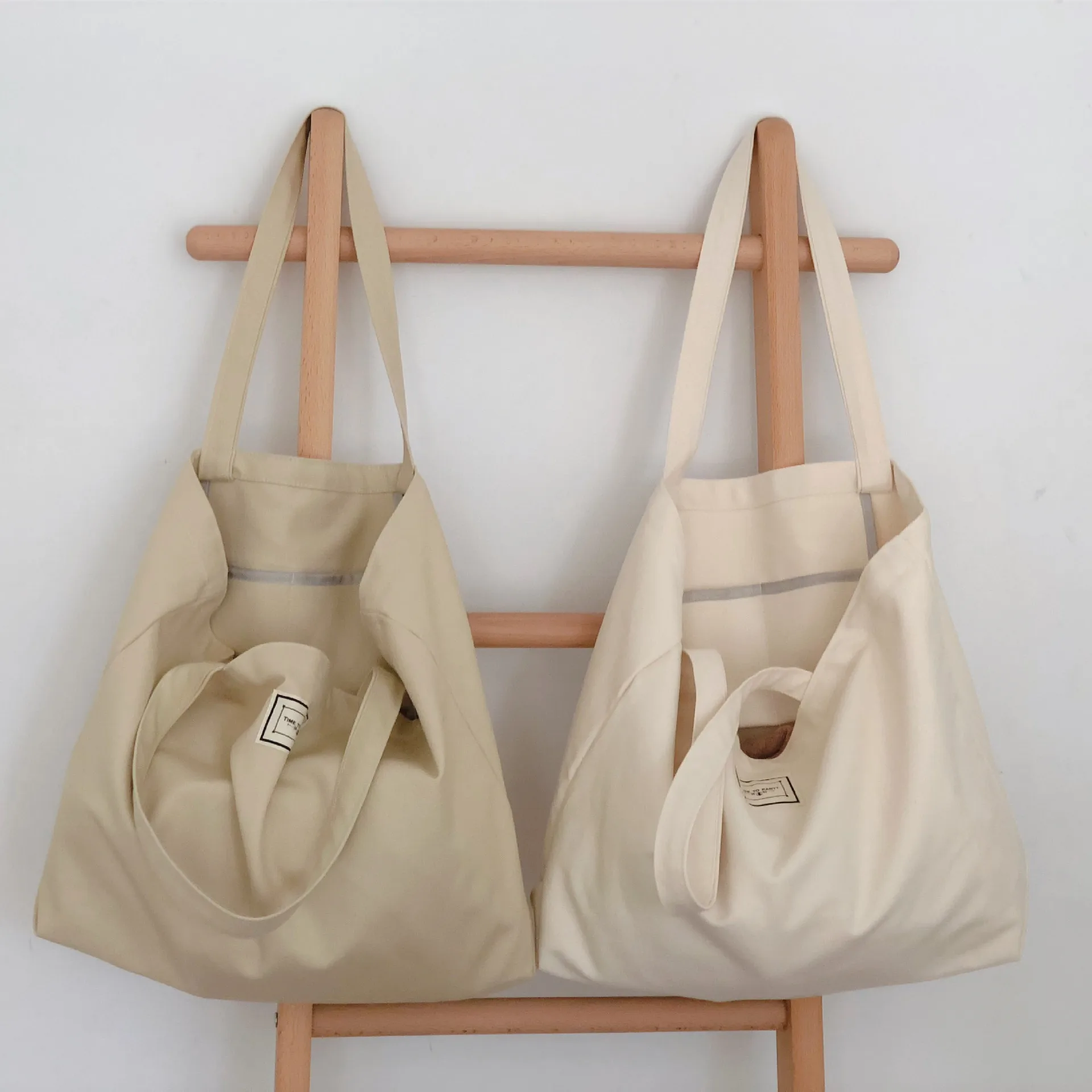
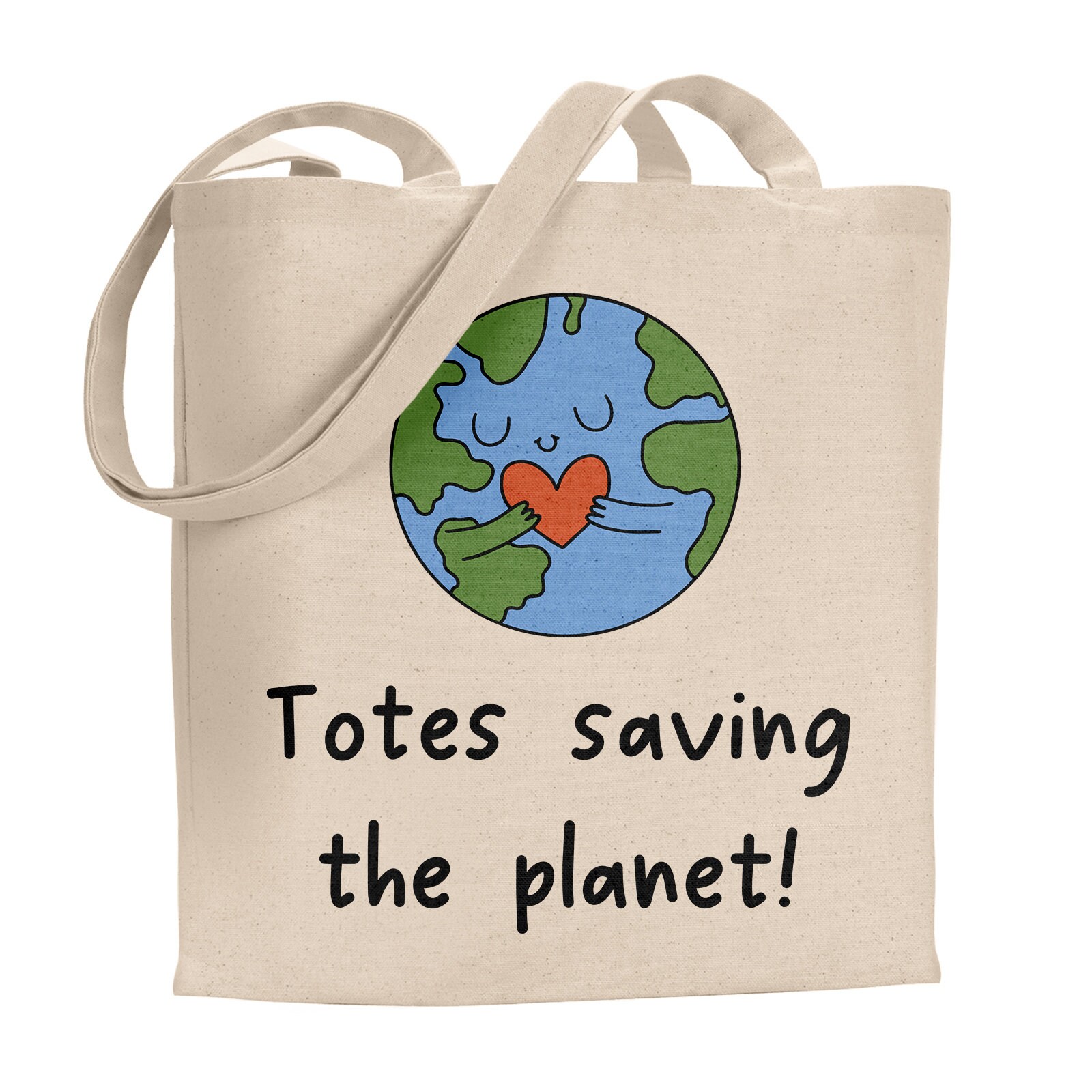
- Minimalist Typography & Botanical Art: Monochromatic line art, clean sans-serif typography, and subtle floral illustrations printed on natural, unbleached canvas.
- Oversized and Slouchy Silhouettes: Extended gussets, wide shoulder straps, and extra-large dimensions that cater to daily commute and travel needs.
- Multi-Functional Interior Layouts: Integrated interior zipper pockets, key leash clips, padded laptop sleeves, and magnetic snap closures.
- Contrast Trims and Webbing Handles: Dual-tone color schemes featuring dyed handles, outer slip pockets, or reinforced bottom bases in contrasting earth tones.
Printing and Branding Techniques
The choice of branding methodology directly impacts visual appeal, unit cost, minimum order quantities (MOQs), and eco-friendliness:
- Screen Printing: The most common method for bulk orders. Uses water-based or eco-friendly discharge inks to yield vibrant, long-lasting colors on cotton canvas without creating a heavy plasticized feel.
- Direct-to-Garment (DTG): Ideal for detailed multi-color artwork, painterly illustrations, or small print runs. Inks soak directly into natural fibers.
- Embroidery: Adds a premium, tactile finish for logos and typography. Highly durable, though limited in fine detail reproduction.
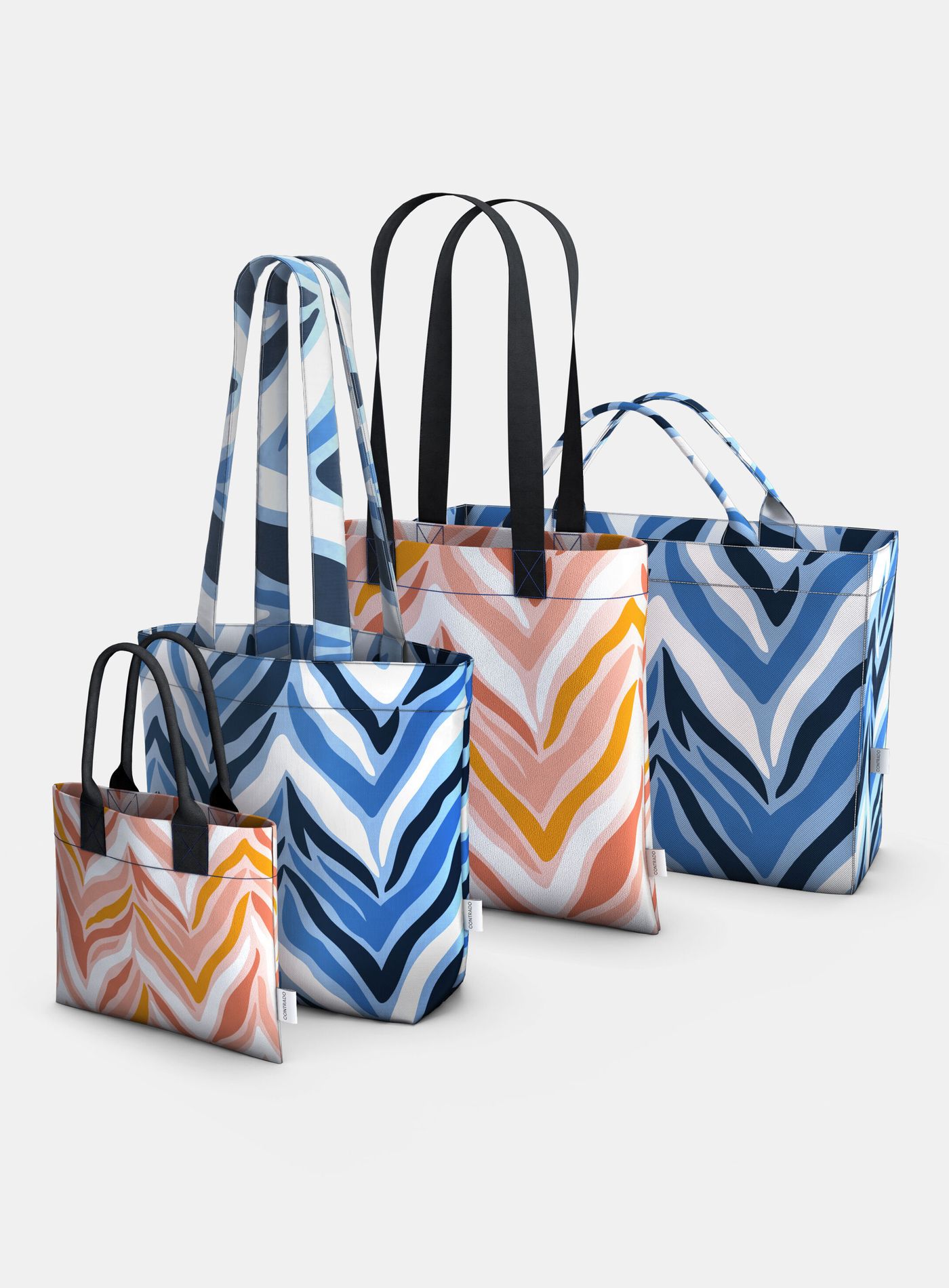
- Heat Transfer & Sublimation: Sublimation works exclusively on synthetic fabrics like rPET, delivering full-bleed photographic prints across the entire bag surface.
- Custom Hardware and Woven Labels: Elevates brand value through branded metal rivets, custom woven inner tags, outer brand flags, and embossed leather or faux-leather patches.
Navigating Alibaba Supplier Selection and Risk Mitigation
Alibaba hosts thousands of bag manufacturers, trading companies, and intermediaries. Distinguishing reliable direct factories from middleman vendors is critical for maintaining quality control and margin targets.
Filtering Verified Suppliers vs. Gold Suppliers
On Alibaba, a Gold Supplier is a paid membership tier, which alone does not guarantee factory quality. Buyers should prioritize Verified Suppliers, whose facilities, production capacity, equipment, and legal registration have been physically inspected and audited by independent third-party assessment companies like SGS or TÜV Rheinland.
Always examine the supplier's profile for their primary export markets, total annual revenue, plant floor square footage, and specialized machinery (such as automated cutting tables and double-needle sewing machines).
Leveraging Alibaba Trade Assurance
Alibaba Trade Assurance acts as an escrow service protecting international buyers. When placing orders through Trade Assurance:
- Payment is held in escrow and only released to the supplier once shipping terms and quality standards are confirmed.
- Coverage applies if the shipment is delayed beyond the agreed date or if product specifications fail to match the signed purchase contract.
- Detail every technical specification (GSM fabric weight, dimensions, stitching density in stitches per inch, ink type, packaging method) directly inside the Trade Assurance contract order details to ensure legal claim eligibility in disputes.
Requesting Samples and Swatch Books
Never launch a mass production run without physically inspecting pre-production samples. Order a physical sample that includes your exact custom artwork, alongside a fabric swatch book displaying available material weights and Pantone-matched dyes. Inspect sample seam alignment, cross-stitching at handle stress points, zipper smooth-action, and print wash-fastness before signing off on full manufacturing.
Material and Sourcing Comparison
Evaluating materials against cost, performance, and minimum order requirements helps establish realistic project budgets and target retail margins.
| Material Type | Typical Fabric Weight (GSM / oz) | Sustainability Rating | Recommended Printing Method | Average Unit Cost (500–2,000 Units) | Standard Alibaba MOQ |
|---|---|---|---|---|---|
| Conventional Cotton Canvas | 280–340 GSM / 10–12 oz | Moderate | Screen Printing, DTG, Embroidery | $1.20 – $2.80 | 300 – 500 units |
| GOTS Organic Cotton Canvas | 280–380 GSM / 10–14 oz | Very High | Water-based Screen Printing | $1.80 – $3.80 | 500 – 1,000 units |
| Recycled PET (rPET) Fabric | 150–250 GSM / 5–9 oz | High (Recycled content) | Heat Transfer, Sublimation | $1.10 – $2.50 | 1,000 units |
| Laminated Jute / Burlap | 300–400 GSM / 11–14 oz | High | Heavy Screen Printing, Transfer | $1.40 – $3.20 | 500 units |
| Hemp-Cotton Blend | 300–420 GSM / 11–15 oz | Exceptionally High | Screen Printing, Embroidery | $2.50 – $5.00 | 1,000 units |
Essential Eco-Certifications to Verify
Greenwashing is a prevalent risk in international textile sourcing. To market bags as "organic" or "recycled" in regulated commercial markets, verify that your supplier holds valid chain-of-custody certificates.
- Primary Textile Certifications:
- GOTS: Global Organic Textile Standard (Fibers & Processing)
- GRS: Global Recycled Standard (Recycled Plastics & Supply)
- OEKO-TEX: Standard 100 (Chemical & Substance Safety Testing)
- BSCI/Sedex: Ethical Workplace & Labor Audits
Global Organic Textile Standard (GOTS)
GOTS is the world’s leading processing standard for organic fibers. It tracks the material from harvesting through environmentally and socially responsible manufacturing. Request the supplier’s Scope Certificate (SC) and Transaction Certificate (TC) to verify that the specific fabric batch intended for your production is genuinely organic.
Global Recycled Standard (GRS)
The GRS standard tracks and verifies recycled materials in final products. It sets requirements for third-party certification of recycled content, chain of custody, social and environmental practices, and chemical restrictions. This is mandatory if you plan to label rPET tote bags with certified recycled claims.
OEKO-TEX Standard 100
OEKO-TEX certifies that the finished textile—including thread, buttons, zippers, and printed inks—is completely free from harmful levels of toxic chemicals, heavy metals, and carcinogenic azo dyes.
Ethical Labor Audits (BSCI and Sedex)
Environmental sustainability must pair with social compliance. Ask vendors for recent Business Social Compliance Initiative (BSCI) or Sedex (SMETA) audit reports. These confirm that factory workers operate in safe environments under fair wage and working hour conditions.
Understanding Costs, MOQs, and Logistics Planning
Calculating your total landed cost per unit requires analyzing production price breaks, custom customization add-ons, inspection fees, and shipping terms.
Decoding Minimum Order Quantities (MOQs)
Suppliers set MOQs based on fabric dyeing minimums and machine setup times. Stock unbleached canvas totes may have low MOQs (50–100 pieces), but custom-dyed fabrics, full-bleed prints, or custom-woven handles often require 500 to 2,000 units. Attempting to negotiate lower MOQs often results in higher unit prices due to setup overhead.
Landed Cost Breakdown Formula
Your final unit economics should incorporate all associated fees:
$$\text{Landed Cost per Unit} = \frac{\text{Ex-Factory Price} + \text{Customization Costs} + \text{Pre-shipment Inspection} + \text{Freight Charges} + \text{Duties/Taxes}}{\text{Total Units Produced}}$$
Selecting International Shipping Terms (Incoterms)
When finalizing contracts on Alibaba, clear shipping terms dictate responsibility for freight, insurance, and customs clearance:
- FOB (Free on Board): The supplier delivers the goods to the origin port and clears export customs. You hire a freight forwarder to handle ocean/air transport, import customs clearance, and final truck delivery. Ideal for experienced buyers seeking freight cost control.
- DDP (Delivered Duty Paid): The supplier or their logistics partner handles the entire journey, including shipping, customs clearance, import duties, and final delivery to your warehouse door. Highly convenient for small-to-medium businesses, though freight markups may apply.
Ocean freight remains the most cost-effective transportation mode for bulk tote bag orders (typically taking 25–45 days), whereas air freight is significantly faster (5–10 days) but dramatically increases cost per unit.
Frequently Asked Questions
What is the standard minimum order quantity (MOQ) for custom tote bags on Alibaba?
Standard MOQs for custom-printed tote bags using stock fabric colors typically range between 300 and 500 units per design. If your project requires custom-dyed fabric colors, custom hardware, or specialized GOTS-certified organic canvas, suppliers generally require an MOQ of 1,000 to 2,000 units to offset fabric mill minimums.
How can I verify if an Alibaba tote bag supplier is genuinely eco-friendly?
To verify authentic eco-friendly practices, request the supplier's valid GOTS or GRS Scope Certificates and check that the company name on the certificate matches the manufacturer’s legal name on Alibaba. Furthermore, request Transaction Certificates (TCs) for your specific raw fabric order and confirm compliance with OEKO-TEX Standard 100 for non-toxic dyes and inks.
What printing technique yields the best quality on canvas tote bags?
Water-based screen printing offers the optimal combination of durability, color accuracy, and eco-friendliness on cotton canvas tote bags. Unlike traditional plastisol screen printing, water-based inks sink deep into natural fibers, yielding a soft hand-feel that won't crack, peel, or feel heavy over repeated use and laundering.
Should I use FOB or DDP shipping terms for my custom tote bag order?
For first-time or smaller e-commerce buyers, DDP (Delivered Duty Paid) is recommended because the supplier handles export, ocean/air shipping, customs clearance, and door delivery without unexpected fees. Experienced importers who manage existing freight forwarder relationships typically choose FOB (Free on Board) to secure lower freight rates and maintain direct control over international logistics.
How long does production and delivery typically take for custom Alibaba tote bags?
Sample development usually takes 7 to 10 business days. Once pre-production samples are approved and a deposit is placed, mass manufacturing requires 20 to 30 days. Shipping duration varies by mode: air express takes 5 to 9 days, while ocean freight generally takes 25 to 45 days depending on destination port logistics. Plan for a total turnaround time of 60 to 75 days.
Strategic Checklist for Launching Your Custom Tote Bag Order
Before sending your initial deposit to an Alibaba supplier, complete this structured procurement checklist to prevent costly production errors:
- Finalize Tech Pack: Compile a comprehensive specification sheet detailing exact dimensions (height, width, depth gusset, handle length, handle width), fabric weight (GSM or oz), fabric material composition, precise Pantone ink codes, and reinforced cross-stitch placement details.
- Audit Supplier Documentation: Verify the manufacturer's Verified Supplier status on Alibaba, inspect business licenses, and validate GOTS/GRS certificates directly with the issuing certification bodies.
- Approve Physical Pre-Production Sample: Inspect sample stitching strength, handle seam bartacking, logo placement accuracy, zipper function, and wash durability before authorizing bulk manufacturing.
- Draft Detailed Trade Assurance Contract: Include clear quality tolerance thresholds (e.g., maximum allowable dimension variation of $\pm 0.5 \text{ cm}$, color variation tolerance within 5%), production timelines, and packing requirements (such as individual polybags and moisture-absorbing desiccant packs).
- Book Third-Party Pre-Shipment Inspection: Hire an independent quality inspection firm (such as QIMA or SGS) to perform a random AQL (Acceptable Quality Limit) inspection at the factory once production is complete but before final payment release.