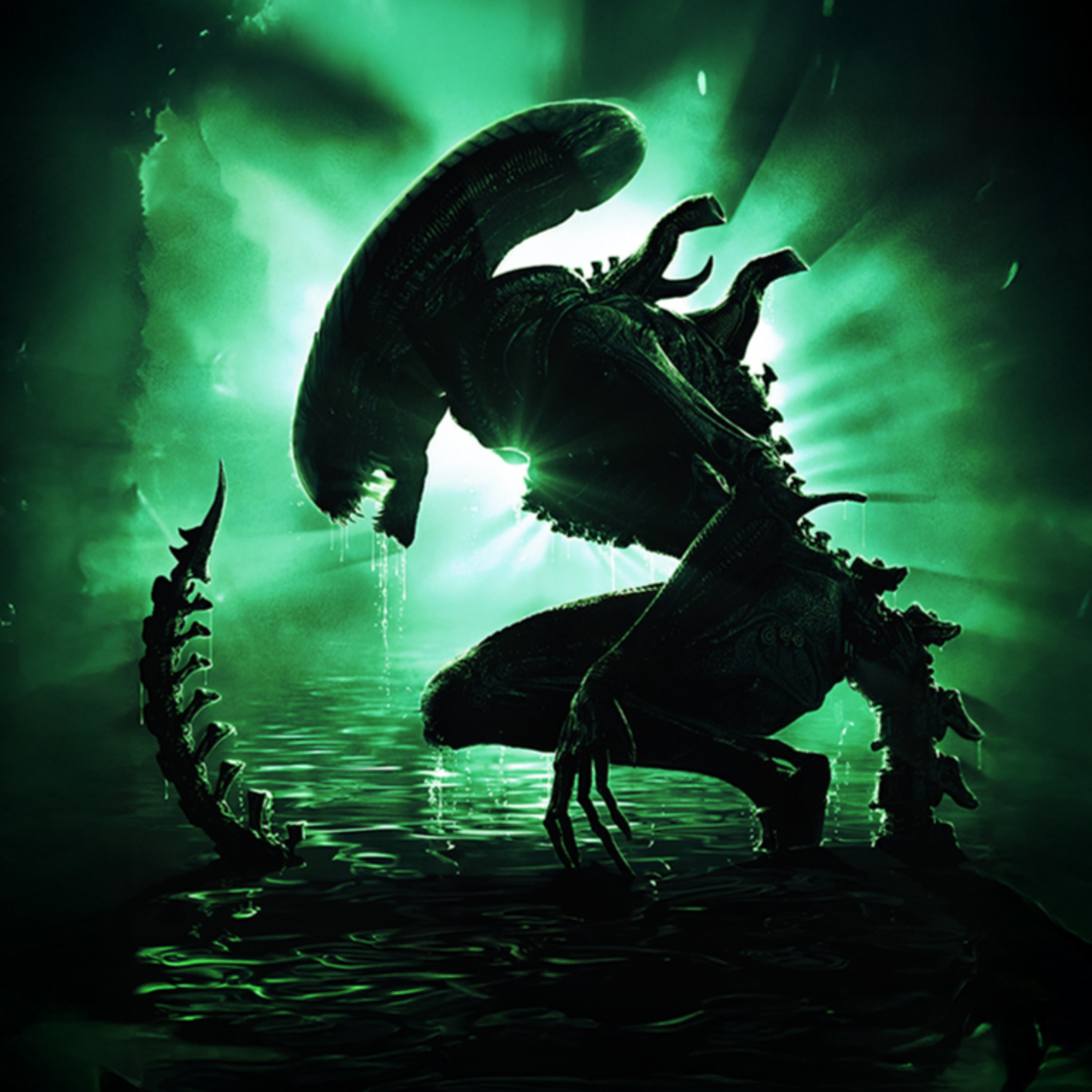
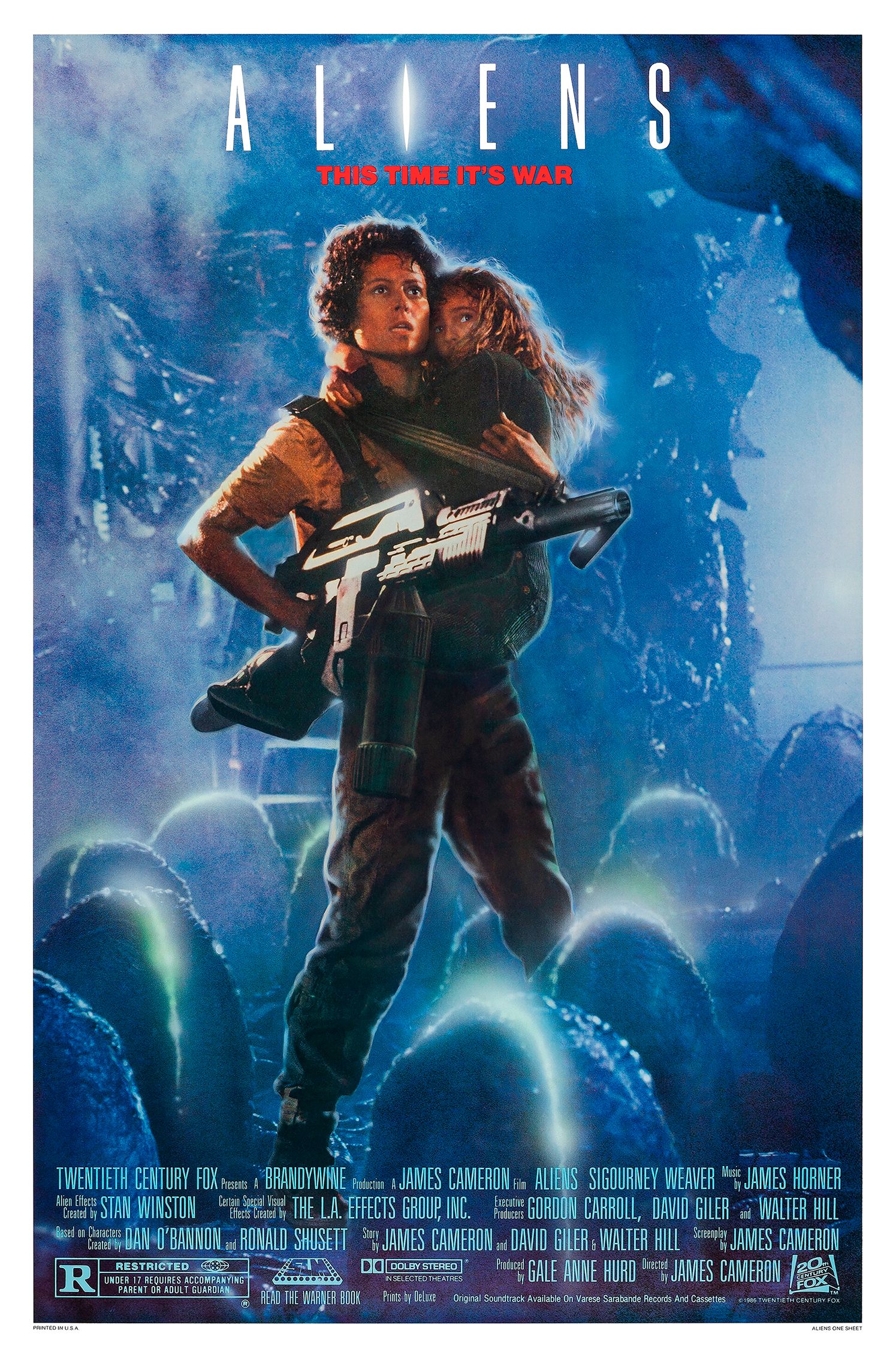
Spanning over four decades across multiple cinematic installments, television series, literature, and video games, the alien franchise centers on humanity's terrifying encounters with the Xenomorph—a parasitic, biomechanical apex predator—and the enduring survival of iconic protagonist Ellen Ripley, alongside the overarching machinations of the Weyland-Yutani Corporation.
The Alien franchise stands as one of the most influential pillars of science fiction and horror cinema. Since Ridley Scott's original 1979 masterpiece, the property has expanded into a sprawling multimedia universe that explores existential dread, corporate greed, artificial intelligence, and the fragility of human biology in deep space. Understanding the core timeline, recurring thematic motifs, and various narrative eras provides essential context for both longtime fans and new audiences exploring the saga.
The Cinematic Foundation: Establishing the Core Quadrilogy
The foundational era of the alien franchise consists of four films, each helmed by a distinct visionary director who brought a unique stylistic approach to the material. This core quadrilogy charts the harrowing journey of Ellen Ripley, played by Sigourney Weaver, as she repeatedly confronts the Xenomorph and the ruthless corporate entity that seeks to exploit it.
Ridley Scott’s Alien (1979) established the blueprint, functioning primarily as a haunted-house thriller set in deep space. The film introduced H.R. Giger’s biomechanical creature design, Dan O'Bannon’s claustrophobic screenplay, and a deliberate, atmospheric pace that maximized suspense. James Cameron shifted the genre paradigms with Aliens (1986), transforming the property into a high-octane tactical military action film while deepening the emotional core through Ripley’s maternal surrogate relationship with Newt.
David Fincher’s Alien 3 (1992) returned the narrative to a bleak, nihilistic survival horror framework, set within a desolate penal colony and famously killing off several major characters in its opening moments. Finally, Jean-Pierre Jeunet directed Alien Resurrection (1997), a stylistic, darkly comedic action film set two centuries after the original trilogy, utilizing cloning technology to resurrect Ripley alongside her biological adversary.
Expanding the Universe: Prequels, Crossovers, and Standalone Sequels
As the franchise matured, studios explored various avenues to expand the narrative universe beyond the traditional chronological sequence. These entries introduced new origin stories for the Xenomorphs and the engineers of human life, while also intersecting with other prominent intellectual properties.
Ridley Scott returned to the franchise to direct Prometheus (2012) and Alien: Covenant (2017). These prequel films examine the philosophical origins of humanity and the creation of the Xenomorph through the lens of android ambition, specifically highlighting the synthetic character David, portrayed by Michael Fassbender. Before these prequels, the franchise crossed over with Paul W.S. Anderson's Alien vs. Predator (2004) and its sequel Aliens vs. Predator: Requiem (2007), bringing two iconic Twentieth Century Fox creature features together in contemporary settings.
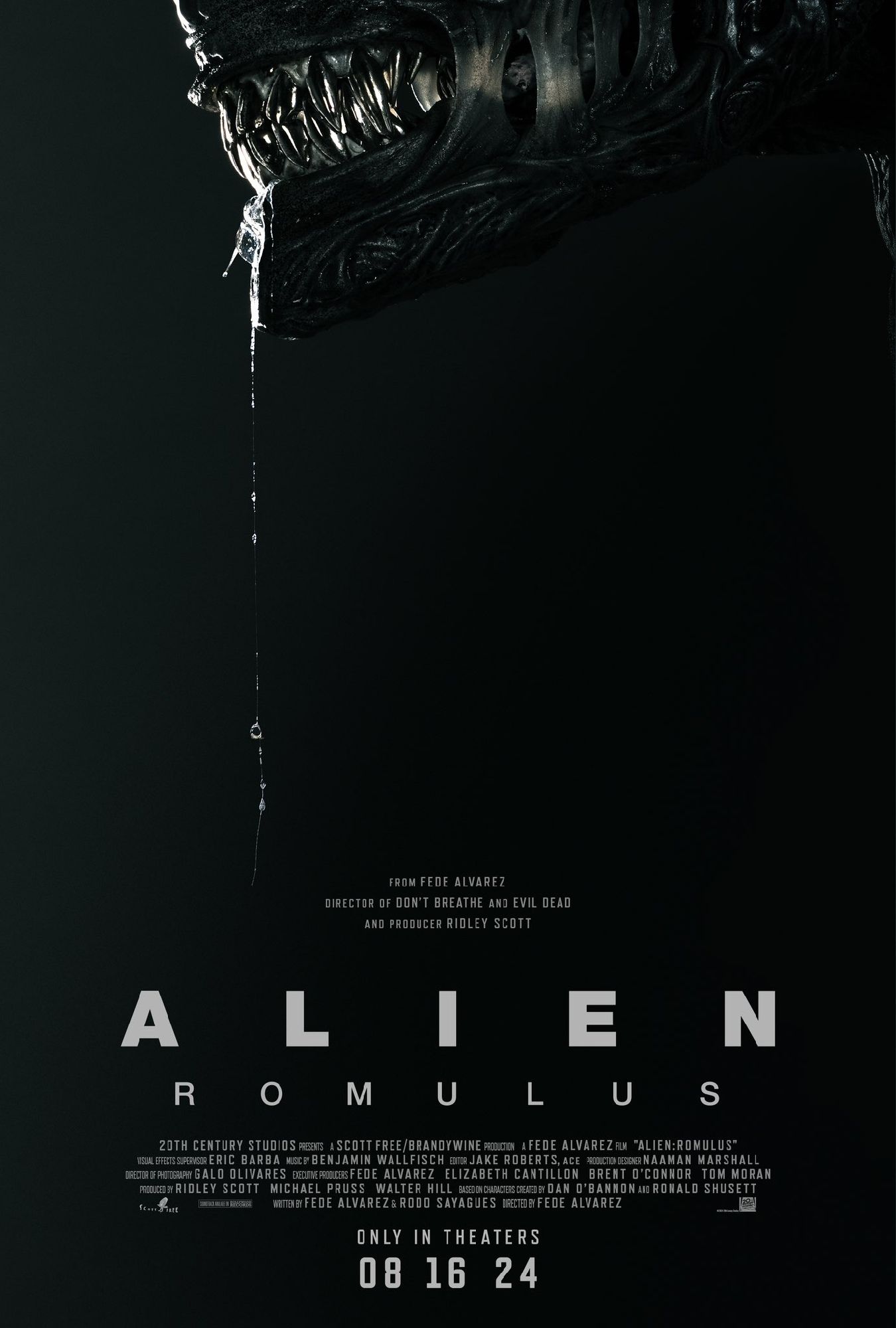
The property expanded further with Fede Álvarez's Alien: Romulus (2024), which bridged narrative gaps between the original 1979 film and its 1986 sequel, focusing on a younger crew of space colonists scavenging an abandoned corporate station. Additionally, television expanded the scope of the universe, notably with Noah Hawley's Alien: Earth series, which brings the lore to a terrestrial setting prior to the events of the original films.
Major Entries in the Alien Franchise
| Title | Release Year | Director | Primary Genre | Key Narrative Focus |
|---|---|---|---|---|
| Alien | 1979 | Ridley Scott | Sci-Fi Horror | Crew of the commercial tug Nostromo investigates a distress signal. |
| Aliens | 1986 | James Cameron | Sci-Fi Action | Colonial Marines investigate a silent terraforming colony. |
| Alien 3 | 1992 | David Fincher | Sci-Fi Survival | Ripley crash-lands on a high-security prison planet. |
| Alien Resurrection | 1997 | Jean-Pierre Jeunet | Sci-Fi Action | Cloned Ripley battles Xenomorphs aboard a military research ship. |
| Prometheus | 2012 | Ridley Scott | Sci-Fi Prequel | Scientists trace humanity's origins to a distant moon. |
| Alien: Covenant | 2017 | Ridley Scott | Sci-Fi Prequel | Colony ship stumbles upon a deserted world populated by android David. |
| Alien: Romulus | 2024 | Fede Álvarez | Sci-Fi Horror | Young scavengers encounter biological horrors on a derelict station. |
Core Themes and Philosophical Motifs
Beneath the visceral horror and creature-feature mechanics, the franchise consistently engages with several sophisticated philosophical and societal themes. These recurring elements elevate the series from standard monster cinema into a rich subject for academic and critical analysis.
Corporate exploitation serves as a primary antagonist across almost every installment. The Weyland-Yutani Corporation—often referred to simply as "The Company"—views human lives as expendable assets compared to the immense financial and military value of acquiring a biological weapon. This dynamic critiques unchecked capitalism and industrial ruthlessness.
Furthermore, biological horror and bodily autonomy form the visceral center of the narrative. The Xenomorph's life cycle, involving forced impregnation, chestbursting, and parasitic maturation, subverts human reproduction into a terrifying mechanism of propagation. Coupled with the philosophical exploration of artificial intelligence through characters like Ash, Bishop, Call, and David, the franchise continuously questions what it means to be human in a universe dominated by cold mechanics and biological determinism.
Multimedia Expansion: Literature, Comics, and Gaming
While cinema remains the primary engine of the alien franchise, its expansion into literature, comic books, and interactive video games has deeply enriched its fictional universe. These mediums have allowed creators to experiment with lore that traditional feature films cannot always accommodate.
Dark Horse Comics famously published decades of expanded universe stories starting in the late 1980s, establishing deep lore regarding the Xenomorph home world, military factions, and alternative survivor arcs. Concurrently, numerous authors have penned novelizations and original fiction exploring the exploits of Colonial Marines and corporate espionage agents.
In the interactive gaming space, the franchise achieved critical acclaim with titles like Alien: Isolation (2014) developed by Creative Assembly. This survival horror game captured the exact aesthetic and terrifying tension of Ridley Scott's original film, tasking players with evading a single, relentlessly adaptive Xenomorph on a doomed space station. Other titles, such as Aliens: Colonial Marines and Aliens: Fireteam Elite, leaned into cooperative tactical shooting mechanics inspired by James Cameron's sequel.
Frequently Asked Questions
What is the correct chronological order to watch the alien franchise?
The chronological timeline begins with Prometheus (2012), followed by Alien: Covenant (2017), Alien (1979), Alien: Romulus (2024), Aliens (1986), Alien 3 (1992), and Alien Resurrection (1997). This arrangement places the prequel era first before following the continuous survival narrative of Ellen Ripley and subsequent generational events.
Who created the Xenomorph design?
The iconic creature was designed by Swiss surrealist artist H.R. Giger. His distinct aesthetic combined organic biological forms with industrial mechanical textures, a style he termed "biomechanical," which heavily influenced the entire visual design of the original 1979 film.
Is Ellen Ripley in every movie in the franchise?
No. Sigourney Weaver stars as Ellen Ripley in the core quadrilogy (Alien, Aliens, Alien 3, and Alien Resurrection). She does not appear in the prequel films (Prometheus, Alien: Covenant), the crossover films (Alien vs. Predator), or recent additions like Alien: Romulus, which focus on entirely different casts of characters.
What is the Weyland-Yutani Corporation?
Weyland-Yutani is a fictional mega-corporation that dominates commerce, space exploration, and technology within the franchise universe. Throughout the series, the corporation consistently attempts to capture and domesticate the Xenomorph species for biological weaponry and corporate profit, regardless of the human cost.
How did Alien: Romulus fit into the established timeline?
Alien: Romulus takes place chronologically between the events of Alien (1979) and Aliens (1986). It follows a group of young space colonists who encounter the remains of the Weyland-Yutani research station Renaissance, confronting facehuggers and Xenomorphs while navigating the corporate fallout of the original film.
Strategic Next Steps for Fans and Researchers
To fully appreciate the scope of this legendary property, new viewers should begin with the 1979 theatrical cut of Alien to understand its atmospheric roots, followed immediately by Aliens for its masterclass in action direction. Enthusiasts seeking deeper lore can explore the expanded universe through Dark Horse comic collections or experience the atmospheric terror firsthand by playing Alien: Isolation. Analyzing the thematic shifts between directors offers a compelling study in how a single creature concept can successfully sustain diverse cinematic genres over decades.