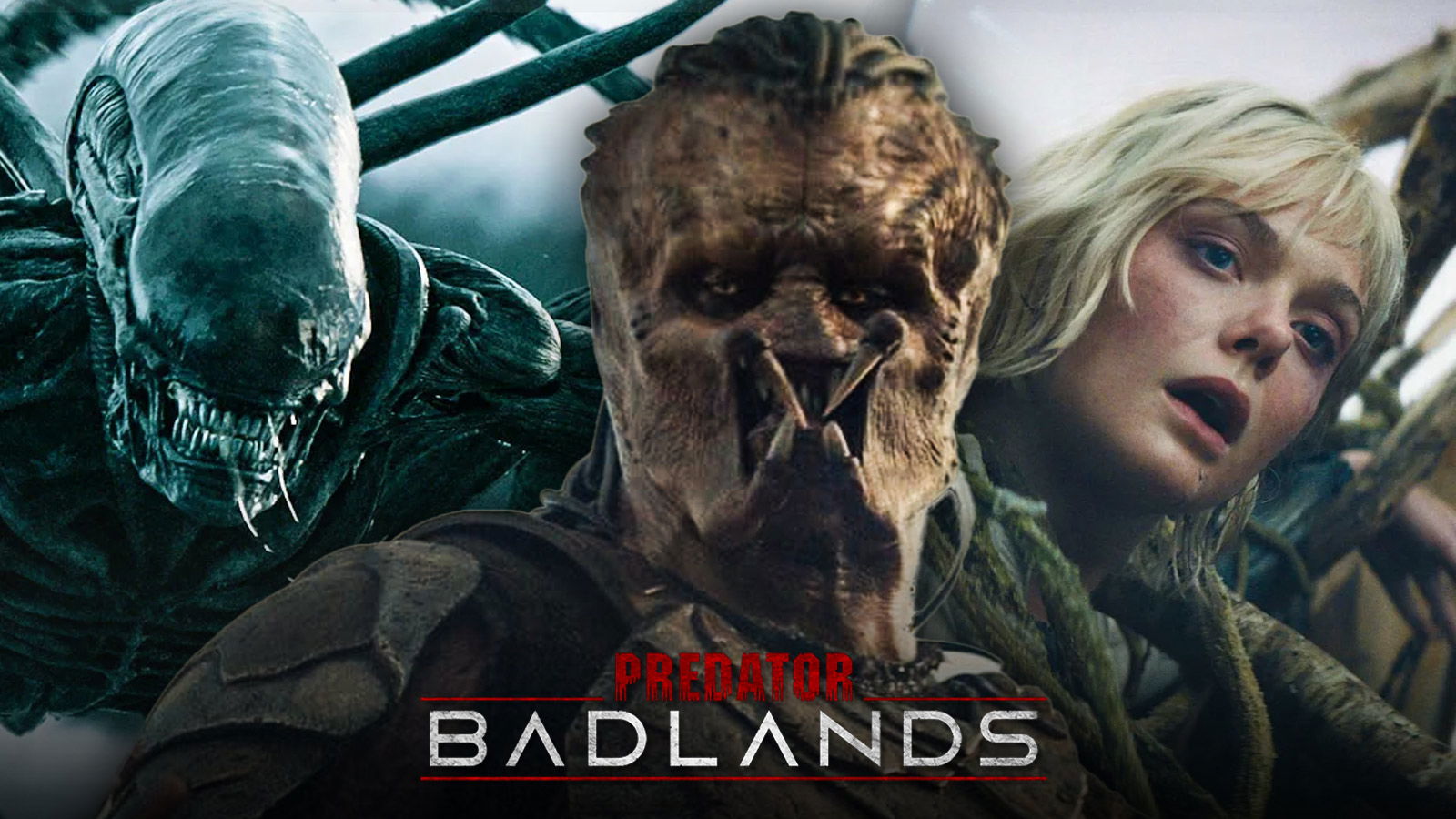
The alien badlands cast explore the mysterious world premise combines speculative world-building, ensemble character dynamics, and environmental storytelling to investigate unfamiliar terrains and cinematic survival themes. This guide examines the artistic execution, thematic depth, and production context defining these extraterrestrial landscapes.
Audiences looking into speculative fiction and science fiction television or film productions frequently encounter narratives where an ensemble cast navigates hostile, unmapped terrain. Understanding how these projects build tension, shape character arcs, and utilize physical or digital set design helps viewers appreciate the collaborative creative process behind science fiction world-building.
Understanding the Premise of Extraterrestrial Exploration
Speculative narratives set in rugged, unfamiliar environments rely heavily on the interaction between characters and their surroundings. When an ensemble cast steps onto an alien frontier, the landscape functions as an active antagonist rather than a passive backdrop. Writers and directors use these desolate settings to strip away societal comforts, forcing characters to confront internal conflicts and survival challenges.
The effectiveness of this storytelling approach depends on consistency in environmental rules. Whether the atmosphere involves toxic vapors, erratic weather patterns, or unfamiliar gravitational pulls, the cast must react in ways that maintain suspension of disbelief. Performers rely on physical acting choices—such as modified gauntlets, breathing apparatuses, and cautious navigation techniques—to sell the danger of the uncharted terrain to the audience.
Ensemble Dynamics in Hostile Environments
An ensemble cast in a survival-driven science fiction narrative typically represents diverse backgrounds, skill sets, and psychological profiles. This diversity allows writers to distribute exposition and problem-solving tasks logically among the characters. Scientists analyze strange flora and fauna, security personnel manage perimeter threats, and pragmatic leaders make difficult choices under pressure.
Interpersonal friction naturally arises when pressure mounts in an isolated environment. The cast's chemistry dictates whether viewers invest in the group's survival. Effective character writing ensures that disagreements stem from logical differences in perspective—such as prioritizing immediate safety over long-term discovery—rather than artificial conflict.
| Character Archetype | Primary Function | Narrative Tension Point |
|---|---|---|
| The Scientist | Analyzes anomalies and gathers environmental data | Prioritizes curiosity and discovery over personal safety |
| The Security Lead | Secures the perimeter and manages tactical threats | Views every unfamiliar element as an immediate hazard |
| The Pragmatist | Manages resources, rationing, and shelter logistics | Focuses on logistics and finite supplies over exploration |
| The Outsider | Provides an alternative perspective or hidden motive | Creates internal distrust and narrative unpredictability |
World-Building Techniques for Mysterious Terrains
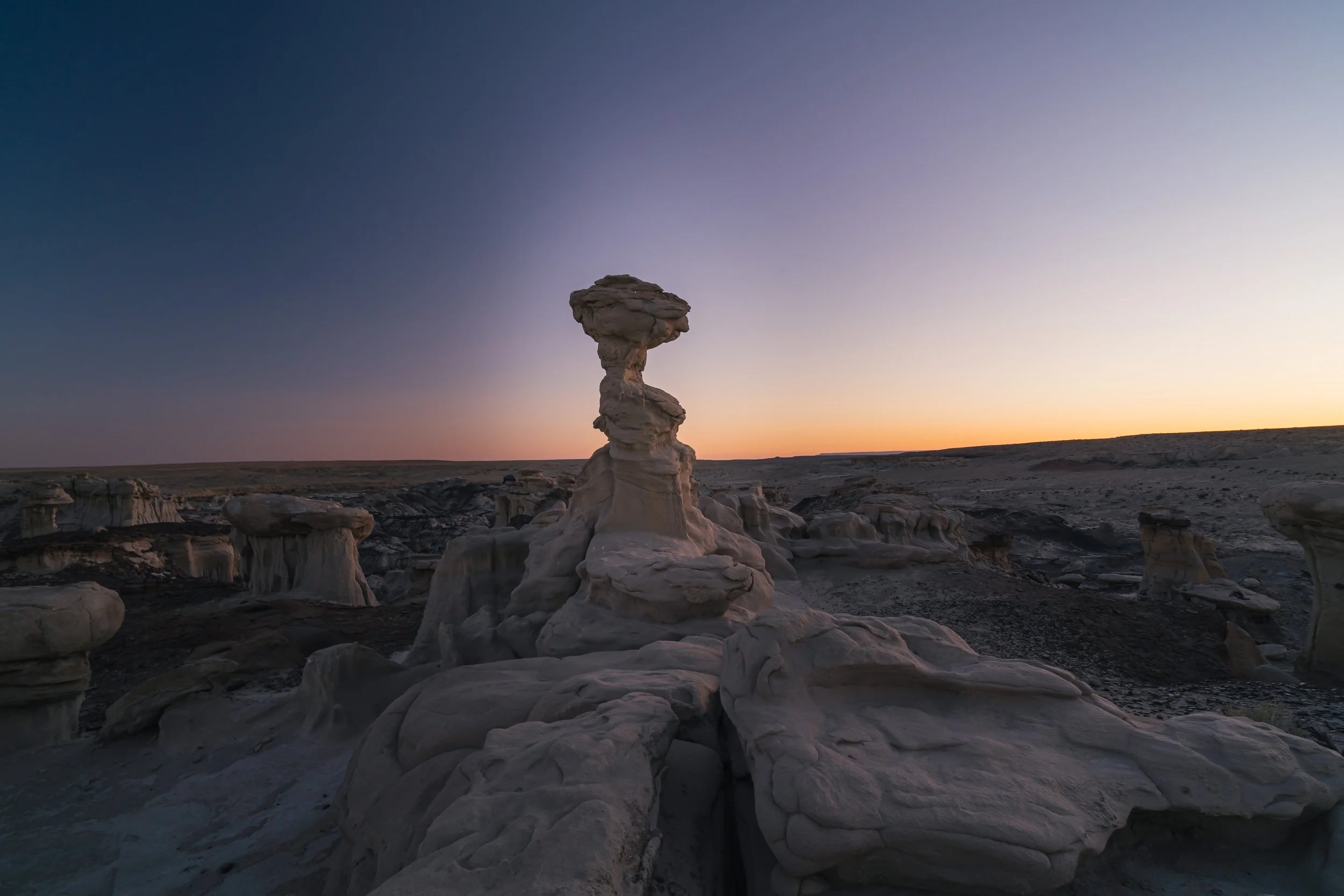
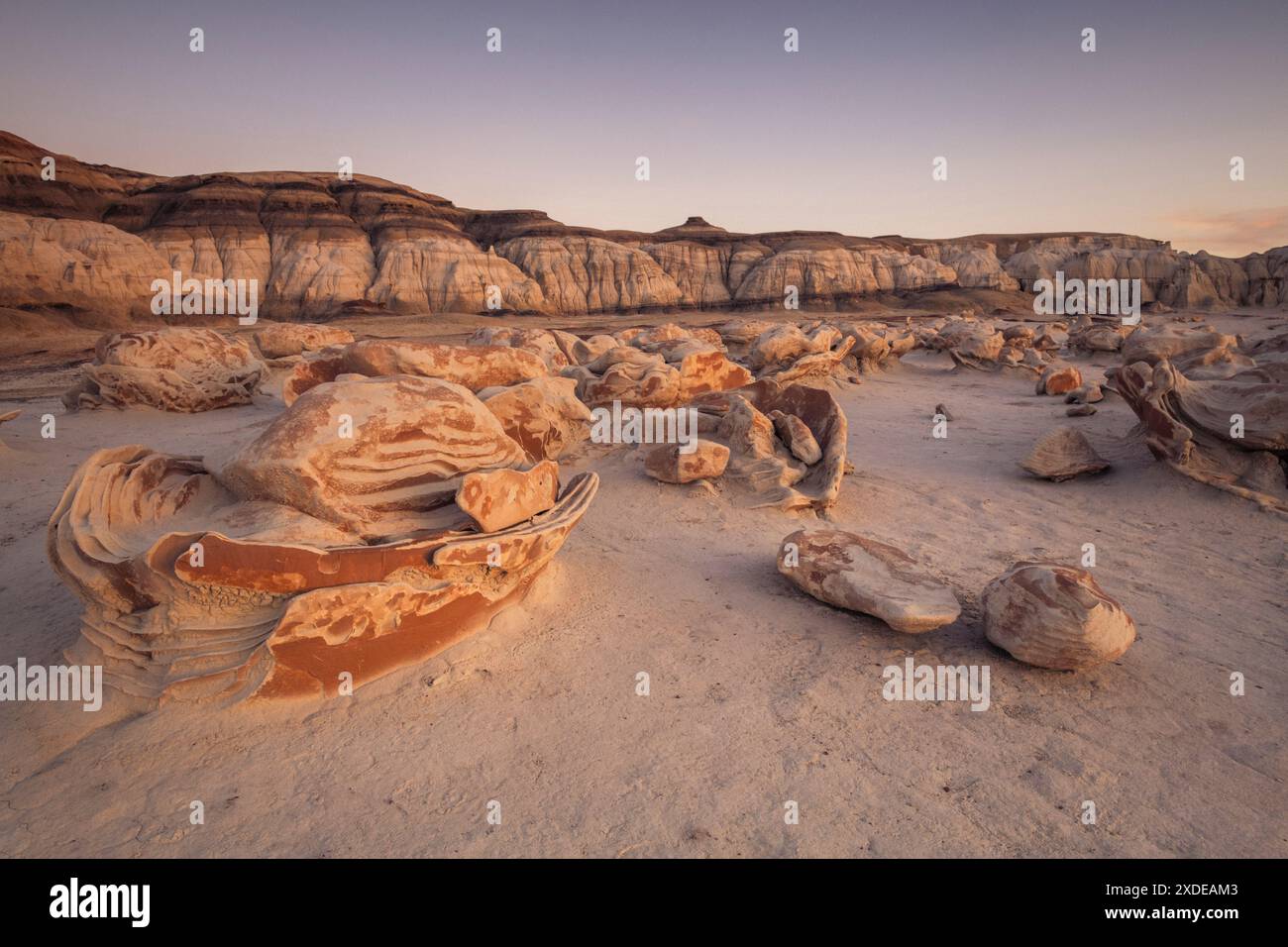
Creating a believable alien world requires careful integration of visual design, sound engineering, and practical or digital effects. Production designers often look to extreme terrestrial landscapes—such as volcanic calderas, salt flats, and hyper-arid deserts—to ground otherworldly locations in physical reality. These real-world textures provide performers with tangible surfaces to interact with, enhancing the authenticity of their performances.
Color palettes and atmospheric lighting further distinguish these environments from traditional terrestrial settings. Shifting star systems, bioluminescent flora, or unusual atmospheric scattering can cast unnatural hues across the landscape, altering how the cast's costumes and equipment appear on screen. Sound design reinforces these visual cues, layering low-frequency rumbles, strange echoes, and unearthly ambient wildlife to create an immersive auditory experience.
Practical Challenges of Production and Location Work
Filming narratives centered on rugged exploration presents significant logistical hurdles for the cast and crew. Production teams frequently operate in remote areas where weather extremes, difficult terrain, and limited infrastructure demand rigorous planning. Actors must perform physically demanding sequences while wearing specialized wardrobe items that can restrict movement or trap heat.
Safety protocols become paramount when utilizing practical locations or complex stunt choreography on uneven ground. Stunt coordinators and safety supervisors work closely with the director to ensure that the cast can execute physical scenes without compromising their well-being. Rehearsals focus heavily on spatial awareness, ensuring actors understand how to navigate hazardous set pieces safely while maintaining character focus.
Evaluating Performances in Speculative Settings
Critically assessing acting performances within science fiction and wilderness survival frameworks requires looking beyond standard dramatic metrics. Performers must maintain emotional authenticity while reacting to simulated elements, green screens, or stylized physical environments that will be enhanced in post-production. The ability to convey genuine awe, terror, or exhaustion without tangible physical stimuli demonstrates a high degree of technical skill.
Furthermore, ensemble cohesion shines during long-form narrative arcs where character relationships evolve. As trust is tested by environmental hazards, the nuances in vocal delivery, body language, and non-verbal communication reveal the underlying bonds forged within the group. These subtle acting choices elevate standard genre tropes into compelling human drama.
Frequently Asked Questions
What defines an ensemble cast in a survival science fiction setting?
An ensemble cast consists of multiple primary characters sharing equal narrative weight, each bringing distinct professional skills and psychological perspectives to a high-stakes survival situation. This structure allows the narrative to explore complex group dynamics and varied approaches to crisis management.
How do production teams simulate alien environments on screen?
Production teams combine practical location shooting in extreme terrestrial landscapes with custom set construction, specialized lighting, and digital visual effects. This hybrid approach gives actors physical textures to interact with while allowing filmmakers to introduce otherworldly atmospheric and geological features.
Why is physical acting important in speculative fiction?
Physical acting is crucial because performers often must react to elements that are added later through digital effects or implied by the script. Believable posture, breathing techniques, and cautious physical movement help convince the audience of the environment's hostility and danger.
What role does environmental storytelling play in character development?
Environmental storytelling uses the physical state of the characters' surroundings—such as ruined structures, geological anomalies, or shifting climates—to reveal history and raise stakes without relying entirely on exposition. Characters must adapt their behavior and strategies based on these environmental cues.
How are safety standards maintained during rugged outdoor shoots?
Production safety involves comprehensive terrain assessments, collaboration with professional stunt coordinators, medical personnel on standby, and specialized training for the cast regarding physical exertion, hydration, and safe navigation of hazardous locations.
Strategic Next Steps for Genre Enthusiasts
For viewers and creators interested in exploring these narrative frameworks further, focusing on foundational screenwriting texts and behind-the-scenes production documentaries offers valuable insight. Analyzing how professional writers structure ensemble interactions within confined or hostile settings provides a practical blueprint for developing original speculative stories. Pay close attention to environmental design choices and character pacing in contemporary science fiction media to refine your appreciation of modern world-building techniques.