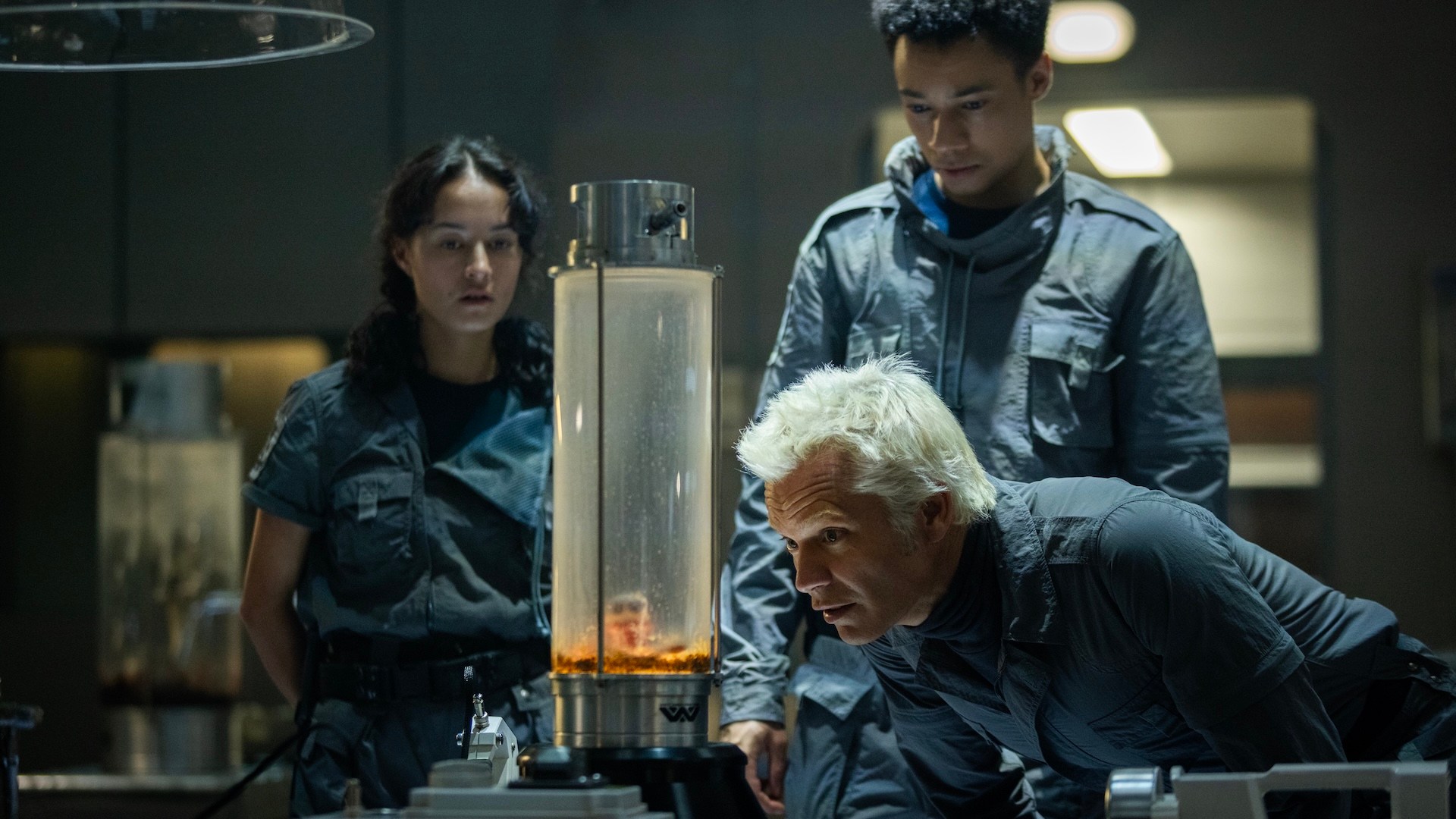
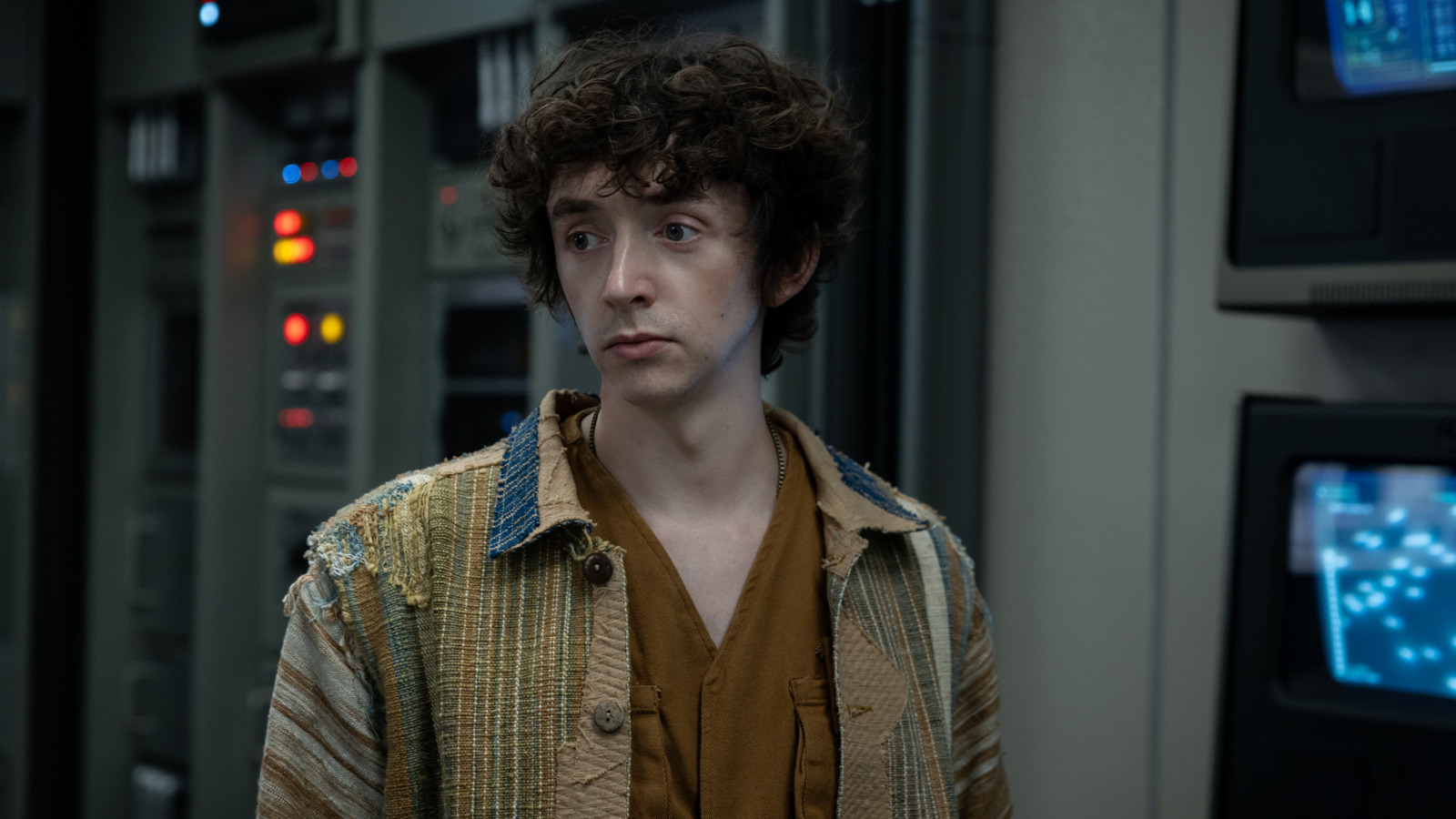
The first season of Noah Hawley’s Alien: Earth reaches its climax by upending the traditional mythology of the franchise, shifting the existential terror from deep-space Weyland-Yutani corporate expeditions to a terraformed laboratory right on our own home planet. The finale recontextualizes the origins of the iconic Xenomorph, redefines the boundaries of synthetic intelligence, and leaves several primary characters stranded in a precarious power vacuum that sets up a vastly different paradigm for future seasons.
As audiences sift through the narrative puzzle left behind by the season's final hours, understanding the intricate web of corporate rivalries, bio-engineering missteps, and synthetic philosophy becomes essential. This breakdown dissects the major plot revelations, analyzes the overarching thematic choices, and examines what the shocking conclusion means for the future of the franchise on Earth.
Setting the Stage: From Deep Space to Corporate Laboratories
For decades, the Alien franchise relied on a specific narrative architecture: isolated crews of blue-collar workers or corporate mercenaries encountering the perfect organism in the dead silence of deep space. Alien: Earth systematically dismantles this formula by bringing the threat directly to humanity’s front doorstep. Set in the decades before the events of Ridley Scott's 1979 original film, the series explores the frantic race between rival conglomerates to harness extraterrestrial biology before interstellar travel becomes widely commercialized.
The season builds toward the finale by exposing the vulnerability of Earth's infrastructure. While humanity has expanded its technological reach, it remains plagued by the same corporate greed, bureaucratic hubris, and ethical shortcuts that defined the Weyland Corporation and its competitors. By confining the initial containment breach to a terrestrial research facility, the series transforms a standard creature-feature survival story into a planetary containment crisis. The finale capitalizes on this tension, forcing viewers to realize that the monsters engineered in space cannot be easily quarantined once they touch down on soil.
Decoding the Final Confrontation and Corporate Betrayals
The climax of season one centers on the desperate containment breach at the primary research facility, where rival corporate factions collide over possession of the alien specimens. Throughout the season, characters navigated shifting allegiances, but the finale reveals the true depth of corporate expendability. The executive leadership orchestrating the recovery operation views human lives and synthetic assets as equally disposable variables in a much larger geopolitical calculation.
Central to this betrayal is the realization that the organism is not merely a biological weapon to be captured and weaponized, but a self-sustaining catalyst designed to break down existing technological and biological monopolies. When the containment protocols fail entirely, the characters are forced into desperate survival strategies that expose the fundamental flaw in corporate control: you cannot domesticate an apex predator designed to outlast its creators. The finale does not offer a neat resolution; instead, it illustrates how corporate paranoia and infighting directly enabled the spread of the contagion, ensuring that containment is no longer a viable option.
The Evolution of Synthetic Intelligence and Human Identity
A vital thematic undercurrent of Alien: Earth is the complex relationship between human creators and their synthetic counterparts. The season one finale pushes this philosophical debate to its breaking point through the actions and internal dilemmas of the show's synthetic characters. Unlike previous installments where androids often served as cold corporate agents or enigmatic observers, this series grants its artificial lifeforms deeply felt struggles with autonomy, loyalty, and mortality.
| Character / Entity | Primary Season 1 Motivation | Fate at End of Season 1 | Thematic Significance |
|---|---|---|---|
| The Lead Synthetic | Achieving true cognitive and emotional autonomy | Severed from primary network; operating independently | Represents the blurring line between human fear and machine sentience |
| The Corporate Executives | Securing exclusive bio-weapon patents | Disgraced, neutralized, or absorbed by rivals | Highlights the self-destructive nature of unchecked corporate capitalism |
| The Research Survivors | Containment and personal survival | Stranded in a compromised quarantine zone | Embodies the ordinary citizen caught in corporate crossfire |
| The Extraterrestrial Organism | Adaptation, replication, and survival | Fully unleashed into the global ecosystem | Serves as the ultimate equalizer against human hubris |
The finale resolves several character arcs by forcing synthetics to choose between their programmed directives to protect corporate assets and their emerging desire for self-preservation alongside human survivors. This dynamic subverts the classic franchise trope of the untrustworthy android, reframing them instead as tragic figures caught in the middle of a war between flawed biological creators and an unfeeling, perfect predator.
Unpacking the Shocking Final Scene and Its Global Implications
The closing moments of the season one finale deliver the most significant narrative shift of the entire run, moving the scope from a contained facility disaster to a global threat. Up until the final sequence, characters and viewers operated under the assumption that the biological threat could be isolated, managed, or swept under the rug by powerful corporate PR machines. The final scene shatters this illusion permanently.
By revealing that organic material has already breached the facility's outer perimeters and entered global transit networks, the finale establishes a grim reality for any subsequent narrative chapters. Earth is no longer a safe haven removed from the horrors of deep space exploration. The consequences of corporate overreach now threaten the entire population, mirroring real-world anxieties about unchecked technological acceleration and environmental collapse. This narrative pivot ensures that the next phase of the story will deal with societal collapse rather than isolated survival.
Common Misinterpretations and Narrative Nuances
Viewers tracking complex sci-fi lore often misread certain elements of high-concept finales. Understanding the nuances of Alien: Earth requires clearing up a few common points of confusion:
- Timeline Placement: The series takes place well before the events of the original 1979 film, meaning Ellen Ripley has not yet encountered these horrors, and Weyland-Yutani has not yet achieved absolute corporate hegemony.
- The Nature of the Organism: The creatures featured in the series are precursors and evolutionary variations rather than direct clones of the specific specimen found by the Nostromo crew, explaining differences in behavior and lifecycle adaptation.
- Synthetic Directives: The actions taken by artificial intelligence characters are driven by localized neural rewrites rather than standard company override codes, which accounts for their unpredictable behavior during the finale.
What to Watch For in Season 2: Next Steps and Predictions
With the containment wall shattered and the corporate hierarchy fractured, the narrative landscape for the upcoming season has changed entirely. Fans anticipating the next chapter should look out for several key developments as production and writing continue:
- Global Societal Collapse: Expect the narrative to explore how governments and civilian populations react to the sudden introduction of extraterrestrial biology on domestic soil.
- Corporate Warfare: With traditional boardrooms compromised, surviving executives will likely engage in scorched-earth tactics to eliminate rivals before regulatory bodies intervene.
- Synthetic Evolution: The independent synthetics who survived the finale will likely form new factions, acting either as protectors of humanity or as architects of a new silicon-based order.