Alien film analysis involves examining science fiction cinema through thematic, visual, and narrative frameworks to decode how films about extraterrestrial life reflect human anxieties, sociopolitical contexts, and existential philosophies. By dissecting directorial choices, visual effects, sound design, and scriptwriting, critics and scholars uncover the deeper layers of meaning embedded within classic and contemporary motion pictures about the unknown.
Foundational Frameworks in Extraterrestrial Cinema
The examination of extraterrestrial motion pictures requires a structured approach that extends beyond simple plot summaries or box-office evaluations. At its core, cinematic deconstruction of this genre relies on several distinct critical lenses, each revealing different facets of how filmmakers communicate with audiences. A robust alien film analysis typically incorporates formalist, psychoanalytic, sociological, and genre-evolutionary methodologies to map out a picture's true significance.
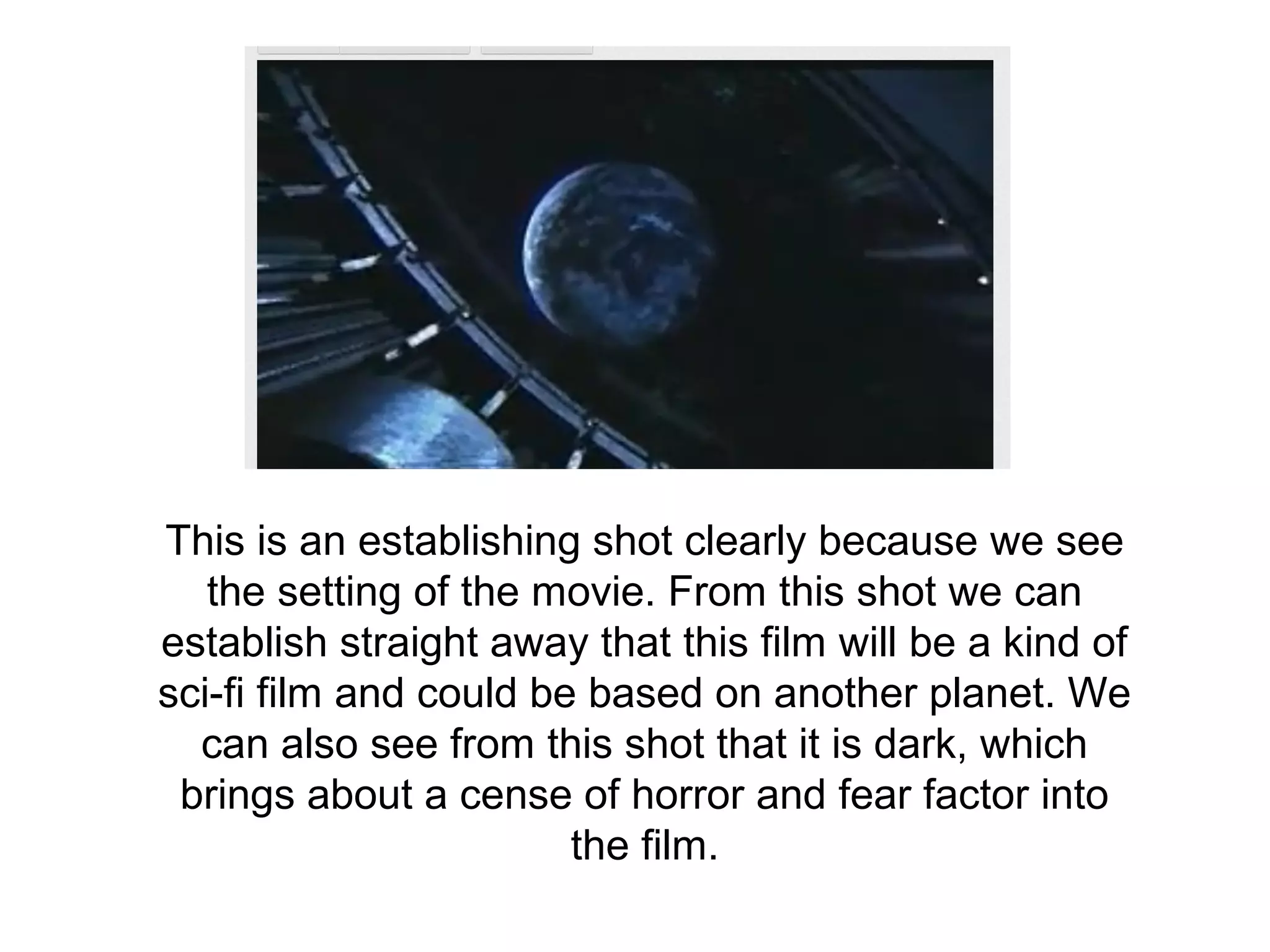
Formalist analysis focuses on the technical grammar of film—how lighting, framing, editing, and sound design construct atmosphere and emotional resonance. In motion pictures featuring non-human entities, formal choices dictate whether an extraterrestrial presence feels terrifyingly unknowable or wondrously approachable. For instance, low-key lighting and claustrophobic framing establish immediate dread, whereas expansive master shots and orchestral swelling evoke awe.
Simultaneously, sociological and historical criticism places these narratives within the temporal context of their release. Extraterrestrial stories frequently act as cultural barometers. The fears manifested on screen mirror the collective anxieties of the era, ranging from Cold War nuclear paranoia and political infiltration to modern concerns over corporate overreach, technological singularity, and environmental collapse. Understanding these foundational frameworks ensures that scholarly or critical writing moves past surface-level entertainment value into rigorous intellectual exploration.
The Evolution of Extraterrestrial Tropes Across Decades
The cinematic depiction of life beyond Earth has undergone a radical transformation since the inception of narrative filmmaking. Early silent experiments and mid-century creature features often treated space visitors as straightforward antagonists or literal manifestations of foreign threats. These historical phases established the bedrock vocabulary of the genre, though subsequent decades systematically subverted and expanded upon those initial archetypes.
During the atomic anxieties of the 1950s, motion pictures frequently deployed space invaders as allegories for ideological subversion, encapsulating fears of foreign espionage and societal collapse. By the late 1970s and 1980s, the paradigm shifted toward body horror, industrial realism, and cosmic dread. Instead of sleek ray guns and metallic saucers, narratives introduced organic, parasitic monstrosities and cold, hyper-capitalist corporate conglomerates that viewed biological specimens as expendable commodities.
| Era / Decade | Dominant Narrative Archetype | Primary Societal Reflection | Representative Technique or Style |
|---|---|---|---|
| 1950s | The Subversive Invader | Cold War paranoia, geopolitical fear | High-contrast black-and-white, practical suits |
| 1979–1986 | The Cosmic Predator & Corporate Threat | Industrial alienation, body horror | Industrial set design, slime, claustrophobic pacing |
| 1990s–2000s | The Benevolent Guide or Global Annihilation | Technological acceleration, globalization | Early CGI integration, epic ensemble casts |
| 2010s–Present | The Unknowable Phenomenon | Existential uncertainty, ecological dread | Minimalist soundscapes, philosophical ambiguity |
As the medium entered the twenty-first century, storytelling shifted once more toward existential ambiguity. Contemporary directors increasingly abandon the traditional "monster hunt" or "war of the worlds" structure in favor of examining communication barriers, temporal mechanics, and the sheer incomprehensibility of advanced intelligence. This evolutionary trajectory demonstrates that cinematic extraterrestrial encounters are ultimately projections of humanity's internal struggles rather than accurate predictions of interstellar biology.
Narrative Mechanics and Visual Storytelling Techniques
Analyzing how a motion picture constructs its narrative around an otherworldly presence involves close scrutiny of pacing, exposition withholding, and perspective. The most enduring features within the genre utilize strategic visual concealment, adhering to the classic principle that what remains unseen often generates more psychological impact than explicit creature reveals.
The Role of Atmospheric World-Building
World-building in this genre extends far beyond alien planets or futuristic starships; it encompasses the systemic rules governing how humans interact with the unfamiliar. Effective spatial design utilizes industrial decay, sterile laboratory aesthetics, or desolate natural landscapes to reinforce isolation. By grounding fantastical elements in tactile, weathered textures, filmmakers establish a sense of lived-in reality that makes the introduction of an anomalous biological entity far more jarring and impactful.
Sound Design and Psychological Conditioning
Audio engineering serves as an invisible anchor for alien narratives. Composers and sound designers manipulate frequencies, incorporate unconventional instrumentation, and utilize silence as a tactical weapon. A sudden absence of ambient noise or the inclusion of low-frequency drones forces viewers into a state of heightened alertness, mirroring the vulnerability of the characters on screen. Deconstructing these audio cues reveals how anticipation is manufactured long before any visual threat appears on screen.
Socio-Political Allegory and Cultural Reflection
Every major cinematic encounter with an extraterrestrial intelligence functions as a mirror reflecting contemporary human dilemmas. When an outside force disrupts human society on screen, the resulting chaos exposes institutional fragility, ethical compromises, and tribalism. Consequently, scholarly critique frequently examines how these narratives interrogate race, immigration, imperialism, and the ethics of first contact.
- Colonialist Subversion: Many narratives invert historical terrestrial colonialism, casting humanity as the indigenous population facing an overwhelmingly advanced imperial force, or conversely, as the destructive colonizer exploiting foreign ecosystems.
- The Other as Mirror: Extraterrestrial entities often represent marginalized human populations, allowing filmmakers to explore xenophobia, societal exclusion, and the psychological defense mechanisms triggered by cultural unfamiliarity.
- Scientific Hubris: Narratives frequently critique unchecked technological advancement, warning against the hubris of seeking dominion over forces that surpass human comprehension.
Methodologies for Conducting a Professional Screen Critique
For researchers, screenwriters, and film critics aiming to produce a rigorous evaluation, adopting a systematic methodology prevents superficial conclusions. A complete evaluation requires separating personal aesthetic preference from structural critique, ensuring that every claim about a film's thematic resonance is backed by specific cinematic evidence from the runtime.
- Initial Viewing and Structural Mapping: Watch the motion picture without interruption, noting emotional beats, shifts in tone, pacing anomalies, and major narrative turning points.
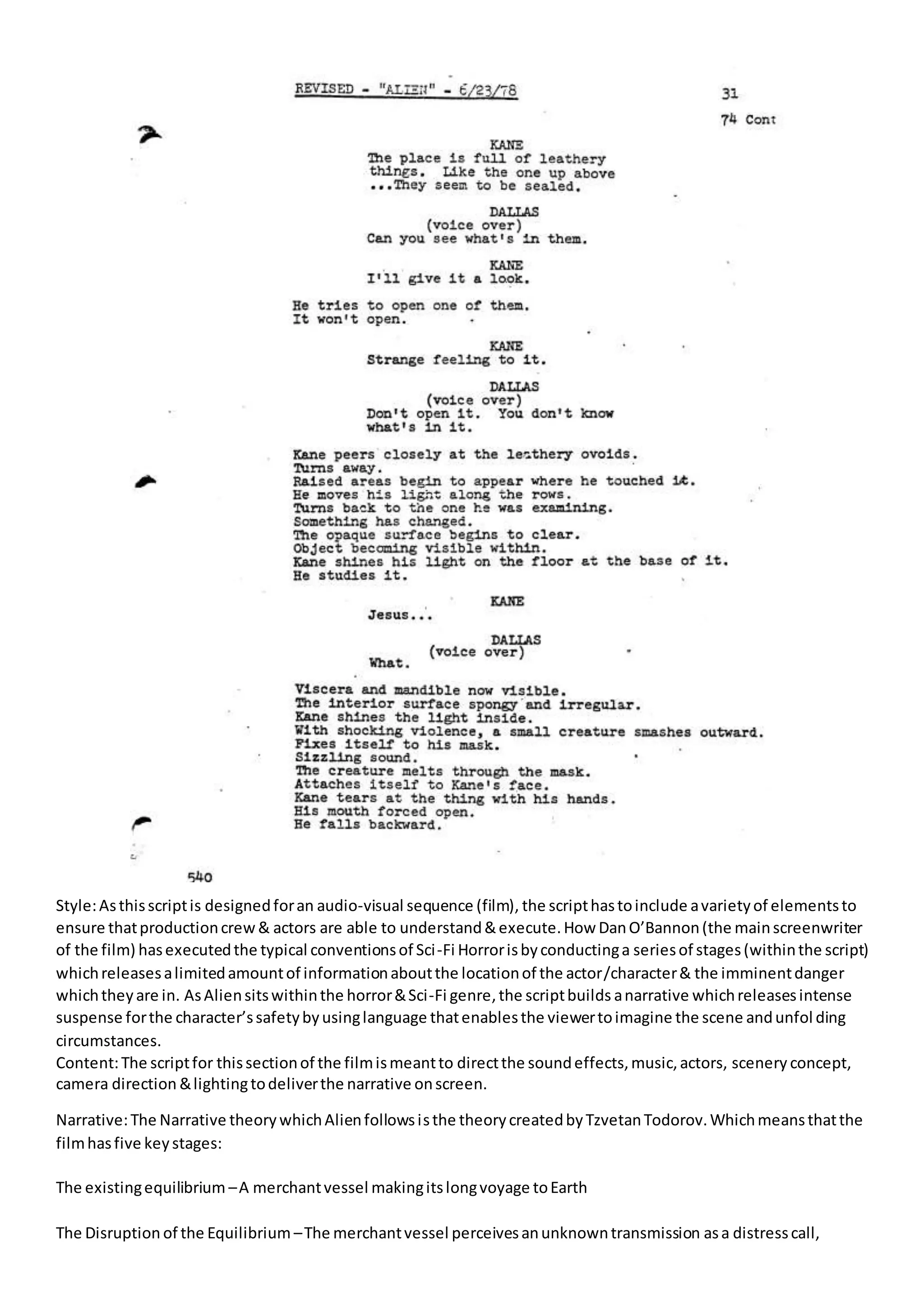
- Formal Breakdown: Analyze specific sequences to evaluate how cinematography, editing rhythms, and lighting choices reinforce or contradict the spoken script.
- Thematic Synthesis: Connect the formal and narrative observations to broader cultural, historical, or philosophical contexts, identifying the primary argument the motion picture makes about its central subject.
- Comparative Contextualization: Position the work within its specific subgenre and historical moment, noting whether it innovates upon established tropes or merely replicates them.
Frequently Asked Questions
What is the primary objective of alien film analysis?
The primary objective is to decode how science fiction cinema uses extraterrestrial elements as metaphors for human psychology, societal anxieties, and philosophical questions, looking past surface-level genre tropes to examine underlying artistic and cultural meanings.
How do historical contexts influence extraterrestrial narratives?
Historical contexts shape these narratives by infusing them with contemporary fears. For instance, mid-century productions reflected political paranoia, while modern features frequently address ecological crises, corporate surveillance, and the ethics of technological expansion.
Why is sound design crucial in evaluating suspenseful sci-fi cinema?
Sound design dictates psychological tension by manipulating audience expectations through silence, atmospheric drones, and subtle audio cues, often signaling danger or alien presence before any visual confirmation occurs.
What distinguishes a formalist approach from a sociological approach?
A formalist approach concentrates on the technical mechanics of filmmaking, such as framing, lighting, and editing. In contrast, a sociological approach examines how the motion picture reflects the cultural norms, values, and historical anxieties of its release period.
Can historical creature features be analyzed using modern critical frameworks?
Yes, historical features can be re-evaluated through modern critical lenses, such as post-colonial theory or ecocriticism, uncovering new layers of meaning that may not have been explicitly intended by the original creators.
Advancing Your Critical Practice
To deepen your expertise in cinematic deconstruction, commit to studying films across diverse eras and international markets rather than focusing solely on Hollywood blockbusters. Pay close attention to how independent and international directors subvert genre expectations through minimalist storytelling and alternative philosophical frameworks. By maintaining a disciplined approach to formal observation and historical context, your evaluations will consistently uncover the complex artistic architecture hidden beneath the surface of genre cinema.