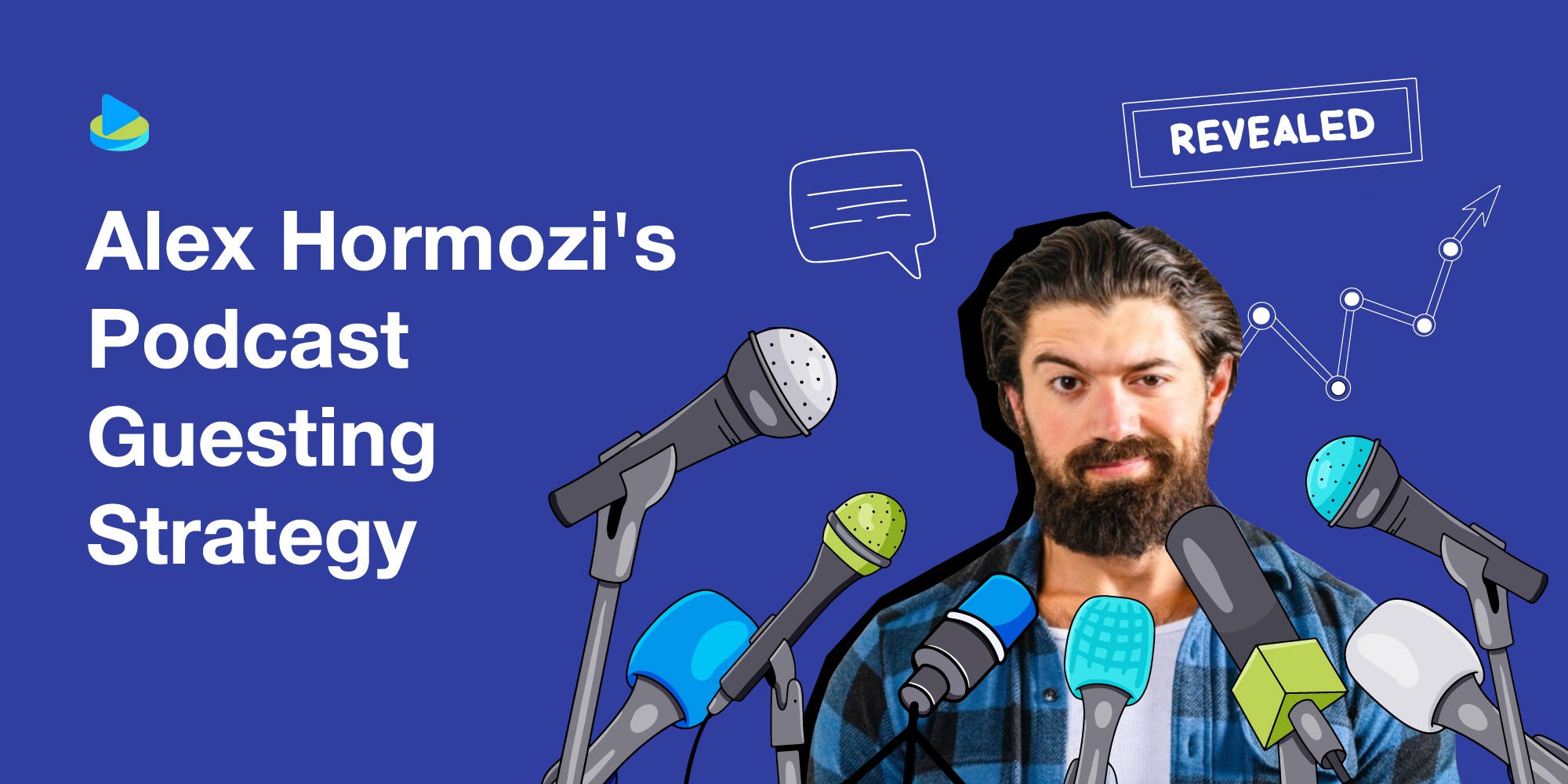
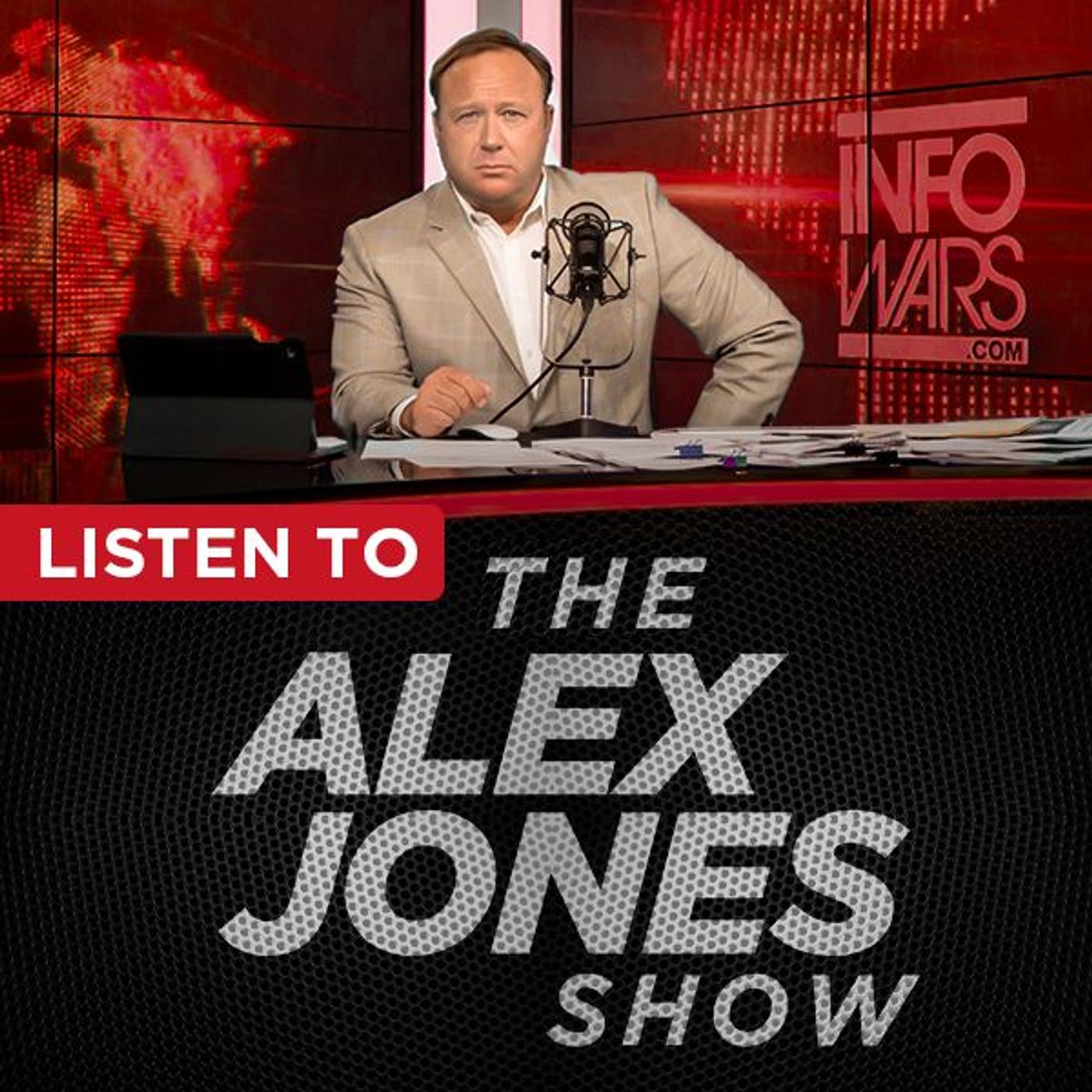
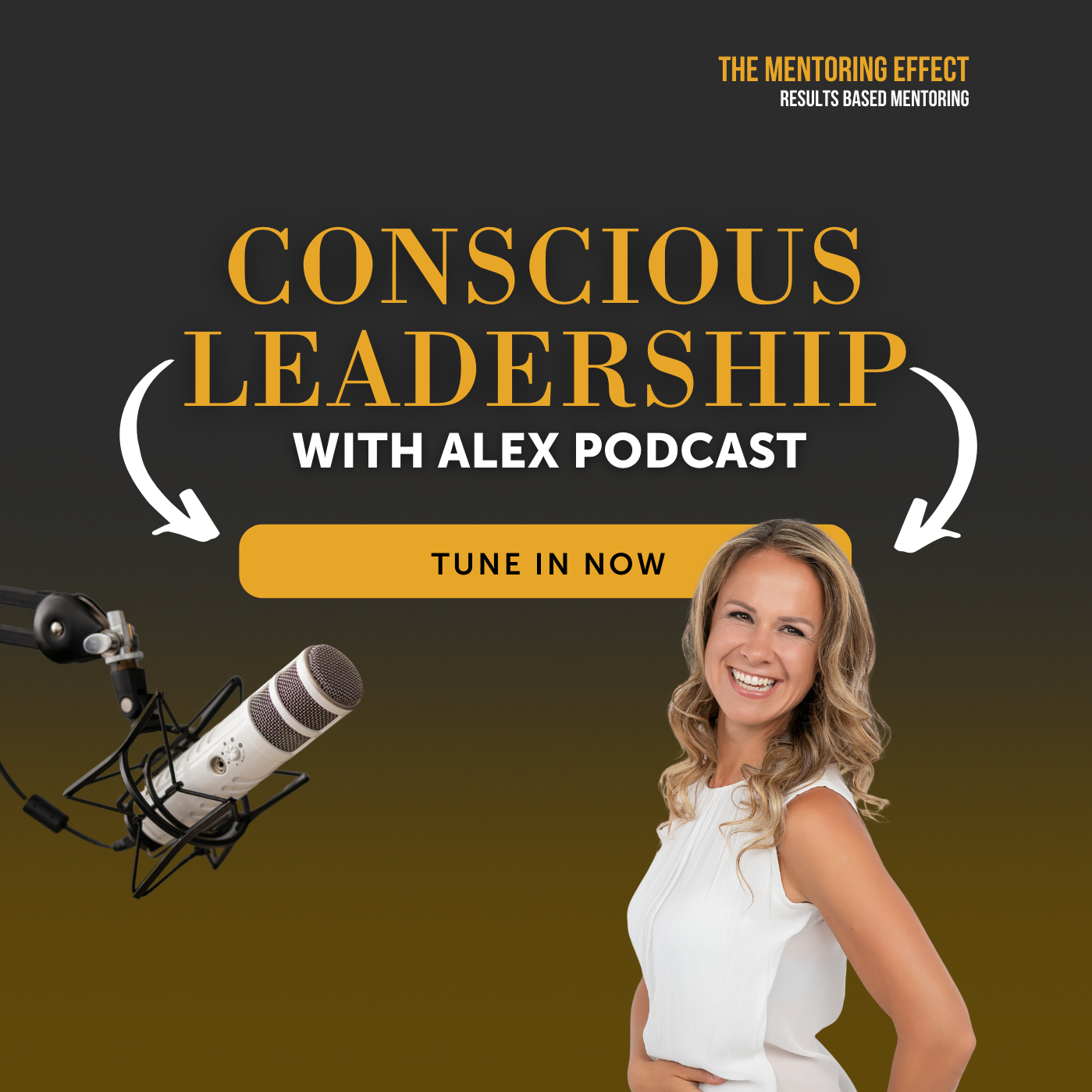
The "Alex Podcast" refers to a diverse collection of audio programs hosted by individuals named Alex, ranging from high-profile investigative journalism and technology commentary to niche personal development and independent storytelling. Because the name is common, listeners seeking specific content must use platform-specific identifiers, host surnames, or categorical tags to isolate the intended production from the vast array of available broadcasts.
Understanding the Landscape of Podcasts Named Alex
The prevalence of the name Alex in the podcasting industry stems from its status as a widely used, gender-neutral moniker. When you search for "Alex podcast," you are not interacting with a single, unified brand, but rather thousands of independent projects. These projects exist across major distribution platforms, including Spotify, Apple Podcasts, and Amazon Music.
To identify the correct program, it is essential to look beyond the first name. Most professional-grade podcasts are indexed by their full title, such as "The Alex Jones Show," "Alex Cooper’s Call Her Daddy," or technical podcasts hosted by industry professionals like Alex Wilhelm. Understanding this taxonomy is the first step in successful navigation. Without a surname or a specific thematic descriptor, discovery algorithms will default to the most streamed content within your geographic region, which may not be the specific expert or creator you intend to find.
Criteria for Evaluating Podcast Quality
Regardless of the host’s name, evaluating a podcast involves several standardized metrics. In 2026, the barrier to entry for podcasting remains low, resulting in a market saturated with varying levels of production quality and editorial rigor. Before committing to a subscription or a long-form listening series, consider the following technical and creative indicators:
- Production Fidelity: Check for consistent audio levels, the absence of excessive background noise, and the use of high-quality microphones. Professional-grade podcasts minimize editing artifacts like abrupt cuts or jarring volume transitions.
- Editorial Consistency: Determine if the host maintains a regular release schedule. A podcast that lacks a cadence—or one that features erratic, unannounced gaps in episodes—is often less reliable as a source of information.
- Source Transparency: For podcasts focusing on news, technical analysis, or educational content, verify if the host cites primary sources, provides show notes with references, or discloses potential conflicts of interest.
- Engagement Model: Determine if the show is primarily a monologue, an interview-style production, or a conversational roundtable. This structure significantly impacts the listener’s experience and the depth of information provided.
Comparing Popular Podcast Formats
The following table provides a snapshot of how different categories of podcasts operate, allowing you to determine which type of "Alex" production aligns with your interests.
| Feature | Interview-Style | Investigative/Narrative | Educational/Technical |
|---|---|---|---|
| Host Role | Facilitator | Storyteller/Journalist | Subject-Matter Expert |
| Structure | Unscripted/Flowing | Heavily Edited/Scripted | Structured/Segmented |
| Frequency | High (Weekly/Daily) | Low (Seasonal) | Medium (Weekly) |
| Primary Goal | Personality Profiling | Deep-Dive Reporting | Skill Acquisition |
Prerequisites for Optimal Listening
To fully engage with high-quality podcasting, listeners should ensure they have the appropriate infrastructure. While basic smartphone speakers are sufficient for casual listening, they may fail to capture the nuance of complex sound design or detailed technical discussions.
For those engaging with long-form analytical content, a high-quality pair of headphones with a flat frequency response is recommended. This allows for better clarity in mid-range frequencies where human speech resides. Furthermore, users should utilize podcast-specific applications that support "trim silence" features and variable playback speeds, which can assist in efficient information consumption without sacrificing comprehension.
Managing Subscriptions and Discoverability
With the proliferation of AI-driven recommendation engines in 2026, discovering specific podcasts has become both easier and more opaque. If you are struggling to find a particular "Alex" podcast, leverage the following technical search strategies:
- Use Boolean Operators: When searching on platforms like Apple Podcasts, use quotes to lock in the name, such as "Alex" + "Technology" or "Alex" + "History."
- Filter by RSS Feed: Many independent creators publish their own RSS (Really Simple Syndication) feeds. If a podcast is not appearing in a major app, the creator's official website will often provide a direct link to the XML file, which can be manually added to any podcast client.
- Cross-Reference Social Presence: Most prominent podcasters link their show to professional profiles on platforms like LinkedIn or X (formerly Twitter). Checking these verified accounts is the most reliable way to ensure you have the correct stream.
Troubleshooting Common Access Issues
Listeners occasionally report issues with interrupted streams or missing episodes. In most instances, these are not faults of the podcast content itself, but rather issues with the delivery pipeline.
If an episode of a podcast hosted by an Alex fails to download, start by checking your cache settings within your podcast app. Often, the app may store corrupted metadata that prevents the retrieval of the latest audio file. Clearing the app cache or force-refreshing the feed usually resolves the discrepancy. If the issue persists, verify that the podcast host hasn't migrated their feed to a new hosting provider, which can occasionally break older links.
Practical Next Steps for Listeners
If you have identified the specific "Alex" podcast you intended to find, the immediate next step is to subscribe via an RSS-compliant aggregator. This ensures that you receive updates automatically. If you are evaluating a new show, start by listening to the "trailer" or the most recent "about" episode, which most professional hosts provide to summarize their mission and content scope. Avoid starting a long-running show from the first episode if the content is topical, as historical context may have evolved, and the production quality of early episodes is frequently lower than current standards.