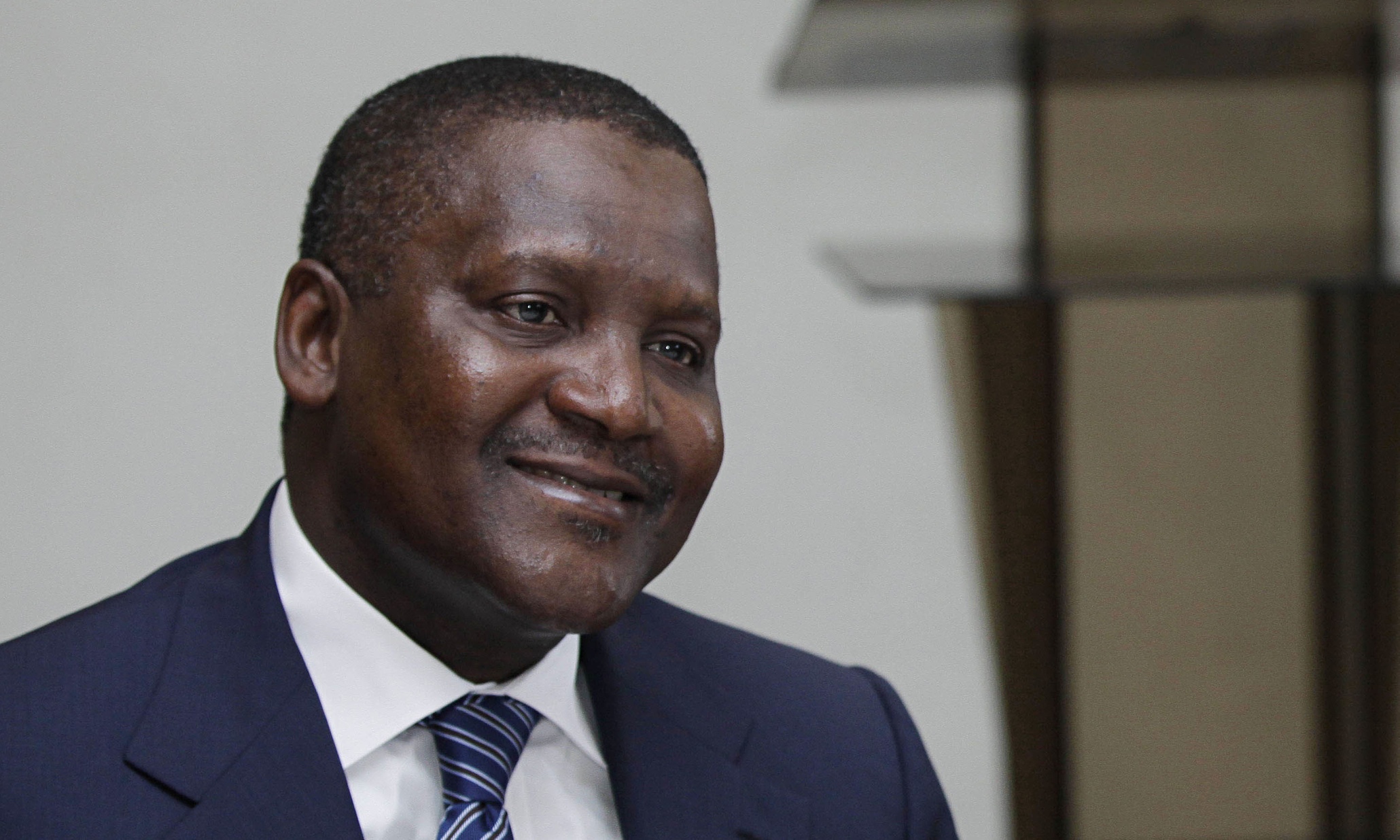
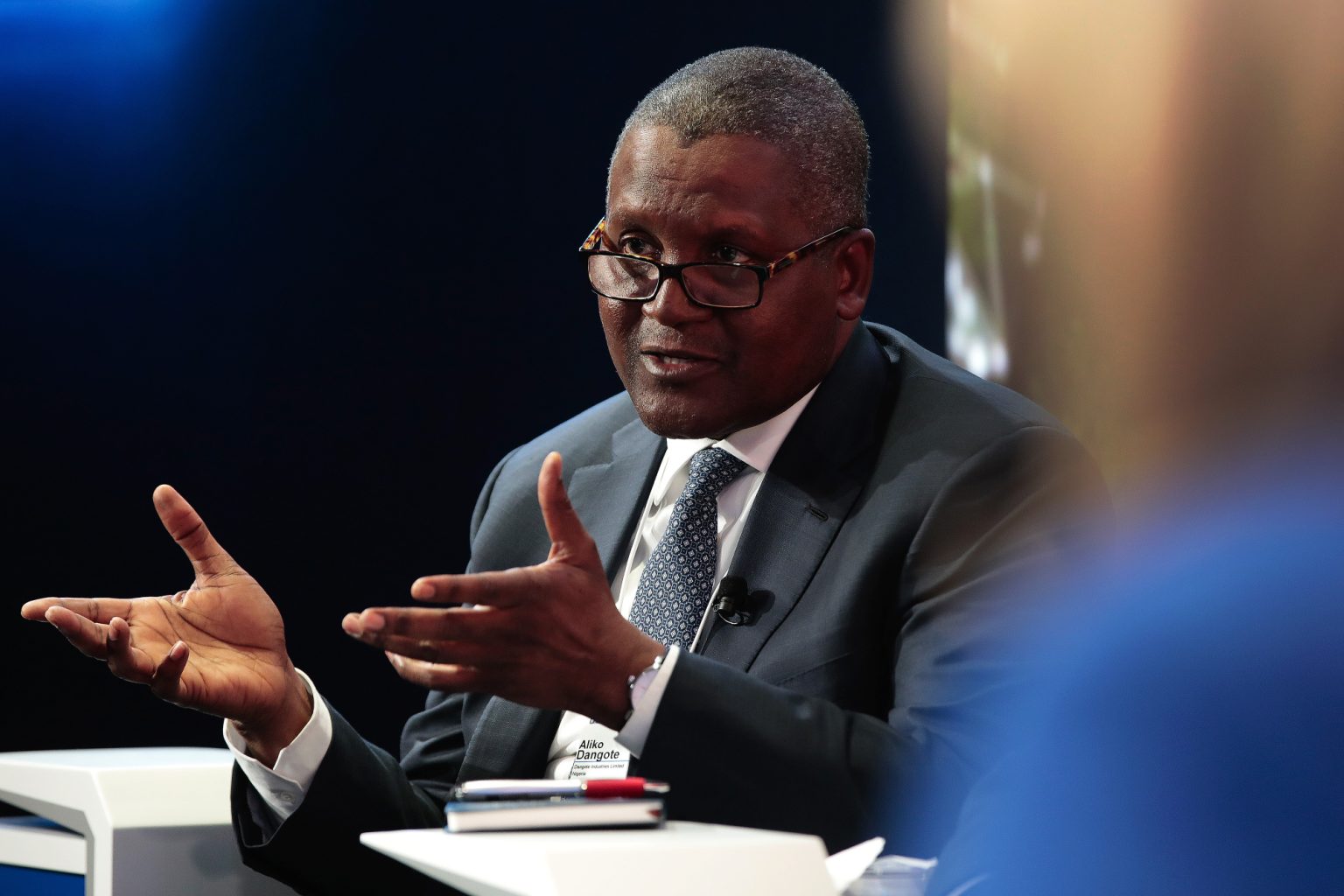
Aliko Dangote’s net worth stands as a testament to industrial scale, reflecting decades of strategic positioning in foundational sectors like cement, sugar, flour, and, more recently, petroleum refining. As the founder and chairman of Dangote Group, his wealth trajectory mirrors the economic evolution of West Africa, transitioning from traditional commodity trading to heavy manufacturing, import substitution, and massive infrastructure projects. Understanding how he built this financial empire requires examining his early mercantile foundations, his deliberate shift into capital-intensive manufacturing, and the structural dynamics that protect his market dominance across the African continent.
The Mercantile Foundations and Early Business Ventures
The journey of Africa's richest man began long before the multibillion-dollar cement plants and mega-refineries materialized across the landscape. Born into a wealthy Muslim family in Kano, Nigeria, in 1957, Aliko Dangote was raised by his grandfather, Sanusi Dantata, who was one of the wealthiest West African traders of his era. This early exposure to commerce instilled a deep understanding of trade mechanics, supply chains, and margin management.
In 1977, after completing his business studies in the United Kingdom at Al-Azhar University in Cairo, Egypt, Dangote moved to Lagos to establish his own enterprise. Armed with a loan from his uncle, he started as a small-scale trader distributing agricultural commodities such as rice, sugar, and textiles. Unlike many peers who focused solely on retail, Dangote immediately recognized the structural vulnerabilities of an import-dependent economy. Nigeria relied heavily on foreign goods to feed its growing population, creating volatile pricing structures and severe supply bottlenecks.
By prioritizing volume, reliable logistics, and tight inventory control, Dangote quickly scaled his trading enterprise. He understood that wealth in a developing market was not generated merely by arbitrage, but by capturing entire supply chains. This realization formed the bedrock of his strategic pivot away from pure trading and toward import substitution—a philosophy that would eventually shape his entire industrial empire.
The Industrial Pivot: From Trading to Manufacturing
The transformation of Aliko Dangote from a successful merchant into an industrial titan accelerated in the 1990s. Recognizing that trading margins were perpetually vulnerable to foreign exchange fluctuations and government import policies, Dangote made a decisive strategic choice: he would manufacture domestically the goods he once imported.
This pivot began with investments in food processing, establishing facilities for flour milling, sugar refining, and pasta production. By building state-of-the-art processing plants on Nigerian soil, Dangote Group drastically reduced the country's reliance on imported food staples while capturing the domestic value chain. These cash-generative consumer goods businesses provided the liquidity and balance-sheet strength required for his subsequent, even more ambitious gamble—heavy manufacturing.
| Sector / Enterprise | Core Operations | Strategic Impact |
|---|---|---|
| Dangote Cement | Integrated production, limestone mining, and regional distribution | Dominates West and Central African construction materials supply |
| Dangote Sugar Refinery | Raw sugar importation, refining, and nationwide distribution | Controls a significant share of the domestic sweetener market |
| Dangote Petroleum Refinery | Crude oil refining, petrochemical production, and export | Reduces fuel import dependency for Nigeria and the wider region |
| Dangote Fertilizer | Urea production and agricultural inputs manufacturing | Supports domestic food security and commercial agriculture |
At the turn of the millennium, Dangote acquired Benue Cement Company and later established Obajana Cement, which eventually grew into the largest cement production facility in sub-Saharan Africa. By controlling every phase of cement production—from limestone quarrying to localized trucking fleets—the company achieved cost structures that foreign competitors struggled to match. This industrial integration transformed Dangote Cement into the crown jewel of his financial portfolio, trading on the Nigerian Exchange and serving as the primary anchor for his enduring net worth.
Navigating Currency Volatility and Market Expansion
Managing a multi-billion-dollar fortune across emerging and frontier markets presents unique macroeconomic challenges, chief among them being currency depreciation, foreign exchange scarcity, and inflationary pressures. Because the Nigerian Naira has experienced significant devaluations over the years, the nominal dollar value of Aliko Dangote’s net worth has historically fluctuated, even as the operational scale and physical assets of his empire expanded.
To mitigate these risks, Dangote pursued a two-pronged strategy: aggressive regional diversification and vertical integration. Dangote Cement expanded its footprint beyond Nigeria, establishing operational plants in countries such as Senegal, Zambia, Cameroon, Ghana, and Ethiopia. This geographic diversification introduced hard-currency revenue streams, partially insulating the group from localized monetary shocks.
Furthermore, the conglomerate invested heavily in captive power infrastructure. Because public power grids in parts of West Africa remain unreliable, Dangote built dedicated power plants to run his factories, ensuring continuous production cycles. By owning the trucks that transport products, the packaging plants that wrap them, and the power sources that run the mills, the group minimized external operational friction, protecting profit margins during periods of broad economic contraction.
The Mega-Refinery Project and Petrochemical Diversification
The pinnacle of Dangote’s industrial ambition is the sprawling Dangote Petroleum Refinery and Petrochemical complex located in the Lekki Free Zone near Lagos. Conceived to address a profound structural paradox—wherein Nigeria, a major crude oil exporter, imported nearly all of its refined petroleum products due to dysfunctional domestic refining capacity—this project represents one of the largest private industrial investments in modern African history.
Constructed at a cost estimated in the multibillion-dollar range, the facility is designed to process hundreds of thousands of barrels of crude oil per day. Beyond refined gasoline, diesel, and aviation fuel, the integrated complex houses a massive fertilizer plant designed to produce urea, directly supporting the agricultural sector across the continent.
Financing a project of this magnitude required a complex mix of corporate equity, local bank syndications, international development finance, and substantial debt leverage. For financial analysts tracking Aliko Dangote’s net worth, the refinery introduced a dual dynamic: while the massive capital expenditure initially strained liquidity and increased debt exposure, the eventual commissioning and operational ramp-up position the asset to generate substantial cash flows. This project fundamentally shifts Dangote's industrial portfolio from consumer goods and construction materials to heavy energy and petrochemicals, securing his economic relevance for decades to come.
Wealth Preservation, Philanthropy, and Succession Planning
Maintaining a fortune of this scale requires rigorous governance, asset protection strategies, and structured succession planning. Unlike speculative fortunes tied to volatile technology stocks or cryptocurrency assets, Dangote’s wealth is rooted in hard assets—physical factories, port terminals, transport fleets, and energy infrastructure. These tangible holdings provide an intrinsic floor to his valuation, though they are inherently sensitive to regulatory shifts, tax policies, and macroeconomic stability in his home market.
In parallel with his commercial pursuits, Aliko Dangote has increasingly focused on institutional philanthropy through the Dangote Foundation. The foundation concentrates its capital on nutrition, healthcare, education, and disaster relief, particularly across northern Nigeria and the broader sub-Saharan region. By institutionalizing his philanthropic efforts, Dangote aligns his public legacy with developmental outcomes, addressing some of the structural poverty challenges that characterize the markets in which his businesses operate.
Regarding business continuity, the Dangote Group operates with professionalized management structures, separating day-to-day corporate operations from family ownership, even though family members and close associates retain significant board and executive influence. As the conglomerate scales its operations into pan-African energy and manufacturing markets, maintaining transparent corporate governance remains essential for satisfying international institutional investors and ensuring long-term asset preservation.
Frequently Asked Questions
What is the primary source of Aliko Dangote's wealth?
Aliko Dangote's wealth is primarily derived from his controlling stake in Dangote Cement, along with massive holdings in sugar, flour, fertilizer, and the newly operational Dangote Petroleum Refinery. Cement manufacturing and industrial production form the core pillars of his financial portfolio.
How did Aliko Dangote build his initial capital?
Dangote started his business career in 1977 as a small-scale commodity trader dealing in rice, sugar, and textiles, backed by a loan from his family. By scaling trade volume and optimizing supply chains, he accumulated the capital necessary to transition into domestic manufacturing in the 1990s.
Is Aliko Dangote still the richest man in Africa?
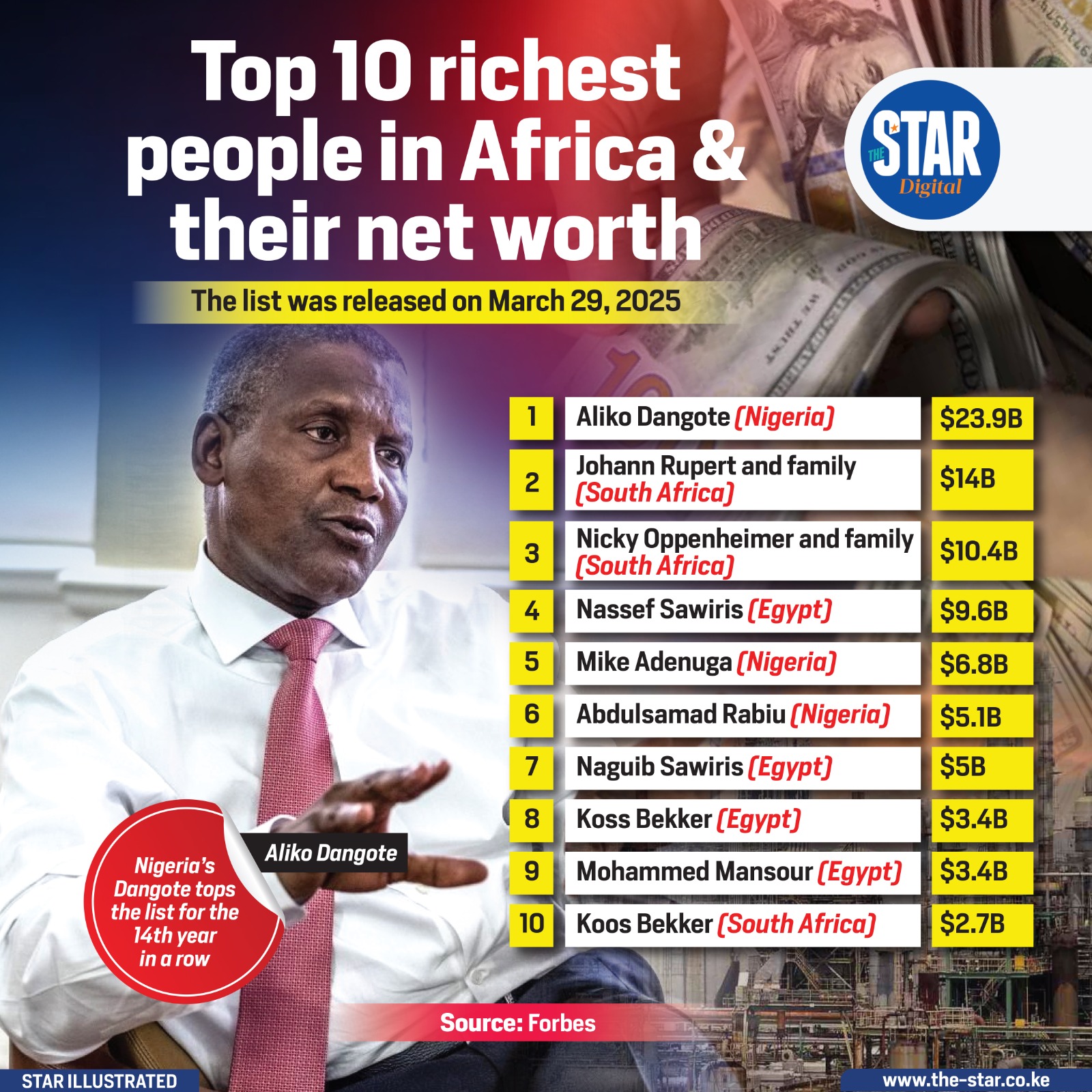
Yes, Aliko Dangote consistently ranks as the wealthiest individual on the African continent according to global financial trackers like Forbes and Bloomberg, a position he has held for over a decade.
What is the significance of the Dangote Petroleum Refinery?
The Dangote Petroleum Refinery is a massive industrial complex designed to process large volumes of crude oil daily, aiming to end Nigeria's reliance on imported fuel, reduce foreign exchange drain caused by fuel subsidies, and supply petrochemical products across the region.
How does currency devaluation affect Aliko Dangote's net worth?
Because a large portion of Dangote's assets and earnings are denominated in Nigerian Naira, sharp devaluations of the currency against the US dollar temporarily lower his calculated net worth in global billionaire rankings, even when his industrial output and physical asset base grow.
What are the main challenges facing the Dangote business empire?
Key challenges include managing high debt leverage from mega-projects like the refinery, navigating foreign exchange shortages in Nigeria, mitigating supply chain bottlenecks, and dealing with regional regulatory and macroeconomic instabilities.
Strategic Outlook and Next Financial Steps
For business analysts, investors, and observers tracking the trajectory of Africa's richest man, the primary focus centers on the stabilization and cash-flow generation of the Dangote Petroleum Refinery. Monitoring the operational efficiency, debt servicing schedules, and export capacity of this mega-project will provide clear indicators of the group's financial health. Stakeholders looking to understand emerging market industrialization should examine how integrated supply chains and import-substitution models can successfully operate within volatile macroeconomic environments, serving as a blueprint for large-scale enterprise development across developing economies.