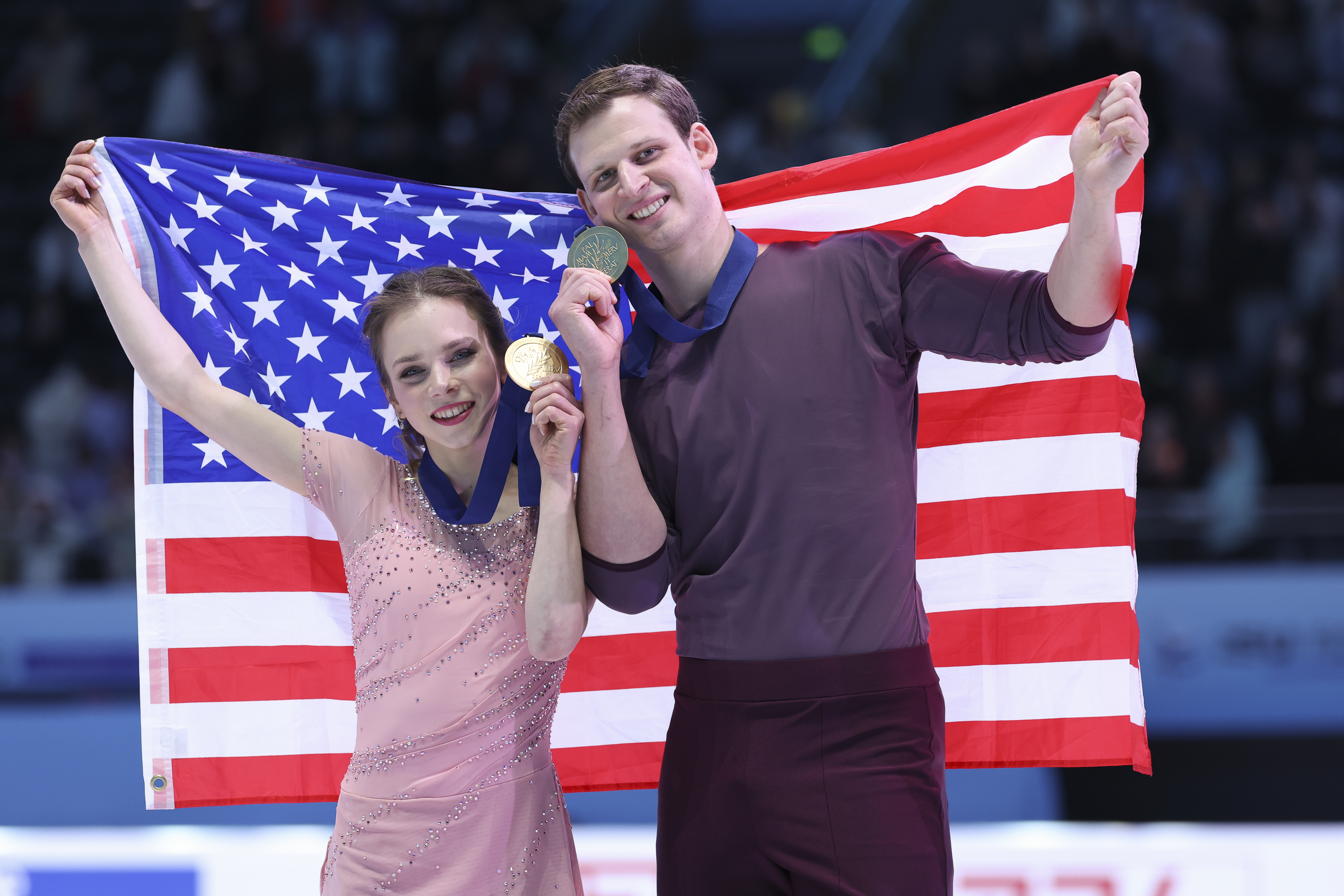
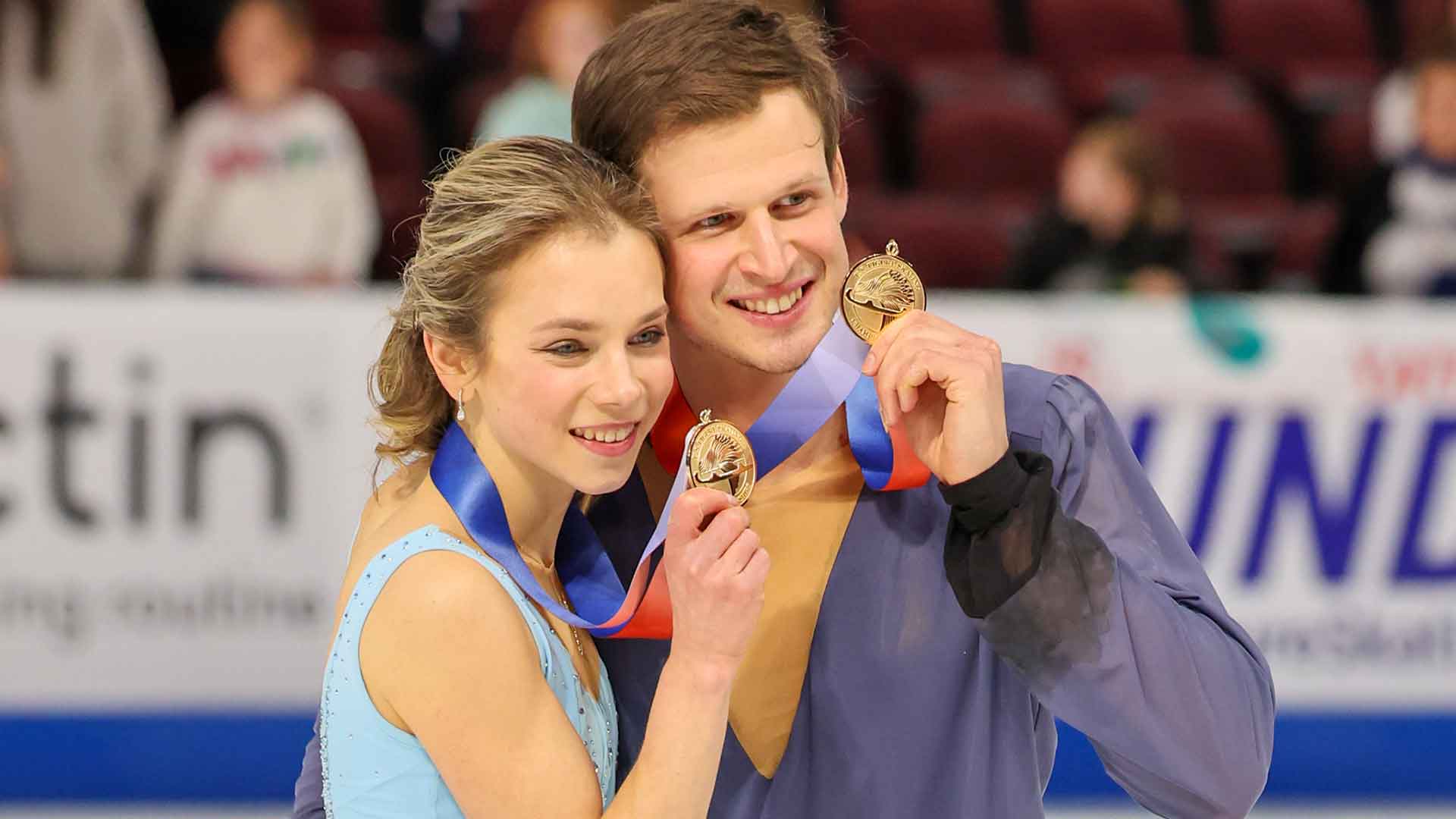
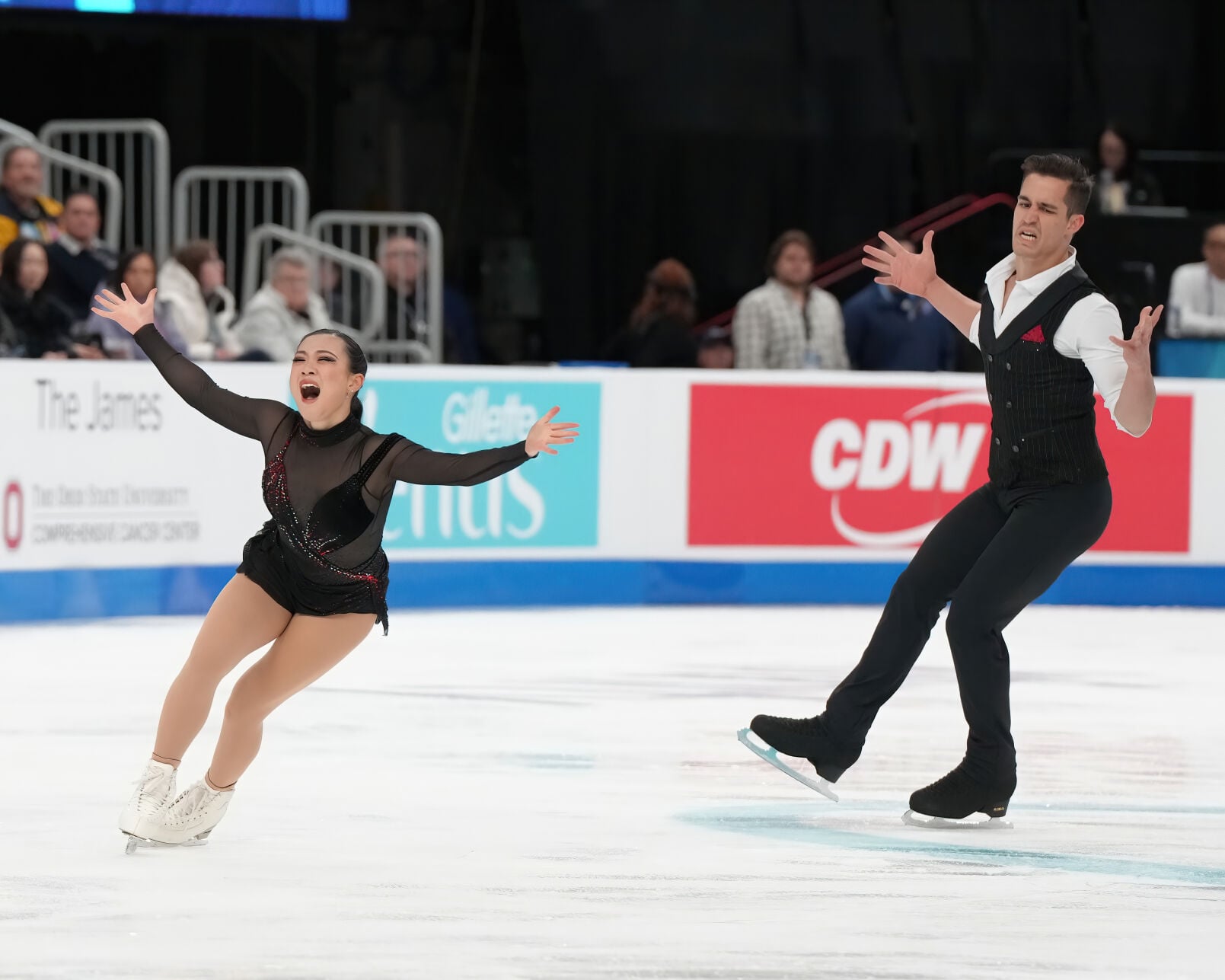
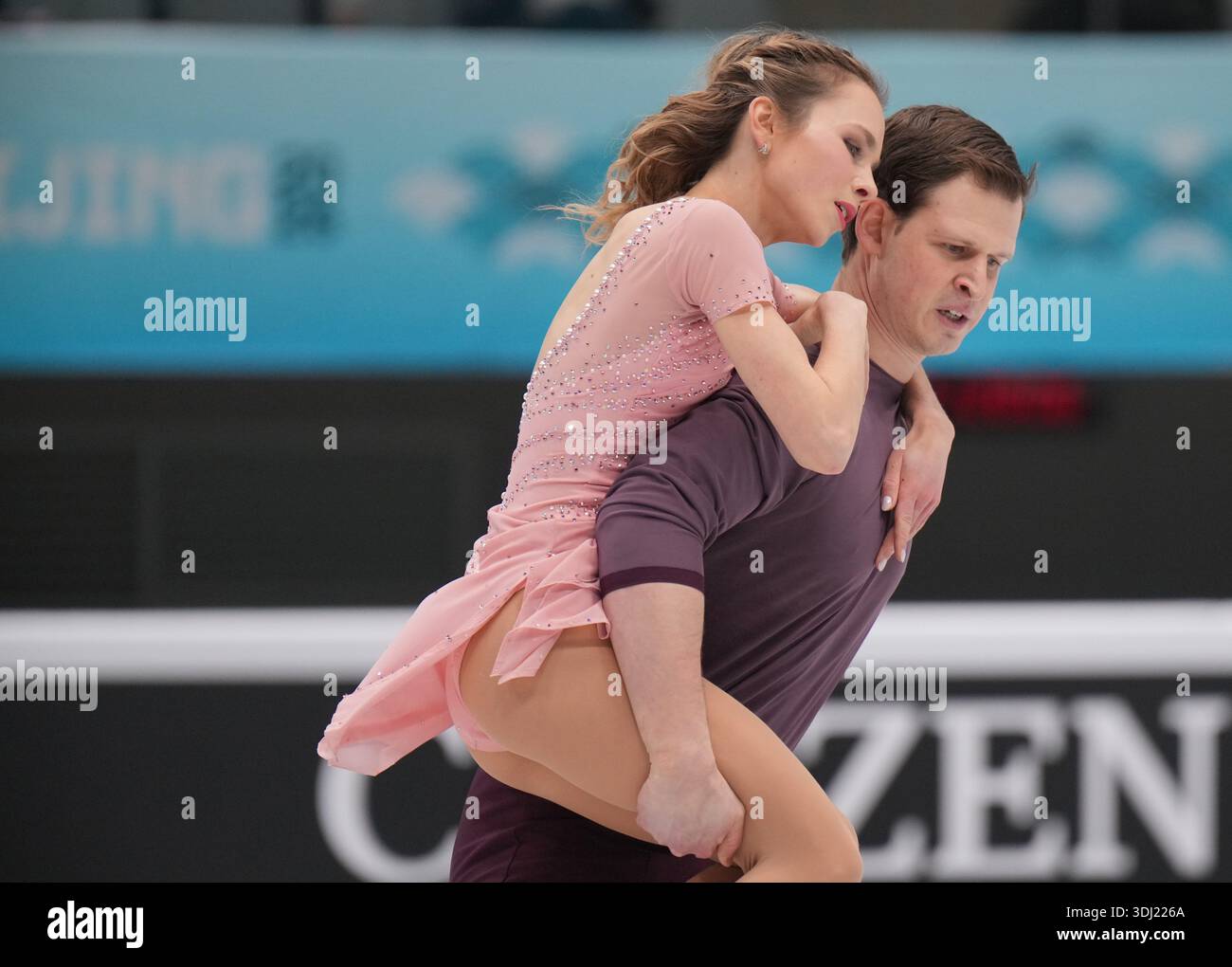
Alisa Efimova and Misha Mitrofanov established a formidable competitive presence in international pairs figure skating by executing clean technical elements, synchronizing their side-by-side jumping passes, and securing high program component scores during a pivotal stretch of their partnership. Their performance momentum transformed them into top contenders on the Grand Prix circuit and at national championships.
The Foundations of a Partnership: Formation and Early Synergy
The formation of an elite pairs skating partnership requires an intricate balance of physical compatibility, matching skating styles, and complementary technical skill sets. When Alisa Efimova and Misha Mitrofanov teamed up, they merged distinct backgrounds in international competition. Efimova brought extensive European and international championship experience, while Mitrofanov contributed strong domestic credentials and technical depth rooted in the United States figure skating system. Establishing trust on high-risk elements such as throw jumps, twist lifts, and side-by-side spins demands months of repetitive training under elite coaching supervision.
During their initial competitive outings, the duo focused on building structural integrity into their programs. Pairs skating evaluates partnerships not merely on individual jumping ability, but on the absolute synchronization of movements, the fluidity of transitions, and the aerodynamic efficiency of lifts. Efimova and Mitrofanov invested heavily in refining their base values by selecting music that matched their expressive range while allowing them to maximize technical tariffs under the International Judging System (IJS). This early synchronization phase served as the launchpad for their subsequent competitive breakthroughs.
Technical Evolution: Mastering High-Tariff Elements
A sustained winning streak in modern figure skating is mathematically impossible without high technical scores and positive Grades of Execution (GOE). Efimova and Mitrofanov systematically upgraded their technical repertoire to meet the demands of senior-level international fields. Their progression centered on three core areas: throw triple jumps, side-by-side jumping passes, and complex lift entries.
| Element Category | Specific Technical Focus | IJS Impact and Execution Strategy |
|---|---|---|
| Throw Jumps | Throw triple loop and throw triple Lutz | Maximizing height and distance off the ice; clean, secure two-foot or one-foot landing edge without step-outs. |
| Side-by-Side Jumps | Triple Salchow and combination passes | Maintaining identical air position, rotational speed, and landing timing to earn positive GOE across both partners. |
| Lift Architecture | Group 5 reverse lasso and axel lasso lifts | Executing difficult transitions into the takeoff, secure extension at full height, and controlled, graceful dismounts. |
| Twist Lifts | Triple twist lift | Achieving proper hip rotation height, secure catching technique by the partner, and immediate flow into transitions. |
By mastering these elements, the pair minimized technical deductions and built a point buffer against rival teams. Judges reward consistency and precise edge control, characteristics that became hallmarks of the Efimova and Mitrofanov routines during their peak performances.
Choreographic Strategy and Program Component Optimization
While technical base value determines the theoretical ceiling of a routine, Program Components (PCS)—comprising composition, presentation, and skating skills—determine a team’s ability to win tight competitions. Efimova and Mitrofanov worked closely with renowned choreographers to design short programs and free skates that highlighted their maturity and theatrical capability. Their programs featured intricate footwork sequences that utilized the full perimeter of the ice rink, ensuring continuous flow without telegraphing upcoming elements.
Presentation in pairs skating relies heavily on interpersonal connection and spatial awareness. The duo focused on unison during death spirals and pivot figures, ensuring that their speed and posture mirrored each other precisely. By elevating their skating skills scores—specifically edge quality, multi-directional skating, and deep knee bend—they convinced international panels to award higher marks in interpretation and composition. This balanced approach prevented them from relying solely on jumping elements, protecting their scores even when minor technical errors occurred.
Navigating the Pressures of the Grand Prix and Championship Circuits
Sustaining a winning streak requires rigorous physical conditioning, injury management, and mental resilience. The international figure skating calendar places immense strain on athletes, requiring peak performance across multiple continents within a span of a few months. Efimova and Mitrofanov implemented strict periodization schedules, balancing high-intensity jump repetitions with off-ice conditioning, ballet, and recovery protocols.
Mental conditioning played a decisive role during high-pressure events. In competitive pairs skating, a mistake by one partner immediately impacts the rhythm and morale of the other. The coaching staff emphasized communication strategies and reset techniques to maintain focus after missed elements. This mental fortitude allowed the team to recover mid-routine during high-stakes free skates, turning potential disasters into salvaged performances that still secured podium placements.
Comparative Overview of Pairs Skating Success Factors
Achieving and maintaining momentum at the elite level requires balancing several competitive pillars. The following comparison illustrates how technical execution, choreographic depth, and consistency interact in elite pairs skating.
ELITE PAIRS SKATING SUCCESS FRAMEWORK
- [Technical Base Value] ---> Maximizes theoretical scoring ceiling
- [Grades of Execution] ---> Converts difficult elements into bonus marks
- [Program Components] ---> Secures separation in tight podium battles
- [Mental Resilience] ---> Prevents cascading errors during routines
Teams that excel across all four quadrants establish durable competitive streaks, whereas teams deficient in component scoring or mental consistency often experience volatile results despite high technical potential.
Frequently Asked Questions
What made the partnership between Alisa Efimova and Misha Mitrofanov unique?
Their partnership combined international championship experience with strong technical training from distinct skating backgrounds. This blend allowed them to rapidly adapt to senior international standards, focusing on synchronized side-by-side elements and sophisticated choreographic presentation that appealed to international judging panels.
How do technical base values affect a pairs skating winning streak?
Technical base values dictate the maximum possible score a team can earn before judges apply positive or negative Grades of Execution. By incorporating high-tariff elements such as triple twist lifts and difficult throw jumps, Efimova and Mitrofanov established a mathematical advantage over competitors who skated less difficult technical layouts.
Why are program components critical for maintaining a winning streak?
While jumps and lifts provide raw points, program components measure overall skating skills, transition quality, performance, composition, and interpretation. High component scores ensure that a team remains competitive even if they commit a minor error on a jumping pass or throw element.
What role does off-ice training play in elite pairs skating?
Off-ice training includes ballet, acrobatic conditioning, core stability work, and video analysis. It allows partners to practice lifts and rotational mechanics safely without the physical wear and tear of constant impact on the ice, directly contributing to injury prevention and long-term competitive consistency.
How do elite figure skaters handle the pressure of consecutive wins?
Skaters manage winning momentum by treating each competition as an independent event rather than defending a streak. Coaches utilize structured tapering schedules, routine simulation practices, and psychological framing to keep athletes focused on technical execution rather than external expectations or media narratives.
Strategic Next Steps for Competitive Analysis
To deepen your understanding of elite figure skating dynamics, examine official protocols from international competitions such as the ISU Grand Prix Series or national championships. Reviewing judges' scoring sheets provides transparent data on how element execution, GOE bonuses, and program component marks dictate final podium standings across different international skating disciplines.