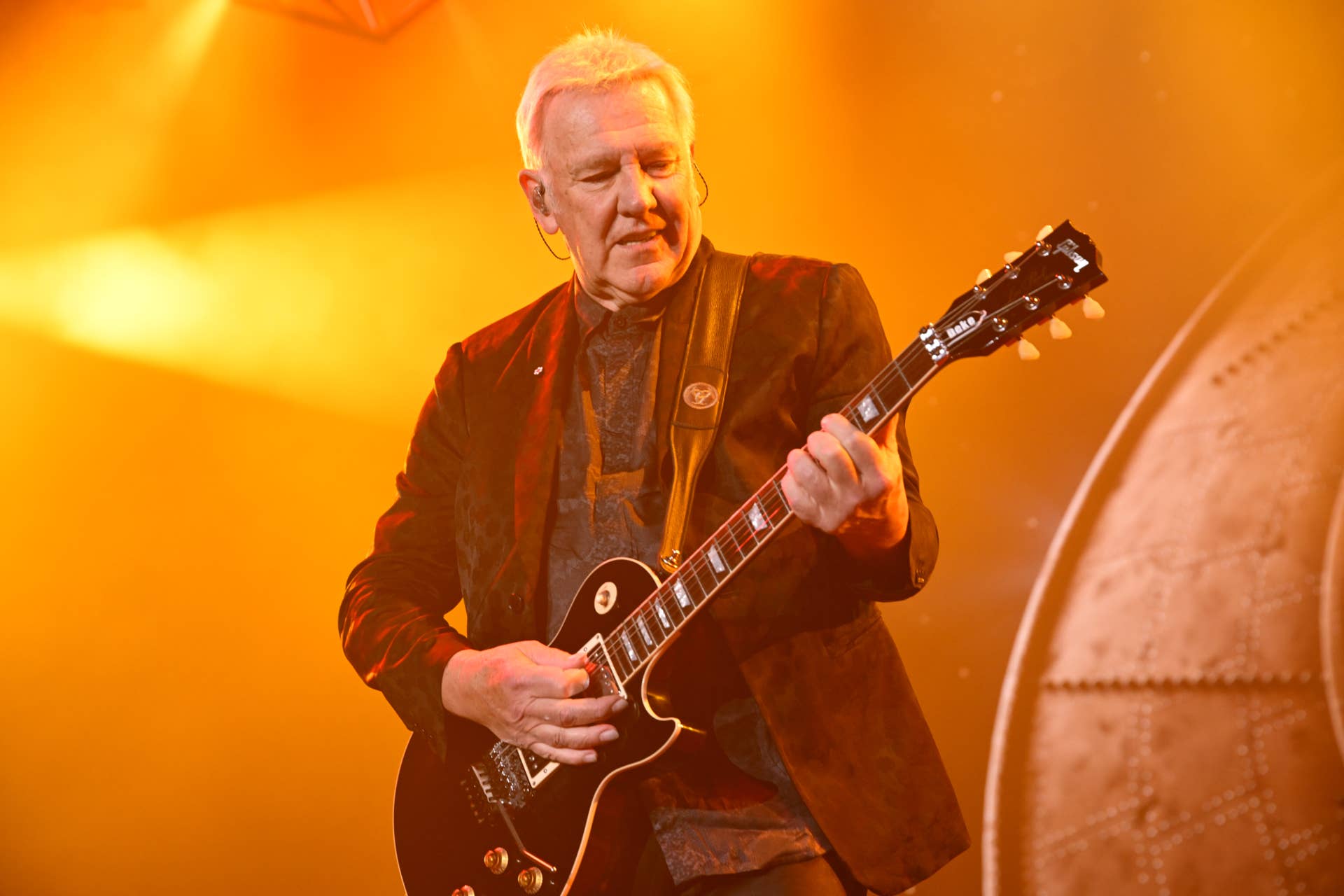
Born on August 27, 1953, Alex Lifeson is 72 years old in 2026. As the co-founder and iconic lead guitarist of the legendary Canadian progressive rock band Rush, Lifeson has spent more than five decades shaping the landscape of modern rock music through innovative guitar work, atmospheric delay effects, and sophisticated compositional structures.
The Early Life and Origins of a Guitar Pioneer
Alex Lifeson was born Aleksandar Živojinović in Fernie, British Columbia, to Serbian immigrant parents. Shortly after his birth, his family relocated to Toronto, Ontario, a bustling multicultural hub that would eventually serve as the crucible for the Canadian progressive rock movement. Growing up in a working-class household, Lifeson showed an early interest in music, initially studying the viola before transitioning to the guitar during his early teens.
Influenced by a diverse spectrum of musical acts ranging from traditional blues artists like Eric Clapton and Jimi Hendrix to progressive pioneers like Pete Townshend and Jeff Beck, Lifeson developed a fluid and expressive playing style. His formative years in Toronto involved playing in various local garage bands, where he honed his technical precision and developed a collaborative instinct that would soon change the trajectory of rock history.
The Birth and Evolution of Rush
In the summer of 1968, Lifeson teamed up with drummer John Rutsey and bassist/vocalist Jeff Jones in Toronto to form Rush. Shortly thereafter, Jones was replaced by the charismatic Geddy Lee, solidifying the classic foundational chemistry of the group. Following the recruitment of legendary percussionist and lyricist Neil Peart in 1974, the definitive lineup of Rush was established, launching an unprecedented era of musical exploration.
As the primary architect of the band's harmonic textures, Lifeson played an instrumental role in guiding Rush through multiple distinct stylistic epochs:
- Blues-Rock Roots (1974–1975): The early era featured heavy, Led Zeppelin-inspired hard rock riffs centered on the band's self-titled debut and Fly by Night.
- Progressive Rock Expansion (1975–1980): Long-form conceptual tracks, complex time signatures, and fantasy-driven lyrics defined masterpieces like 2112 and Hemispheres.
- Synthesizer-Driven Arena Rock (1981–1989): The integration of lush synthesizers, tighter arrangements, and streamlined songwriting propelled albums like Moving Pictures and Grace Under Pressure to commercial dominance.
- Alternative and Modern Rock Integration (1989–2015): The later decades showcased a return to a guitar-forward, heavier rock sound while maintaining mature compositional depth through albums such as Roll the Bones and Clockwork Angels.
Alex Lifeson’s Discography and Milestones
| Era / Decade | Representative Albums | Musical Characteristics | Cultural & Industry Impact |
|---|---|---|---|
| 1970s | Fly by Night, 2112, Hemispheres | Epic song structures, mythological themes, intricate solos. | Established Rush as a premier progressive rock touring force. |
| 1980s | Permanent Waves, Moving Pictures, Hold Your Fire | Synths, crisp chorus effects, rhythmic economy. | Reached mainstream commercial peak and multi-platinum status. |
| 1990s | Roll the Bones, Counterparts, Test for Echo | Tuned-down guitars, alternative textures, organic trio sound. | Navigated changing musical tides while retaining a massive core fanbase. |
| 2000s–2010s | Vapor Trails, Snakes & Arrows, Clockwork Angels | Aggressive riffing, orchestral strings, philosophical maturity. | Cemented legacy with critically acclaimed final studio outings. |
Post-Rush Projects and Ongoing Musical Legacy
Following the conclusion of Rush’s R40 Live Tour in 2015 and the heartbreaking passing of drummer Neil Peart in January 2020, Alex Lifeson has continued to explore new creative avenues. Stepping away from large-scale stadium touring did not mean an end to his musical output. Lifeson formed Envy of None, an experimental alternative rock project featuring Andy Curran, Alfio Annibalini, and vocalist Maiah Manske. The band released their self-titled debut album in 2022, showcasing a moody, electronic-infused soundscape that demonstrated Lifeson's versatility far beyond traditional progressive rock boundaries.
In addition to his work with Envy of None, Lifeson has maintained a steady presence in the music community through guest appearances, signature gear collaborations with major guitar manufacturers, and philanthropic endeavors. His unmistakable tonal imprint—characterized by sparkling choruses, soaring delays, and aggressive, dynamic crunch—continues to influence generations of contemporary guitar players.
Frequently Asked Questions
When was Alex Lifeson born?
Alex Lifeson was born on August 27, 1953, in Fernie, British Columbia, Canada.
What is Alex Lifeson’s real name?
His birth name is Aleksandar Živojinović. He adopted the stage name Lifeson as a direct English translation of his Serbian surname, meaning "son of life."
Is Alex Lifeson still playing the guitar?
Yes, Lifeson remains active in the music industry. While Rush is no longer touring, he continues to record new music, collaborate with other artists, and release experimental projects like Envy of None.
What are Alex Lifeson’s primary guitars and equipment?
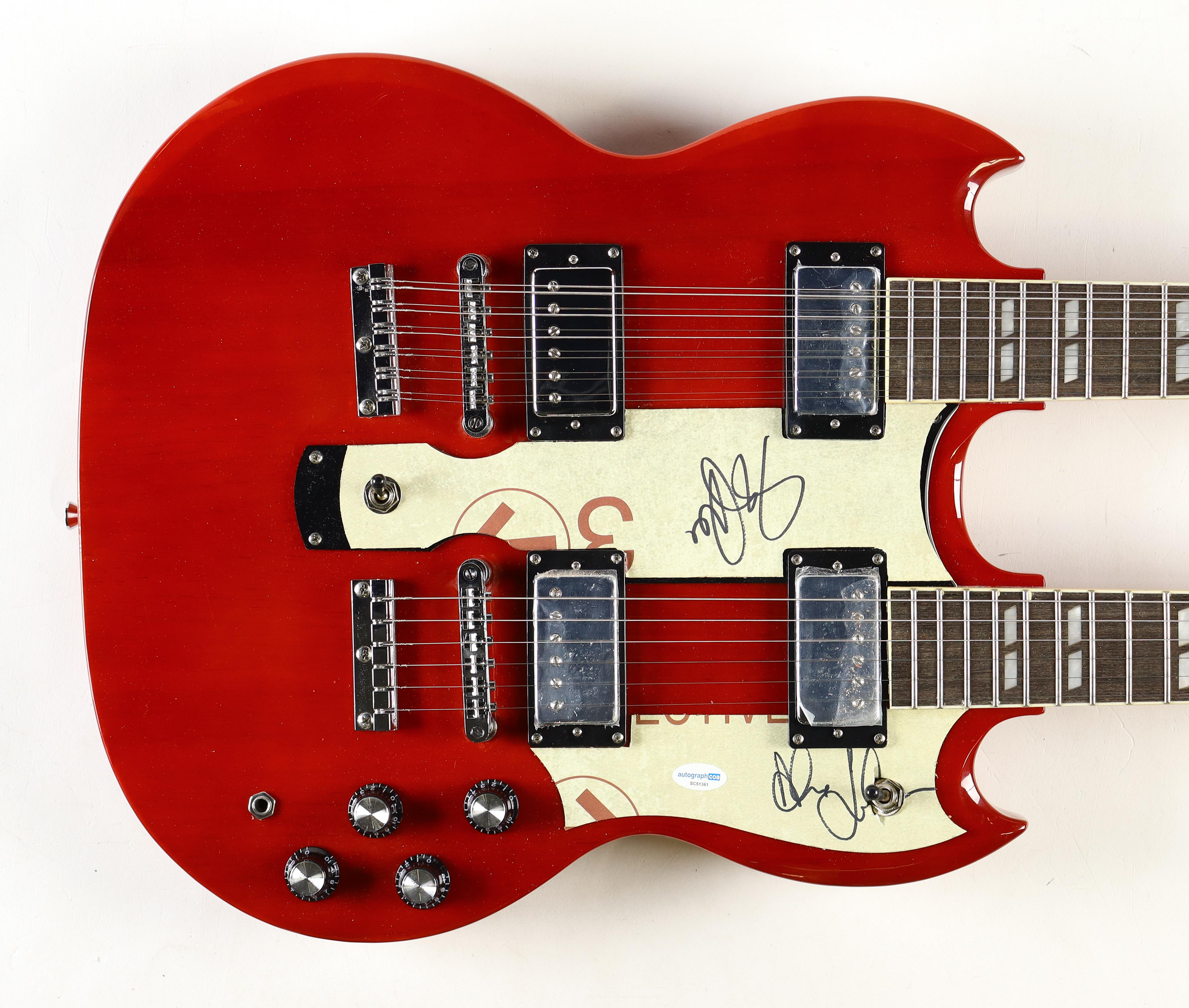
Throughout his career, Lifeson has been famously associated with Gibson ES-355 semi-hollowbody guitars, various Gibson Les Paul models, and Fender Stratocasters, paired historically with Marshall, Hiwatt, and Friedman amplification systems.
Did Alex Lifeson write lyrics for Rush?
While Neil Peart served as the primary lyricist for Rush, Lifeson contributed occasional lyric and conceptual ideas, while serving as the principal musical composer alongside bassist Geddy Lee.
Next Steps for Fans and Guitar Enthusiasts
For those looking to dive deeper into the legacy of Alex Lifeson and Rush, exploring the band's extensive catalog through high-fidelity streaming services or vinyl reissues offers a masterclass in guitar arrangement. Aspiring musicians can study his signature tone by analyzing his pioneering use of spatial effects pedals, dual-amp routing, and rhythmic chord voicings. Exploring his modern output with Envy of None also provides a rewarding look at how a master guitarist continues to evolve decades into a legendary career.