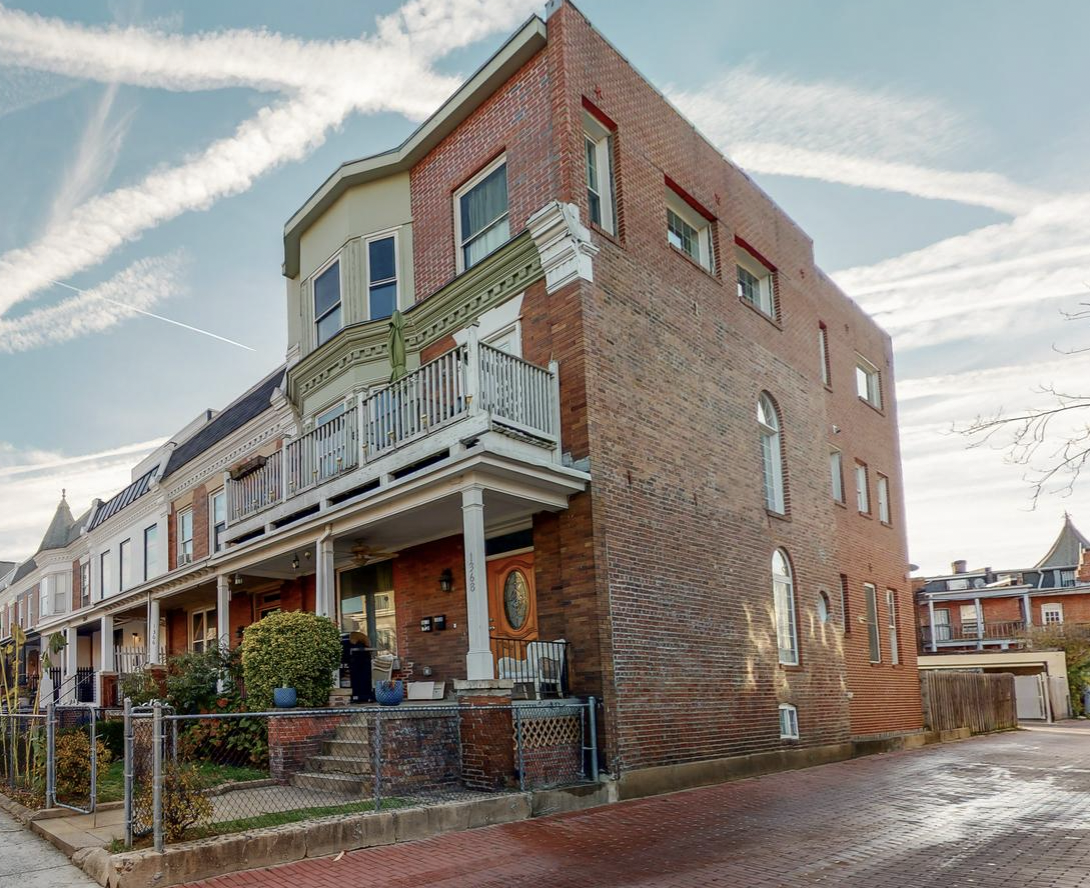
In 2026, Alex Cooper Auctioneers remains a pivotal entity in the Mid-Atlantic real estate landscape, managing a significant volume of foreclosure sales across Maryland, Washington D.C., and Virginia. Current updates indicate a shift toward hybrid bidding models and a stabilized inventory of distressed properties, driven by 2026 mortgage rate adjustments and regional economic shifts.
Understanding the 2026 Alex Cooper Foreclosure Auction Process
Alex Cooper Auctioneers, established in 1924, has transitioned into a tech-forward platform in 2026, facilitating both traditional courthouse-step auctions and sophisticated online bidding environments. For potential investors and homebuyers, understanding the current mechanics of these sales is essential. A foreclosure auction via Alex Cooper typically occurs because a borrower has defaulted on a mortgage or deed of trust, prompting the lender (acting through a substitute trustee) to sell the property to recover the outstanding debt.
The 2026 process begins with a formal advertisement. Under current Maryland and Virginia statutes, these advertisements must appear in local publications for a specified duration—usually several weeks—prior to the sale date. Alex Cooper’s digital portal now serves as the primary repository for these notices, offering downloadable PDFs that include the terms of sale, property descriptions, and deposit requirements. Participation in 2026 requires pre-registration for online auctions, often involving the verification of funds or a "hold" on a credit card to ensure bidder legitimacy.
One of the most critical aspects of the 2026 process is the "as-is, where-is" nature of the sale. Unlike traditional real estate transactions, foreclosure auctions through Alex Cooper do not typically allow for interior inspections prior to the bidding. Buyers are purchasing the property with all its existing physical defects and legal encumbrances. In 2026, the auction house has enhanced its preliminary disclosure packages, often providing drone photography and exterior-only assessments, but the risk of structural or mechanical issues remains entirely with the successful bidder.
Current Status of Foreclosure Inventory and Filings in 2026
The foreclosure landscape in 2026 has entered a "normalization" phase. Following the erratic fluctuations seen in the early 2020s, the current volume of listings handled by Alex Cooper reflects a stable but persistent market segment. While the broader real estate market has seen a slowdown in price appreciation, foreclosures have not reached "crisis" levels. Instead, the inventory primarily consists of adjustable-rate mortgages (ARMs) that reached their reset periods in late 2024 and 2025, combined with standard life-event defaults.
Geographically, the 2026 updates show a concentration of activity in the Baltimore metropolitan area and parts of Prince George’s County. Conversely, the Northern Virginia and DC markets remain highly competitive with fewer distressed entries, as high home equity in these regions allows struggling homeowners to sell via traditional means before reaching the foreclosure stage. For those monitoring Alex Cooper’s weekly updates, there is a visible trend toward "short-notice" cancellations, as lenders and borrowers more frequently reach mediation agreements just days before the scheduled auction.
The types of properties currently appearing in Alex Cooper’s 2026 catalog have also diversified. While single-family residential homes remain the staple, there has been a 12% increase in small-scale commercial foreclosures and multi-family units compared to 2024. This trend is attributed to the ongoing restructuring of the office and retail sectors, where smaller investors are facing higher refinancing costs in the 2026 interest rate environment.
Key Market Trends Shaping Distressed Real Estate in the Mid-Atlantic
Several macroeconomic factors are influencing the foreclosure market as we move through 2026. The most prominent trend is the "Equity Buffer" phenomenon. Despite higher interest rates, many properties entering foreclosure in the Mid-Atlantic still possess significant equity. This has led to an influx of "equity-rich" bidders at Alex Cooper auctions, who are willing to bid closer to market value than the "pennies on the dollar" investors of decades past.
Technological integration is the second major trend. By 2026, Alex Cooper has fully integrated real-time data feeds for title searches and lien assessments. Bidders are now more informed than ever, using mobile apps to check for secondary liens, unpaid water bills, or tax certificates while standing at the auction site or bidding from their home offices. This transparency has increased the average number of bidders per property, narrowing the gap between the auction price and the fair market value.
Furthermore, the 2026 market is characterized by "Institutional Hesitation." Larger corporate buyers, who dominated the distressed market in the early 2010s, have pulled back slightly in 2026, favoring build-to-rent projects over individual foreclosure acquisitions. This shift has reopened the doors for local, "mom-and-pop" investors and even some adventurous first-time homebuyers who are utilizing specialized renovation loans like the FHA 203(k) to compete at Alex Cooper auctions.
Legal and Regulatory Considerations for 2026 Buyers
Purchasing a foreclosure via Alex Cooper in 2026 requires a nuanced understanding of regional laws, which have undergone subtle but important changes. In Maryland, the "Ratification" process remains a significant hurdle. Once the hammer falls at an Alex Cooper auction, the sale is not final. It must be ratified by the circuit court, a process that in 2026 takes an average of 60 to 90 days. During this period, the previous homeowner may file exceptions, attempting to overturn the sale based on procedural irregularities.
In Washington D.C., the TOPA (Tenant Opportunity to Purchase Act) regulations continue to influence foreclosure sales of multi-unit properties. Buyers must be aware that even a foreclosure auction does not necessarily extinguish the rights of existing tenants to match the winning bid. Alex Cooper’s 2026 listings for DC properties now include explicit TOPA status updates to help buyers navigate these complexities.
Title insurance has also become more complex in 2026. Because many foreclosures are handled through "Substitute Trustees," the quality of the title can be "clouded" by missing links in the chain of assignments. Most experienced buyers at Alex Cooper auctions now make their bids contingent upon the ability to secure a "special warranty deed" or utilize specific title underwriters who specialize in distressed assets. Failure to account for these legal nuances can result in a buyer losing their deposit if they cannot settle within the required timeframe (usually 30 days post-ratification).
Comparison of Auction Formats: In-Person vs. Online in 2026
To assist in decision-making, it is helpful to compare the two primary methods Alex Cooper uses to conduct sales in the current year.
| Feature | In-Person (Courthouse Steps) | Online (Digital Platform) |
|---|---|---|
| Bidding Environment | High-pressure, fast-paced, physical presence required. | Controlled, timed intervals, remote access. |
| Deposit Requirement | Certified check required at the time of sale. | Pre-authorized credit hold or wire transfer. |
| Transparency | Harder to track competing bidders' identities. | Clear bidding history and countdown timers. |
| Property Information | Minimal; often just the legal advertisement. | Digital "Due Diligence" packages often provided. |
| Speed to Settlement | Standard 30 days post-ratification. | Standard 30 days post-ratification. |
| Market Access | Limited to those physically available at the time. | Global access, leading to higher competition. |
Strategic Advice for Potential Investors and Homebuyers
Competing in the 2026 foreclosure market via Alex Cooper requires a departure from traditional real estate strategies. First and foremost, capitalization is king. While some 2026 loan products allow for foreclosure financing, the vast majority of successful bidders are still using cash or "hard money" lenders. Having your funds liquid and ready for a wire transfer within 24 hours of the auction is a prerequisite for success.
Second, prospective buyers should focus on "Pre-Auction Due Diligence." Alex Cooper provides the legal framework for the sale, but they do not provide a guarantee of title. In 2026, savvy investors are running their own title searches through independent abstractors at least 48 hours before the auction. This allows them to identify "super-priority" liens—such as certain HOA assessments or municipal utility liens—that might not be extinguished by the foreclosure of the first mortgage.
Finally, do not ignore the "Redemption Rights" and "Exceptions" period. In 2026, the judicial system in the Mid-Atlantic remains protective of homeowners. Always factor in a "holding cost" of at least three to four months into your financial model. You will likely be responsible for taxes and insurance from the date of the auction, even if you do not have legal possession of the property until the sale is ratified and the deed is recorded.
Frequently Asked Questions
Can I inspect the interior of an Alex Cooper foreclosure property before bidding?
In 2026, the answer remains generally no. Foreclosure sales are conducted by trustees who do not have the legal right to grant access to the property's interior if it is still occupied or locked. Buyers must rely on exterior observations, public records regarding the square footage and room count, and neighborhood comps. Occasionally, for vacant bank-owned properties (REOs) sold via Alex Cooper, a viewing window may be provided, but this is the exception rather than the rule.
What happens to my deposit if I cannot complete the purchase?
If you are the winning bidder at an Alex Cooper auction and fail to settle within the timeframe specified in the terms of sale, you risk forfeiting your entire deposit. In 2026, these deposits typically range from $5,000 to $50,000 depending on the property value. Furthermore, the trustee may choose to "resell" the property and hold the defaulting bidder liable for the difference in price if the second auction fetches a lower amount, plus the costs of the second sale.
Are there any hidden fees when buying through Alex Cooper?
Beyond the winning bid price, buyers are responsible for all pro-rated property taxes, ground rents (common in Baltimore), and transfer and recordation taxes. In 2026, many Alex Cooper auctions also include a "Buyer’s Premium"—a percentage added to the high bid to cover the auction house’s commission. It is vital to read the specific "Terms of Sale" for every listing, as these fees can add 5% to 10% to the total acquisition cost.
How has interest rate volatility in 2026 affected foreclosure prices?
While the Federal Reserve has stabilized rates in 2026, the "lag effect" of previous hikes is visible. Higher borrowing costs for investors have led to a slight "bidder's discount" in the commercial sector. However, for residential properties in high-demand areas (like Bethesda or Arlington), the lack of general housing inventory continues to drive foreclosure prices close to market value, despite the higher interest rate environment.
Is a title search provided by Alex Cooper?
No, Alex Cooper provides the legal advertisement and the platform for the sale, but they do not provide a guaranteed title search for the bidder. While their 2026 digital listings often contain more "supporting documents" than in previous years, these are provided for informational purposes only. Every bidder is legally responsible for conducting their own title investigation to ensure there are no superior liens or title defects.
Navigating Your Next Steps with Alex Cooper
To successfully participate in an Alex Cooper foreclosure auction in 2026, your first step should be to visit their official website and sign up for their weekly email alerts. This ensures you receive the latest updates on new listings and "sale-day" cancellations. Once a property of interest is identified, obtain the "Terms of Sale" immediately and share them with a real estate attorney who specializes in distressed assets.
The 2026 market is no place for the unprepared; however, for those who master the data-driven tools now available through Alex Cooper and maintain a disciplined approach to their "maximum bid" thresholds, the foreclosure market remains one of the most effective ways to acquire Mid-Atlantic real estate at a competitive price point.