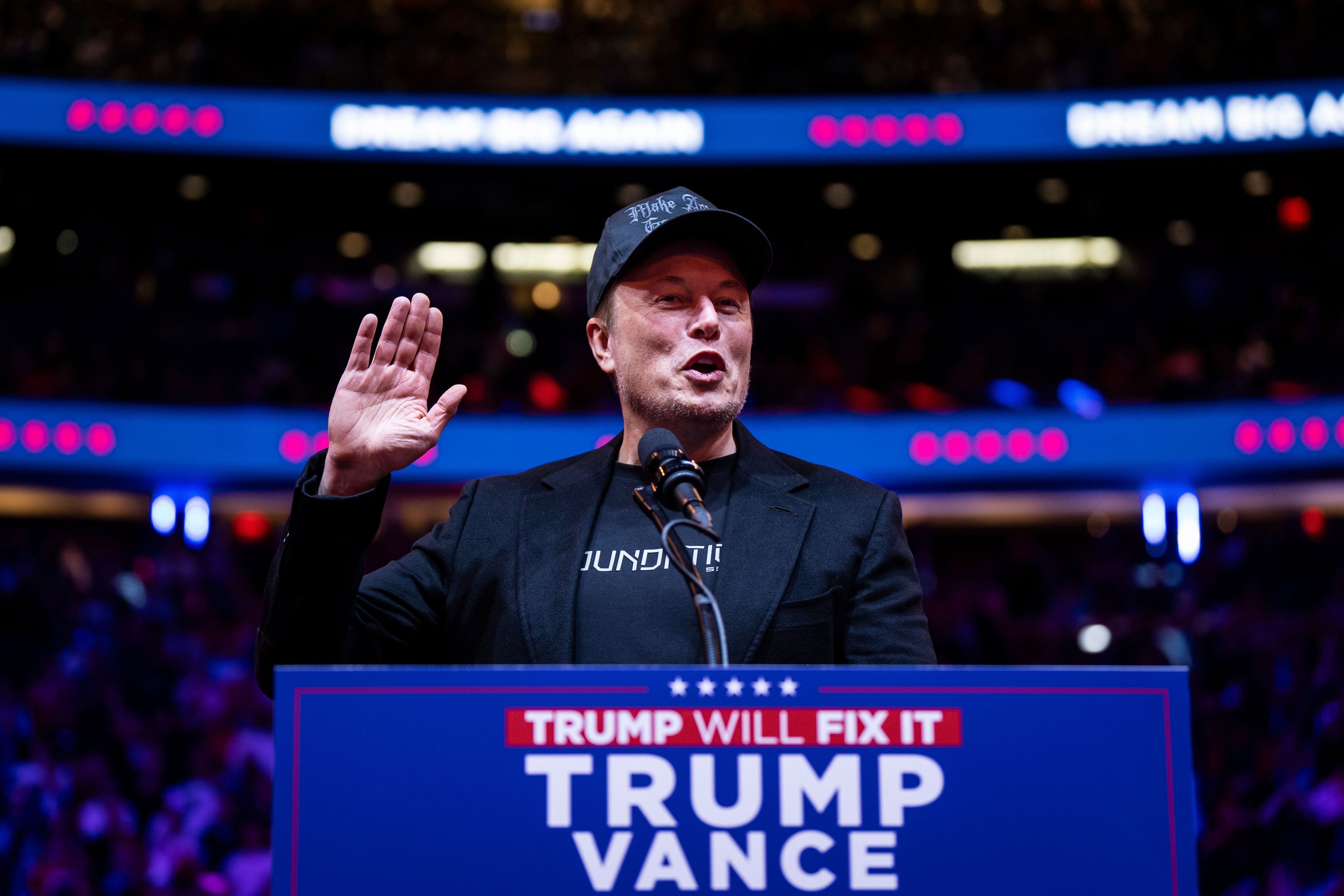
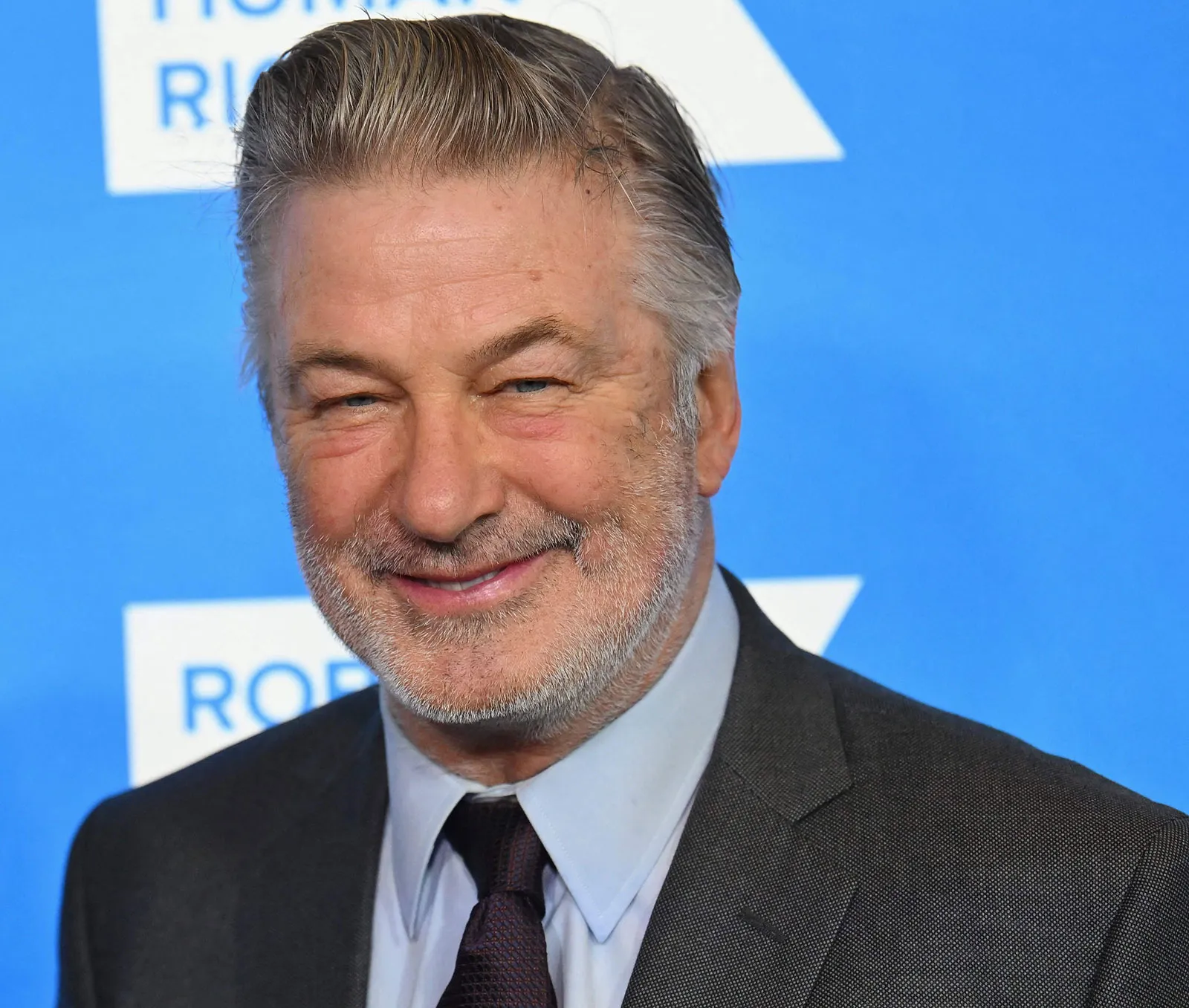
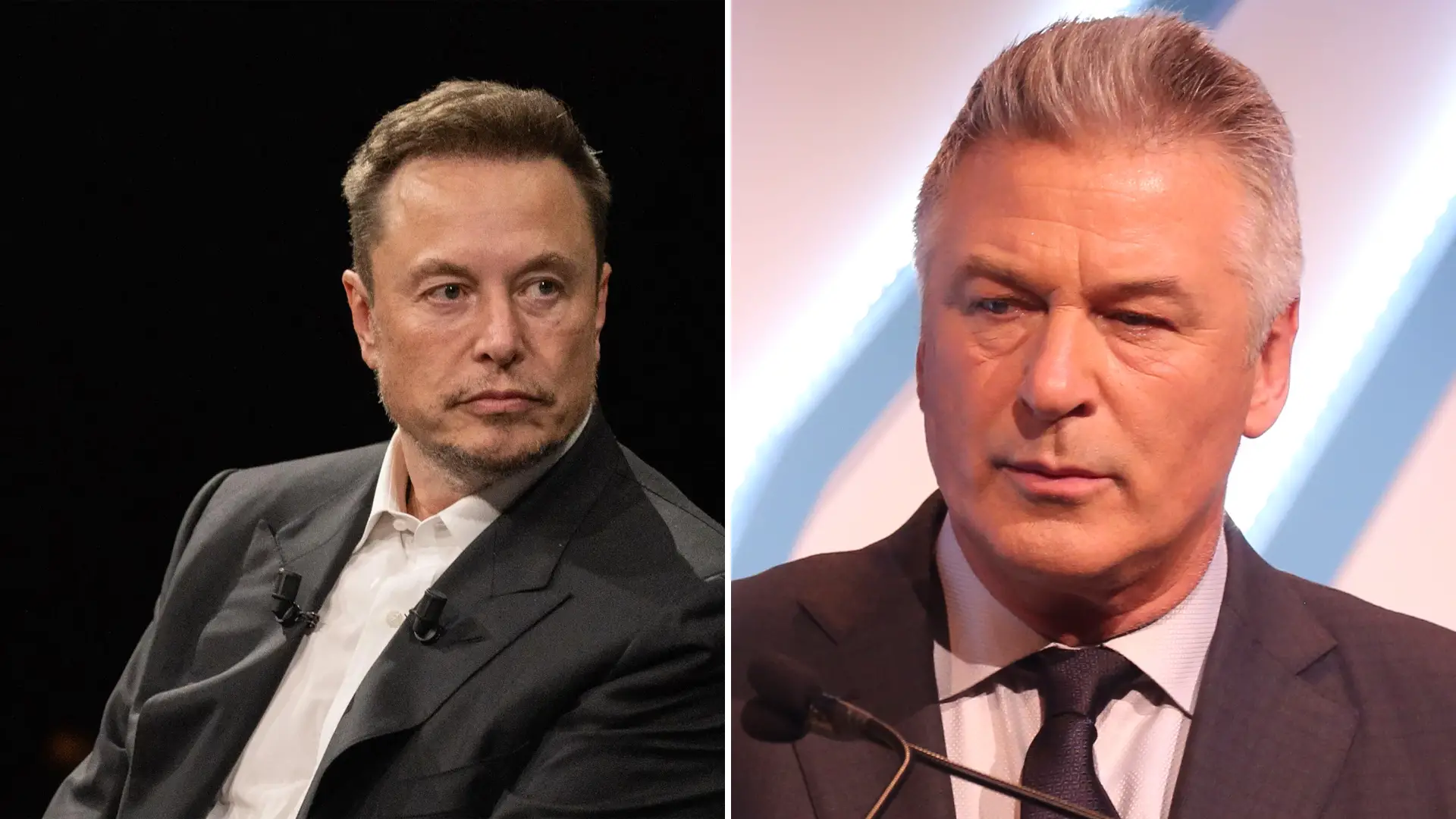
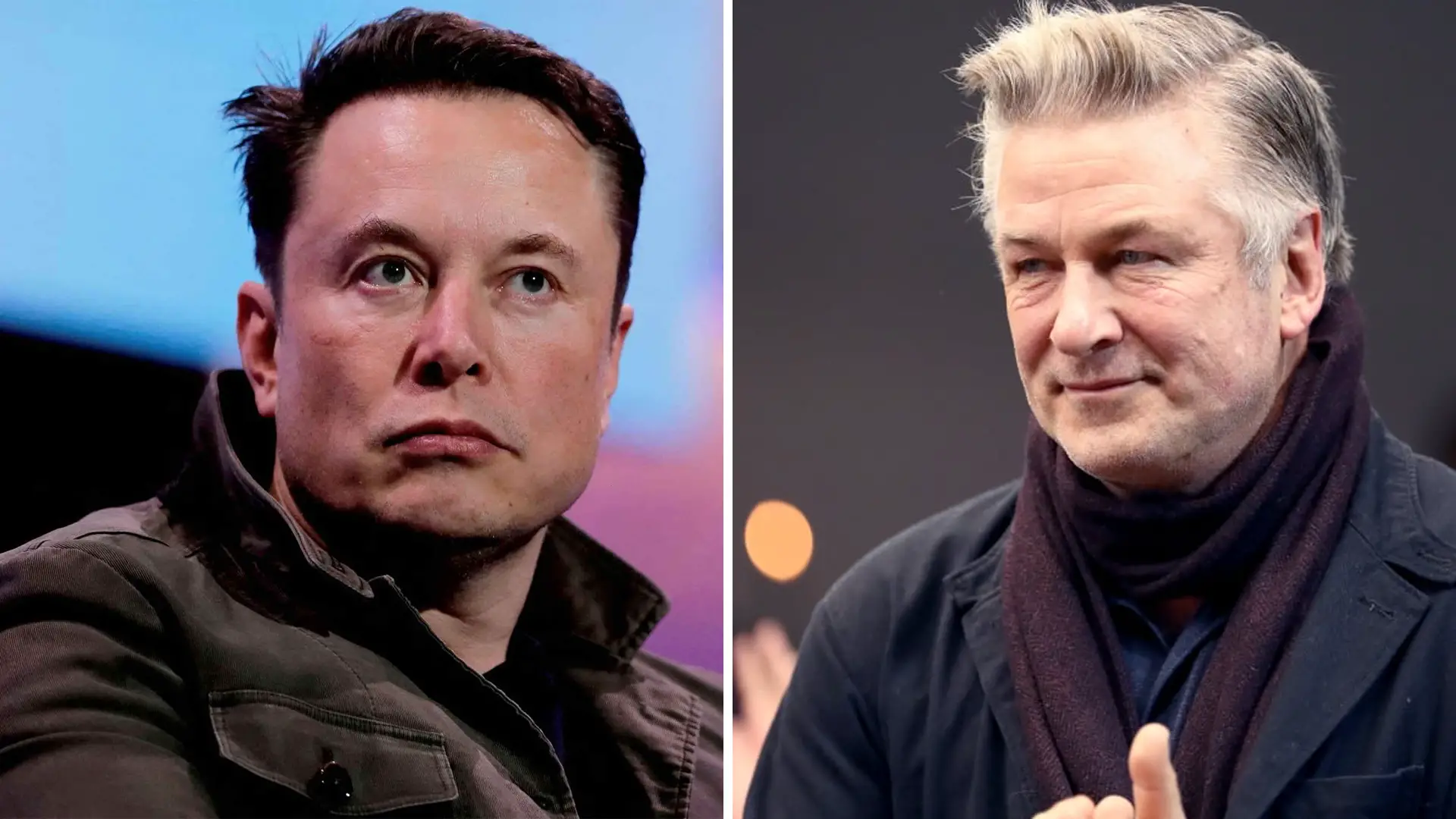
The public "showdown" between Alec Baldwin and Elon Musk represents a significant cultural flashpoint where traditional Hollywood liberalism clashes with the disruptive, tech-centric libertarianism of Silicon Valley. This rivalry is characterized by social media sniping, divergent views on free speech, and personal legal controversies that have played out across global headlines through 2026.
For over a decade, Alec Baldwin and Elon Musk have occupied opposite ends of the American cultural spectrum. Baldwin, a mainstay of the East Coast elite and a vocal advocate for Democratic causes, found his antithesis in Musk, the South African-born entrepreneur who relocated to Texas and transformed Twitter into X, a platform that he claims champions "free speech" but critics argue facilitates polarization. As of 2026, this rivalry remains a primary case study in how personal animosity between public figures can mirror the deep ideological rifts within the United States.
The Ideological Chasm: Old Hollywood vs. New Tech
At the heart of the Baldwin-Musk friction is a fundamental disagreement over the role of public figures in society and the limits of discourse. Alec Baldwin represents a generation of performers who believe in institutional gatekeeping, traditional media ethics, and a robust social safety net. His long tenure on Saturday Night Live, particularly his Emmy-winning portrayal of Donald Trump, positioned him as a satirical vanguard against the very brand of populism that Elon Musk eventually embraced.
Conversely, Elon Musk views the world through the lens of disruption. His acquisition of X in late 2022 was not just a business move but a political statement against what he termed the "woke mind virus." Musk’s philosophy prioritizes individual agency and the dismantling of traditional editorial oversight, which stands in direct opposition to Baldwin’s frequent calls for more regulated, civil public squares. This ideological divide isn't merely academic; it translates into how both men use their respective platforms to shape public opinion and influence policy discussions.
The Battleground of X: A Digital Arena
Since Musk took the helm of X, the platform has become the primary arena for their public disagreements. Baldwin, who has had a tumultuous relationship with social media—deactivating and reactivating his accounts multiple times—frequently used Twitter to critique Musk’s management style and the perceived rise of misinformation on the platform.
Musk’s response has typically involved the use of memes, sarcasm, and direct engagement with Baldwin’s critics. This digital "showdown" reached a fever pitch during the height of Baldwin’s legal challenges surrounding the Rust film set tragedy. Musk’s willingness to allow or even participate in discussions that were highly critical of Baldwin’s role in the incident created a permanent rift. From Baldwin's perspective, Musk’s platform became a tool for harassment; from Musk’s perspective, he was simply allowing the public to voice their opinions without the protection of Hollywood publicists.
Legal Turmoil and Public Perception
Both men have faced significant legal and reputational hurdles that have colored their "ultimate showdown." By 2026, the resolution of Baldwin’s criminal proceedings regarding the 2021 accidental shooting of Halyna Hutchins has fundamentally altered his public persona. While Baldwin sought to rebuild his career through independent projects and podcasting, the shadow of the incident remains a point of attack for his detractors, including those within Musk's digital orbit.
Elon Musk, meanwhile, has navigated a series of high-stakes legal battles involving Tesla’s autonomous driving claims, SEC filings, and the labor practices at SpaceX. The contrast in their legal struggles is telling: Baldwin’s issues were largely seen as a tragic personal and professional failure within the arts, while Musk’s legal issues are often framed as a battle between a visionary and "regressive" government oversight. This difference in framing ensures that any interaction between the two is viewed through a lens of "victim vs. victor" or "tradition vs. progress," depending on the observer's political leaning.
Comparative Dynamics: Baldwin and Musk
The following table outlines the key areas of divergence between Alec Baldwin and Elon Musk as of 2026, highlighting the structural reasons for their ongoing public friction.
| Feature | Alec Baldwin | Elon Musk |
|---|---|---|
| Primary Power Base | Entertainment & Media (Hollywood/Broadway) | Technology & Industrial (SpaceX/Tesla/X) |
| Political Alignment | Traditional Liberal / Democratic | Libertarian-Leaning / Populist Conservative |
| Social Media Strategy | Episodic, formal statements, frequent exits | Constant engagement, meme-driven, direct ownership |
| View on Free Speech | Emphasizes responsibility and harm reduction | Absolutist; prioritizes removal of "censorship" |
| Public Persona | The Sophisticated Orator / Satirist | The Eccentric Engineer / Disruptor |
| Key Controversy (2020s) | Rust set shooting legal proceedings | X acquisition and content moderation shifts |
The Satire Factor: SNL and the Power of Mockery
A major catalyst for the "showdown" is the role of Saturday Night Live (SNL). Baldwin is an institution at SNL, holding the record for the most times hosting the show. The program has long been a thorn in Musk’s side, particularly after his own controversial hosting stint in 2021. Musk has frequently criticized SNL as being "unfunny" and "too political," while Baldwin has defended the show as a necessary mirror for society.
When Baldwin satirizes figures that Musk supports, or when the show satirizes Musk himself, it triggers a feedback loop. Musk uses his ownership of X to amplify clips that mock SNL’s ratings or relevance, while Baldwin uses his public appearances to question the character of "tech bros" who lack a sense of humor or social responsibility. This dynamic turns a personal disagreement into a broader debate about the value of satire in the 21st century.
Cultural Impact: Why the Rivalry Matters
The rivalry between Alec Baldwin and Elon Musk is more than celebrity gossip; it is a microcosm of the "Great Decoupling" in American society. It represents the separation between the coastal intellectual/artistic class and the rising power of the tech-industrial complex.
- The Shift in Cultural Capital: For decades, Hollywood held the keys to cultural influence. Musk’s rise signals a shift where technical prowess and platform ownership now rival or exceed the influence of traditional fame.
- Platform Neutrality vs. Curation: The feud highlights the debate over whether social media platforms should be neutral utilities or curated environments. Baldwin argues for curation to prevent harm; Musk argues for neutrality to prevent bias.
- The Personal as Political: Both men have made their personal lives highly public, leading to a situation where their personal failures (legal troubles, divorces, business setbacks) are used as ammunition in ideological battles.
FAQ: Understanding the Baldwin-Musk Conflict
Why do Alec Baldwin and Elon Musk dislike each other?
The animosity stems from a combination of political differences, Musk’s acquisition of Twitter (which Baldwin criticized), and personal comments made by Musk regarding Baldwin’s legal troubles. Baldwin views Musk as a dangerous influence on public discourse, while Musk views Baldwin as a symbol of an out-of-touch Hollywood elite.
Has Elon Musk ever responded directly to Alec Baldwin on X?
Yes, on several occasions. Musk has replied to threads regarding Baldwin’s interviews and SNL performances, often using dismissive language or memes to undermine Baldwin’s arguments. He has specifically criticized Baldwin’s stance on gun safety and his political commentary.
Did Alec Baldwin leave X because of Elon Musk?
Baldwin has deactivated his X account multiple times, citing the toxic environment of the platform. While he has not always named Musk as the sole reason, he has explicitly criticized the changes made to the platform’s moderation policies under Musk’s ownership as a primary factor in his dissatisfaction with social media.
What was the impact of the Rust shooting on this rivalry?
The Rust tragedy became a flashpoint. Many of Musk’s supporters used the platform to aggressively criticize Baldwin, and Musk himself made comments that were perceived as making light of the situation or questioning Baldwin’s accountability. This deepened the personal nature of their conflict.
Are there any legal battles between the two?
As of 2026, there are no direct lawsuits between Alec Baldwin and Elon Musk. Their "showdown" remains entirely in the realms of public opinion, social media, and media commentary. However, both have been involved in separate, high-profile legal matters that the other has commented on.
Evaluating Public Figures in the Age of Polarization
To navigate the "showdown" between figures like Baldwin and Musk, readers should look past the inflammatory rhetoric and focus on the underlying systemic changes they represent. The conflict is less about the individuals and more about the platforms they occupy and the audiences they command.
When consuming news or social media posts regarding their latest clash, it is essential to verify claims through multiple reputable sources and distinguish between personal barbs and substantive policy disagreements. The "Ultimate Showdown" is likely to continue as long as the cultural divide between traditional media and new tech remains unresolved. Following official legal filings and direct, unedited interviews provides a clearer picture than the curated and often distorted lens of social media "dunks" and headlines.