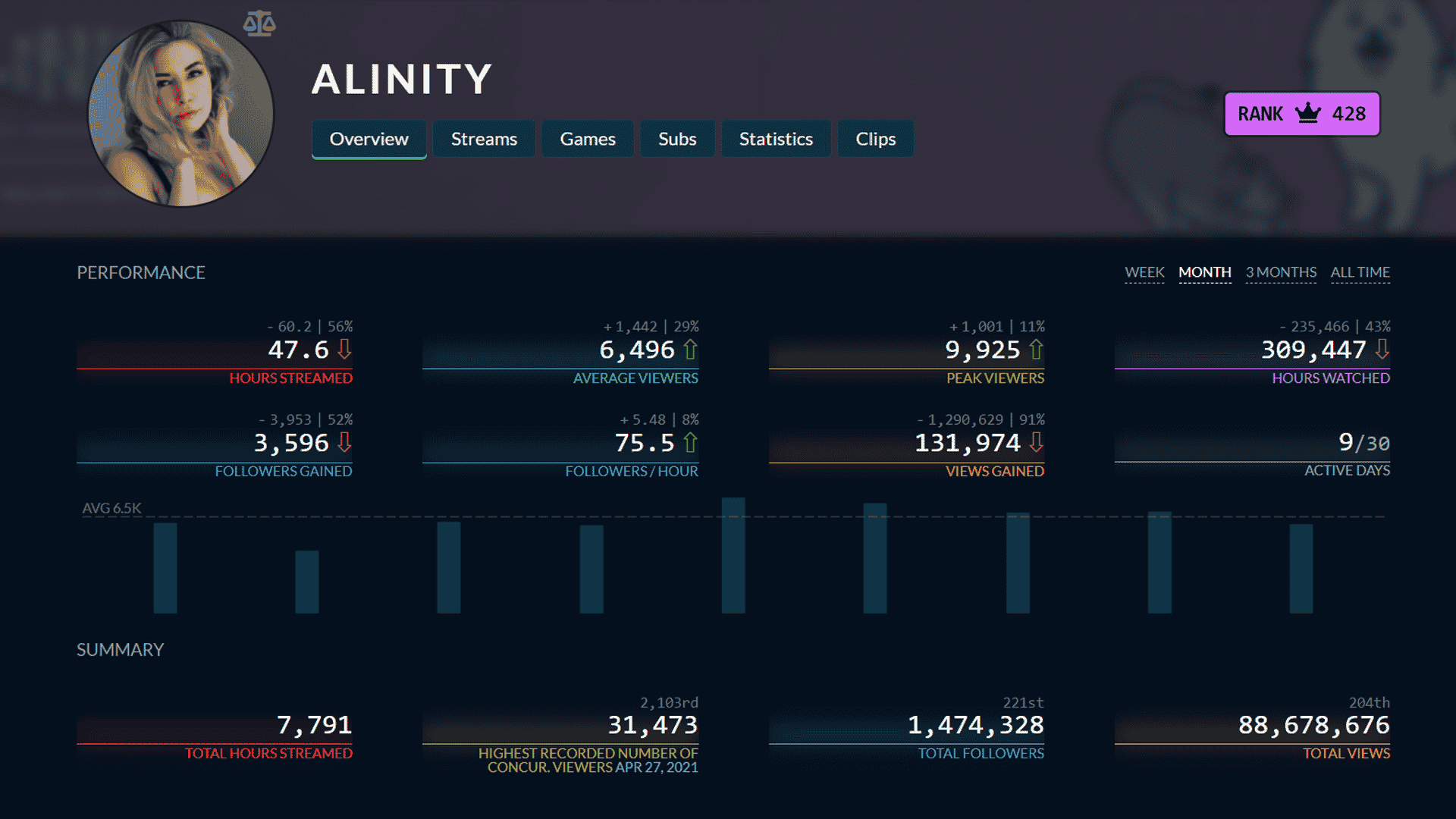
Alinity's net worth is estimated to be between $1.5 million and $2.5 million, accumulated primarily through her long-standing career as a prominent live streamer, content creator, and digital entrepreneur on platforms like Twitch and OnlyFans.
Understanding the financial trajectory of modern content creators requires looking beyond basic estimations to examine the actual mechanics of digital media monetization. Natalia "Alinity" Mogollon stands as one of the enduring figures of the live-streaming industry, having built her brand over more than a decade. Navigating the shifts in digital advertising, platform policy updates, and diversified revenue streams, she has transitioned from early gaming broadcasts into a multi-platform digital business. Analyzing her financial standing involves unpacking subscription models, ad revenue, brand sponsorships, and alternative content platforms that define the modern creator economy.
The Evolution of Alinity’s Streaming Career
The foundation of Alinity’s financial portfolio rests on her longevity within the live-streaming ecosystem. Beginning her broadcasting career on Twitch in the early 2010s, she capitalized on the platform's formative years when live video game streaming transitioned from a niche hobby into a mainstream media powerhouse. During this era, content creators relied heavily on direct viewer donations, basic ad-revenue sharing, and early affiliate programs.
As the industry matured, so did the monetization frameworks available to creators. Alinity diversified her content scope beyond traditional gameplay, incorporating "Just Chatting" streams, lifestyle content, and community interactions. This adaptability allowed her to retain a loyal audience despite shifting platform trends and algorithm updates. Her consistent presence over many years cemented her status as a legacy creator, giving her brand stability that newer streamers often take years to cultivate. Longevity in the streaming space directly correlates with audience trust and higher baseline viewership, both of which serve as core drivers of continuous revenue generation.
Primary Revenue Streams in the Creator Economy
Content creators of Alinity’s scale do not rely on a single income source; rather, they operate diversified digital media businesses. Analyzing the components of her estimated net worth reveals several distinct financial pillars:
- Platform Subscriptions: Twitch tier-based subscriptions provide a predictable monthly baseline. While platform revenue splits have historically varied based on negotiation and tier status, subscription fees form a steady foundation.
- Direct Advertising and Pre-Rolls: Integrated ad monetization on video platforms yields passive income scaled directly against total view counts and unique impressions.
- Direct Fan Donations and Bits: Interactive tipping mechanisms during live broadcasts offer immediate financial support from engaged community members.
- Brand Partnerships and Sponsorships: Endorsement deals with gaming hardware manufacturers, software developers, and lifestyle brands often represent high-value contracts.
The shift toward multi-platform distribution has further insulated creators from the revenue fluctuations inherent to any single website. By establishing presences across YouTube, Twitter, and secondary subscription sites, top creators optimize their market reach and revenue resilience.
| Revenue Source | Primary Mechanism | Approximate Income Impact | Stability Level |
|---|---|---|---|
| Twitch Subscriptions | Monthly recurring fees | High baseline revenue | Moderate to High |
| Brand Sponsorships | Contractual endorsements | Variable lump sums | Low to Moderate |
| Ad Revenue | Platform-managed pre-rolls | Consistent supplementary yield | High |
| Alternative Platforms | Direct consumer subscriptions | High margin per user | High |
Expansion into Alternative Platforms and Diversification
In recent years, the maturation of the creator economy has prompted many prominent streamers to expand beyond Twitch and YouTube into alternative monetization ecosystems. Alinity notably joined platforms like OnlyFans, a move that significantly impacted her financial portfolio. Unlike traditional ad-supported streaming platforms, subscription-based alternative sites operate on a direct-to-consumer model, allowing creators to retain a substantially higher percentage of their earnings—often around 80%.
This diversification strategy serves multiple purposes. First, it hedges against the financial volatility of platform bans, demonetization events, or policy shifts that can instantly strip a creator of their primary income. Second, it caters to segments of an audience willing to pay a premium for exclusive, uncensored, or personalized content. For established public figures with large existing social media followings, converting even a small fraction of their viewer base into paying subscribers on secondary platforms yields substantial financial returns. Financial analysts tracking the creator economy frequently point to this multi-funnel approach as the primary reason veteran streamers maintain high net worths even when their live concurrent viewership fluctuates.
Public Controversies, Platform Penalties, and Financial Impact
No examination of Alinity’s career is complete without addressing the public controversies and platform disciplinary actions that have punctuated her timeline. Over the years, she has faced intense public scrutiny, viral backlash, and multiple temporary bans on Twitch stemming from copyright strikes, policy violations, and incidents caught live on camera.
While negative publicity can severely damage a public figure's career, in the streaming industry, notoriety has often functioned as a double-edged sword. Controversies frequently drive massive spikes in viewer traffic, search engine visibility, and social media engagement. However, these events also carry tangible financial risks, including the immediate suspension of ad revenue, the cancellation of high-profile brand sponsorships, and reputational damage that can deter corporate partners.
Navigating these crises requires active public relations management and community retention strategies. Alinity’s ability to weather prolonged controversies and rebuild her audience base demonstrates the resilience of established digital brands. Nevertheless, brand safety guidelines enforced by major corporate advertisers mean that controversies invariably limit access to top-tier institutional sponsorship deals, forcing creators to rely more heavily on direct consumer monetization models rather than corporate partnerships.
Estimating Net Worth: Challenges and Variables
Calculating the exact net worth of digital creators like Alinity involves significant estimation due to the private nature of creator contracts, taxes, business expenses, and investment portfolios. Publicly available net worth aggregators often rely on outdated metrics, unverified assumptions about ad revenue splits, or inflated estimates of brand partnership values.
To understand the financial reality behind these figures, several underlying business expenses must be considered:
- Production and Equipment Costs: High-end streaming setups, multi-camera rigs, specialized audio hardware, and high-speed fiber internet infrastructure require continuous capital investment.
- Personnel and Management: Top creators frequently employ talent managers, legal counsel, video editors, and moderation teams, all of which reduce net take-home earnings.
- Tax Obligations: As independent contractors and small business owners, creators face substantial self-employment taxes, federal income taxes, and state-level levies depending on their jurisdiction.
- Reinvestment and Savings: Long-term financial stability depends heavily on how effectively earnings are diversified into real estate, stocks, and secondary business ventures rather than retained as liquid cash.
Consequently, while gross earnings over a decade-long career may total several million dollars, net worth represents the residual value after accounting for overhead, operational costs, and personal expenditures.
Frequently Asked Questions
What is Alinity’s primary source of income?
Alinity’s income is distributed across multiple channels, but historically, live-streaming subscriptions, ad revenue on Twitch and YouTube, and direct consumer revenue from alternative subscription platforms form her primary financial drivers. Brand sponsorships also contribute periodically when active contracts are secured.
How much does Alinity make per month?
Exact monthly earnings are private and fluctuate based on viewer engagement, active subscriber counts, ad rates, and the frequency of sponsored content. While public estimates vary wildly, top-tier legacy streamers with diversified presences often generate tens of thousands of dollars monthly during peak periods, though overhead costs reduce net profit.
Why did Alinity join OnlyFans?
Like many digital creators, Alinity joined OnlyFans to diversify her income streams and capitalize on a direct-to-consumer monetization model. Alternative subscription platforms offer higher revenue retention percentages compared to traditional streaming sites, providing financial insulation against ad-pocalypse events and platform policy restrictions.
Has Alinity ever been permanently banned from Twitch?
Alinity has faced numerous temporary suspensions and policy warnings throughout her career, but she has not received a permanent ban from Twitch. Her ability to return and rebuild her viewership after disciplinary actions has allowed her to maintain her primary broadcasting foundation.
How long has Alinity been streaming?
Alinity began broadcasting publicly in the early 2010s, making her one of the longest-tenuring active female streamers in the mainstream live-streaming industry. Her multi-year presence predates the massive corporate expansion and mainstream commercialization of platforms like Twitch.
Navigating Digital Creator Financial Research
Evaluating the financial status of public figures in the digital space requires a critical approach to available data. Because platforms do not publicly disclose individual creator payouts, figures published across financial blogs and biography websites should be interpreted as educated estimates rather than verified audits. For readers interested in the creator economy, observing the structural shifts—such as the migration toward independent monetization and the evolution of brand safety guidelines—provides a more reliable lens for understanding how digital wealth is generated and sustained over time. Aspiring creators should look past estimated net worth totals and instead examine the underlying business diversification strategies that enable long-term career viability in a rapidly changing media landscape.