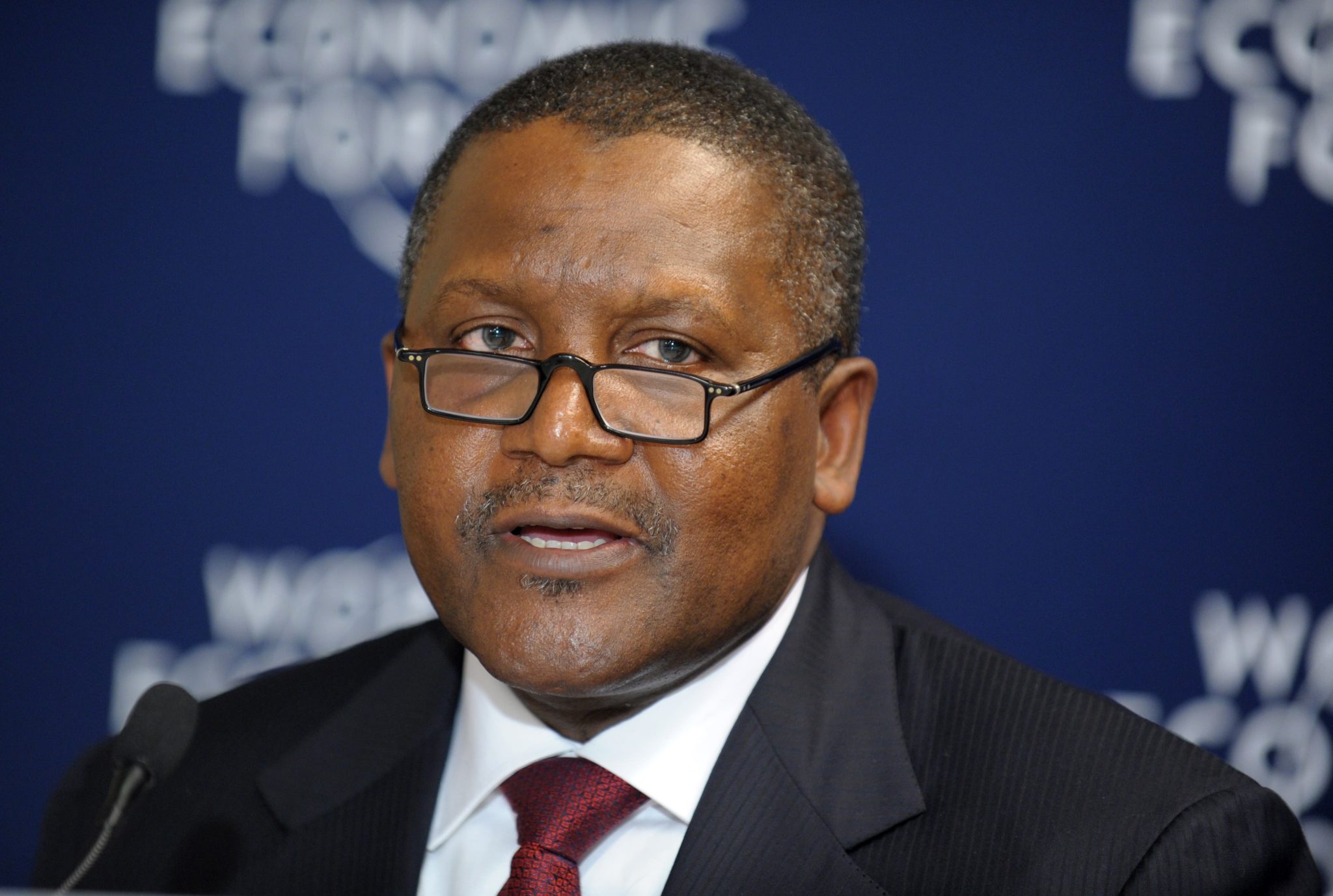
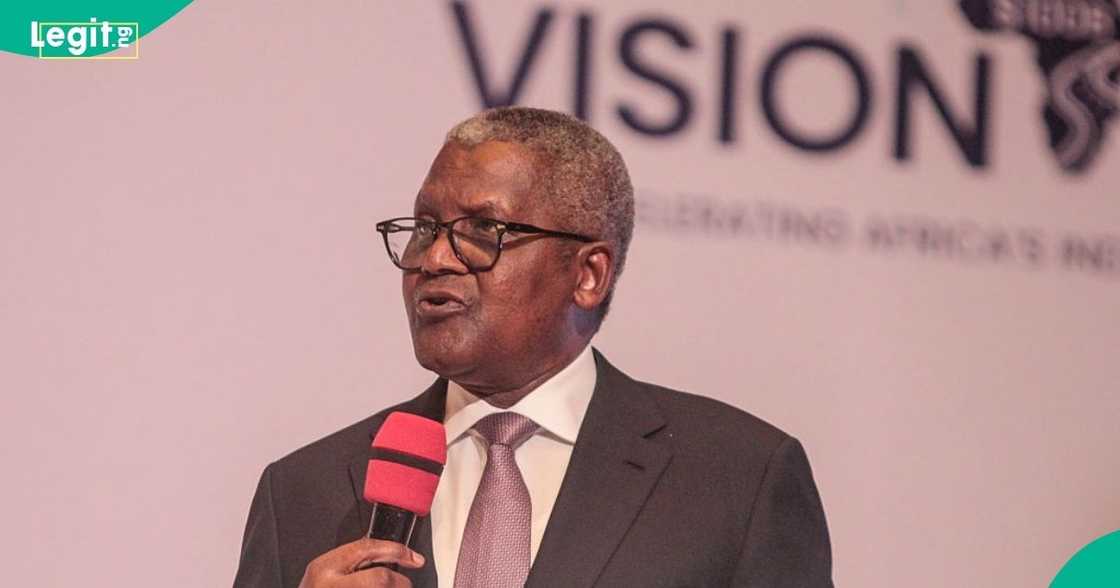
Aliko Dangote's net worth in 2018 stood at approximately $14.1 billion, cementing his status as the richest individual on the African continent according to global wealth tracking publications like Forbes. This valuation reflected the massive industrial scale of Dangote Cement, alongside his expanding footprints in sugar, flour, and multi-billion-dollar infrastructure projects across Nigeria and sub-Saharan Africa.
Understanding the mechanics behind an ultra-high-net-worth individual's fortune requires looking closely at asset allocation, market capitalization, and macroeconomic conditions. For financial analysts, economists, and business historians, the year 2018 represents a critical baseline for evaluating how emerging-market tycoons build, maintain, and defend multi-billion-dollar empires amid currency volatility and shifting commodity prices.
Economic Environment and Market Dynamics in 2018
The macroeconomic climate of 2018 played a decisive role in shaping the valuation of industrial assets across sub-Saharan Africa. Nigeria, the powerhouse of West Africa and the home base of Dangote's primary operations, was steadily emerging from the 2016 economic recession. Foreign exchange liquidity challenges, fluctuating crude oil prices, and infrastructural deficits created a complex operating environment for large-scale manufacturing enterprises.
Despite these hurdles, heavy industry and consumer staples demonstrated remarkable resilience. Equity valuations on the Nigerian Stock Exchange (NSE) experienced periodic corrections, yet dominant market players with high barriers to entry retained strong pricing power. Because the bulk of Dangote's wealth was tied to publicly traded and private industrial assets—chiefly Dangote Cement—his net worth fluctuated in tandem with equity performance, local currency stability, and regional demand for construction materials.
Breakdown of the Dangote Business Empire
The foundation of Aliko Dangote's 2018 fortune rested on a diversified industrial conglomerate spanning multiple sectors. Unlike wealth derived primarily from technology or speculative finance, Dangote's capital was anchored in physical infrastructure, production facilities, and fast-moving consumer goods.
Dangote Cement Plc
Dangote Cement was by far the single largest contributor to the billionaire's net worth. With operational plants spanning Ghana, Senegal, Cameroon, Ethiopia, Zambia, and South Africa, the company dominated regional cement supply chains. In 2018, the company's market capitalization on the Nigerian Stock Exchange accounted for over 60% of total wealth calculations. High domestic demand for housing, roads, and commercial real estate ensured steady revenue streams despite regional cost pressures.
Sugar, Flour, and Consumer Goods
Beyond heavy construction materials, the Dangote Group maintained absolute market leadership in food processing. Dangote Sugar Refinery and Flour Mills of Nigeria (alongside independent flour interests) supplied essential commodities to millions of households. These consumer-facing entities provided steady cash flow cushions, balancing the capital-intensive and cyclical nature of cement production and infrastructure development.
The Port Harcourt and Lekki Mega-Projects
During 2018, substantial capital expenditure was actively deployed into future-leaning projects, most notably the Dangote Refinery and Petrochemical complex located in the Lekki Free Trade Zone near Lagos. While these multi-billion-dollar capital investments reduced immediate liquid cash valuations, financial analysts factored the projected enterprise value of these mega-projects into long-term fortune estimates, recognizing their potential to transform regional energy markets.
Comparative Wealth Analysis of African Billionaires in 2018
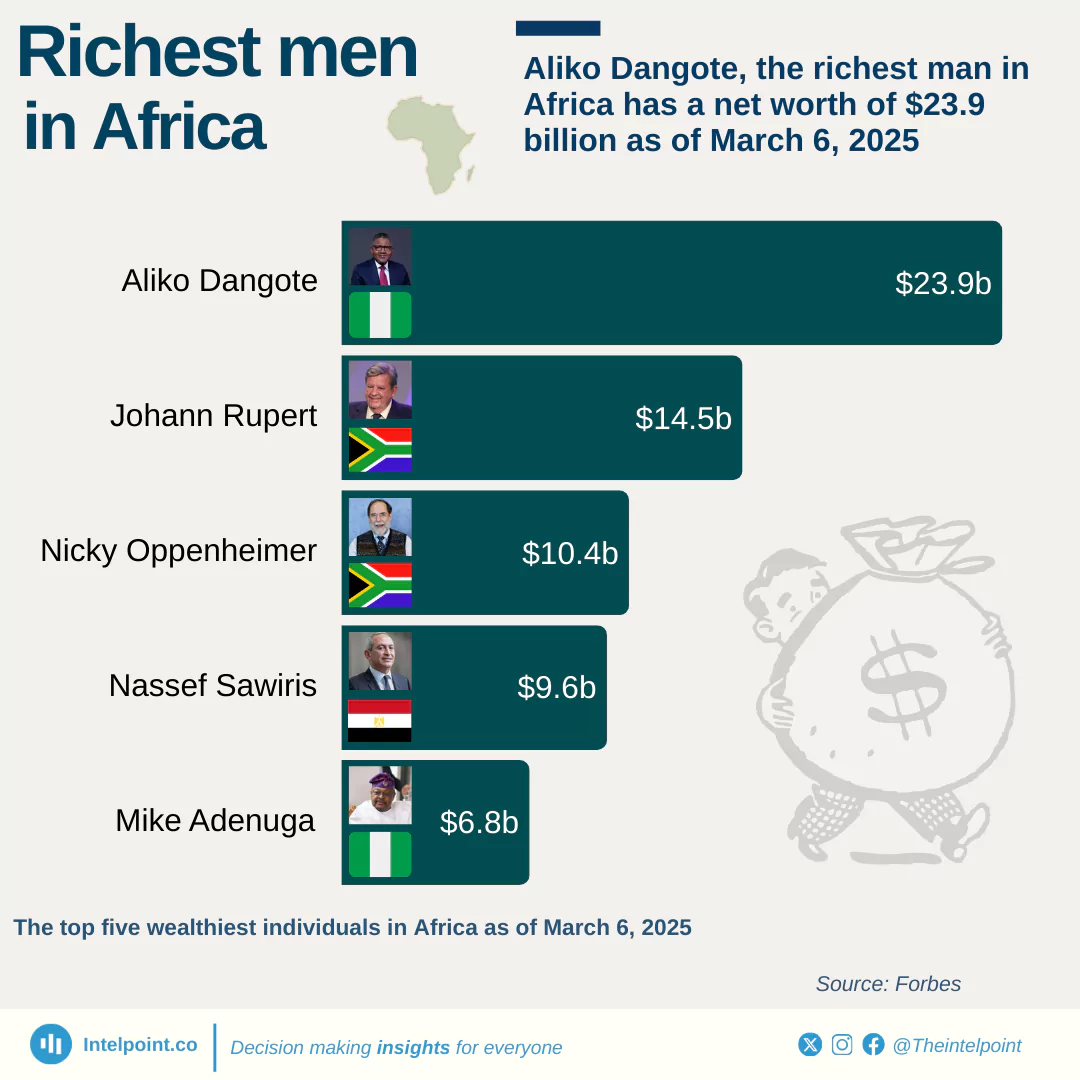
To contextualize Aliko Dangote's financial standing in 2018, it is helpful to examine how his estimated net worth compared to other prominent African business magnates during the same period. Wealth distribution across the continent remained heavily concentrated in sectors such as telecommunications, finance, luxury goods, and mining.
| Name | Country of Origin | Primary Industry | Estimated Net Worth (2018) | Key Asset Driver |
|---|---|---|---|---|
| Aliko Dangote | Nigeria | Cement, Commodities | $14.1 Billion | Dangote Cement Plc |
| Mike Adenuga | Nigeria | Telecom, Oil & Gas | $5.3 Billion | Globacom, Conoil |
| NICK OPPENHEIMER | South Africa | Mining, Luxury | $7.7 Billion | De Beers (Historical), Venture Capital |
| Johann Rupert | South Africa | Luxury Goods | $7.2 Billion | Richemont |
| Nassef Sawiris | Egypt | Construction, Fertilizers | $6.6 Billion | OCI N.V., LafargeHolcim |
This comparison highlights the dominance of industrial manufacturing and diversified holdings in anchoring top-tier wealth in Africa, setting Dangote apart by a wide margin in terms of total aggregate valuation.
Methodology Behind Wealth Estimation and Forbes Tracking
Calculating the net worth of billionaires requires a rigorous, transparent, and standardized methodology. Global financial media outlets, most notably Forbes and Bloomberg, employ specialized valuation models to track real-time and annual fortunes.
For public equities, analysts multiply the subject's share ownership by the prevailing stock price on a specific cutoff date. This introduces daily volatility, as market dips or surges instantly adjust the headline figure. For privately held companies—such as Dangote's unlisted subsidiaries in logistics, agriculture, and early-stage oil refining—analysts rely on comparable public company metrics, industry price-to-earnings (P/E) ratios, and verified financial disclosures.
Furthermore, currency conversion plays a pivotal role. Because Dangote's primary assets generate revenue in Nigerian Naira (NGN), valuations reported in US Dollars (USD) depend entirely on the official and parallel market exchange rates tracked during specific reporting windows in 2018. Adjustments are also made for known liabilities, philanthropic endowments, and real estate holdings outside corporate balance sheets.
Strategic Impact of Industrial Scaling on Long-Term Wealth
The evolution of Aliko Dangote's fortune underscores a broader economic principle: wealth derived from foundational industrialization scales proportionally with national and continental development. By controlling the supply chains for basic human needs—food, shelter (cement), and energy—the conglomerate insulated itself against localized economic downturns.
In 2018, analysts frequently debated the concentration risk of holding such immense wealth within single-country macroeconomic frameworks. This exact realization motivated the aggressive cross-border expansion of Dangote Cement into other African nations, diversifying geographic revenue sources and reducing reliance on any single national economy. Consequently, the 2018 fortune estimate was not merely a reflection of past accumulation, but a priced-in valuation of future regional dominance.
Frequently Asked Questions
What was Aliko Dangote's exact net worth in 2018?
Aliko Dangote's net worth in 2018 was estimated by Forbes at approximately $14.1 billion. This figure fluctuated throughout the year based on the daily performance of Dangote Cement shares on the Nigerian Stock Exchange and prevailing currency exchange rates against the US Dollar.
Which company contributed the most to Dangote's 2018 fortune?
Dangote Cement Plc was the single largest contributor, representing well over half of his total wealth. The company's dominant market share across West and East Africa provided robust, recurring revenues that overshadowed his other ventures in sugar, flour, and salt.
How did Forbes calculate Dangote's net worth in 2018?
Forbes calculates net worth by tracking public stock holdings using official exchange closing prices, evaluating private company stakes through comparative industry valuations, and subtracting estimated personal liabilities and debt obligations. Currency conversions from local currencies to US Dollars are applied using standardized annual average or year-end exchange rates.
Why did Aliko Dangote's net worth fluctuate during 2018?
Net worth fluctuations were driven primarily by equity price volatility on local stock exchanges, changes in foreign exchange liquidity in Nigeria, and the massive capital expenditures poured into long-term infrastructure projects like the Lekki refinery, which temporarily tied up liquid capital in exchange for future enterprise value.
Was Aliko Dangote the richest man in Africa in 2018?
Yes, Aliko Dangote held the title of the richest person in Africa in 2018, a position he maintained consistently for multiple consecutive years, outranking other prominent billionaires from South Africa, Egypt, and Nigeria.
Strategic Next Actions for Wealth and Market Analysis
Evaluating historical financial milestones like Aliko Dangote's 2018 fortune provides valuable perspective for investors and researchers studying emerging markets. To build upon this analysis:
- Review historical annual reports from the Nigerian Stock Exchange for 2018 to examine the underlying capitalization figures of constituent companies.
- Analyze longitudinal wealth tracking reports from recognized financial publications to observe how capital diversification strategies impact multi-billion-dollar portfolios over multi-year cycles.
- Monitor macroeconomic indicators such as currency devaluation rates and regional trade pacts (like the African Continental Free Trade Area) to understand how industrial empires adapt to structural trade reforms.