Alcohol poisoning is a serious and potentially fatal medical emergency that occurs when someone consumes a toxic amount of alcohol in a short period, overwhelming the body's ability to process and clear it. This condition depresses central nervous system functions, severely impacting vital autonomic processes such as breathing, heart rate, and temperature control. Immediate medical intervention is critical to prevent permanent organ damage, coma, or death.
The Physiological Impact of Ethanol on the Human Body
Ethanol, the type of alcohol found in beverages, is rapidly absorbed through the stomach and small intestine into the bloodstream. Unlike food, which requires extensive digestion, alcohol begins entering the bloodstream within minutes of consumption. Once circulating, it crosses the blood-brain barrier and interferes with neurotransmitter systems, specifically enhancing inhibitory gamma-aminobutyric acid (GABA) receptors while suppressing excitatory N-methyl-D-aspartate (NMDA) glutamate receptors. This dual action causes the hallmark behavioral sedation, slowed reaction times, and impaired coordination associated with intoxication.
As blood alcohol concentration (BAC) continues to rise, the liver works to metabolize the substance using the enzyme alcohol dehydrogenase, converting ethanol into acetaldehyde—a toxic byproduct—and subsequently into acetate. However, the human liver can only process a finite amount of alcohol per hour, roughly equivalent to one standard drink. When heavy or binge drinking outpaces this metabolic rate, excess alcohol remains in the bloodstream, flooding vital organs and central nervous system centers.
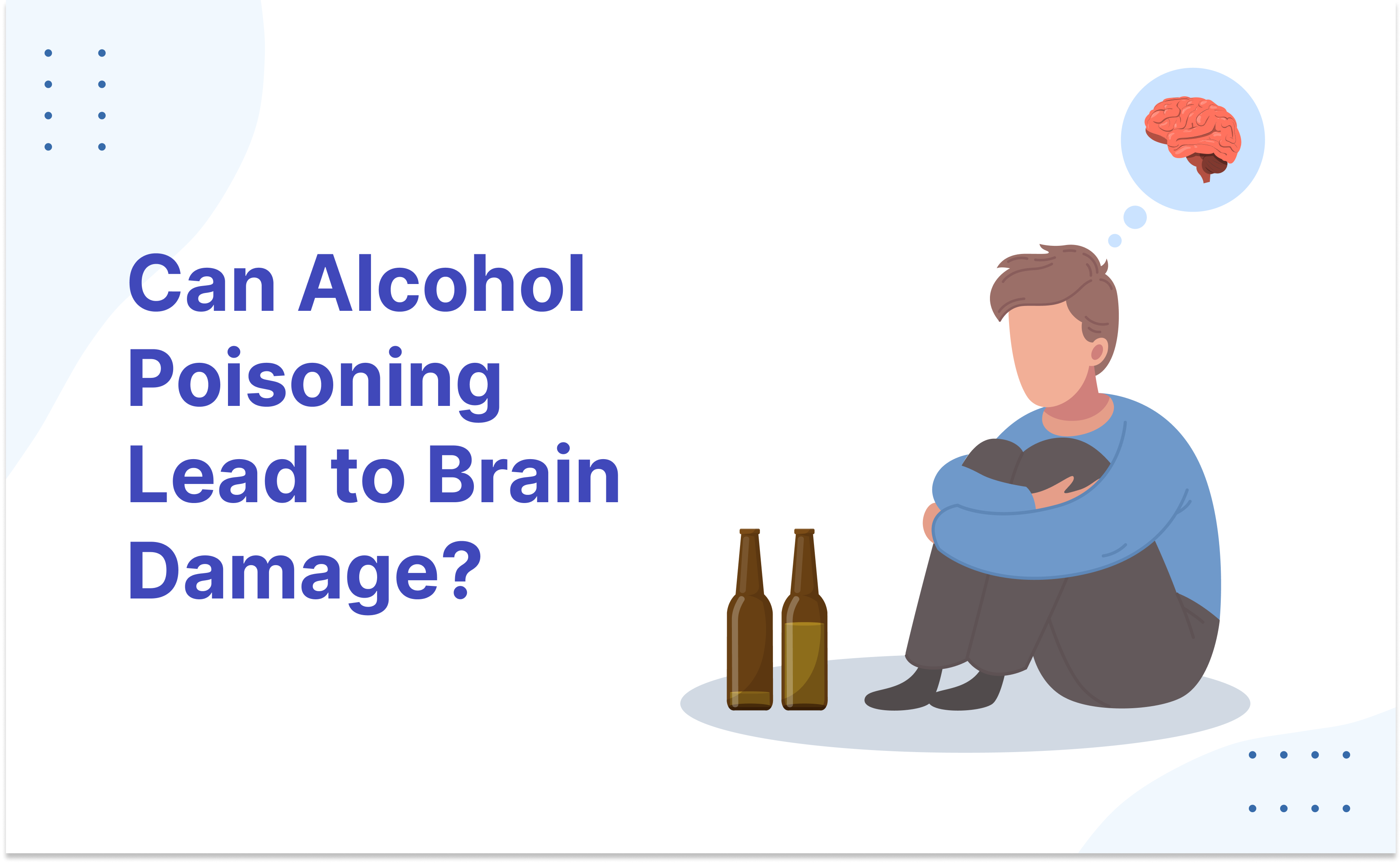
At critically high BAC levels, the brainstem becomes heavily suppressed. The brainstem is responsible for regulating involuntary life-support functions, including respiratory drive, blood pressure, and gag reflexes. When these centers shut down, the individual risks respiratory arrest, dangerous drops in body temperature (hypothermia), severe dehydration, and profoundly low blood sugar (hypoglycemia) that can induce seizures or permanent brain injury.
Identifying Key Signs and Symptoms of Toxicity
Recognizing alcohol poisoning requires looking beyond standard behavioral changes associated with typical drunkenness. Because tolerance levels vary significantly among individuals, relying solely on how much someone drank is an unreliable metric. Instead, observers must look for specific physiological warning signs indicating that the body has crossed the threshold from heavy intoxication into acute toxicity.
Common indicators of severe alcohol toxicity include:
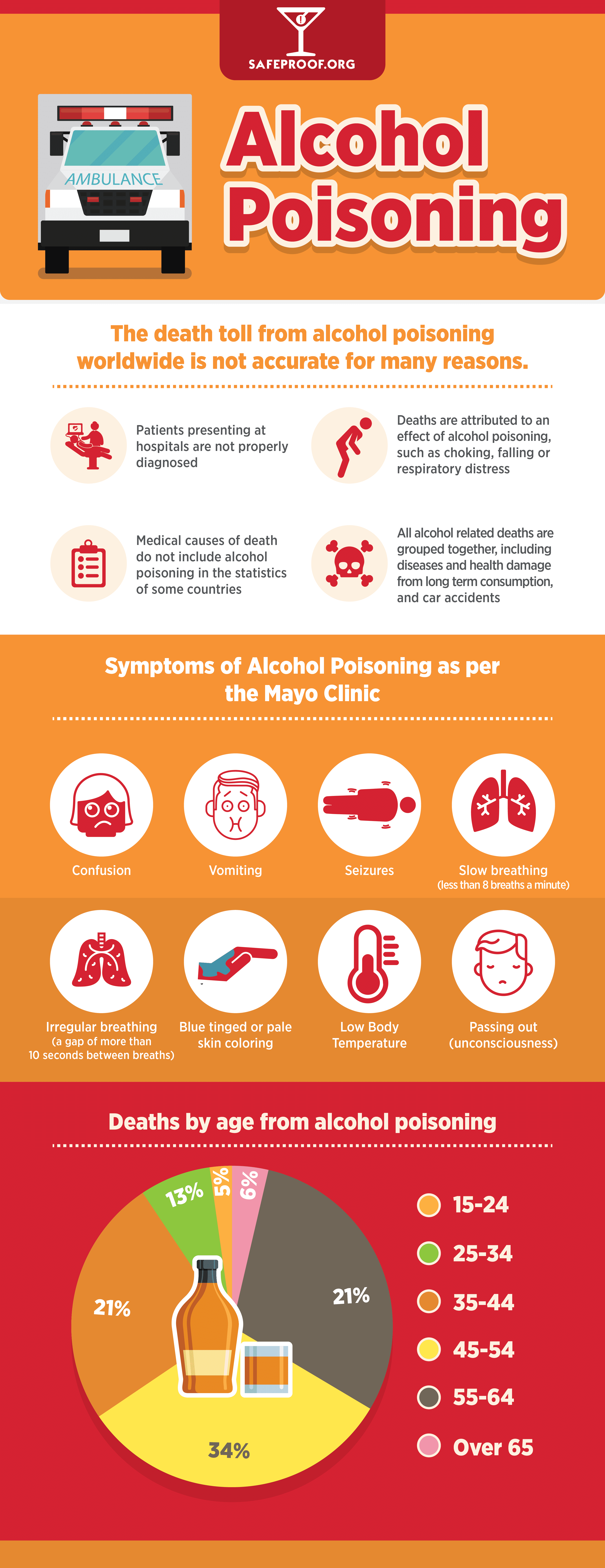
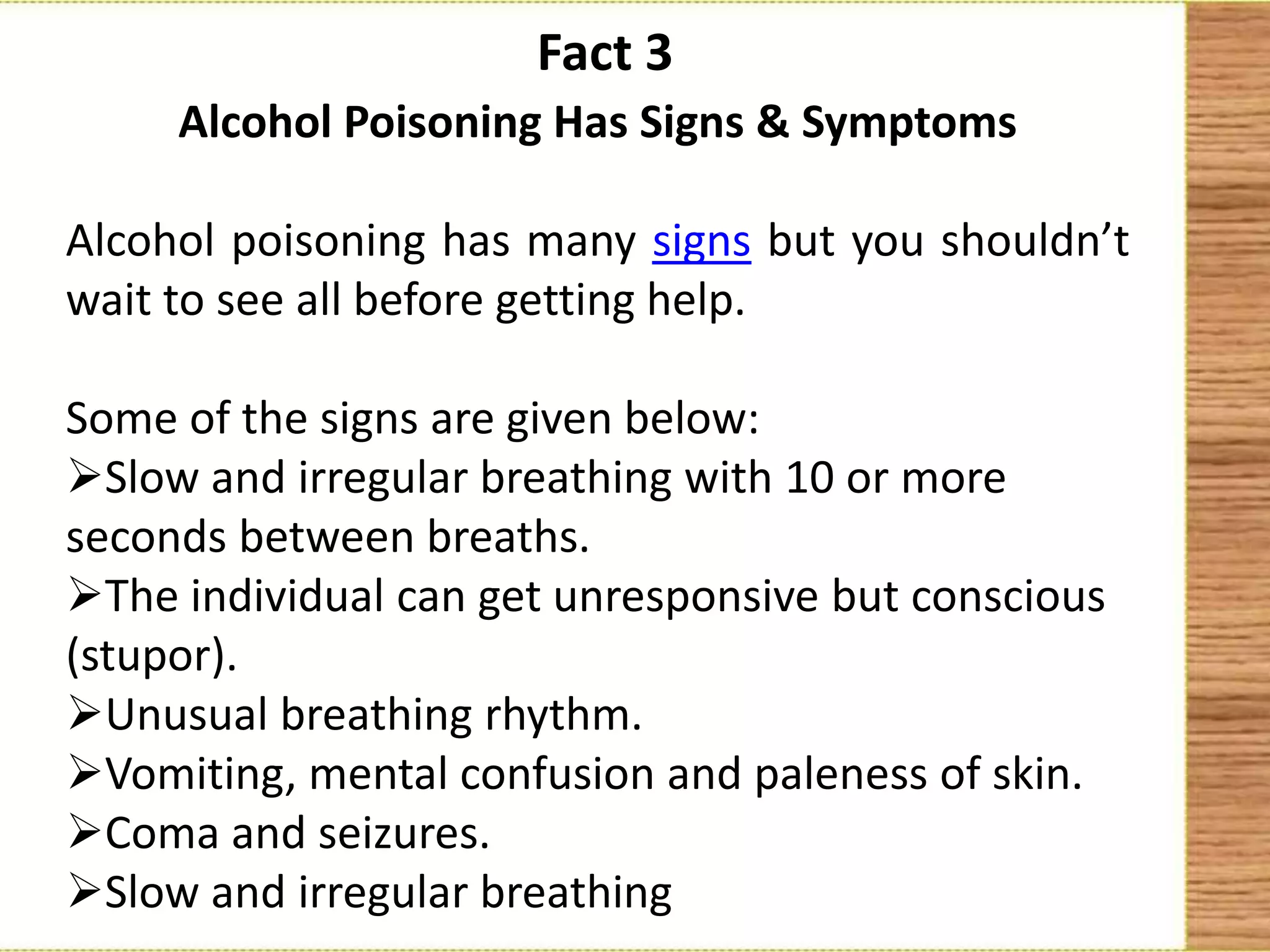
- Mental confusion, stupor, or an inability to be roused from sleep or unconsciousness.
- Slowed or irregular breathing, defined as fewer than eight breaths per minute or gaps of ten seconds or more between breaths.
- Cold, clammy, pale, or bluish skin, lips, or fingernails, which indicates poor circulation and oxygenation.
- Persistent vomiting while unconscious or semi-conscious, posing an extreme risk of choking and aspiration into the lungs.
- Loss of physical coordination, inability to stand, or complete motor unresponsiveness.
- Seizures resulting from severe metabolic disturbances and electrolyte imbalances.
It is a dangerous myth that an individual can simply "sleep off" alcohol poisoning. Even after a person stops drinking, alcohol continues to enter the bloodstream from the stomach and intestines, causing BAC to rise further while they are unconscious. If someone exhibits any of the critical signs listed above, the situation demands urgent emergency evaluation rather than passive observation.
Comparative Overview of Intoxication Stages and Medical Thresholds
Understanding how progressive stages of blood alcohol concentration affect human physiology helps clarify when normal intoxication crosses into a medical emergency. The table below outlines standard BAC ranges, their typical behavioral manifestations, and the corresponding physiological risks.
| Blood Alcohol Concentration (BAC) | Typical Behavioral and Cognitive Effects | Associated Physiological Risks and Symptoms |
|---|---|---|
| 0.03% – 0.05% | Mild relaxation, slight impairment of judgment and coordination. | Minimal physical risk in healthy adults; slowed reflexes. |
| 0.08% – 0.15% | Significant impairment of motor coordination, memory loss, emotional instability. | Impaired balance, slurred speech, lowered inhibition, increased risk of injury. |
| 0.15% – 0.25% | Nausea, vomiting, severe motor deficits, lethargy, and disorientation. | Onset of acute toxicity risk, impaired gag reflex, substantial risk of choking. |
| 0.30% and Higher | Loss of consciousness, profound central nervous system depression, unresponsiveness. | Life-threatening respiratory depression, hypothermia, coma, and potential fatality. |
Major Risk Factors and Contributing Behaviors
Certain practices and biological characteristics significantly heighten an individual's susceptibility to alcohol poisoning. Binge drinking—defined by the National Institute on Alcohol Abuse and Alcoholism (NIAAA) as consuming patterns that bring BAC to 0.08 percent or higher, typically occurring after four drinks for women and five drinks for men within about two hours—is the primary behavioral catalyst. Consuming large quantities of high-proof liquor in rapid succession bypasses the body's natural pacing mechanisms, leading to a sudden surge in toxicity before warning signs of impairment become obvious.
Biological variables also play a decisive role. Body weight, muscle-to-fat composition, and biological sex influence how alcohol distributes through body water. Because muscle tissue contains more water than fat, individuals with higher body fat percentages or lower overall body mass generally achieve higher concentrations of alcohol in their blood from smaller amounts of the substance. Additionally, variations in metabolic enzyme efficiency, often tied to genetic background, affect how rapidly the body breaks down toxic byproducts.
Peer pressure, drinking games, and environments that normalize excessive consumption further amplify risks, particularly among young adults and college students. Furthermore, combining alcohol with other central nervous system depressants—such as opioids, benzodiazepines, barbiturates, or prescription sleep aids—creates a dangerous synergistic effect. This combination exponentially increases the likelihood of fatal respiratory depression at much lower doses of alcohol than would otherwise cause toxicity.
Immediate Emergency Response Steps
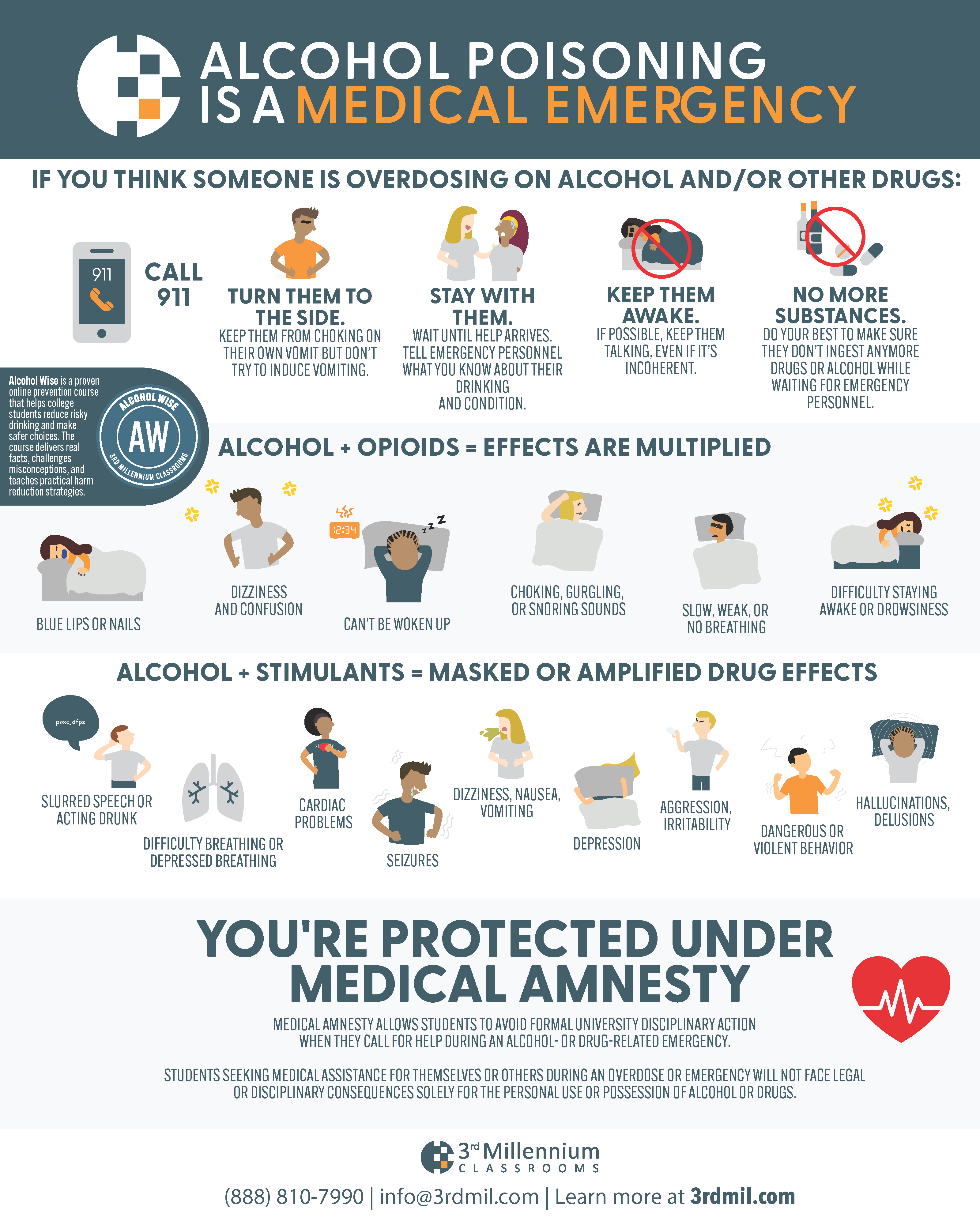
When faced with a suspected case of alcohol poisoning, swift and decisive action can save a life. Hesitating out of fear of legal repercussions or disciplinary action can have fatal consequences. Many regions have established legal protections, such as medical amnesty laws, designed to encourage individuals to seek emergency help for alcohol overdoses without fear of minor drug or alcohol possession charges.
- Call emergency services immediately (such as 911) if the person is unconscious, cannot be awakened, has irregular breathing, or experiences seizures.
- Do not leave the person alone. Position them safely on their side in the recovery position to prevent choking and aspiration if they vomit.
- Keep the airway clear and monitor their breathing continuously while waiting for emergency medical personnel to arrive.
- Gather accurate information if possible—such as what type of alcohol was consumed, how much was ingested, and when drinking began—to relay to medical responders.
- Never attempt to force the person to vomit, give them cold showers, feed them black coffee, or walk them around, as these common folk remedies are ineffective and can cause further injury, such as hypothermia or physical trauma.
Emergency medical professionals can provide critical supportive care, including intravenous fluids to combat severe dehydration, oxygen therapy to maintain blood oxygen saturation, gastric lavage or activated charcoal in specific acute scenarios, and continuous cardiac and respiratory monitoring until the body metabolizes the toxin.
Frequently Asked Questions
Can someone die from alcohol poisoning after they stop drinking?
Yes, a person can die from alcohol poisoning even after they stop drinking. Alcohol continues to be absorbed from the digestive tract into the bloodstream for up to 40 minutes after the last drink. As this residual alcohol enters circulation, the blood alcohol concentration can continue to rise to lethal levels while the individual is asleep or unconscious.
How is alcohol poisoning treated in a hospital?
Hospital treatment focuses entirely on supportive care while the body clears the toxin. Medical teams monitor vital signs closely, administer intravenous fluids to prevent dehydration and correct electrolyte imbalances, provide supplemental oxygen or mechanical ventilation if breathing fails, and manage complications such as seizures or severe hypothermia.
Is black coffee or a cold shower effective for sobering up?
No, neither black coffee, cold showers, nor physical exercise accelerates the liver's metabolism of alcohol. The human liver metabolizes alcohol at a fixed, steady rate that cannot be sped up by external interventions. Only time and professional medical support can safely manage acute alcohol toxicity.
What are the dangers of combining alcohol with other drugs?
Mixing alcohol with other central nervous system depressants, such as prescription opioids, anti-anxiety medications, or illicit substances, dramatically intensifies respiratory depression and sedation. This dangerous combination multiplies the risk of overdose, coma, and fatal respiratory failure at much lower quantities of alcohol.
What is the difference between a severe hangover and alcohol poisoning?
A hangover involves unpleasant physiological symptoms—such as headache, fatigue, and mild nausea—that occur hours after drinking as blood alcohol levels return to zero. Alcohol poisoning is a life-threatening medical emergency characterized by central nervous system failure, unresponsiveness, slow or irregular breathing, and dangerous drops in body temperature that require immediate emergency intervention.
Next Actions and Supportive Resources
If you or someone you know struggles with recurrent episodes of heavy drinking, unsafe consumption patterns, or suspected alcohol dependence, seeking professional guidance is essential for long-term health and safety. Educational and clinical resources provided by public health organizations offer confidential support, treatment locators, and evidence-based interventions for alcohol use disorders. Professional addiction specialists, primary care physicians, and licensed behavioral health counselors can develop comprehensive care plans tailored to individual needs, addressing both immediate safety and sustained recovery.