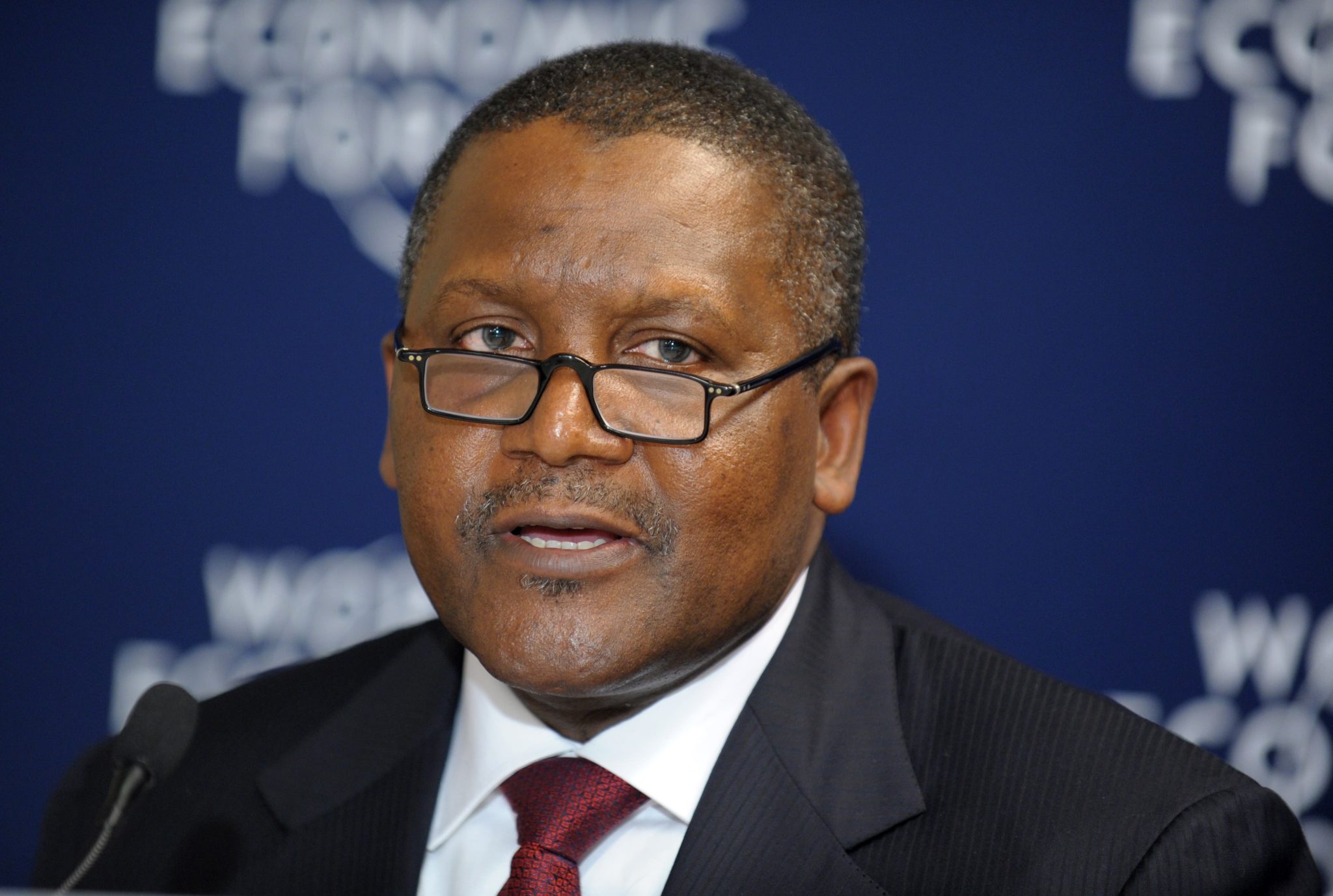
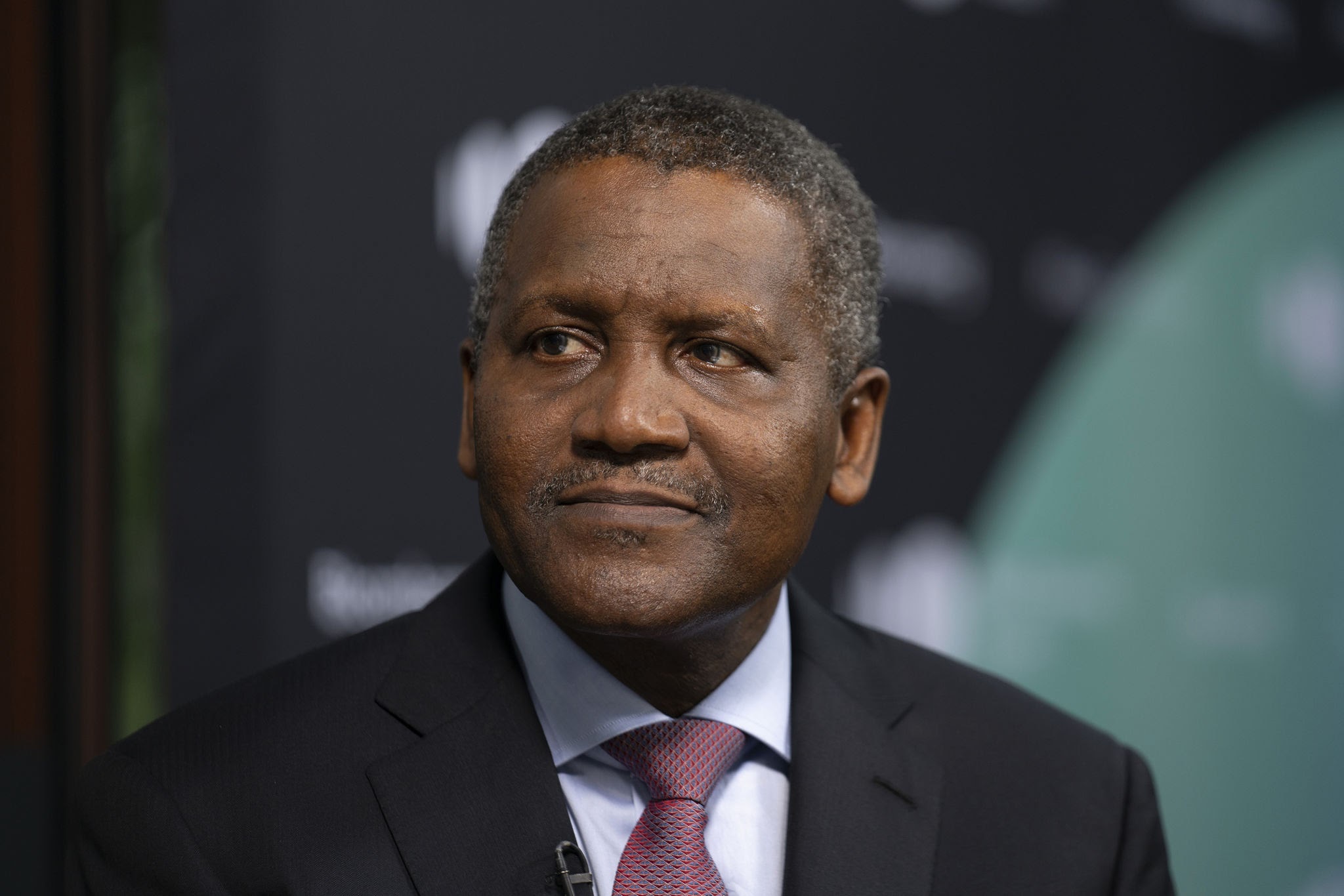
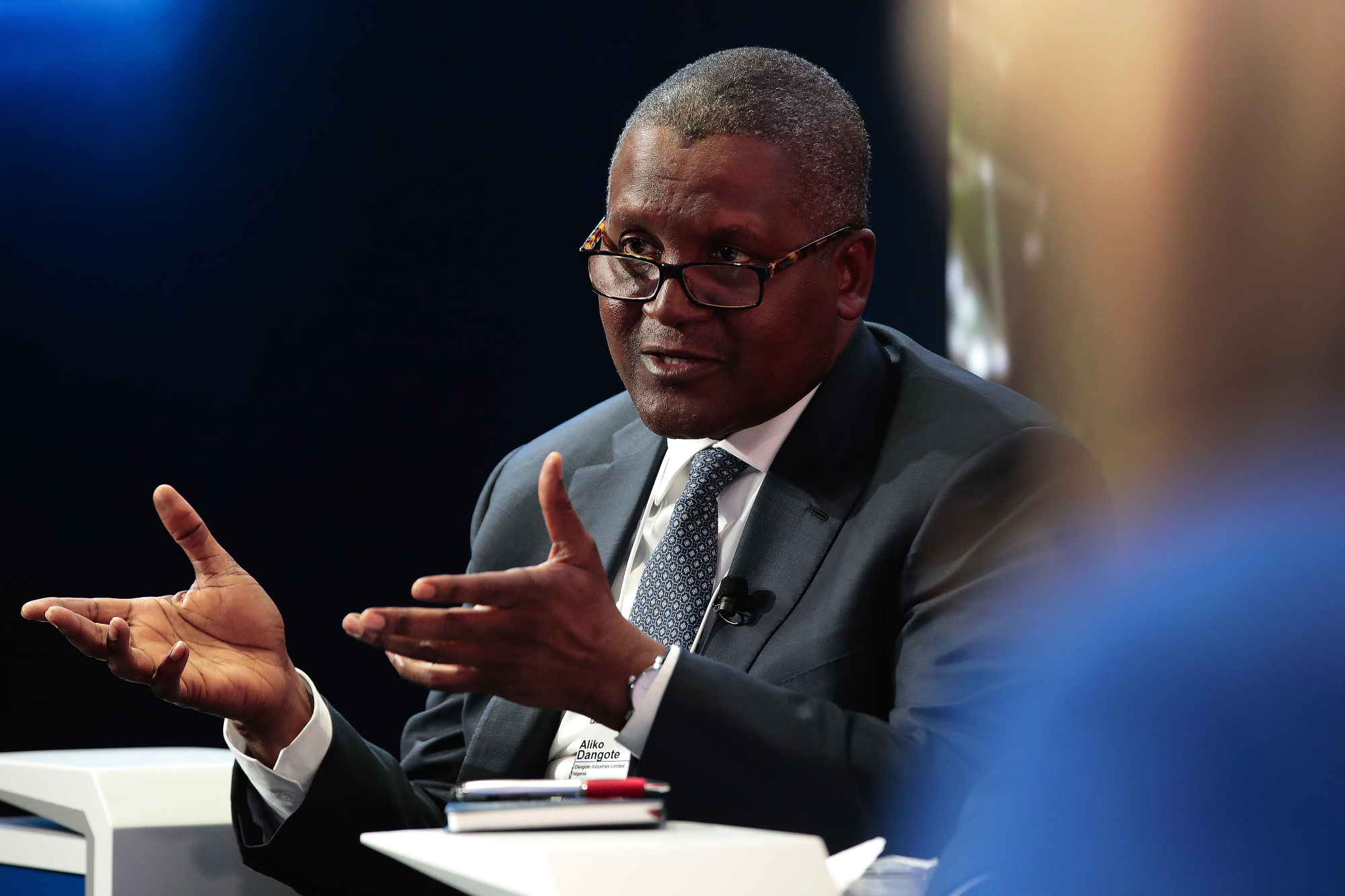
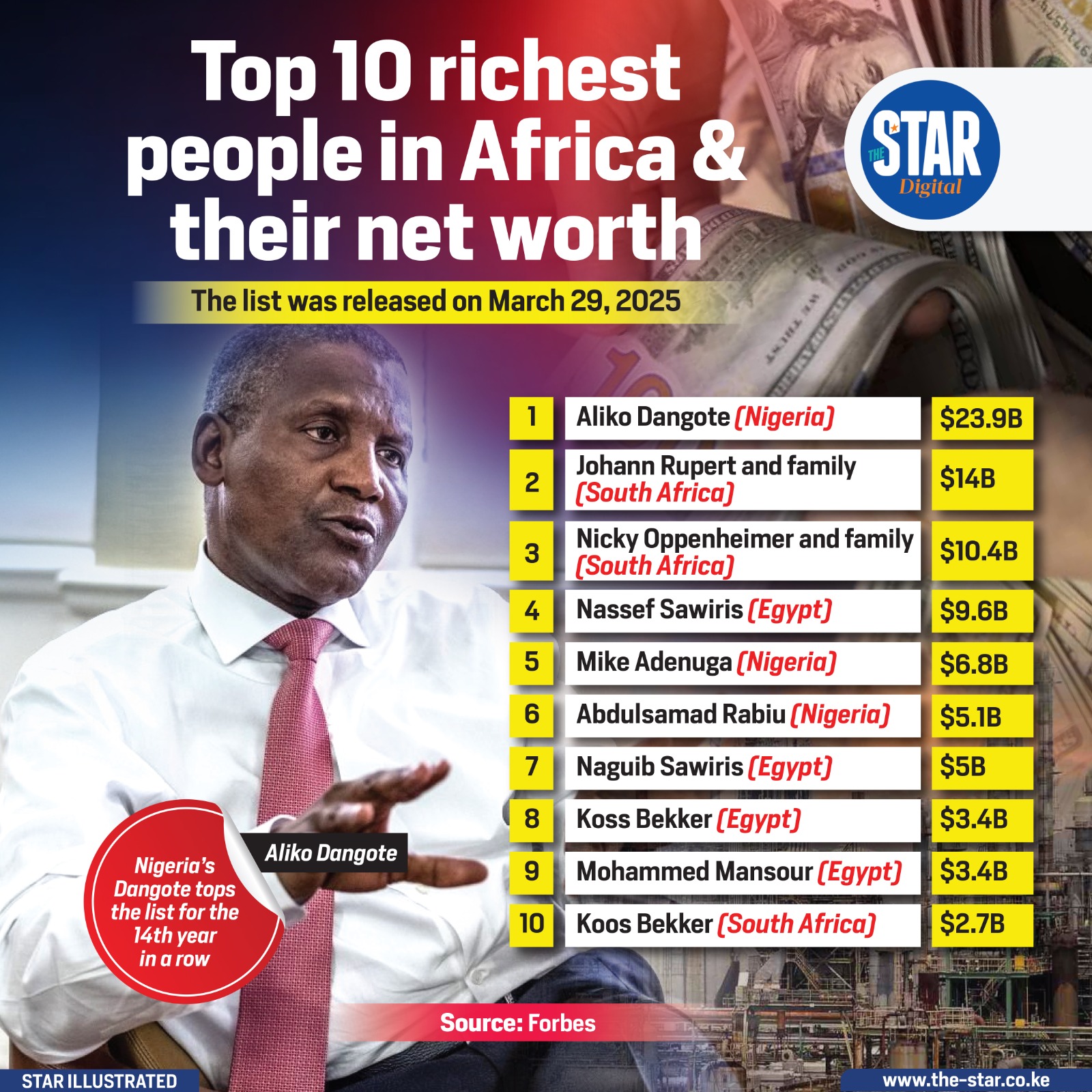
Aliko Dangote maintains his position as the richest man in Africa, commanding a multi-billion-dollar industrial empire anchored by cement, sugar, flour, and the monumental Dangote Petroleum Refinery. Financial tracking of his fortune requires analyzing volatile equity values, global commodity markets, heavy industrial capital expenditures, and currency fluctuations—particularly the Nigerian Naira, which underwent significant devaluations that directly impacted his dollar-denominated wealth calculations.
Understanding the Foundation of the Dangote Empire
The vast majority of Aliko Dangote’s wealth originates from industrial manufacturing and production rather than speculative technology assets or volatile digital securities. As the founder and chairman of Dangote Cement, he controls the largest cement producer on the African continent, with active operations spanning multiple sub-Saharan nations. This dominance in heavy construction materials established the baseline of his financial power decades ago.
Beyond cement, the Dangote Group expanded aggressively into consumer goods and essential commodities. Dangote Sugar Refinery and Dangote Flour Mills cemented his market footprint by supplying staple foods to millions of households across West Africa. This diversified agro-industrial base created a resilient cash-flow generation model, insulating his core enterprise from localized economic downturns and laying the financial groundwork for massive downstream expansion projects.
Major Asset Valuations and Wealth Calculation Metrics
Calculating the exact net worth of a multi-billionaire involves analyzing complex equity holdings, private company shares, and industrial assets. Real-time wealth trackers such as Bloomberg Billionaires Index and Forbes evaluate publicly traded shares using daily stock market capitalizations. However, evaluating private holdings requires applying industry-standard valuation multiples based on earnings before interest, taxes, depreciation, and amortization (EBITDA), alongside comparable peer evaluations in global markets.
The valuation of Dangote Cement represents the single largest component of his overall net worth. Because he maintains a dominant controlling stake in the publicly traded company, fluctuations in the Nigerian Exchange (NGX) directly dictate multi-million-dollar swings in his aggregate wealth profile. Similarly, the ongoing scaling of his non-listed assets, including port infrastructure, transport fleets, and agricultural investments, contributes substantial underlying value that standard public equity indexes often calculate conservatively.
| Asset Class / Enterprise | Primary Operational Sector | Valuation Methodology | Market Influence |
|---|---|---|---|
| Dangote Cement Plc | Construction Materials | Publicly Traded Equity (NGX) | Primary wealth driver; dominant regional market share. |
| Dangote Petroleum Refinery | Downstream Oil & Gas | Capital Expenditure & Enterprise Value | Massive capital asset reshaping African energy independence. |
| Dangote Sugar & Flour | Fast-Moving Consumer Goods | Public and Private Equity Multiples | Steady cash-flow generation from essential consumer staples. |
| Logistics & Port Facilities | Supply Chain & Infrastructure | Replacement Cost & Asset Valuation | Secures operational efficiency across core manufacturing units. |
The Impact of the Dangote Petroleum Refinery on His Portfolio
The commissioning and operational scaling of the 650,000-barrel-per-day Dangote Petroleum Refinery in Lagos, Nigeria, represents a transformative milestone for both the African energy sector and Dangote’s personal balance sheet. Situated on the Lekki Free Zone, this mega-project stands as the world’s largest single-train petroleum refinery. Its strategic objective is to reduce reliance on imported refined petroleum products across West Africa, substituting costly imports with domestically processed fuels.
Financing a multi-billion-dollar mega-refinery required an intricate combination of commercial debt, consortium lending, export credit agency backing, and substantial personal capital injections from Dangote himself. While the massive capital expenditure initially strained liquidity and increased leverage across his corporate holding structures, the long-term enterprise value of the refinery significantly bolsters his net worth as the facility ramps up production capacity to supply both domestic and international markets.
Currency Volatility and the Nigerian Naira Devaluation Factor
Assessing wealth generated primarily in emerging markets introduces complex foreign exchange dynamics. Throughout recent years, the Central Bank of Nigeria implemented major monetary policy shifts, resulting in sharp devaluations of the Nigerian Naira against major global currencies like the United States Dollar. Because global wealth trackers measure net worth in USD, these domestic currency realations directly impact how Aliko Dangote’s assets rank on international billionaire indexes.
When the Naira depreciates, the dollar-denominated value of companies listed on the Nigerian Exchange drops on international charts, even if those businesses experience robust operational growth and increasing local revenues in real terms. Conversely, the operationalization of export-oriented assets, such as the refinery and cement export terminals, provides a natural foreign exchange hedge by generating hard currency revenues that stabilize the overarching valuation of the Dangote business ecosystem.
Philanthropic Commitments and Social Impact
Beyond commercial enterprise and personal wealth accumulation, Aliko Dangote channels substantial financial resources into philanthropy through the Dangote Foundation (rebranded as the Aliko Dangote Foundation). Established as a private charitable organization, the foundation focuses heavily on developmental initiatives across Nigeria and the wider African continent, targeting critical sectors such as nutrition, healthcare, education, and disaster relief.
Evaluating the total net worth of ultra-high-net-worth individuals often intersects with their philanthropic allocations. By endowing his foundation with significant assets and funding large-scale eradication programs against polio and malnutrition in partnership with global entities like the Bill & Melinda Gates Foundation, Dangote’s financial deployment extends far beyond industrial production into direct socioeconomic intervention, altering the broader development landscape of the region.
Frequently Asked Questions
What is Aliko Dangote’s primary source of wealth?
Aliko Dangote’s primary source of wealth is Dangote Cement Plc, alongside a vast industrial conglomerate spanning sugar refining, flour milling, fertilizer production, and the massive Dangote Petroleum Refinery. These heavy manufacturing and consumer staple sectors generate the core revenues underpinning his billionaire status.
How does the Dangote Petroleum Refinery affect his net worth?
The refinery adds immense long-term enterprise value to his portfolio by positioning his industrial group as a dominant player in the global energy sector. Although funding the multi-billion-dollar project required substantial capital investment and leverage, its operational capacity to process hundreds of thousands of barrels of crude daily significantly enhances his overall asset valuation.
Why do estimates of Aliko Dangote’s net worth fluctuate frequently?
Net worth estimates fluctuate because financial publications calculate his wealth using daily stock market prices of publicly traded subsidiaries like Dangote Cement and Dangote Sugar. Additionally, sharp devaluations of the Nigerian Naira against the US Dollar alter the conversion rates used by global wealth trackers to evaluate his local assets.
Is Aliko Dangote still the richest man in Africa?
Aliko Dangote consistently maintains his standing at the top of African wealth rankings, holding the title of the richest man on the continent for over a decade. His position is secured by the sheer scale of his industrial holdings, which outperform other regional competitors in market capitalization and infrastructure depth.
What role does the Aliko Dangote Foundation play in his financial portfolio?
The Aliko Dangote Foundation is a private philanthropic vehicle funded through personal endowments and corporate contributions. While it channels billions into health, education, and disaster relief, funds allocated to the foundation represent dedicated charitable capital rather than liquid investment assets managed for personal commercial gain.
Strategic Financial Outlook for African Industrialists
Tracking the financial trajectory of Africa's foremost industrialist requires looking past short-term currency fluctuations and focusing on the underlying structural assets of his conglomerate. As the Dangote Group transitions from regional manufacturing dominance into international energy and petrochemical markets, its economic footprint will continue to redefine corporate valuation standards across emerging markets. Observers monitoring his wealth must weigh localized macroeconomic pressures against the long-term productivity of his multi-billion-dollar capital projects to understand the true baseline of his enduring financial standing.