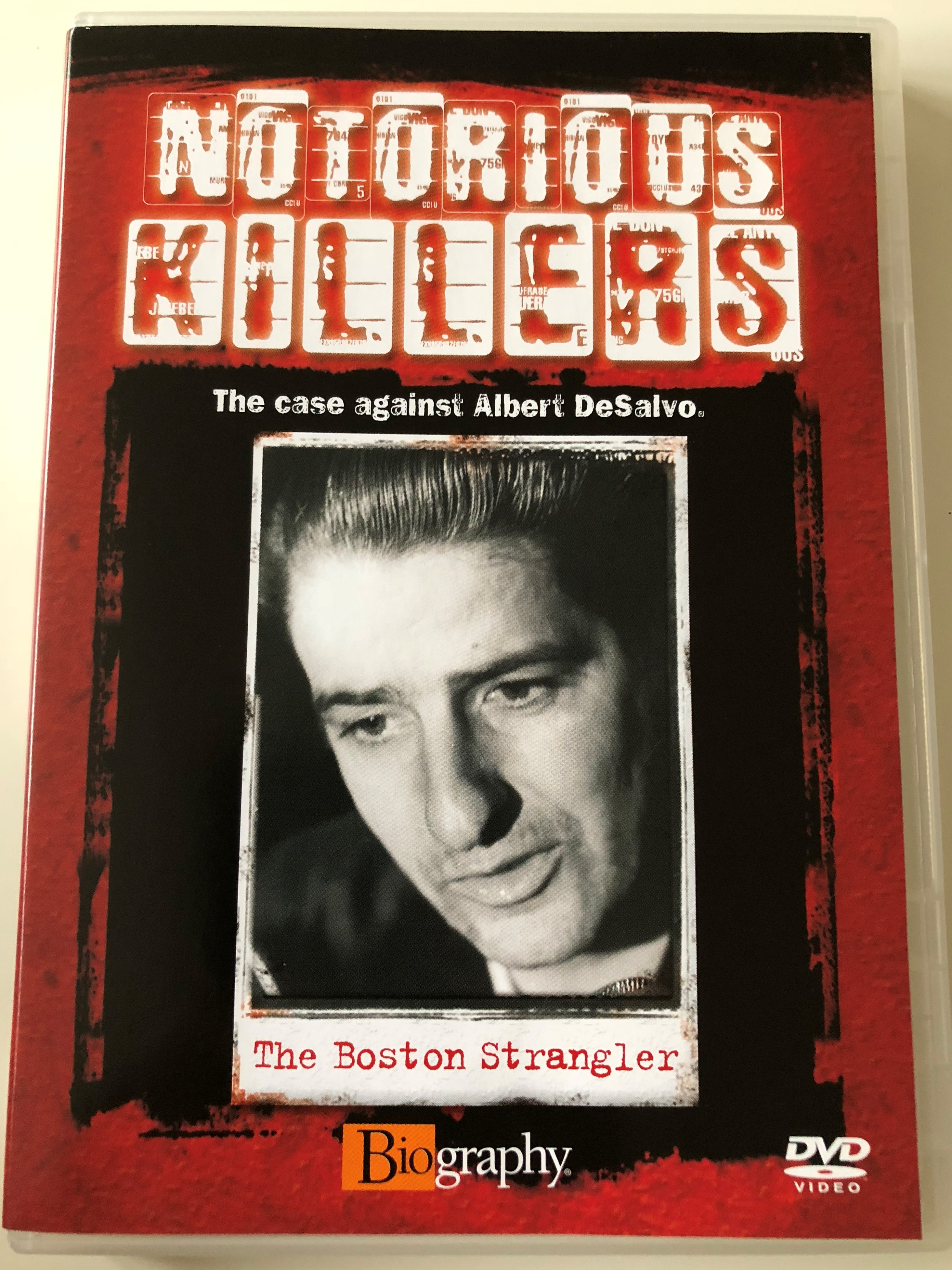
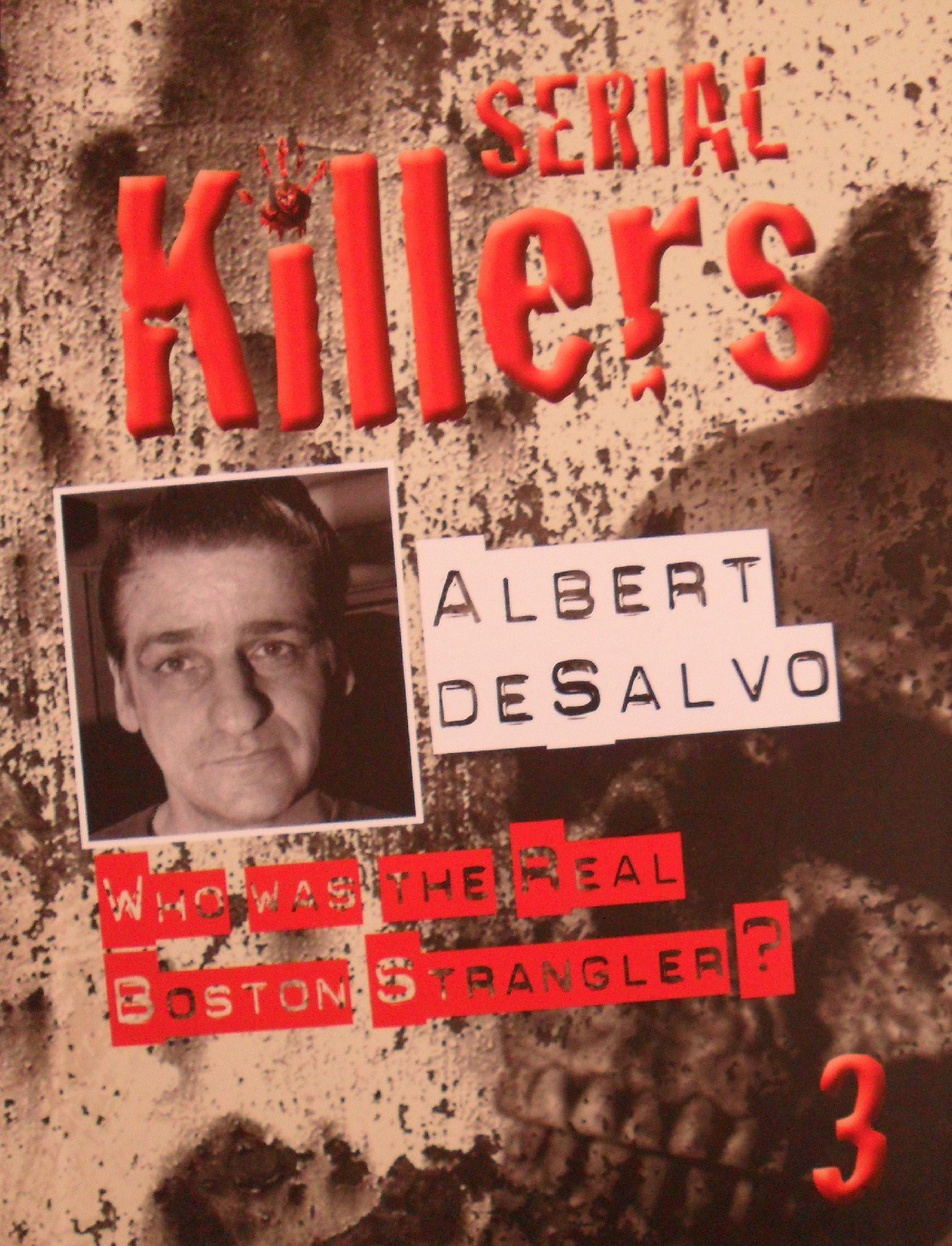
Albert DeSalvo was an American criminal who confessed to being the "Boston Strangler," the serial killer responsible for the murders of 13 women in the Boston area between 1962 and 1964. While he was never convicted of the murders, 2013 DNA evidence definitively linked him to the final victim, Mary Sullivan.
The Early Life and Criminal Evolution of Albert DeSalvo
To understand the complexity of the Albert DeSalvo case, one must examine the progression of his criminal behavior, which began long before the first strangulation occurred. Born in Chelsea, Massachusetts, in 1931, DeSalvo grew up in an exceptionally violent household. Records indicate his father was a brutal man who physically abused Albert’s mother and forced the children to witness and participate in disturbing acts. This environment is frequently cited by criminal profilers as the foundational catalyst for DeSalvo’s later deviance.
DeSalvo’s criminal career began with non-violent but sexually motivated intrusions. He first gained notoriety among local police as "The Measuring Man." During this phase, he would pose as a talent scout for a modeling agency, gaining entry into women’s apartments by claiming he needed to take their measurements for potential work. While this period did not involve physical violence, it established a pattern of using deception to bypass the domestic security of his victims—a tactic that would later become a hallmark of the Boston Strangler.
By the early 1960s, DeSalvo’s behavior escalated into what investigators called "The Green Man" series of crimes. Wearing green work clothes, he would break into homes, tie up his victims, and sexually assault them. Unlike the Measuring Man phase, the Green Man was a prolific rapist, operating across several states in New England. It was during his incarceration for these rapes that DeSalvo began confessing to the far more gruesome "Strangler" murders, leading to one of the most controversial legal and forensic chapters in American history.
The Boston Strangler Murders: A Timeline of Terror
Between June 14, 1962, and January 4, 1964, the city of Boston was paralyzed by a series of murders that defied the standard criminal profiles of the time. The victims ranged in age from 19 to 85, leading many investigators to initially believe that multiple killers were at work. However, the signature of the crimes—victims strangled with their own articles of clothing, often finished with a decorative bow—suggested a single, albeit erratic, perpetrator.
The "Strangler" targeted women in their homes, and significantly, there was almost never any sign of forced entry. This suggested that the killer was either someone the victims knew or someone who possessed an extraordinary ability to talk his way through the front door. The victims included:
- Anna Slesers (55): Found in her Back Bay apartment; she was the first victim of the series.
- Mary Sullivan (19): The final victim, whose case would eventually provide the DNA evidence needed to close the investigation decades later.
- Elizabeth Sullivan (44), Ida Irga (75), and others: Representing a wide demographic that frustrated police efforts to narrow down a suspect pool.
As of 2026, historians and criminologists continue to study this period as a landmark in urban panic. The Boston Police Department faced immense pressure, leading to the creation of a "Strangler Bureau" and the involvement of high-profile psychics and early criminal profilers. The sheer randomness of the victimology created a climate where every man in Boston was a potential suspect, and every woman lived in fear of a knock at the door.
The Confession and the Role of F. Lee Bailey
The transition of Albert DeSalvo from a suspect in a series of rapes to the primary suspect in the Strangler murders occurred while he was at Bridgewater State Hospital. DeSalvo confessed his crimes to a fellow inmate, George Nassar, who subsequently contacted his attorney, the then-rising star F. Lee Bailey.
DeSalvo’s confession was startlingly detailed. He provided information about the crime scenes that officials believed only the killer could know, including the specific types of knots used to bind the victims and the layout of the apartments. However, there was a significant legal hurdle: there was no physical evidence linking DeSalvo to the murders at the time. No fingerprints, no eyewitnesses who could definitively place him at every scene, and no recovered murder weapons.
F. Lee Bailey negotiated a deal where DeSalvo’s confessions would be used to help the investigation in exchange for a trial that focused on his sanity rather than the death penalty. Ultimately, DeSalvo was never tried for the Boston Strangler murders. Instead, he was tried and convicted for the "Green Man" rapes and other related offenses, receiving a life sentence in 1967. The legal strategy used by Bailey remains a subject of study in law schools, as it effectively silenced the "Strangler" investigation without ever providing a definitive legal verdict for the 13 families of the victims.
Technical Analysis: The 2013 DNA Breakthrough
For decades, the consensus on DeSalvo’s guilt was divided. Many believed he was a "serial confessor" seeking fame, while others pointed to the intricate details of his admissions. The impasse remained until July 2013, when advancements in forensic technology allowed the Suffolk County District Attorney’s office to re-examine evidence from the Mary Sullivan crime scene.
The technical breakthrough involved Y-STR testing, a specialized form of DNA analysis that focuses on the Y-chromosome. This is particularly useful in cold cases where the male DNA might be degraded or mixed with female DNA. Investigators first obtained a DNA sample from a discarded water bottle used by DeSalvo’s nephew. This provided a familial match, which gave authorities the "probable cause" needed to exhume Albert DeSalvo's body from Purcell Memorial Cemetery.
| Evidence Category | Initial 1960s Finding | 2013/Post-Exhumation Verification |
|---|---|---|
| DNA Profile | Not technologically possible | 99.9% match to Mary Sullivan crime scene |
| Fingerprints | Inconclusive/Smudged | Remained inconclusive due to age |
| Confession Accuracy | High (Internal scene details) | Validated by forensic correlation |
| Physical Evidence | Silk stockings/ligatures | Linked to DeSalvo's methodology |
| Legal Status | Suspect (Uncharged) | Scientifically Confirmed (Case Closed) |
The results of the testing were definitive. The DNA recovered from the scene of Mary Sullivan’s murder matched DeSalvo with a statistical certainty of 99.9%. While this technically only solved the 13th murder, it provided the strongest evidence to date that DeSalvo was indeed the individual responsible for the entire series, as the methodology and "signature" of the Sullivan murder mirrored the previous twelve.
Lingering Controversies and the Multiple Killer Theory
Despite the 2013 DNA confirmation regarding Mary Sullivan, a subset of investigators and victim family members remain skeptical that DeSalvo acted alone in all 13 cases. The primary argument against a single killer is the "disparate victimology." It is rare for serial killers to deviate so significantly in the age and race of their victims—ranging from teenagers to the elderly.
Some theorists, including former members of the original investigative task force, suggested that while DeSalvo may have committed several of the murders, he might have been coached on the details of others by inmates or through access to police reports. The "multiple strangler" theory posits that the atmosphere of fear allowed several unrelated killers to operate simultaneously, with DeSalvo later claiming credit for all of them to cement his notoriety.
Furthermore, the 1973 death of Albert DeSalvo added another layer of mystery. DeSalvo was stabbed to death in his cell at Walpole State Prison. His murder was never solved, leading to rumors that he was silenced because he was about to recant his confessions or reveal the identities of accomplices. As of 2026, while the official record lists DeSalvo as the sole Boston Strangler, the case continues to be a primary example used in forensic psychology to discuss the limitations of confessions versus the absolute nature of biological evidence.
Frequently Asked Questions
Did DNA evidence prove Albert DeSalvo killed all 13 women?
Strictly speaking, the 2013 DNA evidence only definitively linked Albert DeSalvo to the murder of Mary Sullivan, the final victim. Because biological evidence was not preserved or available for the previous 12 victims, forensic science cannot "prove" his involvement in those specific cases. However, the similarity in the MO (modus operandi) and DeSalvo’s detailed confessions led authorities to conclude he was responsible for all of them.
How did Albert DeSalvo die?
Albert DeSalvo was killed in November 1973 while serving a life sentence at Walpole State Prison. He was stabbed sixteen times in his infirmary cell. Despite several individuals being suspected of the attack—including associates of the Winter Hill Gang—no one was ever convicted of his murder, and the motive remains a subject of speculation.
Why was he never charged with the Boston Strangler murders during his lifetime?
The prosecution faced a lack of physical evidence (prior to the age of DNA) and relied heavily on a confession that was legally problematic. At the time, F. Lee Bailey and the prosecution agreed that DeSalvo was already facing a life sentence for the "Green Man" rapes. Pursuing 13 separate murder trials without fingerprints or DNA would have been an immense logistical and financial burden on the state with no guarantee of a conviction.
What was the difference between the "Measuring Man" and the "Green Man"?
These were two distinct phases of DeSalvo's criminal evolution. The "Measuring Man" was a non-violent ruse where he entered homes by pretending to be a talent scout. The "Green Man" was a violent serial rapist who wore green work trousers and broke into homes to assault women. The "Boston Strangler" was the final, lethal escalation of these predatory behaviors.
Critical Analysis of Case Archives for Researchers
For those seeking to study the Albert DeSalvo case in depth, it is recommended to focus on the intersection of early criminal profiling and the evolution of the Fourth Amendment regarding DNA exhumation. Researchers should consult the Suffolk County District Attorney's archived statements regarding the 2013 testing for the most accurate forensic data. Additionally, the FBI Vault contains declassified documents that provide insight into the federal government's perspective on the investigative failures and successes of the 1960s.
When evaluating the case, one should prioritize primary source materials—such as trial transcripts from the 1967 rape case—over the sensationalized "True Crime" literature of the 1970s. The 2013 exhumation remains the most pivotal event in the timeline, as it bridged the gap between historical speculation and modern forensic certainty.