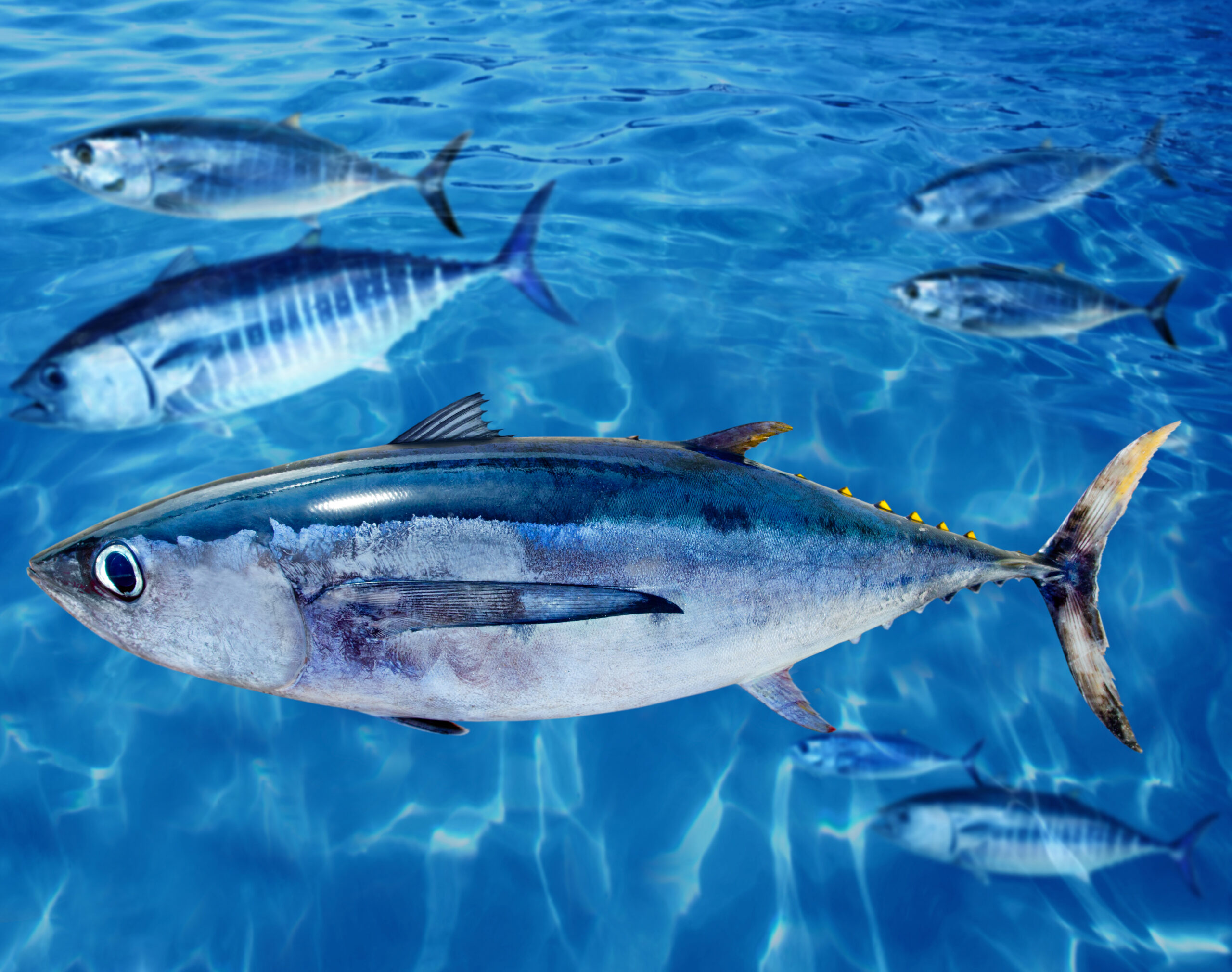
Albacore tuna, scientifically known as Thunnus alalunga, is a highly migratory species of mackerel prized globally for its mild flavor and firm, light-colored flesh. Recognized by its exceptionally long pectoral fins, this species serves as a primary source for "white meat" canned tuna and represents a significant economic commodity in international commercial fisheries and recreational angling.
Biological Characteristics and Habitat
The albacore tuna is distinct from other tuna species, such as the skipjack or yellowfin, primarily due to its morphology and size. Adults typically reach lengths of 100 to 140 centimeters and weights ranging from 10 to 45 kilograms. Their most distinguishing physical feature is the pectoral fin, which extends past the second dorsal fin—a trait that gives rise to their common name in some regions, the "longfin tuna."
These fish are epipelagic, meaning they inhabit the upper layers of the ocean. They thrive in temperate and tropical waters worldwide, demonstrating a high degree of temperature sensitivity. Albacore prefer water temperatures between 15°C and 20°C. Their migratory patterns are extensive; they often cross entire ocean basins, following thermal fronts where prey availability—such as small fish, crustaceans, and cephalopods—is concentrated. In the Pacific, for instance, they conduct seasonal migrations between the waters off the North American coast and the central North Pacific.
The Global Commercial Fishery
The commercial exploitation of albacore tuna is managed through several Regional Fisheries Management Organizations (RFMOs), such as the Inter-American Tropical Tuna Commission (IATTC) and the Western and Central Pacific Fisheries Commission (WCPFC). These organizations set catch limits based on biennial scientific assessments of stock biomass.
Fishing methods vary significantly by region and vessel type. The two most common industrial methods are:
- Troll and Pole-and-Line: Vessels use multiple lines equipped with lures or live bait. This method is highly selective, resulting in minimal bycatch of non-target species, and is generally considered the most environmentally sustainable approach to harvesting albacore.
- Longlining: This involves deploying a main line with hundreds of baited branch lines. While efficient for large-scale production, longlining requires strict regulatory oversight to mitigate incidental captures of sea turtles, seabirds, and sharks.
Sustainability and Stock Status
Assessing the sustainability of albacore tuna requires examining the distinct stocks found in the North Pacific, South Pacific, Atlantic, and Indian Oceans. As of 2026, the status of these stocks varies. The North Pacific albacore stock is generally considered healthy and managed sustainably, while other stocks face greater pressure due to localized overfishing or environmental shifts that impact recruitment rates.
Consumers interested in sustainable sourcing often look for certifications from organizations like the Marine Stewardship Council (MSC). These certifications verify that the product comes from a fishery that minimizes environmental impact and maintains biomass levels that ensure long-term productivity. When purchasing, the "pole-and-caught" label is the most reliable indicator of a low-impact harvest method.
Nutritional Profile and Culinary Preparation
Albacore is favored in the culinary world for its texture and flavor profile. Unlike the darker, more intensely flavored skipjack, albacore meat is pale, firm, and mild, making it versatile for various preparations.
Nutritional Composition
Albacore is a nutrient-dense protein source. A standard 100-gram serving provides a high concentration of lean protein and essential omega-3 fatty acids, specifically EPA (eicosapentaenoic acid) and DHA (docosahexaenoic acid). However, due to its position in the marine food web, albacore accumulates higher levels of methylmercury than smaller, shorter-lived tuna species. Health authorities typically advise that consumption should be moderated, especially for sensitive populations such as young children and pregnant individuals.
Culinary Applications
Because of its firm texture, albacore holds up well to high-heat cooking methods that would cause more delicate fish to fall apart.
- Seared: Albacore steaks are frequently pan-seared to rare or medium-rare, often crusted with sesame seeds or herbs.
- Canned: The majority of global albacore production is processed for canning. It is categorized as "white tuna," which commands a higher market price than "light tuna" (typically skipjack).
- Sashimi: In Japanese cuisine, albacore is referred to as bin-cho or bin-naga and is highly regarded for its buttery mouthfeel when served raw.
Comparative Overview of Tuna Species
The following table outlines the primary differences between albacore and other commonly traded tuna species to assist in identification and selection.
| Feature | Albacore (T. alalunga) | Skipjack (K. pelamis) | Yellowfin (T. albacares) |
|---|---|---|---|
| Market Name | White Tuna | Light Meat | Light/Chunk Tuna |
| Meat Color | Light Cream/White | Pink/Dark | Pink/Light Red |
| Texture | Firm | Soft | Medium-Firm |
| Primary Use | Canned/Sashimi | Canned | Fresh/Grilling |
| Sustainability | Variable by Region | High | Moderate |
Practical Selection and Storage Guidance
When purchasing albacore, whether fresh or canned, consider the following best practices:
- Fresh Selection: Look for clear, bright eyes (if the head is present) and gills that are deep red or pink, not brown or grey. The flesh should be firm to the touch and possess a fresh, clean scent of the ocean. Avoid any product with a sour or ammonia-like smell.
- Canned Selection: Examine the label for the catch method. "Troll-caught" or "pole-and-line" are the gold standards for sustainability. Ensure the can is free of deep dents, rust, or swelling, which could indicate a compromise in the hermetic seal and potential bacterial growth.
- Storage: Fresh albacore is highly perishable. It should be kept at the coldest part of the refrigerator (below 4°C) and consumed within 24 to 48 hours of purchase. For long-term storage, the fish may be vacuum-sealed and frozen, though texture may degrade slightly upon thawing.
Frequently Asked Questions
Why is albacore tuna called "white tuna"?
The name "white tuna" refers to the natural color of the flesh after cooking. Albacore muscle tissue contains lower levels of myoglobin—the protein that stores oxygen and provides a reddish hue—compared to other tuna species. This results in a pale, ivory-colored fillet.
Does albacore have more mercury than other tunas?
Yes, albacore generally has higher mercury concentrations than skipjack or canned light tuna. Because albacore are larger and live longer than skipjack, they have more time to bioaccumulate mercury from their environment. It is recommended to check local dietary guidelines regarding weekly consumption limits.
How can I verify if my tuna is sustainably caught?
Check the product packaging for third-party certifications like the Marine Stewardship Council (MSC) blue checkmark. Additionally, visit the Monterey Bay Aquarium’s "Seafood Watch" website, which provides up-to-date, location-specific ratings for albacore fisheries to help identify the best purchasing choices.
Can albacore be eaten raw?
Yes, albacore is commonly served as sashimi or in poke bowls. However, it must be "sushi-grade," a term that implies the fish has been handled according to strict safety standards, including rapid chilling or freezing at temperatures sufficient to kill potential parasites.
What is the difference between "solid white" and "chunk white" tuna?
These terms refer to the physical state of the fish inside the can. "Solid" contains large, unbroken pieces of loin, whereas "chunk" consists of smaller, pre-cut pieces. Both are typically the same species of albacore; the difference is primarily aesthetic and related to the desired texture for the final dish.
Next Steps for Sustainable Consumption
To ensure you are consuming albacore responsibly, prioritize transparency in your supply chain. If you are dining out, inquire whether the establishment uses MSC-certified or pole-caught fish. If purchasing retail, scan the packaging for detailed provenance information, such as the fishing gear type and the specific FAO (Food and Agriculture Organization) fishing area. By actively choosing products from well-managed fisheries, you contribute to the economic viability of the industry and the health of the marine ecosystem.