All-female space crew initiatives represent a transformative era in astronautics, moving beyond symbolic "firsts" toward sustained operational excellence. As of 2026, these milestones—ranging from the historic 2019 all-female spacewalk to integrated lunar mission planning—demonstrate that gender-inclusive crew configurations optimize mission safety, resource management, and scientific output during long-duration exploration beyond low Earth orbit.
The Evolutionary Journey of Women in Extra-Atmospheric Missions
The presence of women in space has evolved from isolated instances of representation to the standard integration of highly specialized all-female teams. While Valentina Tereshkova became the first woman in space in 1963, it took decades for the structural and cultural barriers to erode sufficiently to allow for all-female crew operations. The early era of spaceflight was characterized by hardware designed exclusively for male physiology, which created a "design barrier" that was as difficult to overcome as the vacuum of space itself.
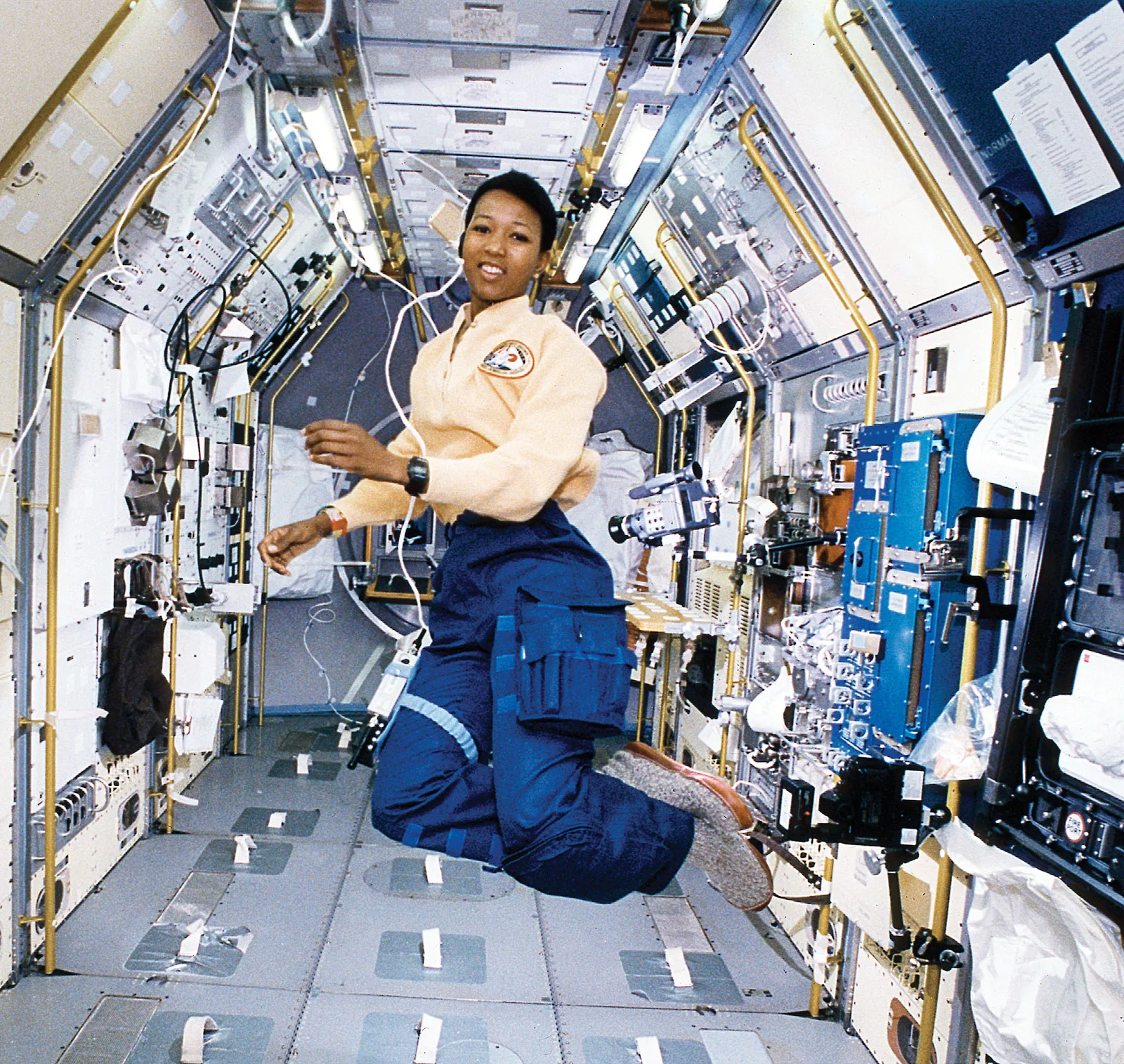
In the mid-20th century, the "Mercury 13" underwent the same rigorous testing as their male counterparts, often outperforming them in sensory deprivation and stress tests. However, policy restrictions prevented their flight. It was not until the Space Shuttle era in the 1980s that NASA began routinely selecting female astronauts, such as Sally Ride and Judith Resnik. This period shifted the focus from whether women could fly to how they could best contribute to complex orbital operations. By the 2020s, the focus had sharpened further: the realization that all-female crews offer unique advantages in long-duration missions, particularly concerning radiation resistance and metabolic efficiency.
The transition to all-female teams in specific mission segments, such as Extravehicular Activities (EVAs), was a functional necessity. When Christina Koch and Jessica Meir stepped outside the International Space Station (ISS) in October 2019, they were not just making history; they were proving that the logistics of space—from suit sizing to power tool ergonomics—had finally matured to support any crew configuration.
Technical Milestones: The First All-Female Spacewalk
The landmark all-female spacewalk conducted by Christina Koch and Jessica Meir remains a cornerstone of modern astronautics. Originally scheduled for earlier in 2019, the mission was famously delayed due to a lack of available "medium" sized torso components for the Extravehicular Mobility Units (EMUs). This delay highlighted a critical technical bottleneck: the legacy hardware of the 1970s and 80s was not modular enough to accommodate the diverse range of human body types.
Once the hardware was corrected, the duo successfully replaced a failed Battery Charging-Discharging Unit (BCDU). Their performance was indistinguishable from mixed-gender or all-male teams in terms of task completion speed and error rates. More importantly, it provided data on how two female astronauts work together in the high-stakes environment of a vacuum.
Key technical takeaways from this mission included:
- Ergonomic Efficiency: Observation of how female hand strength and reach affected the use of specific orbital replacement unit (ORU) tools.
- Communications Protocol: The seamless coordination during the seven-hour-plus EVA set a new standard for intra-crew communication.
- Life Support Monitoring: Detailed data on oxygen consumption and CO2 scrubbing rates for female-only teams, which is vital for future mission planning.
Physiological Advantages in Deep Space Exploration
As mission planners in 2026 look toward Mars, the physiological profile of all-female crews has become a subject of intense scientific study. Research suggests that women may possess specific biological advantages for multi-year voyages.
One primary factor is metabolic efficiency. On average, women require fewer calories and less oxygen than men of similar fitness levels. In the context of a three-year mission to Mars, where every kilogram of payload costs thousands of dollars in fuel and logistics, a crew that consumes 15-20% less mass in consumables is a significant engineering advantage. This "mass-saving" allows for more scientific equipment or higher safety margins in life support systems.
Furthermore, studies have indicated that women may be less susceptible to certain types of vision impairment caused by Spaceflight-Associated Neuro-ocular Syndrome (SANS), which is a major concern for long-term ISS stays and deep space transit. While women may face higher risks in other areas, such as radiation-induced cancers (specifically breast and ovarian), the development of advanced shielding and pharmaceutical countermeasures in the mid-2020s has mitigated much of this disparity.
Overcoming the "Suit Barrier" and Hardware Evolution
The most persistent barrier to all-female crews was not skill or psychology, but the hardware itself. The EMUs used on the ISS were designed in an era where the astronaut corps was predominantly male. These suits were heavy, lacked range of motion in the shoulders for smaller frames, and were difficult to don and doff without assistance.
The introduction of the Exploration Extravehicular Mobility Unit (xEMU) and newer commercial suits from companies like Axiom Space has solved many of these issues. These modern suits feature:
- Modular Sizing: Highly adjustable components that can be tailored to a wider range of anthropometric data.
- Enhanced Mobility: Improved bearings and joint designs that allow for natural movement, reducing the physical strain on the wearer.
- Simplified Maintenance: On-orbit resizing capabilities that ensure a crew is never grounded because a specific suit size is unavailable.
By 2026, the "suit barrier" is largely a relic of the past. Current lunar exploration suits are designed from the ground up to be inclusive, ensuring that an all-female crew on the lunar surface has the same operational capability as any other team.
Key Milestones in Women’s Space Exploration
The following table summarizes the pivotal moments that led to the current state of gender-integrated and all-female space operations.
| Year | Milestone | Primary Individuals/Organizations | Significance |
|---|---|---|---|
| 1963 | First Woman in Space | Valentina Tereshkova (USSR) | Proved female survival in orbit. |
| 1983 | First American Woman in Space | Sally Ride (NASA) | Integrated women into the Shuttle program. |
| 1995 | First Female Pilot/Commander | Eileen Collins (NASA) | Shifted roles from specialists to leadership. |
| 2019 | First All-Female Spacewalk | Christina Koch & Jessica Meir | Removed hardware-based operational limits. |
| 2023 | Longest Single Flight by a Woman | Christina Koch (NASA) | Provided data on long-term physiological impact. |
| 2024+ | Artemis Lunar Selections | Various (NASA/ESA/JAXA) | Preparation for the first woman on the Moon. |
The Artemis Program and Future Lunar Crews
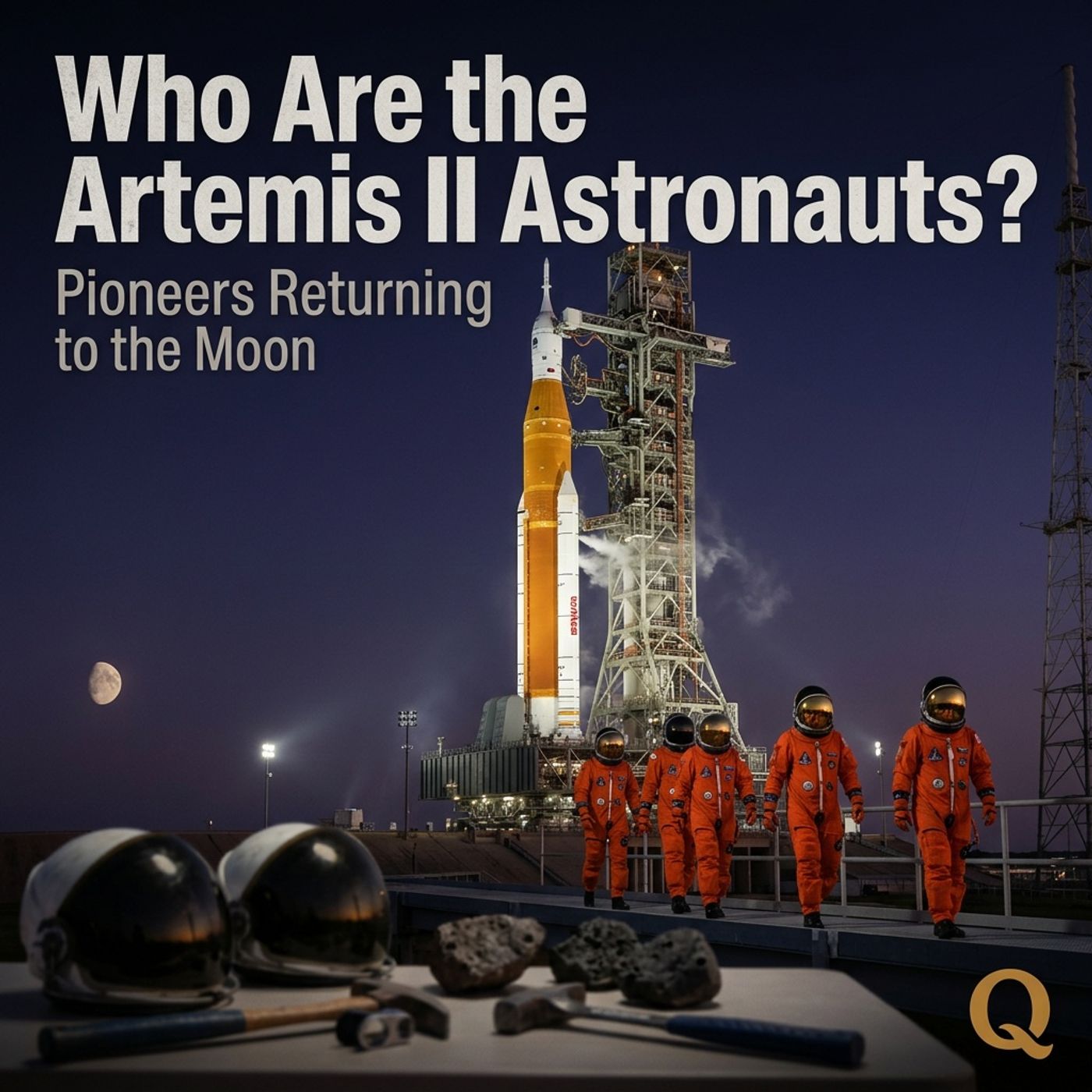
The Artemis program represents the most significant step toward permanent all-female or female-led crews in deep space. NASA’s commitment to landing the first woman on the Moon has moved from a policy goal to a technical reality. In 2026, the focus is on the Artemis III and IV missions, where female astronauts are taking lead roles in geology, habitat setup, and lunar ascent/descent piloting.
The lunar environment presents challenges distinct from the ISS. Surface EVAs involve walking, bending, and lifting in 1/6th gravity, often for 8 hours at a time. The performance of female astronauts in these roles is critical for establishing a sustainable base. Moreover, the leadership of women in these missions provides a blueprint for the eventual crew selection for the first human mission to Mars, where team cohesion and resource management will be the thin line between success and failure.
Psychological Synergy and Team Dynamics
Extensive isolation studies, such as those conducted in HI-SEAS (Hawaii Space Exploration Analog and Simulation) and SIRIUS (Scientific International Research In Unique terrestrial Station), have frequently examined all-female and mixed-gender crew dynamics.
Findings suggest that all-female crews often excel in collaborative problem-solving and emotional intelligence, which are vital for maintaining mental health during the "Third Quarter Phenomenon"—a period during long missions where morale typically dips. While every individual is different, the trend toward high-cohesion, low-friction communication in all-female teams makes them ideal candidates for high-stress, long-duration missions where social friction can lead to catastrophic operational errors.
Frequently Asked Questions
Why did it take until 2019 for the first all-female spacewalk to occur?
The primary delay was a combination of flight scheduling and hardware limitations. For decades, NASA's inventory of spacesuits lacked enough "Medium" sized components to outfit two women simultaneously. While women have been performing spacewalks since Svetlana Savitskaya in 1984, they were almost always paired with male colleagues who used larger suit sizes. The 2019 EVA was only possible after NASA prioritized the reconfiguration of existing suits to accommodate smaller frames.
Are there any specific health risks for women in long-duration spaceflight?
Women are statistically more susceptible to certain types of radiation-induced cancers, such as those affecting the lungs and reproductive organs. Additionally, women have a higher incidence of orthostatic intolerance (fainting) upon returning to Earth's gravity compared to men. However, men are more likely to suffer from vision problems (SANS) and hearing loss in space. Modern countermeasures, including specialized exercise regimens and enhanced shielding, have made these risks manageable for all astronauts.
How do all-female crews manage resources differently?
Research from NASA and various international space agencies indicates that female crews generally have lower metabolic rates, meaning they require less food and oxygen. On a mission to Mars, this could result in a total mass savings of hundreds of kilograms. This efficiency does not equate to lower performance; rather, it represents a more optimized "output-to-input" ratio for the spacecraft's life support systems.
What is the role of commercial space companies in supporting female crews?
Commercial entities like SpaceX, Boeing, and Axiom Space have been instrumental in modernizing astronaut equipment. Unlike government programs that had to rely on 40-year-old hardware, commercial companies have designed new crew capsules and suits with modern ergonomics in mind. This has naturally led to more inclusive designs that accommodate a wider range of heights and weights, facilitating more diverse crew pairings.
Will the first mission to Mars be an all-female crew?
While there are proponents of an all-female first mission to Mars due to the metabolic and psychological advantages, no official decision has been made by any space agency. Most current mission architectures focus on "best-qualified" selection, which in 2026, increasingly results in gender-balanced or female-led crews due to the high levels of expertise women have attained in the astronaut corps over the last two decades.
How to Support and Follow Female-Led Space Initiatives
For those looking to engage with the progress of women in space, the next few years offer unprecedented opportunities for involvement and education.
- Monitor Artemis Mission Logs: Follow official NASA and ESA portals for real-time updates on crew assignments for the upcoming lunar surface missions.
- Support STEM Education: Organizations such as "Women in Aerospace" and "The Mars Society" offer scholarships and mentorship programs designed to bridge the gender gap in aerospace engineering and planetary science.
- Engage with Analog Missions: Look for data and publications from Earth-based simulations (like HI-SEAS) which frequently test crew dynamics and are often led by female researchers.
- Track Commercial EVA Development: Follow private aerospace firms as they test new suit designs that will enable the next generation of barriers to be broken beyond Earth’s orbit.