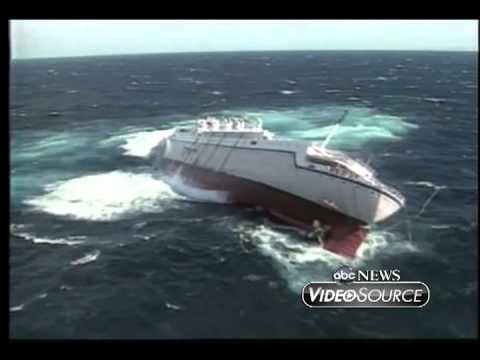
Understanding the landscape of an alaska cruise ship accident involves examining recent maritime developments, evaluating industry safety protocols, and knowing how to prepare for emergency scenarios when navigating the complex waters of the Inside Passage. While modern cruise vessels operating in Alaskan waters utilize advanced navigation systems and comply with rigorous international maritime standards, travelers must remain informed about current safety trends, emergency preparedness, and the real-world risks associated with regional wilderness cruising.
Understanding the Scope of Maritime Safety in Alaskan Waters
Alaskan cruise itineraries take vessels through some of the most remote, geographically demanding, and environmentally volatile coastal regions in the world. The Inside Passage, Gulf of Alaska, and Prince William Sound present unique operational challenges, including narrow channels, strong tidal currents, unpredictable weather systems, dense fog, and the persistent presence of floating glacial ice. Despite these environmental hazards, major catastrophic incidents remain statistically rare due to strict regulatory oversight by international bodies such as the International Maritime Organization (IMO) and national authorities like the United States Coast Guard (USCG).
Maritime safety relies on a multilayered defense system. Cruise ships carry advanced radar, sonar, and electronic chart display and information systems (ECDIS) to monitor surrounding traffic and bathymetric data continuously. Furthermore, vessels are constructed with redundant propulsion and steering systems, watertight bulkheads, and modern life-saving appliances that exceed the capacity of the passengers and crew onboard. When operational anomalies or minor incidents occur—such as temporary mechanical propulsion losses, electrical blackouts, or minor allisions with docks—they are rigorously investigated by maritime authorities to prevent recurrence.
Recent Incidents and Reporting: Contextualizing the Latest News
Following recent developments in maritime reporting, monitoring an alaska cruise ship accident requires separating sensationalized social media claims from verified official investigations. Historically and recently, most reported incidents in Alaskan waters involve minor groundings in well-mapped areas due to localized current shifts, technical malfunctions causing temporary loss of power, or medical evacuations requiring Coast Guard air-sea rescue coordination.
When evaluating current news regarding cruise safety, travelers should consult official repositories such as the National Transportation Safety Board (NTSB) marine accident reports and the United States Coast Guard District 17 press releases. These agencies provide objective, data-driven findings on marine casualties, distinguishing between minor technical delays and severe structural failures. Reviewing verified incident logs helps prospective passengers maintain a balanced perspective: while mechanical issues and weather-related delays do occur across the massive fleet operating in Alaska each summer season, total vessel abandonments or catastrophic hull breaches are virtually nonexistent in contemporary operations.
Critical Passenger Safety Tips for Alaska Cruises
Emergency preparedness begins long before a vessel leaves the port of Seattle, Vancouver, or Anchorage. Passengers can take proactive steps to ensure personal and family safety throughout their voyage by adhering to established onboard and onshore protocols.
Mandatory Safety Briefings and Muster Stations
By international maritime law under the Safety of Life at Sea (SOLAS) convention, all passengers must participate in a safety drill—commonly known as the muster drill—before the ship departs its initial port of embarkation.
- Attendance Compliance: Participation is legally mandatory. Crew members track attendance electronically or via room-key scans at assigned muster stations.
- Station Location Verification: Locate your designated muster station immediately upon boarding. Review the emergency map posted on the back of your stateroom door.
- Life Jacket Familiarization: Understand where life jackets are stored in your cabin and how to secure them properly, noting that modern muster stations often store additional specialized infant and child flotation devices.
Onboard Awareness and Hazard Recognition
Once the voyage is underway, maintaining situational awareness helps passengers respond effectively if an unscheduled announcement or emergency alarm sounds.
- Listen for Tone Codes: Familiarize yourself with the ship's emergency alarm signals. General emergency alarms, fire alarms, and man-overboard announcements feature distinct bell rings or horn blasts followed by public address instructions.
- Keep Pathways Clear: Avoid blocking stairwells, watertight door thresholds, and corridor fire doors with luggage or personal items.
- Follow Crew Instructions: In any abnormal operational situation, shipboard personnel trained in crowd management and emergency response will direct passengers. Do not attempt restricted areas or unauthorized access to crew-only zones.
Emergency Preparedness and Evacuation Procedures
In the unlikely event of a serious marine casualty requiring shipwide evacuation, structured protocols dictate the sequence of survival operations. Modern cruise ships utilize marine evacuation systems (MES)—large inflatable slides coupled with enclosed life rafts—alongside conventional lifeboats capable of accommodating 125% to 150% of the total souls onboard.
Passengers must remain calm, return to their stateroom only if instructed to grab essential prescription medications and warm clothing, and proceed directly to their assigned muster station wearing sturdy, closed-toe footwear. Flip-flops and high heels hinder movement on steel decks and evacuation ramps. Once at the muster station, embarkation officers distribute thermal protective aids and direct individuals into lifeboats or life rafts based on pre-assigned evacuation groups.
Regulatory Standards and Operator Compliance
The safety of passengers on Alaskan voyages is governed by a strict hierarchy of international and domestic laws. The International Convention for the Safety of Life at Sea (SOLAS) sets baseline standards for ship construction, fire protection, life-saving appliances, and radio communications. Additionally, the International Safety Management (ISM) Code requires shipping companies to establish robust safety management systems and designate shore-based personnel accountable for safe operations.
| Regulatory Body / Standard | Primary Jurisdictional Scope | Core Safety Focus Area |
|---|---|---|
| US Coast Guard (USCG) | US Territorial Waters & Ports | Port State Control, vessel inspections, maritime search and rescue operations. |
| SOLAS (IMO Convention) | International Waters & Global Fleet | Structural integrity, fire suppression systems, and global life-saving equipment. |
| ISM Code | Global Maritime Operators | Safety management systems, crew training, and operational risk audits. |
| Transport Canada | Canadian Coastal Waters & Ports | Environmental protection, vessel safety standards in the Inside Passage. |
Before booking passage, travelers can research cruise line safety records through port state control inspection databases and consumer protection organizations. Compliance records detail whether a vessel has experienced recent deficiencies during safety inspections conducted by the US Coast Guard or Transport Canada.
Navigating Weather and Environmental Hazards Safely
The Alaskan climate is notoriously dynamic, shifting rapidly from clear skies to gale-force winds, heavy rain, and sub-freezing temperatures, even during the peak summer tourist season. Environmental hazards directly impact both navigation and shore excursions.
- Dressing in Layers: Pack windproof and waterproof outer shells, moisture-wicking base layers, and insulating fleece garments to prevent hypothermia during unexpected weather events or if stranded in unheated lifeboats.
- Excursion Safety: When participating in tender boat operations, glacier flightseeing, or wilderness trekking, adhere strictly to guide instructions and wear required safety gear such as personal flotation devices (PFDs) or climbing harnesses.
- Sea Sickness Mitigation: Rough waters in the open Gulf of Alaska can induce severe motion sickness. Consult a medical professional regarding preventative medications, patches, or acupressure bands before embarking.
Frequently Asked Questions
How common are serious accidents on Alaska cruise ships?
Serious accidents involving structural failure, sinking, or major loss of life are extremely rare in the modern Alaskan cruise industry. The vast majority of reported incidents involve minor mechanical delays, temporary propulsion adjustments, or routine medical evacuations coordinated with the United States Coast Guard.
What should I do immediately if the ship's emergency alarm sounds?
Stop what you are doing, remain calm, and return to your stateroom or public area to listen carefully to the captain's public address announcement. Put on warm clothing, sturdy closed-toe shoes, and your life jacket if instructed, then proceed directly to your assigned muster station.
Are cruise ships required to carry enough lifeboats for everyone onboard?
Yes. Under international maritime regulations dictated by the SOLAS convention, cruise ships must carry life-saving appliances, including lifeboats and marine evacuation systems, with a total capacity exceeding 100%—typically 125% to 150%—of the maximum number of passengers and crew members onboard.
How can I check a specific cruise line's safety record before booking?
Travelers can review Port State Control inspection data provided publicly by the United States Coast Guard and Transport Canada. These databases list vessel boarding reports, safety deficiencies, and detention records, offering transparency regarding an operator's compliance history.
What precautions should I take during shore excursions in remote Alaska?
Choose reputable tour operators affiliated with the cruise line or recognized tourism boards. Verify that operators maintain valid commercial liability insurance, utilize certified guides, provide proper safety equipment such as life jackets or helmets, and adhere to local weather advisory limits.
Practical Next Steps for Safe Travel Planning
When planning an Alaskan voyage, prioritize proactive research over reactionary concern. Review the specific safety history and fleet inspection records of your chosen cruise line through official maritime regulatory portals. Ensure your travel insurance policy covers emergency medical evacuation, trip interruption due to mechanical delays, and specialized wilderness excursions. By combining rigorous personal preparation, awareness of shipboard safety protocols, and vigilance regarding weather conditions, travelers can enjoy the breathtaking majesty of the Last Frontier with confidence and peace of mind.