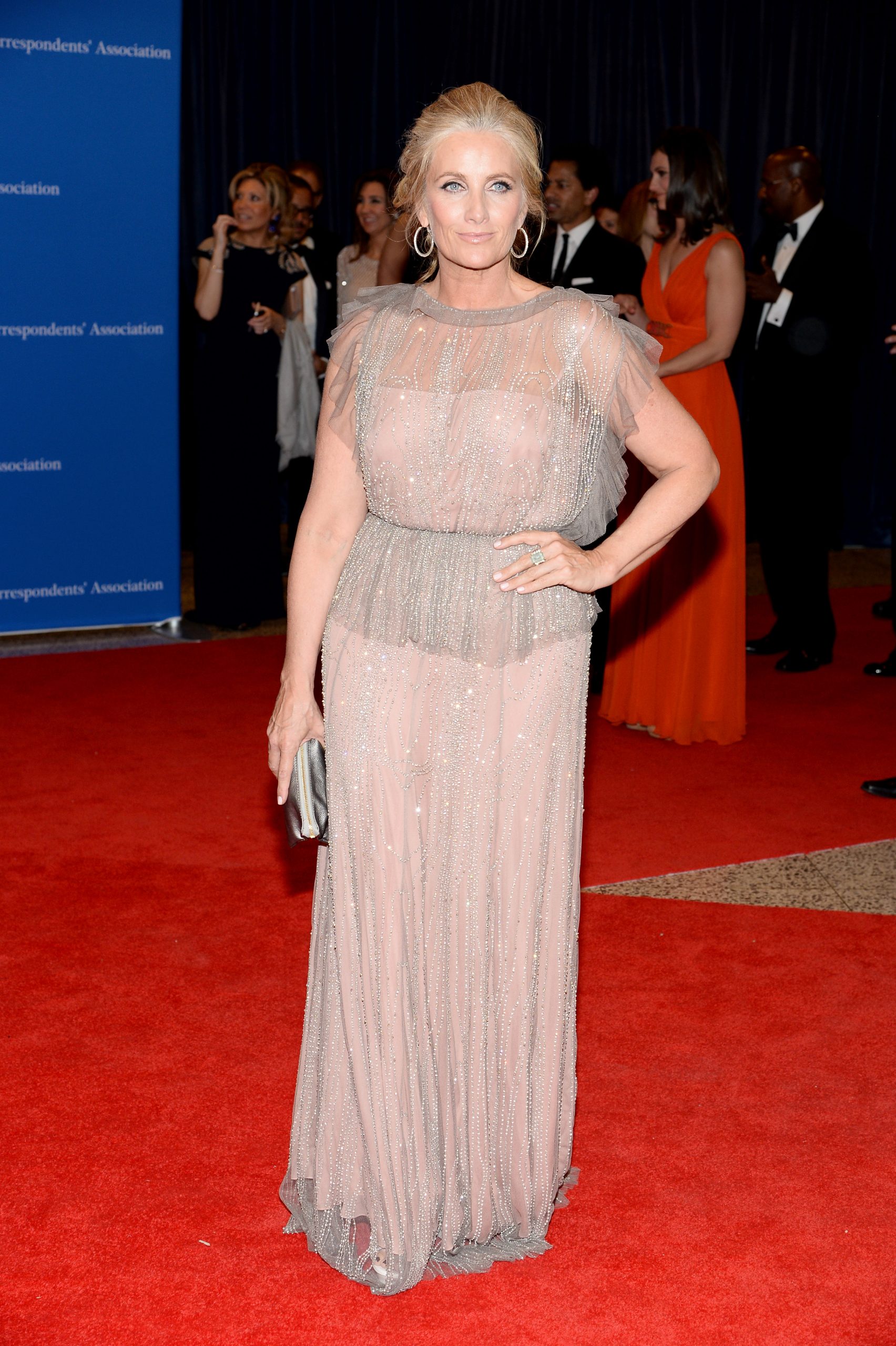
Alicia Witt holds an estimated net worth of approximately $4 million, accumulated through a diverse professional portfolio spanning film, television, theater, and music. Her wealth reflects decades of steady employment in the entertainment industry rather than a single breakout franchise, drawing from studio film roles, recurring television appearances, Hallmark holiday movies, original singer-songwriter albums, and extensive stage credits.
Evaluating the net worth of a working actor who began her career as a child prodigy requires examining multiple revenue streams over a timeline exceeding thirty years. Unlike blockbuster action stars who command eight-figure upfront fees for single motion pictures, Witt’s financial profile represents the classic working Hollywood actor model: a consistent accumulation of residuals, guest-star scale fees, independent film salaries, and theatrical compensation supplemented by independent musical endeavors and literary ventures.
The Foundation of Her Wealth: Early Career and Film Breakthroughs
Alicia Witt’s entry into professional entertainment occurred unusually early, establishing a lifelong earnings baseline. Discovered by David Lynch while she was playing piano at a hotel in her hometown of Worcester, Massachusetts, Witt made her feature film debut at age fourteen in Lynch's science-fiction epic Dune (1984), playing the role of Alia Atreides. While child actors in the 1980s operated under vastly different contract structures and compensation guidelines than contemporary performers—frequently lacking modern escrow protections and lucrative backend participation—this initial exposure placed her directly into the professional union ecosystem of the Screen Actors Guild.
Following Dune, Witt transitioned to television with an appearance in the landmark television series Twin Peaks (1990) before securing a starring role in the acclaimed independent drama Fun (1994). Her performance as a troubled teenager in Fun earned her a Special Jury Recognition at the Sundance Film Festival and critical acclaim that elevated her profile within the independent film community. Throughout the 1990s, she leveraged this recognition into supporting roles in high-profile studio releases, including Mike Figgis’s Leaving Las Vegas (1995) and the horror sequel Urban Legend (1998), for which she commanded standard supporting-actor scale rates of the era, bolstered by theatrical release bonuses and subsequent home-video residual structures.
Television Longevity and Syndication Residuals
Television has served as the most reliable engine for Witt's long-term financial stability. Her most notable early television tenure came on the hit CBS sitcom Cybill, starring Cybill Shepherd, where Witt played Zoey Woodbine across eighty-seven episodes from 1995 to 1998. Network television contracts during the peak era of 1990s multi-camera sitcoms provided structured episodic fees, guaranteed salary escalators for multi-season commitments, and lucrative domestic and international syndication residuals once the series crossed the threshold required for off-network broadcasting packages.
In the decades following Cybill, Witt cultivated a prolific career as a guest star and recurring player across dozens of prime-time television dramas. Her television credits span high-viewership network and cable programs, including:
- Justified (FX) as Wendy Crowe
- The Walking Dead (AMC) as Paula
- Nashville (ABC/CMT) as Cyra
- Twin Peaks: The Return (Showtime) as Gersten Hayward
- Orange Is the New Black (Netflix) as Zelda
- The Mentalist, Law & Order: Criminal Intent, and Two and a Half Men
For established actors with recurring guest-star status on major cable and streaming platforms, episodic rates generally range from $15,000 to $50,000 per episode depending on billing, project budget, and overall market demand. Furthermore, the modern era of streaming platforms has fundamentally altered residual calculations, moving away from traditional network re-run percentages toward standardized buyout rates or platform-specific performance bonuses, both of which contribute to an actor's cumulative annual passive income.
| Career Segment | Primary Revenue Sources | Estimated Financial Impact |
|---|---|---|
| Film & Television | Studio films, network sitcoms, guest-star runs | High baseline income, long-tail syndication residuals |
| Holiday Cinema | Lead and supporting roles in holiday romance films | Consistent, dependable per-project performance fees |
| Stage & Theater | Off-Broadway and regional theatrical productions | Weekly union minimums, prestigious brand positioning |
| Music & Publishing | Independent albums, touring, memoir advances | Direct-to-fan sales, publishing royalties, book advances |
The Hallmark Phenomenon and Commercial Film Work
A significant component of Witt’s modern financial profile derives from her extensive involvement in the holiday movie market, most notably with Hallmark Channel and related networks. Witt is well-known to seasonal television audiences for starring in and frequently producing or contributing original music to numerous holiday films, such as Christmas at Cartwrights, A Very Merry Mix-Up, Christmas Tree Lane, and Our Christmas Love Song.
The economic model of made-for-television holiday films relies on rapid production schedules—typically filming an entire feature within fifteen to twenty days—and reliable, built-in audience demographics. While actors in these productions do not command the multi-million dollar paychecks associated with theatrical summer blockbusters, the volume of work and efficient production turnaround offer steady, predictable compensation. In addition to acting fees, Witt has frequently co-written and performed original songs for these films, generating supplementary publishing and performance royalties through organizations like ASCAP or BMI.
Musical Career, Literary Ventures, and Diversified Assets
Beyond acting, Alicia Witt maintains an active career as a professional singer-songwriter and classical pianist. She has released multiple independent studio albums, including Revisionary History (produced by Jacquire King) and The Conduit. Her music monetization strategy encompasses digital streaming revenue, physical merchandise sales, direct-to-fan crowdfunding campaigns, and live touring engagements across independent music venues. While independent music production rarely matches the scale of major-label pop stardom, touring and direct licensing for television synchronization provide a healthy auxiliary income stream.
In 2024, Witt expanded her professional portfolio into publishing with the release of her memoir, Small Town Girl: A Memoir of Childhood and Lo-Fi Stardom, published by Hachette Books. Memoir publishing involves upfront publisher advances, which vary based on market interest, alongside ongoing book royalties derived from hardcover, paperback, audiobook, and international licensing sales.
Real estate holdings also form a foundational asset class for long-acting entertainment professionals. While specific residential property deeds remain private financial matters, Witt’s decades-long residency in primary entertainment hubs like Los Angeles and Nashville align with standard wealth preservation strategies utilized by working artists.
Financial Management and Wealth Preservation in Hollywood
Assessing a net worth figure like $4 million requires understanding the distinction between gross career earnings and net worth. Over a career spanning more than forty years, gross earnings easily exceed this figure, but net worth accounts for statutory deductions, business expenses, and liabilities. Professional actors must allocate significant percentages of their gross income toward mandatory operational costs:
- Agent, Manager, and Legal Commissions: Typically consuming 10% to 20% of gross entertainment earnings.
- Union Dues and Health Insurance: Contributions to SAG-AFTRA to maintain professional standing and healthcare coverage.
- Publicity and Professional Services: Expenses related to public relations representation, business management, and tax preparation.
- Self-Employment and Income Taxes: Federal, state, and local tax burdens applicable to high-bracket freelance earners in California and New York.
Financial advisors for entertainment professionals emphasize liquidity and diversification, insulating actors from the inherent volatility of the entertainment industry where employment gaps between projects can extend for months or years. Witt’s ability to pivot seamlessly across television guest spots, independent film production, holiday movies, musical touring, and literary publishing illustrates a diversified professional model designed to maintain financial equilibrium across shifting industry landscapes.
Frequently Asked Questions
What is Alicia Witt's primary source of income?
Alicia Witt's primary source of income is her professional acting career across film, television, and made-for-television holiday movies. This is supplemented by her work as a singer-songwriter, musical performances, and literary pursuits, including her memoir published in 2024.
How much did Alicia Witt make from Cybill?
Exact compensation figures for individual television contracts from the 1990s are generally confidential. However, starring in a network television sitcom for eighty-seven episodes provided standard episodic fees commensurate with network television rates of that era, alongside long-term syndication residuals.
Is Alicia Witt still active in music?
Yes, Witt is an accomplished pianist and singer-songwriter who has released multiple independent albums. She frequently incorporates live musical performances into her professional schedule and writes original music for the television films in which she stars.
Why is Alicia Witt's net worth estimated at $4 million?
Net worth estimates are calculated by financial analysts based on publicly available data regarding historical film and television salaries, union scale minimums, published book advances, real estate holdings, and standard industry residual structures. Because private financial portfolios are not fully disclosed, figures represent educated approximations.
Did Alicia Witt appear in Dune?
Yes, Alicia Witt made her professional acting debut playing the role of Alia Atreides in David Lynch's 1984 cinematic adaptation of Frank Herbert's science-fiction novel Dune when she was fourteen years old.
Strategic Professional Next Steps
For readers examining entertainment industry economics, analyzing individual net worth profiles highlights the importance of professional diversification. Career longevity in acting rarely relies on a single high-paying role; instead, it depends on union protections, residual structures, multi-format flexibility—such as combining television, theater, and music—and proactive financial management. Aspiring creative professionals benefit from studying how working actors build resilient careers through multiple complementary revenue streams rather than pursuing isolated commercial milestones.