Alien continuity encompasses the overarching chronological, structural, and thematic coherence of the multi-decade Alien science fiction franchise. Maintaining narrative consistency across feature films, literature, comic books, video games, and television projects requires reconciling diverging timelines, technological paradigms, and mythological developments introduced by various creators since 1979.
Defining Continuity in Franchise-Based Sci-Fi
Science fiction franchises that span multiple decades, creative teams, and media formats frequently encounter structural continuity challenges. In the context of the Alien universe, continuity refers to the unbroken narrative line established by Ridley Scott’s original 1979 film and expanded through sequels, prequels, and expanded universe materials. Maintaining this continuity requires ensuring that character arcs, technological progression, and corporate behaviors do not contradict established lore.
When multiple directors, screenwriters, and novelists contribute to a single intellectual property, interpretations of core elements—such as the origin of the Xenomorph organism, the nature of the Weyland-Yutani Corporation, and the capabilities of synthetic humans—inevitably shift. Franchise continuity acts as the regulatory framework that determines which stories, lore entries, and historical events are considered canonical within the primary universe.
Core Pillars of the Alien Chronology
The chronological framework of the franchise is expansive, stretching from the distant past of the Engineers to the distant future of space colonization. Understanding this timeline is essential for tracking how biological and corporate threats evolve. The narrative generally divides into distinct eras defined by significant technological milestones and encounters with extraterrestrial lifeforms.
| Timeline Era | Primary Media Focus & Key Events |
|---|---|
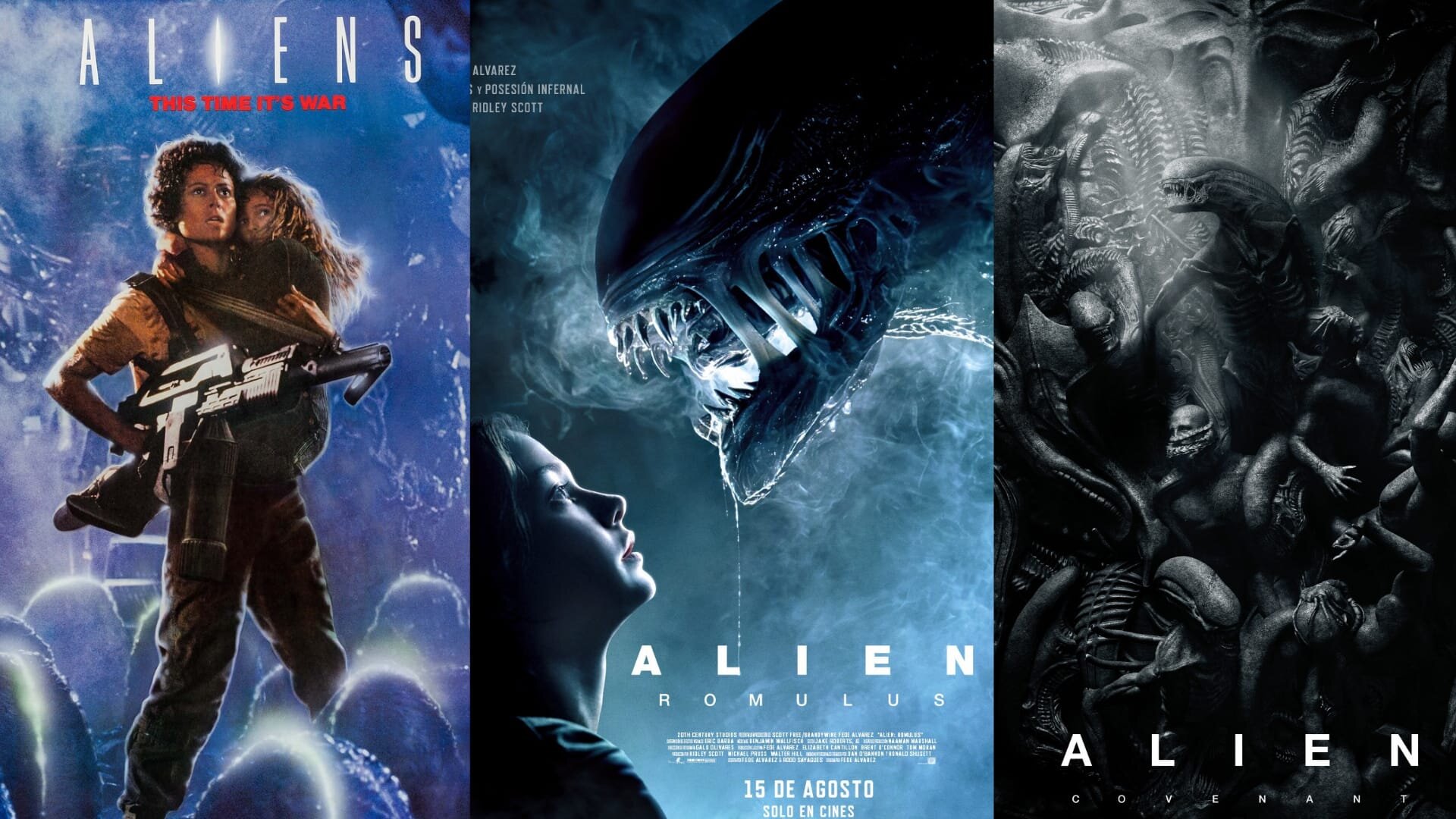
| Pre-2122 (Prequel) | Prometheus (2012), Alien: Covenant (2017)Engineer origins and David's experiments. |
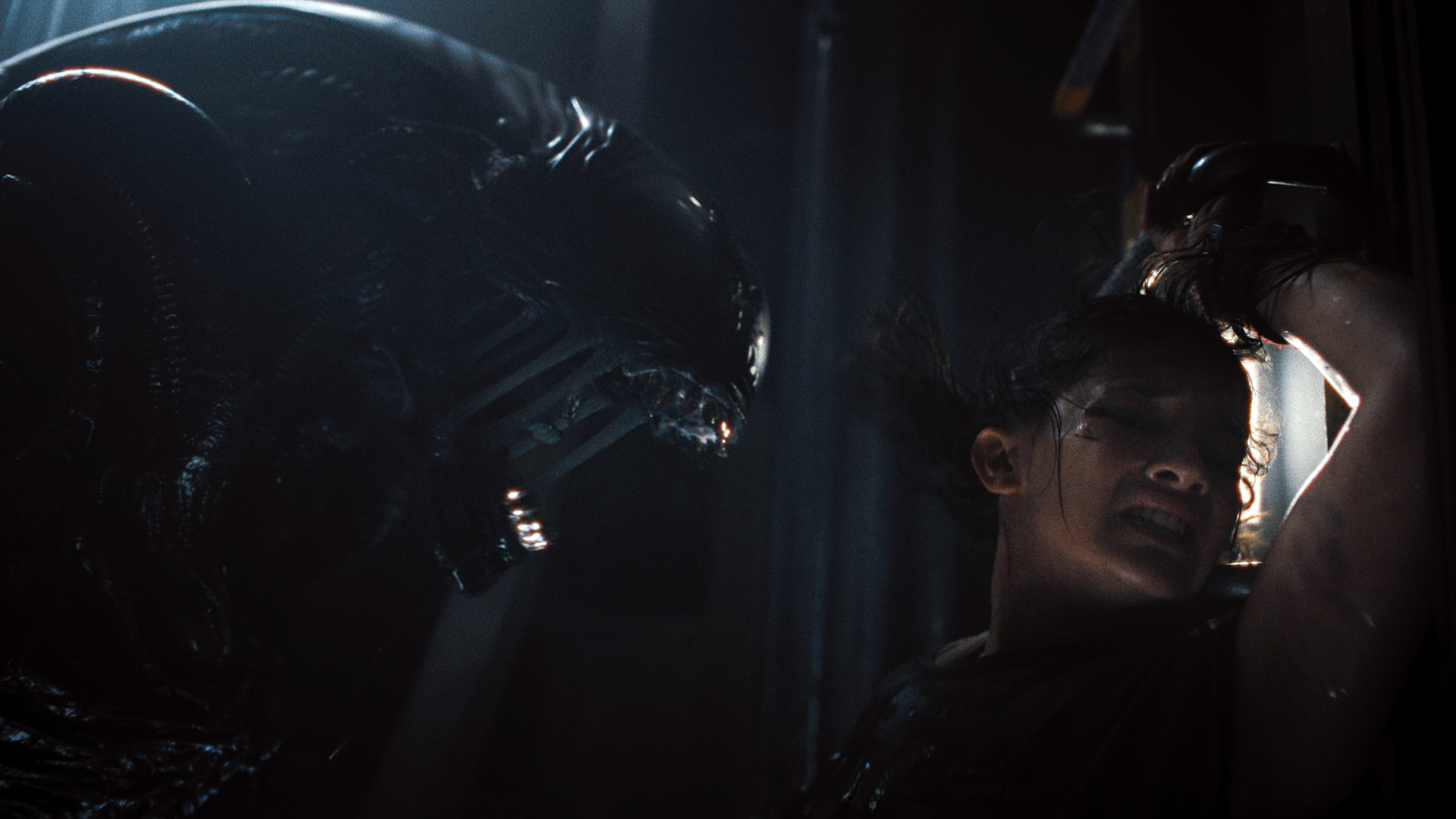
| 2122 (Original) | Alien (1979)The USCSS Nostromo crew encounters the Xenomorph on LV-426. |
| 2179 (Sequels) | Aliens (1986), Alien 3 (1992)Colonial Marines deployment and Ripley's final sacrifice on Fiorina 161. |
| Post-2381 (Future) | Alien Resurrection (1997)Military cloning experiments aboard the USM Auriga. |
The prequels established a deeper philosophical and biological backstory, introducing the Engineers as ancient architects of human and Xenomorph life. However, these revelations sometimes complicate the straightforward, biomechanical mystery presented in the 1979 film. Reconciling the primordial origins depicted by Ridley Scott with the hive-mind, biological terror directed by James Cameron remains a central pursuit for continuity editors and dedicated fans alike.
The Role of Corporate Lore and Synthetic Evolution
Weyland-Yutani and its predecessor corporations serve as the constant structural anchor across otherwise disparate stories. The corporation's relentless pursuit of biological weapons drives the primary conflicts of the franchise. Continuity must account for how corporate knowledge regarding the Xenomorph is transmitted, suppressed, or lost between generations of executives and operational teams.
Synthetic humans, starting from Ash in the original film to Bishop, Call, David, and Walter, represent a parallel track of continuity. The evolution of artificial intelligence and synthetic hardware reflects humanity's technological trajectory within the universe. Ensuring that synthetic capabilities, ethical programming constraints, and corporate loyalties remain consistent across different eras prevents logical contradictions in narrative tension.
Media Divergence: Canon Versus Expanded Universe
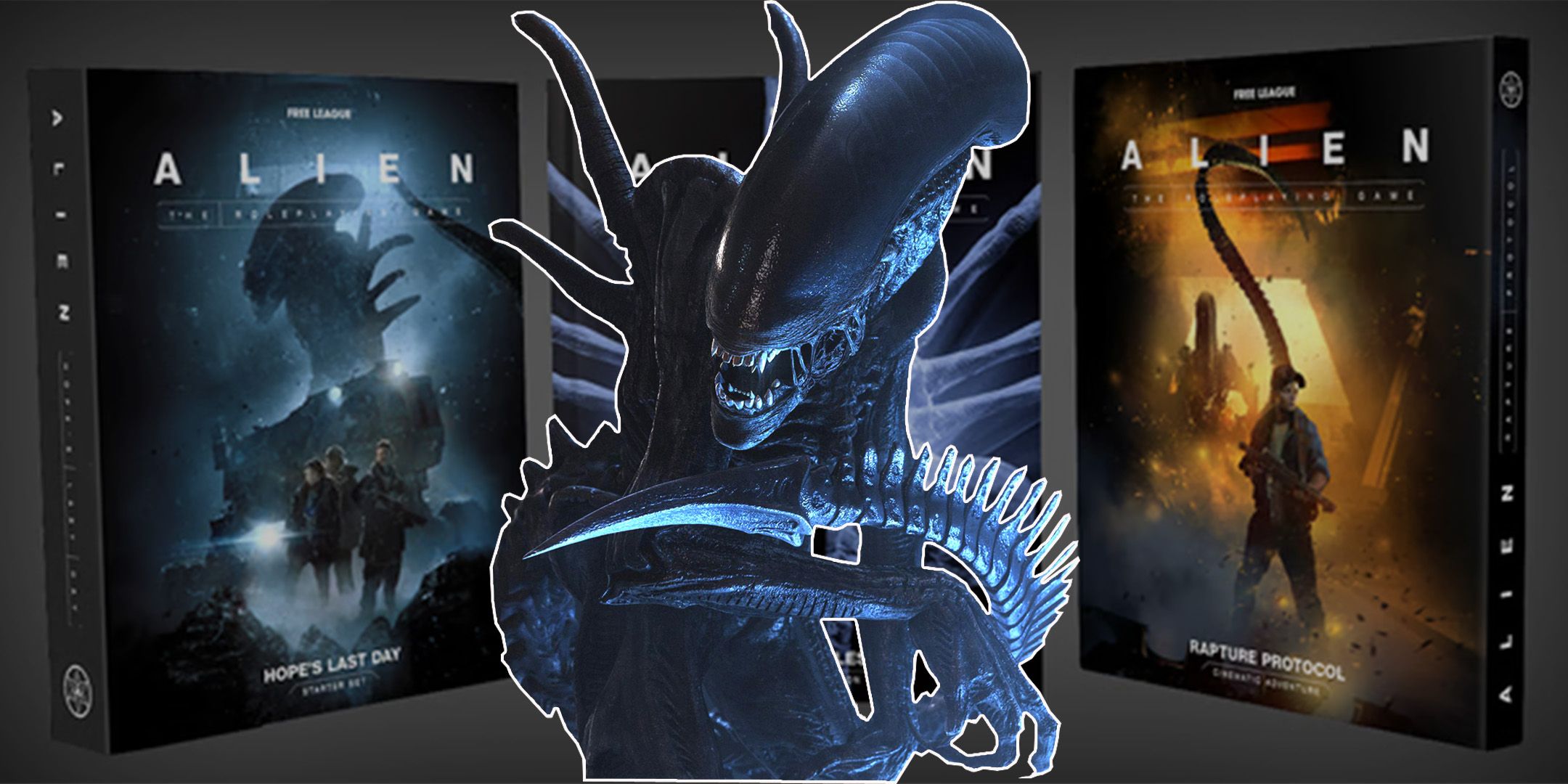
The Alien franchise extends far beyond theatrical motion releases into novels published by Dark Horse and Titan Books, tabletop role-playing games, and video games such as Alien: Isolation. This multi-medium expansion creates significant continuity friction. While hardcore enthusiasts track every tie-in publication, film-focused audiences rely solely on cinematic releases for their understanding of the universe.
Creators generally adhere to a tiered canon system where feature films hold supreme authority, followed closely by officially licensed, narrative-heavy media like Alien: Isolation, which meticulously replicated the set design and technological aesthetics of the 1979 film to fit seamlessly between Alien and Aliens. Conversely, crossover projects—most notably the Alien vs. Predator films and comics—occupy a separate continuity silo to prevent irreconcilable timeline clashes with the primary narrative arcs of the mainline Xenomorph series.
Resolving Retcons and Narrative Contradictions
Retconning, or retroactive continuity, occurs when new installments alter previously established facts to serve contemporary storytelling goals. The Alien franchise contains several prominent examples, particularly regarding life cycles, reproductive mechanics, and the precise level of sentience possessed by the Xenomorph. Managing these shifts requires nuanced in-universe explanations or outright ignoring incompatible side material.
When contradictions arise, creators and scholars typically rely on corporate suppression of information, unreliable narrator perspectives, or genetic variations within the species itself to explain behavioral differences. For instance, differing chestburster gestation periods or morphological variations in drone and warrior castes are often attributed to environmental adaptation and host species DNA rather than absolute narrative errors.
Frequently Asked Questions About Alien Continuity
What constitutes the primary canon of the Alien franchise?
The primary canon consists of the core theatrical feature films, starting with Alien (1979) and including its official sequels and prequel entries directed or endorsed by primary rights holders. Expanded universe materials, novels, and video games are considered secondary or contextual unless officially designated as primary canon by studio supervisors.
Are the Alien vs. Predator movies part of the main timeline?
The Alien vs. Predator films and associated comic book lines are generally treated as an alternate continuity or spin-off universe. They do not share a direct chronological timeline with the mainline Alien prequels and sequels, primarily due to dating discrepancies and historical Earth settings that conflict with mainline lore.
How do the prequel films fit into the original 1979 timeline?
Prometheus and Alien: Covenant serve as prequels set decades before the USCSS Nostromo encounters the derelict spacecraft on LV-426 in 2122. They explore the creation of the Engineers and the synthetic David, providing contextual backstory for the biomechanical horrors discovered by Ellen Ripley and her crew.
Is Alien: Isolation considered official canon?
Yes, Alien: Isolation is widely recognized as official canon within the franchise. Set between the events of Alien and Aliens, its narrative, atmosphere, and technological design were developed in close coordination with archival material from the original production to ensure strict adherence to established continuity.
How are contradictions between different directors handled in lore?
Franchise caretakers generally resolve directorial discrepancies through in-universe concepts such as biological mutation, Weyland-Yutani data suppression, and unreliable historical records. This allows contrasting artistic visions to coexist under a flexible umbrella of corporate and scientific secrecy.
Strategic Approach to Tracking Franchise Lore
Maintaining a coherent understanding of expansive fictional universes requires treating media releases as historical documents of an evolving fictional reality. Viewers and researchers examining complex mythologies should prioritize primary source material—specifically the foundational cinematic releases—before integrating secondary literature, video game logs, and comic adaptations. By anchoring analysis in the core cinematic releases while remaining aware of expanded universe contributions, enthusiasts can accurately navigate the intricate structural layers of complex science fiction franchises.