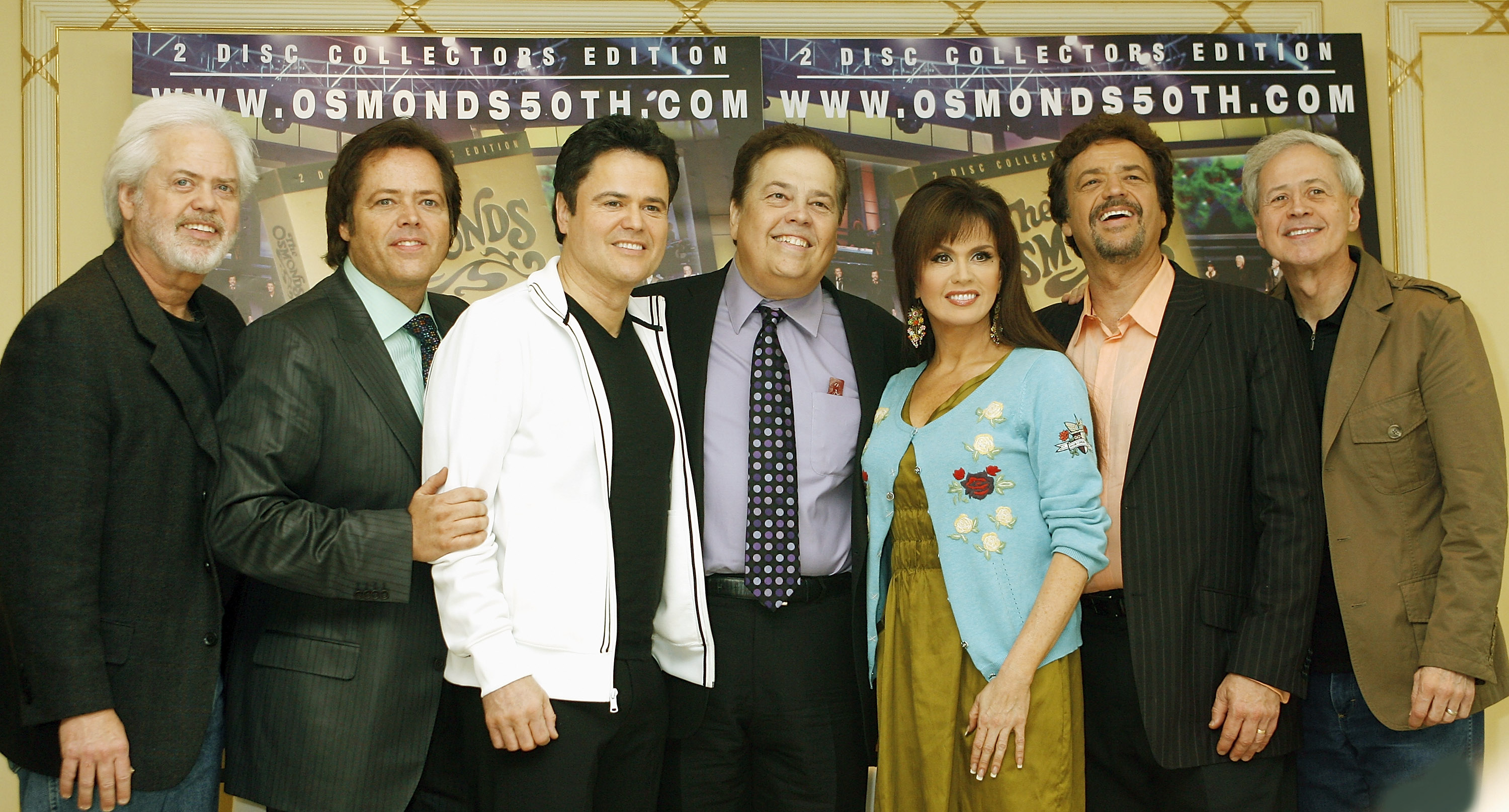
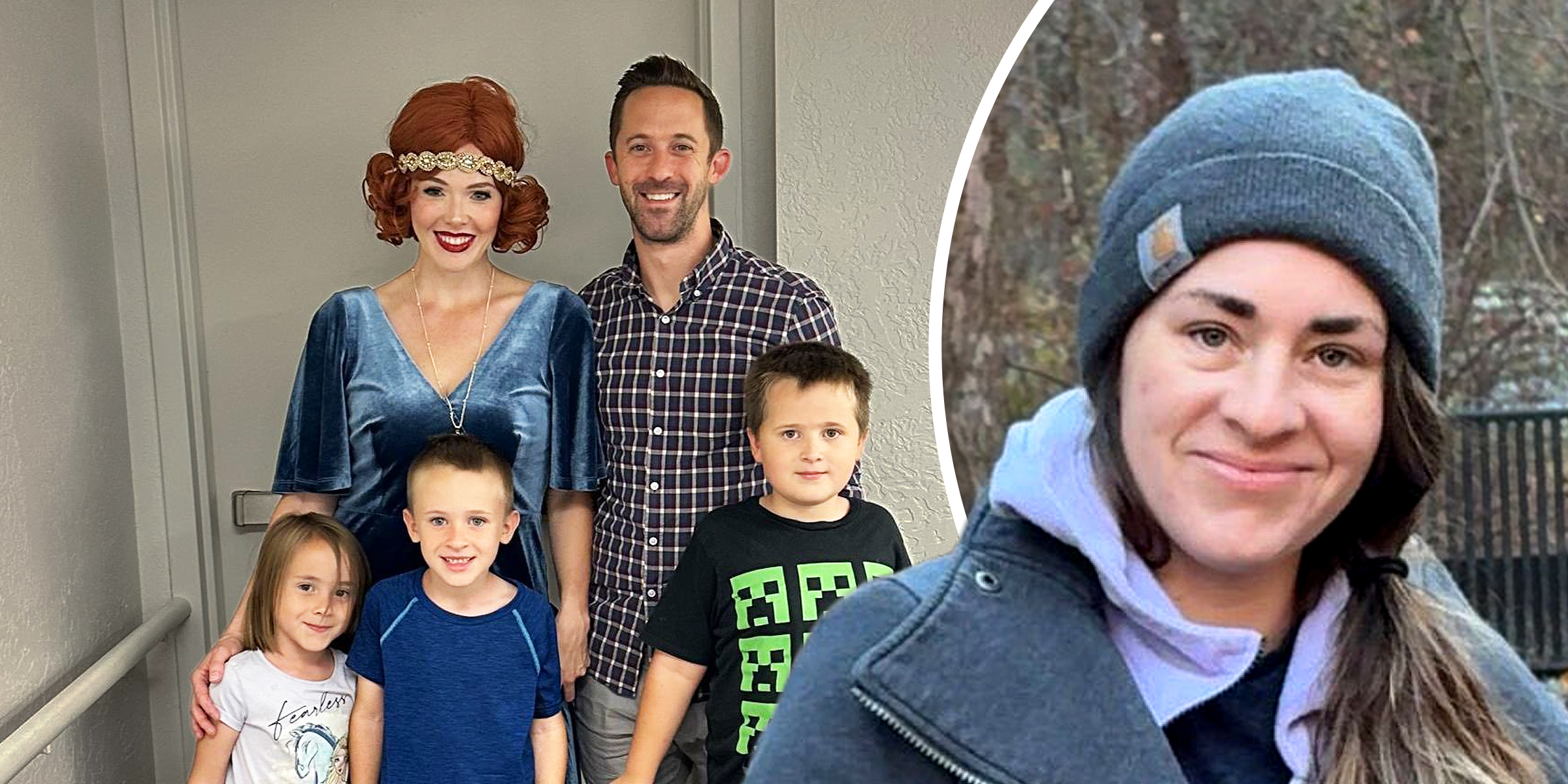
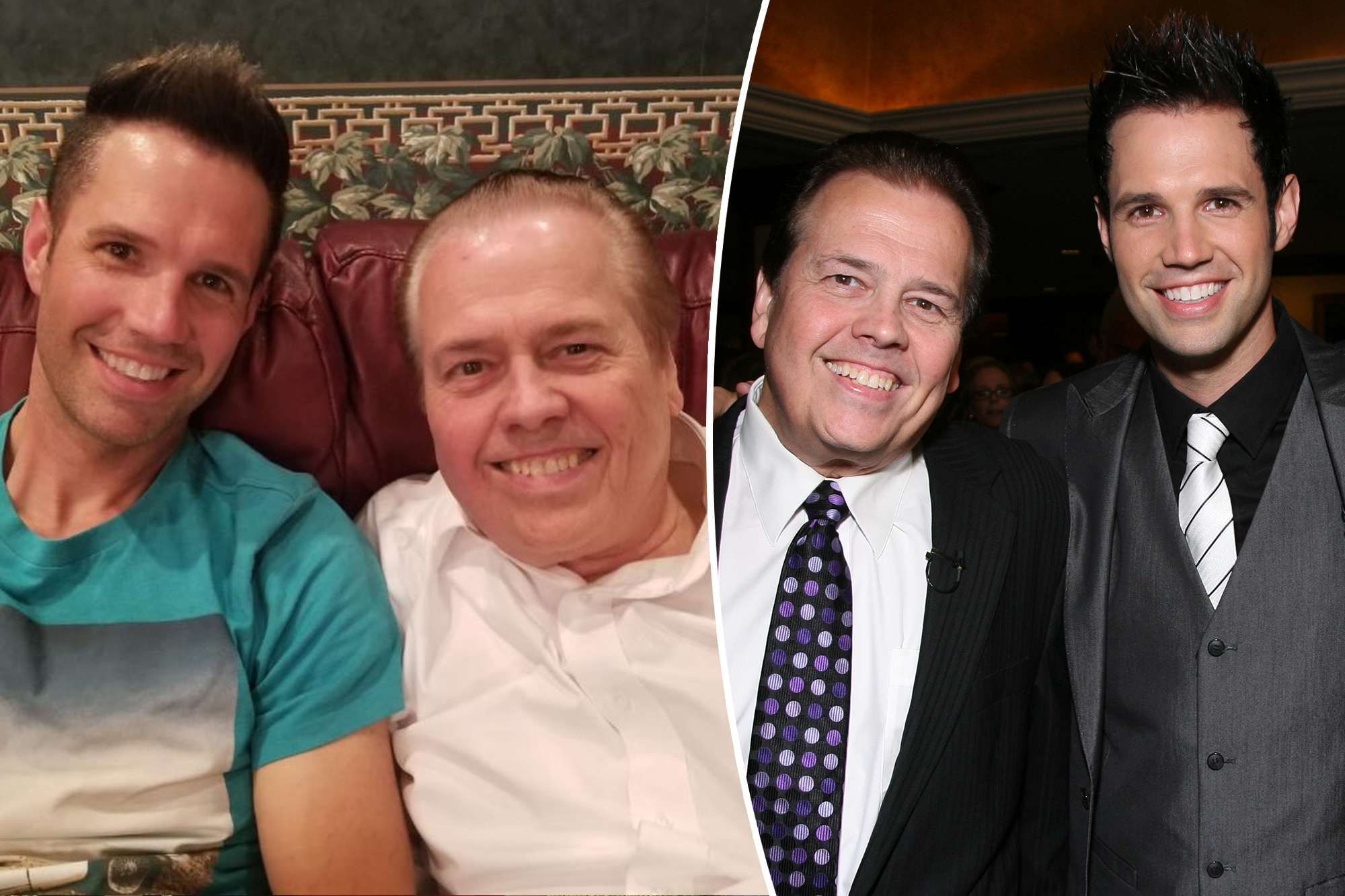
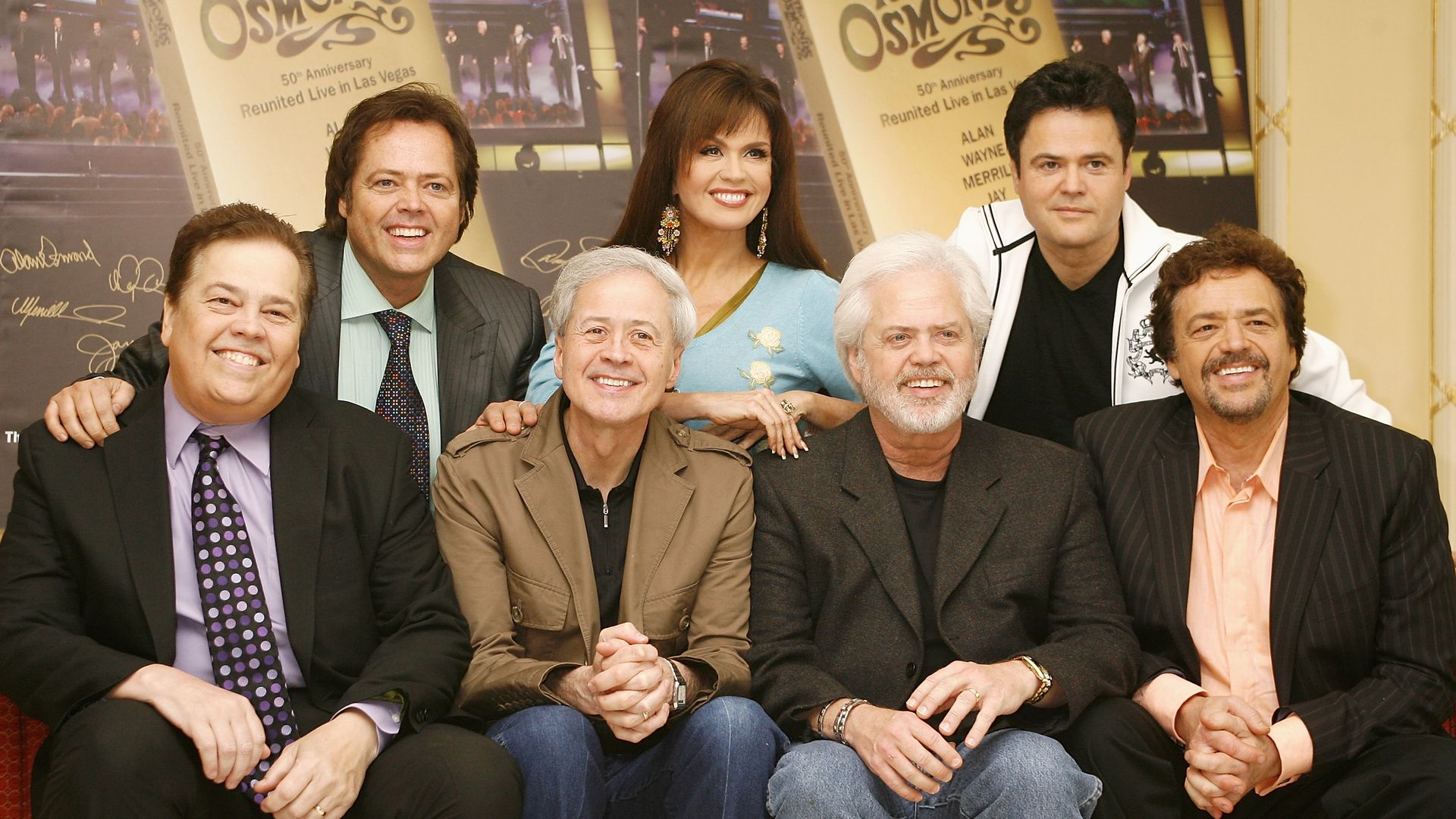
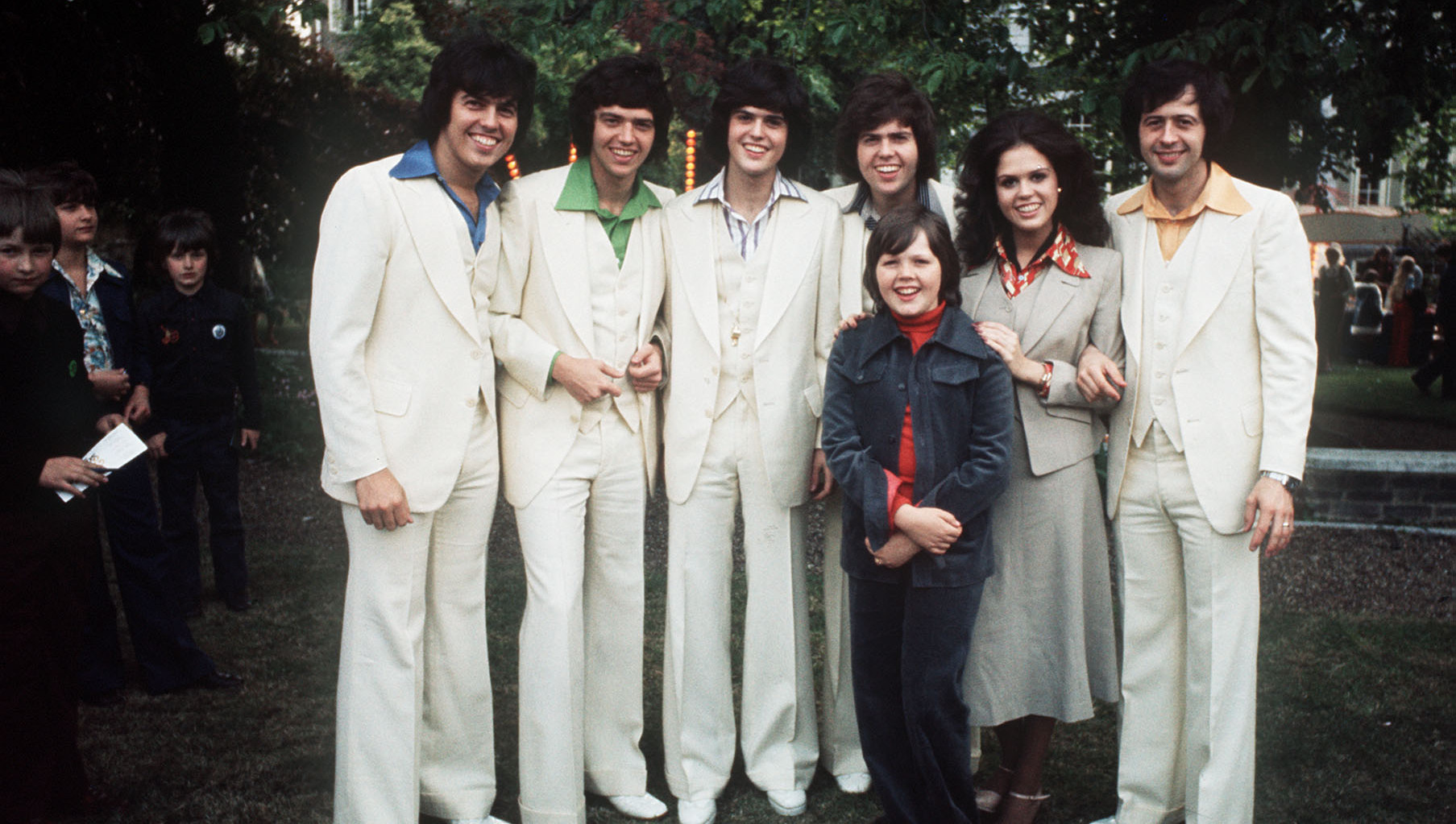
Alan Osmond, the eldest of the original performing Osmond brothers, and his wife Suzanne have eight sons: Michael, Nathan, Douglas, David, Scott, Jon, Alex, and Tyler. Their relationship is defined by a shared musical legacy as "The Osmonds Second Generation," a deep-rooted commitment to their faith, and a collective resilience in managing health challenges, specifically Multiple Sclerosis.
The Foundation of the Osmond Family Legacy
To understand the relationships between Alan Osmond and his children, one must first look at the foundation laid by Alan and Suzanne Pinegar Osmond. Married in 1974, the couple intentionally built a household centered on the values of the Church of Jesus Christ of Latter-day Saints (LDS). Unlike the stereotypical Hollywood family dynamic, the Alan Osmond household focused on "Family, Faith, and Freedom"—a motto Alan has championed for decades.
The relationship between the father and his eight sons was never just about the parent-child bond; it was about mentorship and the preservation of a multi-generational brand. Alan, having been the "leader" and choreographer of the original Osmond Brothers, applied a similar discipline to his sons. However, the 2026 perspective on their history shows that while the discipline was present, the primary driver was a desire for the brothers to remain close-knit through shared work and shared goals.
The eight sons did not merely inherit a name; they inherited a work ethic. Alan’s relationship with his children was heavily influenced by his own experiences with his father, George Osmond. He sought to replicate the unity of the original brothers while allowing his sons to navigate a modernizing entertainment landscape. This led to the formation of "The Osmonds Second Generation," a group that allowed the brothers to bond through touring, recording, and performing, much like their father and uncles did in the 1960s and 70s.
The Eight Sons: Individual Dynamics and Roles
The relationship between Alan and his children is best viewed through the lens of the "Second Generation" group. While they performed as a unit, each son brought a different dynamic to the family structure. In the year 2026, we can look back at how these individual personalities shaped the family's internal culture.
Michael and Nathan: The Elder Guidance
Michael Alan Osmond, the eldest, often took on a secondary leadership role, assisting his father in managing the group's logistics. His relationship with Alan was one of professional trust. Nathan George Osmond, the second son, pursued a successful career in country music. Nathan’s relationship with Alan showcased the family’s ability to support individual ventures while maintaining the core family unit. Alan’s encouragement of Nathan’s solo aspirations demonstrated a shift from the rigid "group-only" mentality of the previous generation.
David Osmond: The Shared Journey
Perhaps the most documented relationship is that between Alan and David Levi Osmond. David, who gained national fame on American Idol, also inherited his father’s battle with Multiple Sclerosis (MS). Their bond is unique, forged in the fires of shared physical adversity. When David was diagnosed, Alan became more than just a father; he became a mentor for navigating a life-altering chronic illness. This shared experience transformed their relationship into a powerful advocacy partnership, as they worked together to raise awareness and funding for MS research.
Douglas, Scott, Jon, Alex, and Tyler
The younger sons—Douglas Kenneth, Scott Alan, Jonathon Pinegar, Alexander Brent, and Tyler Caston—completed the musical octet. Their relationships with Alan were characterized by the "Branson Era," a period where the family lived and performed in Missouri. This era allowed for a stable family life despite the demands of show business. Unlike the original brothers who were constantly on the road, Alan’s children grew up with a home base, which fostered a more grounded relationship with their father.
The Osmonds Second Generation: A Professional Bond
The professional relationship between Alan and his children reached its peak with the success of their musical group. Alan served as the producer and visionary, while the sons provided the talent and energy. This collaboration was not without its challenges, as balancing the roles of "Boss" and "Dad" requires a delicate touch.
Their performances in the 1980s and 90s, particularly their international tours to the UK and their residency in Branson, served as a "boot camp" for family unity. They achieved significant success, including hits on the country charts and a massive following in Europe. The relationship during this time was defined by synchronized rehearsals and the pressure of living up to the "Osmond" standard of perfection.
By the mid-2000s, as the brothers began to marry and start their own families, the professional relationship shifted toward supporting individual interests. Alan’s role transitioned from a hands-on manager to a patriarch who offered guidance. This transition was crucial in preventing the burnout and familial estrangement often seen in child-performer families.
Navigating Health and Adversity: The MS Connection
A defining element of the relationship between Alan Osmond and his children is their collective response to Multiple Sclerosis. Alan was diagnosed with MS in 1987, a development that forced him to retire from the stage and step into a more behind-the-scenes role. This diagnosis fundamentally changed how he interacted with his sons.
Instead of seeing his father as an invincible performer, the children saw a man who met physical limitations with optimism. This had a profound impact on their upbringing. The sons became his support system, literally and figuratively. When David Osmond was later diagnosed with the same condition, the family did not react with despair but with the "Osmond Tough" mentality Alan had instilled in them.
The relationship between the brothers also strengthened during this time. They rallied around David, ensuring that the group’s legacy could continue even when he faced periods of temporary paralysis. This shared struggle created a level of empathy and emotional depth in their relationship that is rare in high-profile families.
Comparative Overview of the Second Generation Sons
The following table outlines the roles and key contributions of Alan Osmond’s sons, highlighting how their diverse paths contributed to the family's overall relationship structure.
| Son Name | Primary Role in Group | Notable Individual Achievement | Relationship Focus |
|---|---|---|---|
| Michael | Vocals / Management | Music Production | Logistical support and legacy management. |
| Nathan | Lead Vocals | Top 40 Country Artist | Balancing solo identity with family branding. |
| Douglas | Vocals / Instruments | Business Ventures | Stability and behind-the-scenes support. |
| David | Lead Vocals | American Idol / MS Advocate | Shared health journey and public advocacy. |
| Scott | Vocals | Technical Production | Creative development and stagecraft. |
| Jon | Vocals | Visual Media / Editing | Modernizing the family's digital presence. |
| Alex | Vocals | Education / Public Speaking | Intellectual and values-based contributions. |
| Tyler | Vocals / Bass | Songwriting | Keeping the group's sound contemporary. |
The Role of Faith and Values in Family Continuity
Central to the relationship between Alan and his eight sons is their shared adherence to the teachings of the LDS Church. In the Osmond family, faith is the "glue" that prevents the frictions of fame from causing permanent fractures. Alan and Suzanne raised their children with the "One Bad Apple" philosophy in reverse—where the strength of the many supports the weakness of the one.
Their relationships are punctuated by religious milestones, such as serving missions. Most of the brothers took hiatuses from their musical careers to serve two-year missions for the church. Alan’s support of these breaks, even at the height of the group's popularity, signaled to his children that their spiritual development was more important than commercial success.
In 2026, we see the fruits of this approach. The brothers remain close, not just because they are relatives, but because they share a worldview. This shared perspective has allowed them to navigate the complexities of inheritance, legacy, and aging with a degree of harmony that is often absent in the entertainment industry.
The Evolution of the Relationship in the 2020s
As of 2026, the relationship between Alan Osmond and his children has entered a "legacy phase." Alan, now in his late 70s, has largely stepped back from public life, but his influence remains the guiding force for his sons. The sons are now fathers themselves, and the relationship has expanded to include a "Third Generation" of Osmonds.
The brothers continue to collaborate on various projects, often under the umbrella of "The Osmond Family" or through David’s media appearances. The relationship is now characterized by mutual respect and a collective effort to care for their aging parents. The sons have taken over the responsibility of maintaining the family's charitable foundations, ensuring that Alan’s work in the MS community continues.
The digital age has also changed how they interact. Social media has allowed the brothers to share their individual lives with fans while frequently posting tributes to their father. This public display of affection reflects a genuine private bond. The relationship is no longer about the next concert or the next record; it is about the "Eternal Family" concept that Alan and Suzanne taught them from birth.
Why did Alan Osmond's children form their own group?
The eight sons formed "The Osmonds Second Generation" to continue the musical legacy established by their father and uncles. Encouraged by Alan, the group served as a way to keep the brothers together professionally and personally, allowing them to experience the same brotherhood that the original Osmond Brothers enjoyed.
How did Alan Osmond's MS diagnosis affect his relationship with his sons?
Alan’s diagnosis in 1987 shifted his role from an on-stage performer to a mentor and producer. It taught his sons resilience and empathy. When his son David was also diagnosed with MS, it created a unique, supportive bond between father and son, as Alan was able to guide David through the physical and emotional challenges of the disease.
Are all of Alan Osmond's children still in the music industry?
While all eight sons were part of the musical group at one point, their careers have diversified. Some, like Nathan and David, remain heavily involved in music and media. Others have moved into business, production, and public speaking. However, they frequently reunite for special performances or family-related media projects.
What role did Suzanne Osmond play in the family dynamics?
Suzanne Pinegar Osmond is often described as the "heart" of the family. While Alan provided the professional vision and spiritual leadership, Suzanne managed the daily complexities of raising eight boys. Her presence ensured that the sons had a stable, loving home life that balanced out the pressures of the entertainment industry.
How do the brothers maintain their relationship today in 2026?
In 2026, the brothers maintain their bond through frequent family gatherings, shared business interests, and their common faith. They utilize modern technology to stay connected despite living in different areas, and they remain committed to supporting their parents and the family’s charitable legacy.
Practical Guidance for Preserving Family Legacy
The relationship model of the Alan Osmond family offers several insights for those looking to preserve family unity across generations.
- Establish Core Values: Define what your family stands for (e.g., "Family, Faith, Freedom") and use these as a compass for decision-making.
- Encourage Individualism within the Unit: Alan allowed his sons to pursue solo interests (like Nathan’s country career) while still contributing to the family brand.
- Shared Adversity as a Bond: Don't hide family struggles; use them as opportunities for collective growth, as the Osmonds did with their health challenges.
- Mentorship over Management: Shift from a "boss" role to a "mentor" role as children reach adulthood to foster mutual respect.
- Prioritize Long-Term Connection: Value the relationship over short-term financial or professional gains, ensuring that the family remains intact long after the "stage lights" fade.