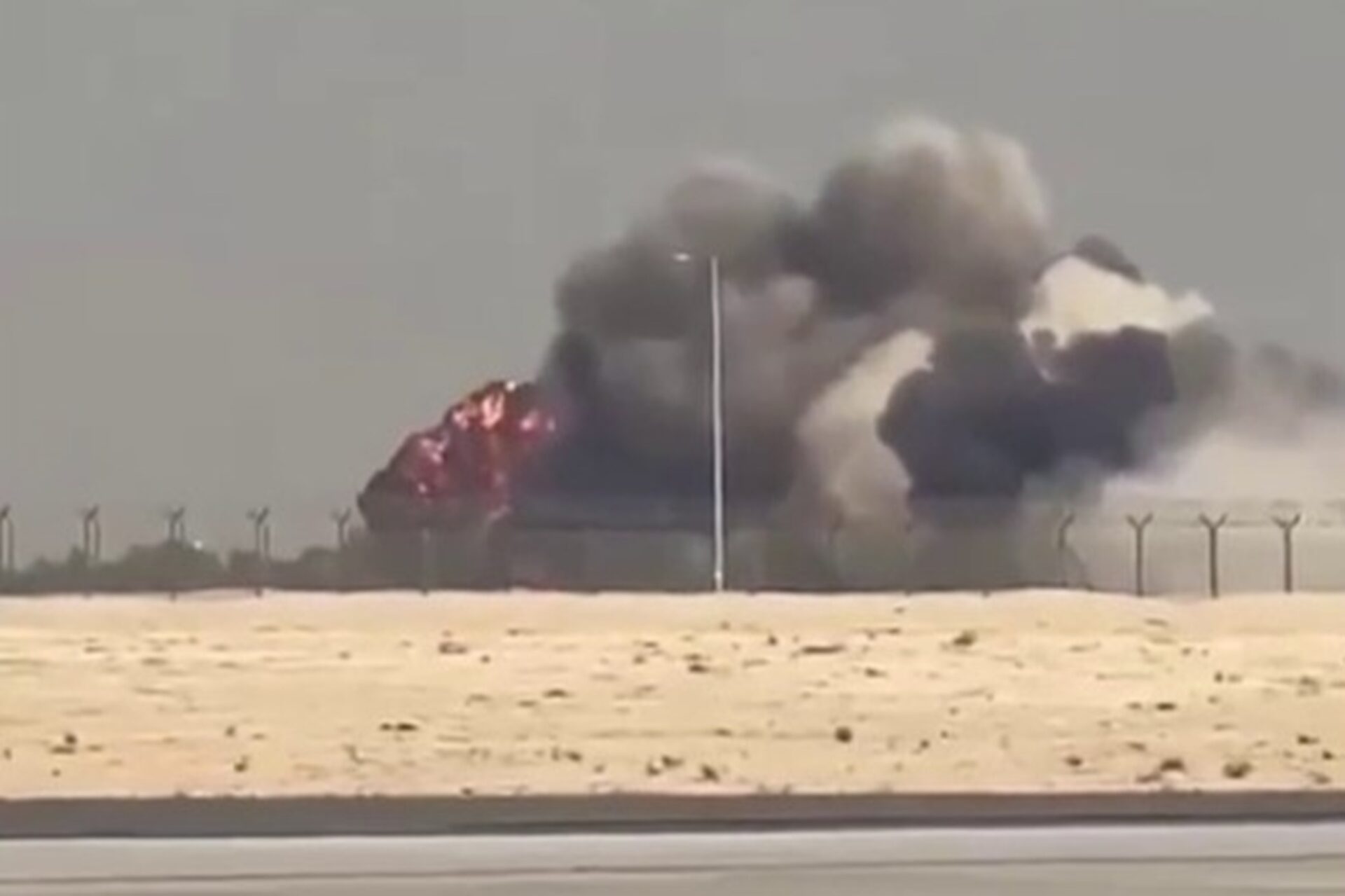
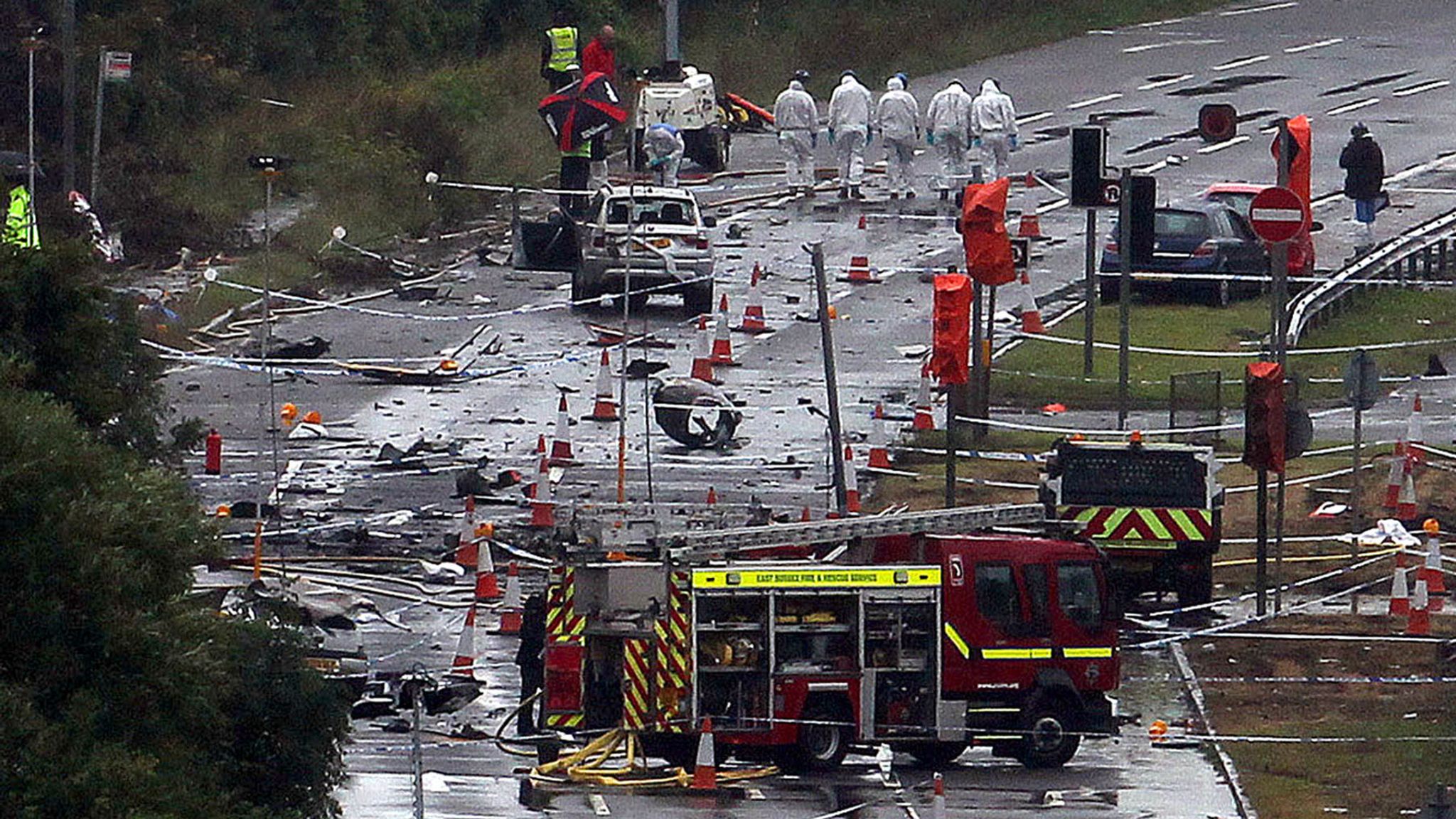
An airshow incident refers to any unplanned event, accident, or serious safety deviation occurring during an aviation exhibition, involving either aircraft performing in flight, static displays, or ground operations. These events trigger rigorous multidisciplinary investigations led by civil aviation authorities to determine root causes, assess regulatory compliance, and implement corrective safety mandates for future public aviation events.
Understanding the Anatomy of Aviation Exhibitions
Aviation exhibitions represent complex operational environments where high-performance aircraft operate in close proximity to crowds, complex terrain, and temporary air traffic control structures. Unlike standard commercial or private aviation, airshow flights routinely involve aggressive maneuvering, high-speed passes, formation flying, and energy management states that push both pilot and machine toward their operational limits. Because these demonstrations occur within a compressed timeframe and a strictly bounded geographical box, the margin for error is exceptionally narrow.
The structural ecosystem of an airshow relies on a delicate balance between pilot skill, aircraft airworthiness, precise ground coordination, and regulatory oversight. When an anomaly occurs, it rarely stems from a single isolated failure. Instead, safety analysts view an airshow incident through the lens of the Swiss Cheese Model, where multiple systemic defenses—such as pre-flight briefings, air boss interventions, mechanical redundancies, and weather minimums—must simultaneously fail or align for an adverse event to materialize. Understanding this systemic nature is critical for moving beyond simplistic blame toward actionable safety improvements.
Regulatory Frameworks and Governing Authorities
The oversight of public flight exhibitions requires coordination between national aviation authorities, local municipalities, and event organizers. In the United States, the Federal Aviation Administration (FAA) governs airshow safety primarily through specific advisory circulars, waivers, and certificates of waiver or authorization (COAs). These documents dictate minimum spectator separation distances, acrobatic altitudes, performer qualifications, and mandatory briefing structures. Similarly, global bodies such as the European Union Aviation Safety Agency (EASA) and national regulators like the UK Civil Aviation Authority enforce stringent compliance frameworks for display flying.
Regulatory compliance is not limited to the air; it extends deeply into the ground operations and crowd management sectors. Organizers must submit comprehensive operational plans weeks in advance, detailing emergency response contingencies, fire suppression readiness, security perimeters, and air traffic management protocols. Any departure from these approved parameters constitutes a regulatory violation and elevates the risk profile of the event, often leading to immediate grounding of the offending aircraft or cancellation of the display.
Common Categories of Safety Deviations
Airshow safety events span a wide spectrum of severity, ranging from minor administrative non-compliances to catastrophic hull-loss accidents resulting in fatalities. Categorizing these occurrences helps safety investigators and regulatory bodies identify troubling trends across the industry.
- Aerodynamic Excursions: Situations where an aircraft exceeds its critical angle of attack, enters an uncommanded stall, or miscalculates recovery altitude during a low-level maneuver.
- Mechanical and Powerplant Failures: Sudden engine degradation, structural fatigue, or flight control anomalies occurring during high-stress flight regimes.
- Spatial Disorientation and Visual Illusions: Pilots losing situational awareness due to sun glare, featureless horizons, or rapid transitions between vertical and horizontal flight axes.
- Airspace Incursions and Coordination Lapses: Miscommunication between the designated Air Boss, ground control, and participating pilots, leading to conflicting flight paths within the display line.
- Crowd Protection and Ground Breaches: Failures in spectator control infrastructure, allowing unauthorized personnel or vehicles to enter active safety zones or active taxiways.
Comprehensive Investigation Procedures
When an airshow incident occurs, independent national transportation safety boards—such as the National Transportation Safety Board (NTSB) in the United States or equivalent international agencies—assume jurisdiction over the investigation. The primary objective of these investigations is prevention rather than liability assignment. Investigators deploy multidisciplinary teams to examine perishable evidence, which includes recovering onboard flight data recorders, analyzing high-definition video footage from multiple angles, interviewing eyewitnesses, and evaluating the air traffic control audio transcripts.
The investigation process follows a rigorous, phased methodology designed to reconstruct the exact sequence of events leading up to the deviation.
1. Initial Notification & Scene Secure -> 2. Perishable Evidence Collection -> 3. Wreckage Analysis & Systems Testing -> 4. Human Factors & Operational Review -> 5. Final Report & Safety Recommendations
This structured pipeline ensures that physical evidence is preserved, environmental factors like micro-weather patterns are documented, and human performance elements—such as pilot fatigue, cognitive overload, or medical issues—are thoroughly assessed through toxicological and historical reviews.
Comparative Overview of Safety Measures
To understand how modern aviation exhibitions mitigate risk, it is valuable to compare traditional operational methods with contemporary safety enhancements mandated by regulatory authorities.
| Safety Domain | Legacy Practice | Modern Standard |
|---|---|---|
| Spectator Separation | Fixed horizontal distances based solely on aircraft category. | Dynamic safety buffers accounting for aircraft energy states, mass, and vector trajectories. |
| Air Boss Communication | Analog radio frequencies with limited discrete channels. | Dedicated, multi-frequency communication suites with automated override capabilities and real-time telemetry. |
| Performer Vetting | Paper-based logbook reviews and historical recommendations. | Competency-based Statement of Aerobatic Competency (SAC) card renewals and rigorous annual check-rides. |
| Emergency Response | Local municipal fire trucks stationed near main gates. | Dedicated, rapid-response aircraft rescue and firefighting (ARFF) apparatus positioned immediately adjacent to the active runway. |
| Data Utilization | Post-accident visual reconstruction using consumer media. | Mandatory extraction of multi-angle telemetry, ADS-B logs, and onboard digital engine monitors. |
Human Factors and Psychological Pressures
Human performance remains one of the most critical variables in aviation safety, particularly within the high-stakes environment of an airshow. Performers operate under intense psychological pressures, including the desire to satisfy large crowds, adhere to rigid scheduling timelines, and manage the physiological stressors of high-G maneuvers. These pressures can sometimes contribute to channelized attention, where a pilot becomes hyper-focused on executing a specific flight maneuver while ignoring subtle cues regarding altitude degradation or engine performance anomalies.
Furthermore, fatigue management is an essential component of modern airshow risk mitigation. Multi-day airshow circuits subject pilots and support crews to dehydration, excessive heat, and disrupted sleep schedules. Recognizing these vulnerabilities, regulatory bodies and performer associations increasingly emphasize Crew Resource Management (CRM) principles, encouraging wingmen, safety observers, and ground personnel to speak up if they observe unstable approaches, low recoveries, or other precursors to an incident.
Frequently Asked Questions
What defines an airshow incident versus an airshow accident?
An airshow incident generally refers to a safety occurrence, near-miss, or procedural deviation that compromises safety without necessarily resulting in fatal injuries or substantial structural destruction of the aircraft. An airshow accident, by contrast, involves serious injury, fatality, or substantial damage to the aircraft that impairs its structural integrity or flight performance.
Who holds ultimate authority over safety during a live flight exhibition?
The designated Air Boss holds supreme operational authority over the active airspace and flight line during the event. The Air Boss possesses the unconditional right to halt any performance immediately if an aircraft crosses safety boundaries, exhibits erratic behavior, or encounters unexpected weather and mechanical issues.
How do investigators analyze low-altitude flight maneuvers without flight data recorders?
When lightweight or historic aircraft lack modern digital flight data recorders, investigators rely heavily on synchronized multi-camera video footage, radar data, GPS telemetry from portable devices, witness triangulations, and ground-scratch marks to reconstruct the aircraft's flight path, speed, and attitude precisely.
What are the standard spectator buffer zones required at modern airshows?
Spectator buffer zones vary depending on the category of aircraft performing, such as jet demonstrations, heavy warbirds, or light aerobatic category aircraft. Generally, federal regulations require a sterile safety zone extending several hundred feet back from the primary display line, with greater distances mandated for high-speed, low-altitude passes.
Can weather conditions alone trigger the cancellation of an airshow performance?
Yes, environmental minimums—including cloud ceiling heights, horizontal visibility, crosswind components, and sun glare angles—are legally binding parameters. If weather deteriorates below the thresholds established in the event’s FAA waiver or regulatory approval, the Air Boss or safety officer must suspend flights until conditions improve.
Actionable Next Steps for Event Organizers and Aviation Enthusiasts
For professionals organizing, managing, or participating in public aviation events, adherence to proactive risk management principles is paramount. Event coordinators must establish redundant communication channels, conduct rigorous briefings that explicitly address emergency abort procedures, and maintain zero tolerance for regulatory non-compliance. Spectators and aviation enthusiasts can contribute to overall safety by respecting established crowd boundaries, following instructions from security personnel, and reporting any suspicious ground or air anomalies to event officials immediately. Continuous education, adherence to established aviation standards, and a culture of transparent reporting remain the most effective tools for preventing future airshow incidents.